

Making the Holidays a Little Healthier with Organic Maca Root
The holiday season is one of the most enjoyable times of the year, but it can also be one of the busiest. Between shopping, entertaining,

Peru has extended its moratorium on genetically modified organisms for cultivation through 2035 — a decision designed to protect biodiversity, traditional agriculture, and farming communities throughout the country.
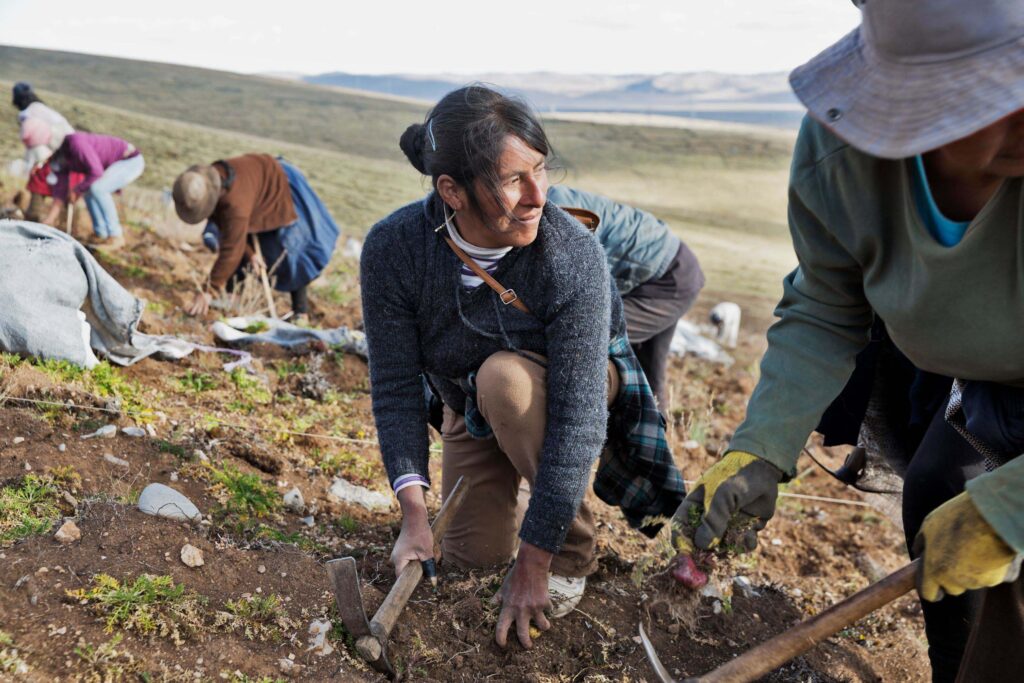
In great news for all of us who value clean, organic, heritage foods, the government of Peru has extended its ban on the use of GMOs for cultivation until 2035.
For us, this matters far beyond maca. The policy is intended to protect Peru’s extraordinary agricultural biodiversity, traditional seed varieties, family farming, and the cultural relationships that have developed between farmers and the land over generations.
Peru’s original 10-year GMO moratorium began in 2011. In 2021, Law 31111 extended the moratorium through the end of 2035.
For The Maca Team, this helps protect the traditional non-GMO agricultural system behind the Peruvian maca we source.
Back in 2011, Peru declared a 10-year moratorium on the import or cultivation of GMO crops. It was among the countries taking a strong national position on genetically modified organisms entering agricultural production.
The original Law 29811 went into effect in December 2011 and established a 10-year moratorium preventing the entry and production of genetically modified organisms intended for cultivation or release into the environment.
That initial moratorium was scheduled to expire in 2021.
The law was created to help protect several things that are deeply important to Peru and its agricultural heritage:
Peru is home to extraordinary agricultural diversity. Protecting that diversity means preserving not only individual crops, but also the seeds, farming knowledge, regional varieties, and ecological systems that allow them to continue.
As the original law approached its December 2021 expiration date, more than 30 organizations inside and outside Peru joined a campaign called “Biodiversity Is Our Identity” under the slogan “United for a GMO-Free Peru.”
These groups organized demonstrations and helped gather thousands of signatures in support of extending the ban.
Fortunately for all of us, those voices were heard.
On January 6, 2021, the Peruvian government extended the moratorium through the end of 2035 under Law 31111.
The new law also recognized the invaluable contribution of Peru’s approximately 2.2 million farming families, who produce a large share of the food consumed within the country.
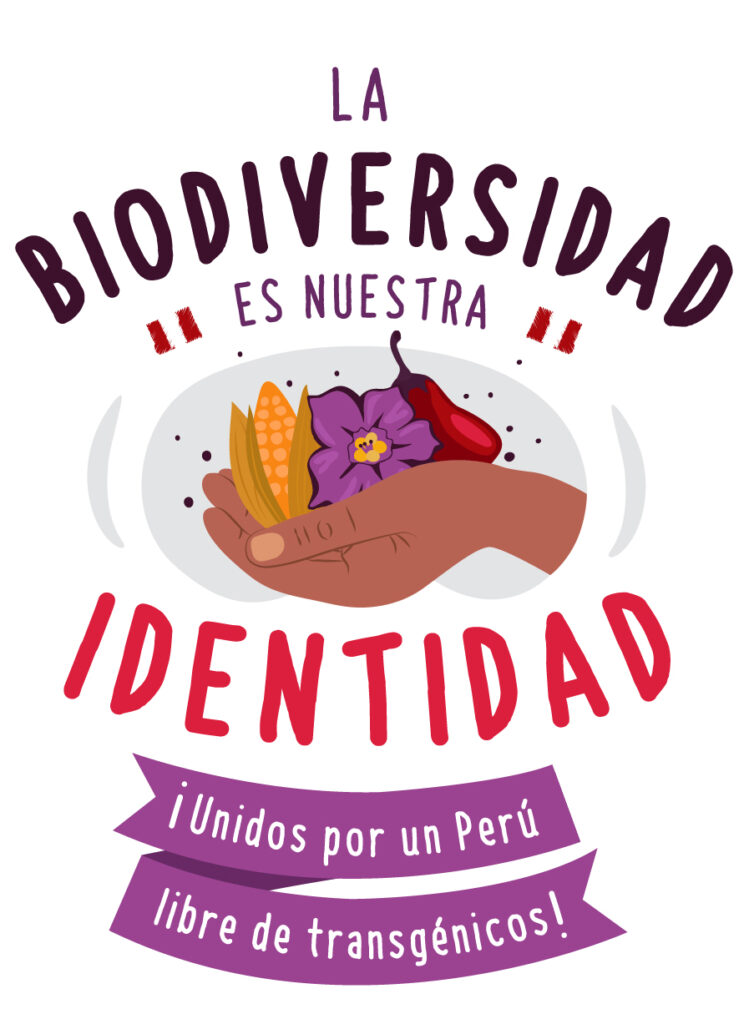
The fundamental reasoning for extending the ban is the preservation of agrobiodiversity — in other words, conserving traditional seed varieties and planting practices.
This can help provide farmers with greater autonomy in their work. Rather than becoming dependent on patented or proprietary GMO seeds, farmers can continue using and preserving the diverse seed stock already present within their communities.
The policy also supports food security through diversity. When many crop varieties remain available rather than agriculture becoming dependent upon a small number of standardized varieties, farming systems can remain more adaptable.
Most importantly for traditional farmers, it allows and encourages them to continue agricultural methods that they and their ancestors have used for generations.
Beyond that, the measure is intended to help protect ecosystems and discourage agricultural systems that depend heavily upon monocropping or a single variety of produce.
The law also supports Peru’s ability to produce and export organically grown foods — something that can benefit both farmers and the people consuming those products.
We at The Maca Team fully support this action by Peru and applaud the government for enacting it, even in the face of pressure from large international interests.
Our wonderful maca farmers are able to continue using the traditional farming methods they inherited from their forebears and, we hope, pass those traditions on to the next generation without outside pressure to change.
For our maca, the principle is simple: we source from Peru, work within traditional agricultural systems, and use maca grown from non-GMO seed.
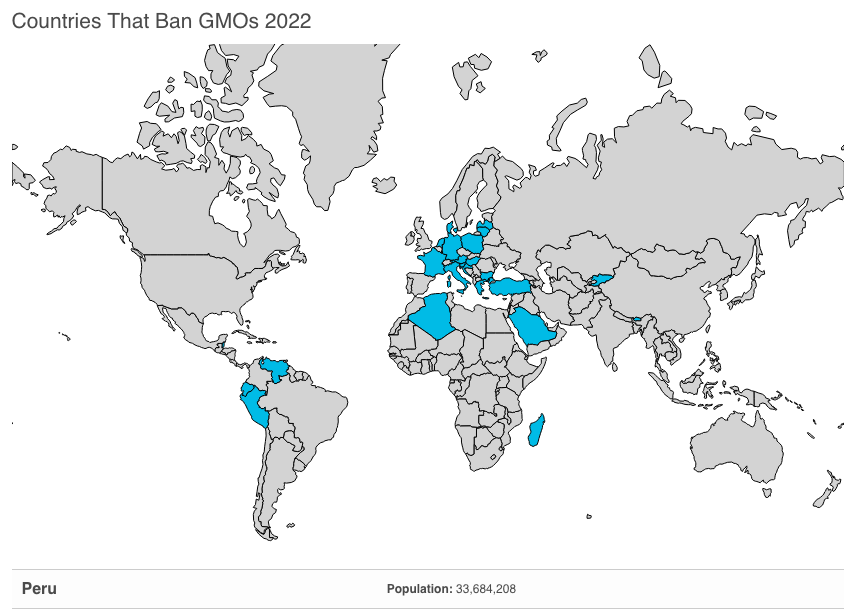
The map below was included with the original article to illustrate how GMO policies differed internationally at the time.
For the end user of our maca products, you can rest assured that the maca you receive from us is non-GMO.
We source all of our maca in Peru and remain committed to the traditional agricultural practices used by our farming partners.
Supporting traditionally grown Peruvian products also supports farming communities that have preserved these crops and agricultural systems for generations.
You might also consider purchasing other organically grown Peruvian foods such as quinoa and cacao in support of these farming traditions.
We’ll conclude with a statement from Conveagro — Convención Nacional del Agro Peruano, a pro-farmer organization that strongly supported extending the moratorium.
“Peru will continue to be the most important gene bank in the world…”
We’re happy to be part of this win for Peru’s farmers, its agricultural heritage, and the people who value traditionally grown foods.
Non-GMO agriculture is one part of the larger system behind the Peruvian maca we source.
Explore our organic maca sourced exclusively from traditional growing regions in the high Peruvian Andes.