
Maca Quality Specifications


Product Requirements for Every Item We Sell
Every product that carries The Maca Team label must meet the following baseline requirements:
100% Peruvian Maca
All of our maca is grown in the high Andes of Peru, specifically in traditional maca regions such as Junín and Pasco. We do not use maca grown outside Peru, and we do not blend Peruvian maca with other origins.
Certified Organic
Our maca comes from farms and cooperatives that meet strict organic standards, including:
- USDA National Organic Program (NOP) for U.S. exports
- EU Regulation 2018/848 for exports to Europe
- Peruvian organic standard (where applicable)
- JAS organic certification for Japan (when required)
These certifications are not one-time events. They require documentation, annual inspections, and ongoing compliance with approved inputs and practices.
No Fillers, Flow Agents, or Preservatives
We do not add:
- Magnesium stearate
- Silicon dioxide
- Maltodextrin
- Preservatives
- Artificial flavors or sweeteners
Unlike many others on the market, our maca capsules contain only pure maca powder. Our powders and extracts contain only the ingredients listed on the label — nothing hidden, nothing “proprietary.”
Non-GMO
Our maca is grown traditionally from non-GMO seed, without genetic modification or engineered inputs.
Vegan
Our maca products are plant-based and suitable for vegans and vegetarians. No animal-derived ingredients are used in the farming, processing, or encapsulation.
Gluten-Free
Maca is naturally gluten-free, and our processors maintain strict segregation from gluten-containing materials to prevent cross-contamination.
Lot-Level Traceability
Every batch is tracked from:
Field → Harvest → Drying → Milling/Processing → Lab Testing → Final Packaging
We maintain records that connect:
- Specific plots and communities
- Harvest dates
- Processing lots
- Lab results (COAs)
- The final lot number printed on your bag or bottle
This traceability is also a requirement of organic certification and is verified during inspections.
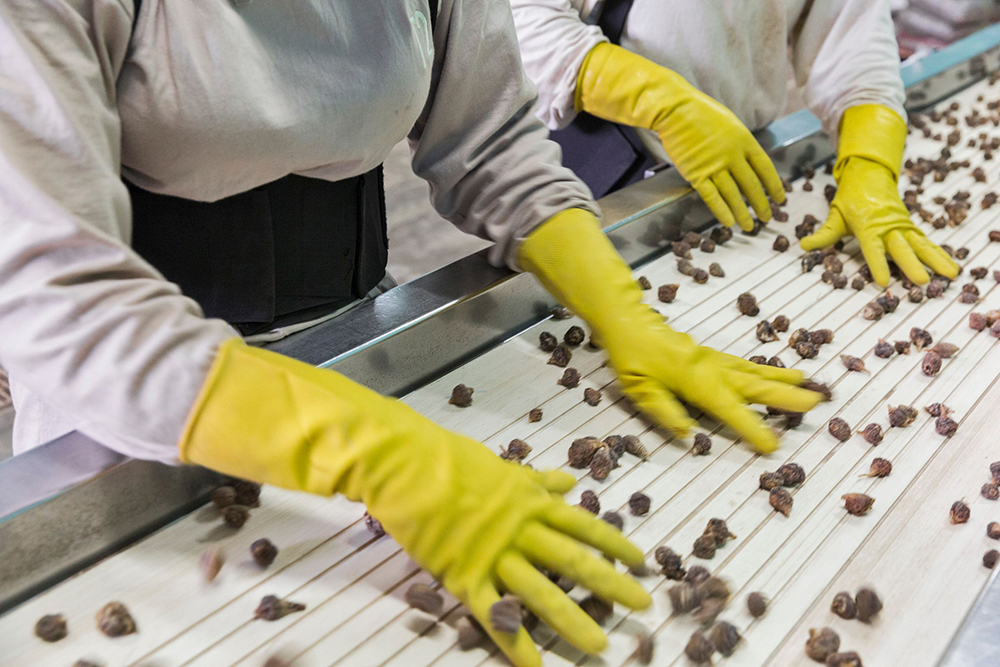
Maca: How We Maintain Freshness & Integrity
Purity is only half of the equation. For maca to deliver its full benefits, it must also be fresh, stable, and protected all the way to your kitchen. We focus on four key areas:
1. Shelf Testing
Before approving a product line, we conduct:
- Stability and shelf-life tests on representative lots
- Monitoring of sensory qualities (aroma, flavor, color) over time
- Checks for moisture migration or caking tendencies
These tests inform our “best by” dates and storage recommendations so that the maca you buy is still vibrant and effective by the time you use it.
2. Moisture Control
Maca is naturally hygroscopic — it will absorb moisture from the air if not protected. To prevent this, we:
- Dry maca roots to a precise moisture range before milling
- Use controlled conditions during milling to avoid moisture uptake
- Store bulk powder in sealed, low-humidity environments
- Use moisture-barrier packaging for final products
Moisture control is also monitored during audits and is one of the critical control points in organic and food safety management.
3. Protective Packaging
We use packaging designed to protect maca from:
- Oxygen
- Light
- Moisture
- Excessive handling
This includes:
- Multi-layer pouches or containers with low oxygen and moisture transmission rates
- Bags that can be resealed after opening
- Packaging sized appropriately so product is used within an optimal window
Good packaging isn’t cosmetic — it’s essential for preserving nutrient profile, flavor, and safety.
4. Milling Consistency (Particle Size & Oxidation Control)
We work with processors who mill maca in small batches and control:
- Particle size for consistent texture and mixing
- Heat generation during milling to avoid nutrient damage
- Exposure to air to limit oxidation
This attention to detail helps preserve:
- Aroma and flavor
- Glucosinolates and macamides
- Overall potency and shelf stability
How Our Standards Compare to Typical Supplement Quality
Not all “maca” (or supplements in general) is created equal. Here are some of the ways our approach differs from others:
When you choose our maca, you’re choosing a product held to a stricter standard at every stage.

Why These Specs Matter to Real-World Results
All of these details — organic standards, moisture levels, particle size, zero additives — can sound technical. Here’s why they matter for your actual experience:
- Purity → Less burden on your body, fewer unwanted reactions, and confidence in what you’re taking every day.
- Authentic origin → Maca grown in its native high-altitude environment tends to have a richer nutritional and phytochemical profile.
- Organic, non-GMO practices → Reduce exposure to synthetic agrochemicals and support long-term soil health.
- Good shelf stability → You get the maca you paid for — not a degraded, oxidized version.
- Consistency from lot to lot → You can better understand how maca affects you over time because the product isn’t changing behind the scenes.
- Nutrient density → Quality maca is simply higher in nutrients and often more effective.
High quality is not just an ideal. It is the practical foundation for trustworthy results.
How Certification Happens on the Farms We Work With
Behind every bag of certified organic maca is a rigorous, multi-year process that our partner farms commit to. Organic certification for our maca fields typically includes:
- Clear definition of scope: the certifier documents which plots and which activities (primary production and/or post-harvest handling) are covered.
- Precise mapping of surfaces and plots: community/sector details, coordinates (where applicable), and total certified hectares are recorded.
- A documented organic conversion period: typically at least 36 months without prohibited agrochemicals before a crop can be sold as organic, unless longstanding traditional, input-free management is proven and accepted by the certifier.
An organic management plan for maca that spells out:
- Soil preparation (no burning)
- Approved organic fertilizers only
- Weed control through manual/mechanical methods
- Integrated pest management with permitted biopesticides (if needed)
- Use of certified organic, untreated seed
- Crop rotation and long soil rest (10-year rest recommended after multiple cycles)
Record-keeping systems that track:
- Inputs and their origin
- Field activities (planting, irrigation, weeding, etc.)
- Harvest volumes by plot
- Sales and deliveries for mass balance and traceability
Annual inspections by accredited certifiers may include:
- Field tours and storage checks
- Review of documentation and inputs
- Interviews with farmers and workers
- Possible sampling and lab analysis
- Corrective actions for any non-conformities
Certification isn’t a logo we slap on a bag; it’s an ongoing partnership between farmers, certifiers, and us — with soil, plants, and people at the center.
Explore More Educational Resources
We’ve built one of the most comprehensive maca education libraries available online: → Visit the Maca Education Hub
- → Learn how we test and verify every batch
- → Explore sourcing, sustainability,d and our ethical standards
Your trust matters — and every word we publish is written with that responsibility in mind.