
Maca Sourcing
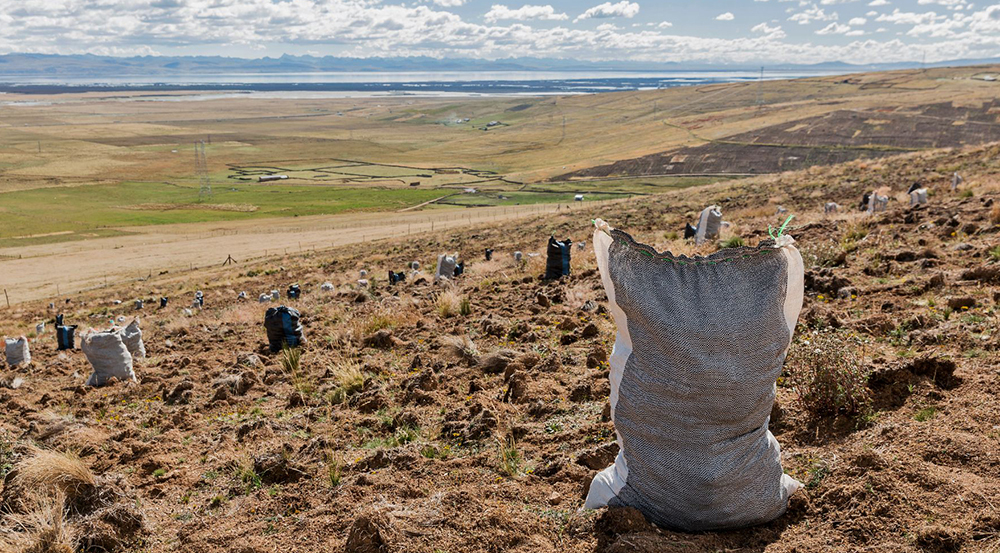
Where Our Maca Grows
Maca thrives only under a very narrow set of conditions — and most of the world’s maca does not meet them. True, high-elevation maca comes from:
- 12,000–14,500 feet above sea level (3,700–4,400 meters)
- Intense UV exposure that supports maca’s unique phytochemical profile
- Nutrient-rich glacial soils found only in the Central Andes
- Natural frost cycles that encourage slow root development
- Seasonal maturation that is never rushed or forced
These factors cannot be recreated at low altitudes or in commercialized growing zones. In fact, when maca has been grown outside of the high Andes, the results have consistently been sub-par.
Here’s a visual comparison:
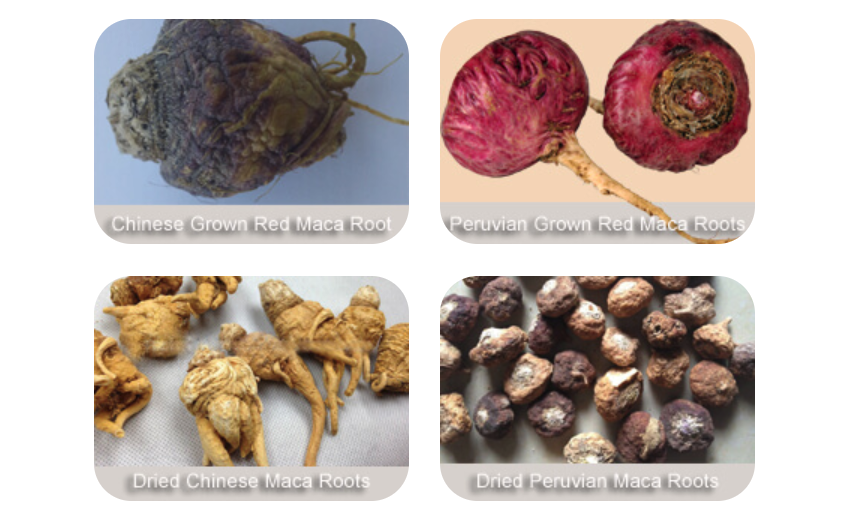
By working directly in the traditional maca heartland, we ensure that every root used in our products develops the full spectrum of nutrients, phytochemicals, and characteristics that have made maca revered for centuries.
Who We Work With
We partner exclusively with:
- Independent family farmers
- Small cooperatives
- Multi-generational growers who steward the land
- Communities that uphold traditional organic methods
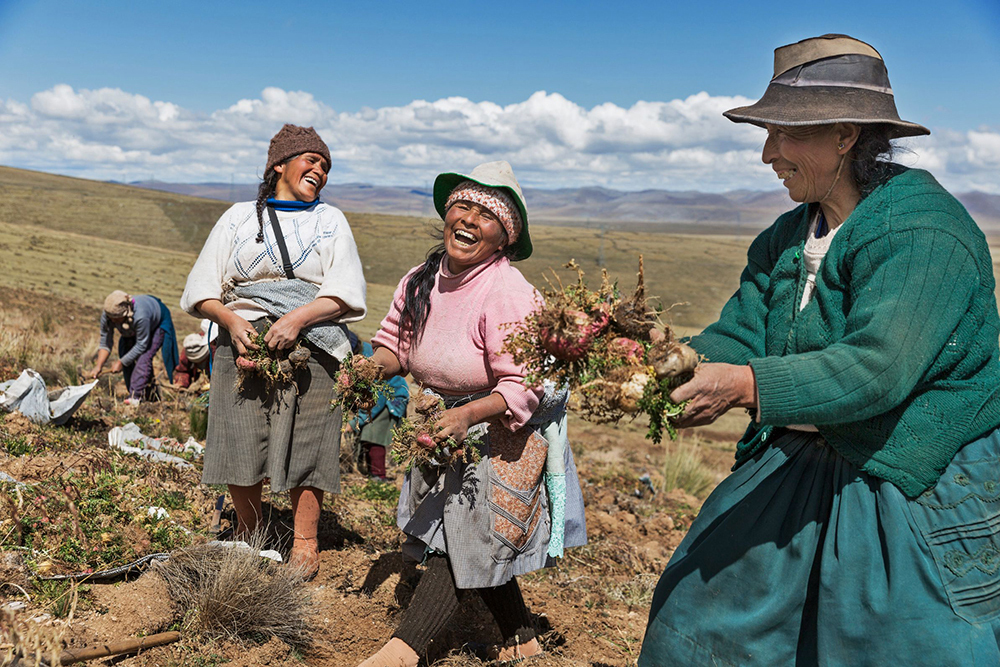
Our partners are not large plantations, anonymous suppliers, or mass farms. They are real families who plant, harvest, dry, and store maca the way their predecessors taught them.
We maintain long-standing relationships, visit regularly, walk the fields with our partners, and share meals in their homes. This isn’t a transactional supply chain — it’s a living collaboration rooted in mutual trust.
How We Support Our Farming Partners
Ethical sourcing is not just about paying for raw materials — it’s about ensuring that our partners can continue farming sustainably for generations.
- Fair, above-market pricing that doesn’t fluctuate with global commodity trends
- Multi-year purchasing agreements that support long-term stability
- Respect for land management traditions, including rotational planting and sacred ecological zones
- Support for cooperative decision-making — not imposed outside systems
- Zero pressure to overplant or rush harvests
We believe maca should be grown at the speed of nature — not the speed of the market.
Traditional Growing & Harvesting Practices
- Fields are rotated every 1–2 years to protect fragile alpine soil
- Maca is hand-sown and spaced with care
- No irrigation, no synthetic fertilizers, no pesticides
- Harvesting only at seasonal maturity peak
- Sun-dried at altitude for 6–8 weeks (low-temperature drying for select premium products)
These practices produce maca with exceptional aroma, nutrient concentration, and purity — qualities that cannot be replicated in fast-cycle or industrialized production.
Why Sourcing Matters
- Nutritional density
- Macamide and glucosinolate profile
- Freshness and shelf stability
- Microbiological safety
- Cultural integrity
- Ethical footprint
For that reason, high-quality sourcing has always been our top priority. We proudly support authentic Andean agriculture, generational knowledge, ethically aligned partnerships, and uncompromising purity — and we believe that makes all the difference in the benefits our customers experience.
Explore Further
Want to see how we verify every batch before it reaches our customers?
→ See our Lab Testing & COAs