
Maca and Circulatory Health
If you're considering adding maca to your diet and are curious about how it may support overall circulatory wellness, you're in the right place. In this article we explore research related to maca, its traditional use as a nutritious food, and how it may fit into a lifestyle focused on cardiovascular and circulatory health.
Circulatory health includes factors such as healthy blood flow, balanced blood pressure, and overall cardiovascular wellness.
Introduction
What Research Says About Maca and Circulatory Health
Customer Experiences
Is Maca Safe To Use When Taking Blood Pressure Medication?
How Much Maca To Take?
Which Maca Root Is Best?
Related Articles
Conclusion
Introduction
Maintaining healthy circulatory function is an important part of overall well-being. Good circulation supports the delivery of oxygen and nutrients throughout the body and is closely connected with cardiovascular health.
One aspect of circulatory wellness is healthy blood pressure. While low blood pressure can occur, elevated blood pressure levels are more common. According to the World Health Organization, nearly 1.3 billion people worldwide live with hypertension.
Many lifestyle habits can help support healthy circulatory health, including:
- Stopping smoking
- Drinking alcohol in moderation
- Regular exercise
- Maintaining a healthy body weight
- Eating a diet rich in fruits, vegetables and fiber
- Reducing stress
- Practicing relaxation and breathing techniques
Doctors may also prescribe medications when appropriate. Some people additionally explore nutritional approaches that support overall cardiovascular wellness.
Maca root, a traditional food from the Andes of Peru, has attracted interest in recent years as researchers explore its nutritional profile and possible role in supporting overall wellness.
This article is for informational purposes only and is not medical advice. Always consult a qualified healthcare professional before making changes to your health routine.
What Research Says About Maca and Circulatory Health
Maca root has been consumed for thousands of years by indigenous communities in Peru, particularly in high-altitude regions. In recent decades, researchers have begun studying maca for its nutritional properties and potential effects on overall health.
Several studies have explored how maca consumption may relate to cardiovascular and circulatory markers:
- A 2006 study followed perimenopausal women for four months and observed several changes in wellness markers among participants consuming maca.
- A 2010 study examining populations living in regions where maca is traditionally consumed found differences in blood pressure measurements between maca consumers and non-consumers.
- A 2014 study involving postmenopausal women noted improvements in certain well-being indicators during maca consumption.
- A 2013 study investigated inflammatory markers and general health indicators among high-altitude populations who regularly consumed maca.
- Additional laboratory studies using animal models have also explored potential relationships between maca consumption and cardiovascular markers.
While these findings are interesting, more research is needed to better understand how maca may influence overall circulatory and cardiovascular wellness.
Customer Experiences
The comments below reflect individual customer experiences with including maca as part of a daily routine. Results may vary.
“I added maca to my morning smoothie and really enjoy the steady energy it seems to support throughout the day.” – Carol C.
“I’ve been using red maca for several months and appreciate how it fits into my daily wellness routine.” – Candice J.
“I enjoy adding maca to my coffee each morning. It has become a simple part of my daily nutrition.” – J.D.
“Maca has become one of my favorite superfoods to include in smoothies.” – Richard M.
Read more customer experiences with maca…
Is Maca Safe To Use When Taking Blood Pressure Medication?
This is a question we often receive. Maca is a traditional food rather than a pharmaceutical drug. However, anyone taking medications should always consult their healthcare provider before adding new foods or supplements to their routine.
If you are monitoring your blood pressure regularly, your healthcare professional can help determine what dietary choices are appropriate for your individual situation.
How Much Maca To Take?
The amount of maca people choose to consume varies depending on age, body size and personal preference.
A typical starting amount is:
- 3 grams (about 1 teaspoon) per day
- Up to 6 grams (about 2 teaspoons) per day
For more detailed guidance please see our Maca Dosage Guide.
Which Maca Root Is Best?
Many people new to maca start with red maca varieties. Gelatinized (pre-cooked) maca is often preferred because it may be easier to digest.
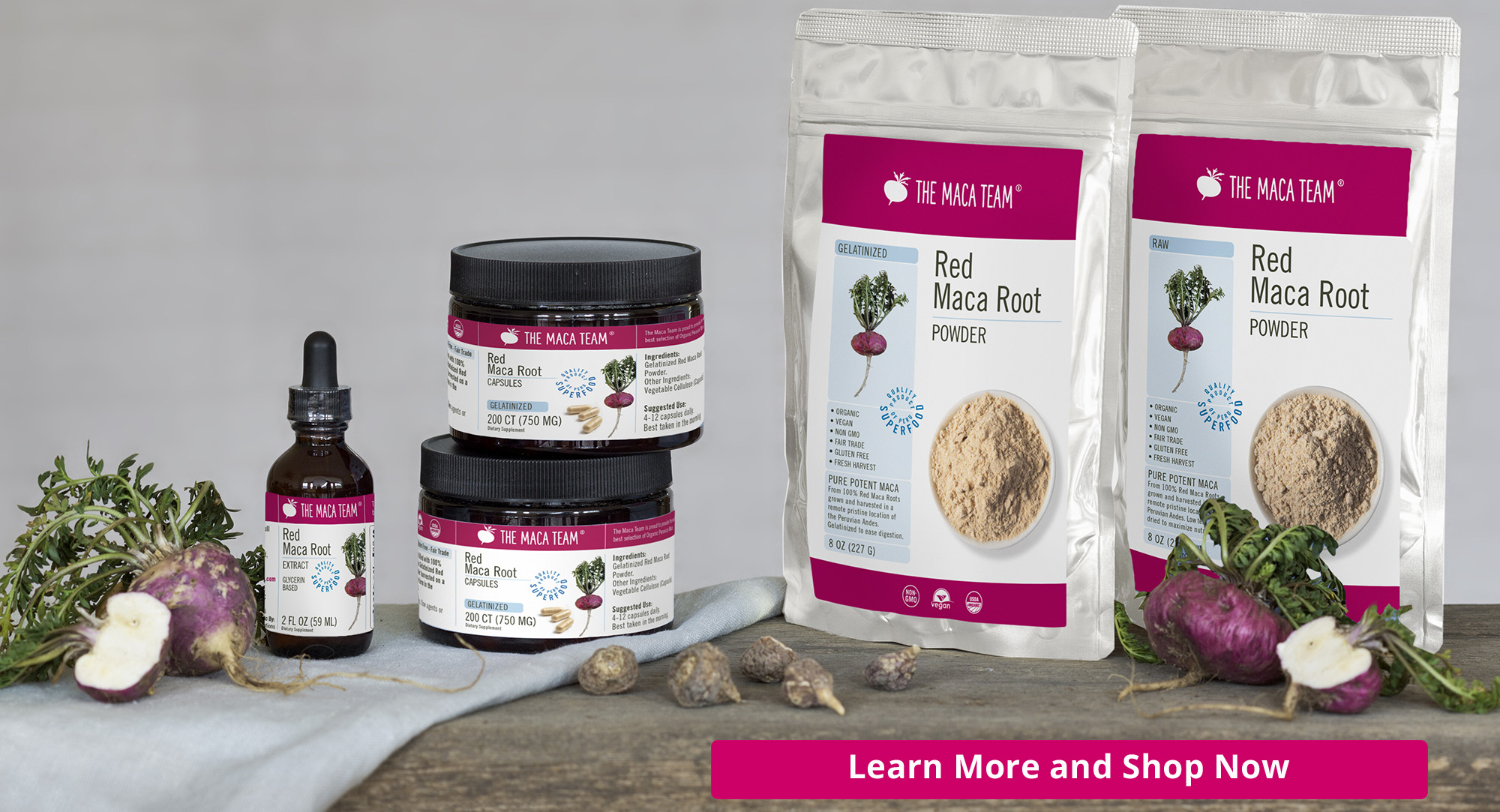
You can also use our Maca Finder to help identify which type may best match your lifestyle.
Related Articles
- Maca and Stress Balance
- Maca and Natural Energy
- Maca and Nutritional Benefits
- Maca and Hormonal Balance
- Maca and Sleep Support
- Maca and Cognitive Health
- Maca and Vitality
- Red Maca: Benefits and Uses
- Black Maca: Benefits and Uses
Conclusion
Maca root has been consumed for generations as a nourishing food. Today many people include it in their diets as part of a wellness routine focused on energy, vitality and balanced nutrition.
When combined with healthy lifestyle habits such as regular exercise, balanced nutrition and stress management, maca can be a simple way to incorporate a traditional Andean superfood into your daily routine.
Learn more about maca benefits >