
Maca Comparisons
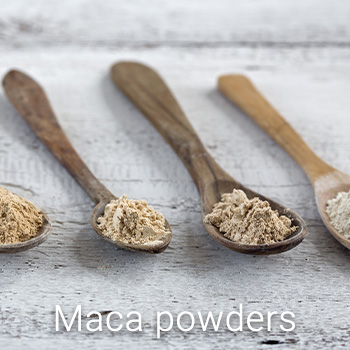
How Maca Compares to Caffeine, Ginseng, Ashwagandha, and Other Superfoods
When people first discover maca, one of the most common questions is not just what maca is, but how maca compares.
That is a reasonable place to start. Many people looking at maca are also considering coffee, caffeine, ginseng, ashwagandha, or other popular superfoods. They are usually trying to solve a similar problem: they want better energy, better focus, a better morning routine, or a more balanced way to support everyday wellness.
This page is here to help with that.
Rather than trying to claim that maca is “better” than everything else, the goal is to make the differences clearer so you can decide what fits your routine, preferences, and priorities.
Quick Comparison Chart
If you want a fast overview first, this chart is the easiest place to begin.
| Comparison | Often Chosen For | General Feel | Best Next Page |
|---|---|---|---|
| Maca vs. Other Superfoods | Broad daily wellness support | Food-based, practical, routine-friendly | Maca vs. Other Superfoods |
| Maca vs. Ginseng | Vitality, stamina, energy | Whole-food daily support vs. classic herbal tonic | Maca vs. Ginseng |
| Maca vs. Ashwagandha | Stress, balance, resilience | Daytime momentum vs. more grounding/calm support | Maca vs. Ashwagandha |
| Maca vs. Caffeine | Morning energy and routine | Steadier support vs. quicker stimulant effect | Maca vs. Caffeine |
| Maca Coffee vs. Coffee | Morning beverage ritual | Different feel and ritual, not the same experience | Is Maca a Coffee Substitute? |
| Maca vs. Matcha and Other Alternatives | Beverage alternatives and broader wellness shopping | Different roles, not interchangeable | Which Is Better: Matcha or Maca? |
What Makes Maca Different?
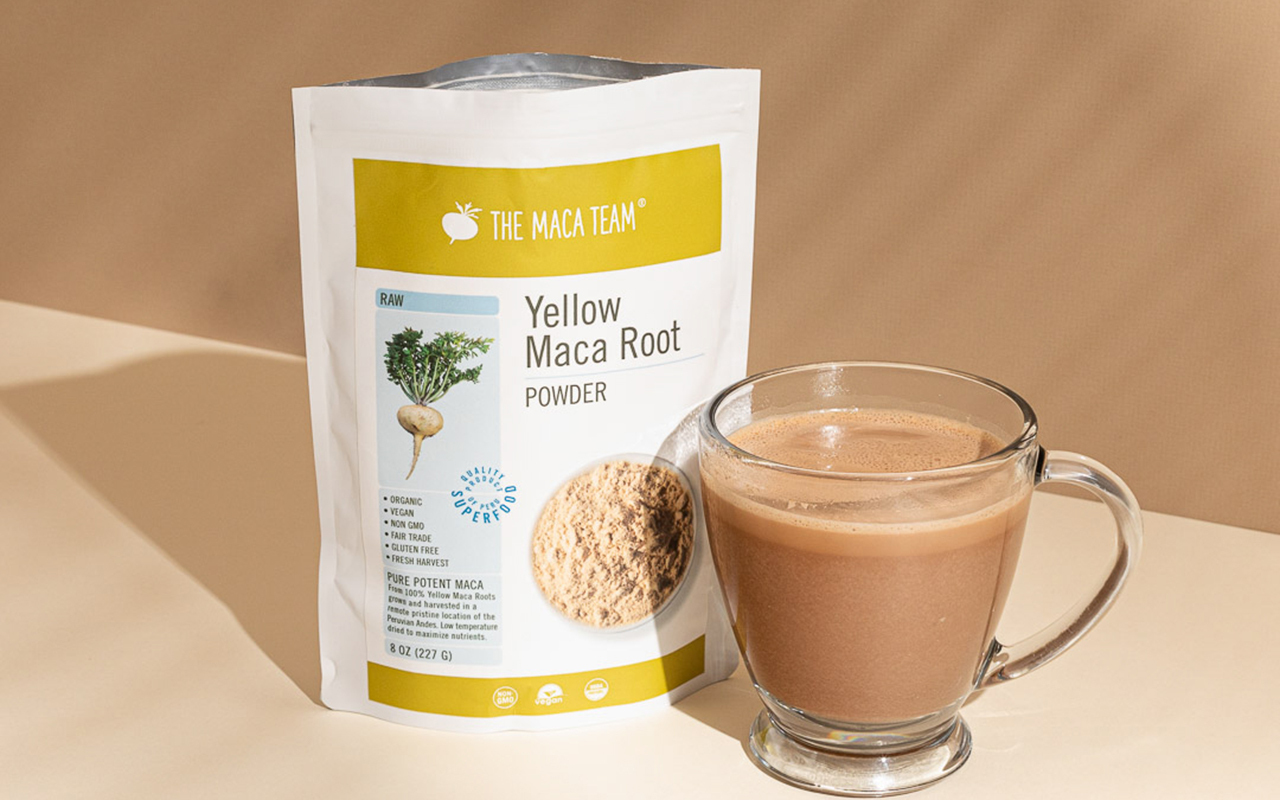
Maca is a root grown in the high Andes of Peru. Unlike stimulant-based products, maca is usually chosen for a steadier kind of support. People often use it as part of a daily routine centered around energy, vitality, resilience, nourishment, and overall balance.
That is one reason maca gets compared to so many different products. It does not fit neatly into just one category.
Some people compare maca to caffeine because they want energy without such a sharp spike. Some compare it to ashwagandha because both are discussed in conversations about stress and adaptogens. Some compare it to ginseng because both are associated with stamina and performance. Others compare it to broader “superfoods” because they want to understand what makes maca worth adding in the first place.
Maca can sit in all of those conversations, but it still has its own place.
Maca vs. Other Superfoods
The word superfood gets used very broadly. It can describe everything from greens powders to berries to roots, seeds, and plant blends. That is why this comparison matters.
Maca stands out because it is not just a trend ingredient added for label appeal. It has a long traditional history of use, a distinctive nutritional profile, and a role that feels especially practical in daily life. It is easy to add to smoothies, oatmeal, yogurt, baking, and warm drinks, so for many people it becomes a routine food rather than an occasional supplement.
Compared with many other superfoods, maca is often chosen less for a single buzzword benefit and more for its overall feel in a routine. It tends to appeal to people who want support that feels broader and more sustainable rather than narrowly targeted.
If you are asking, “Why maca instead of just another superfood powder?” this is usually the best place to begin.
Maca vs. Ginseng
Maca and ginseng are often compared because both are associated with energy, stamina, and general vitality.
That said, they are not the same kind of product. Ginseng is more commonly thought of as a classic herbal stimulant-tonic. Maca, by contrast, is a whole food from Peru that many people describe as fitting more naturally into a daily nourishment routine.
For someone choosing between the two, the real question is often about the kind of support they want. If they want a traditional root food that can be used daily in drinks and food, maca may feel like the more natural fit. If they are looking for a more classic herb-centered energy product, they may gravitate toward ginseng.
This comparison page should not force the issue too hard. It works better when it helps the reader understand that these are related, but not interchangeable, choices.
Maca vs. Ashwagandha
Maca and ashwagandha are frequently mentioned together because both come up in discussions about stress, balance, and adaptogens.
But people often choose them for different reasons.
Ashwagandha is commonly associated with calm, relaxation, and evening-oriented support. Maca is more often chosen for daytime use, steady energy, resilience, vitality, and overall daily nourishment. That does not mean one is “for stress” and one is “for energy” in a simplistic sense, but it does reflect the way many people tend to use them.
If you are deciding between maca and ashwagandha, it helps to ask a simple question: are you looking for something that feels more grounding and calming, or something that feels more supportive of momentum, stamina, and daytime energy?
That question usually points people in the right direction.
Maca vs. Caffeine
This is one of the most useful comparisons on the entire site because it connects directly to everyday life.
Caffeine is familiar. It works quickly. Many people rely on it for alertness, focus, and a sense of momentum first thing in the morning. But for some people, that quick lift also comes with downsides, including jitters, overstimulation, digestive discomfort, or an afternoon crash.
Maca is different.
Maca is not caffeine, and it does not act like a stimulant. That is important to say clearly. People who choose maca instead of caffeine are usually not looking for the exact same effect. They are often looking for a gentler, steadier way to support energy as part of a broader routine.
So the comparison is not really “Which one is stronger?” It is more often, “Which kind of morning do you want?”
If you want a sharp jolt, caffeine may still be your answer. If you want something that feels more even and food-based, maca may be worth exploring.
Maca Coffee vs. Coffee
This comparison deserves its own section because many readers are not just comparing ingredients. They are comparing rituals.
For a lot of people, coffee is not only about caffeine. It is also about comfort, habit, flavor, and having a morning routine that feels familiar. That is where maca coffee or maca-based coffee alternatives come in.
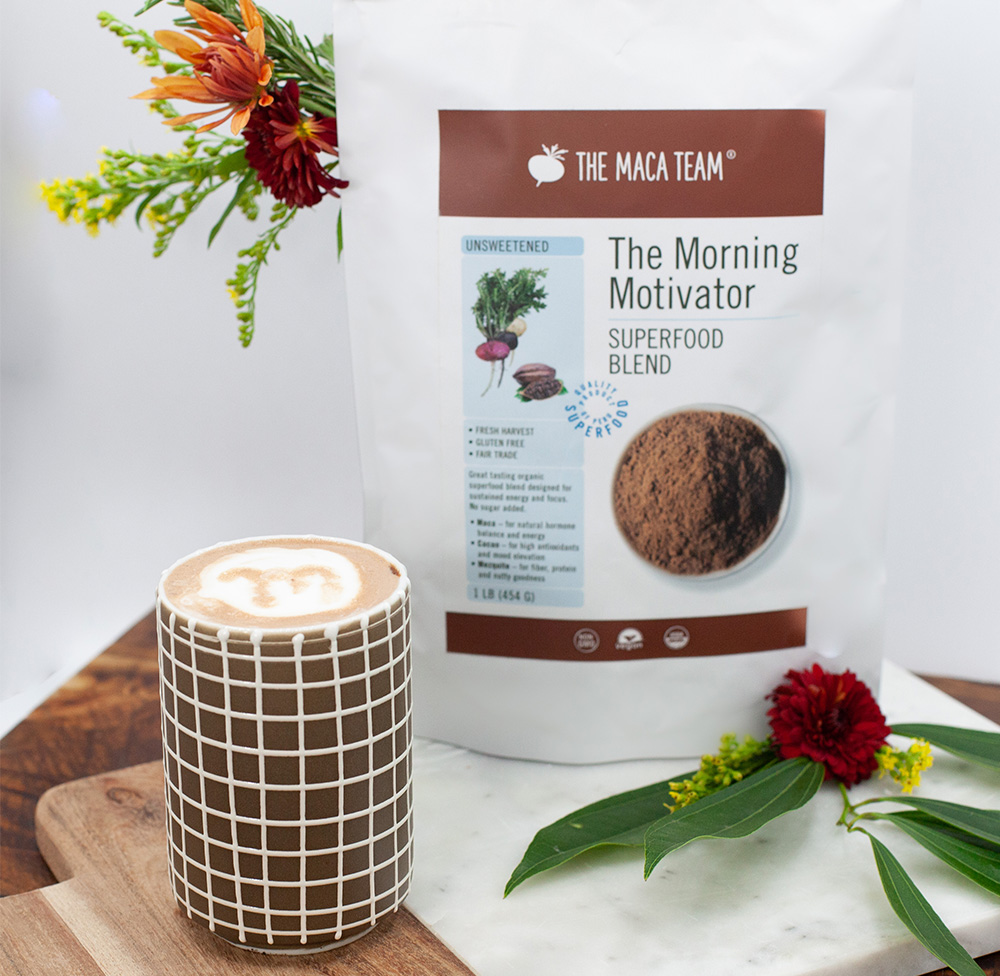
Maca coffee is not traditional brewed coffee. It is better described as a coffee alternative or coffee-style morning beverage built around maca. People tend to choose it when they want a warm, satisfying start to the day without building their routine entirely around caffeine.
This page should not overpromise here. It is better to be direct:
Coffee is coffee.
Maca coffee is something different.
But for the right person, “different” is exactly the point.
If someone wants the ritual of a morning cup with a different feel, maca coffee can make sense. If they want the unmistakable effect and flavor profile of regular coffee, then regular coffee may still be the better fit.
Suggested deeper page: Is Maca a Coffee Substitute?
Suggested deeper page: What’s In Our Maca Coffee?
Maca vs. Matcha and Other Alternatives
Some readers are also comparing maca with matcha, greens powders, or other wellness products that sit somewhere between beverage and supplement.
That is another useful distinction.
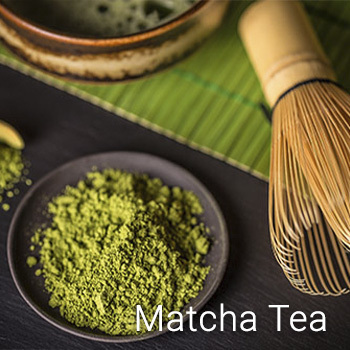
Matcha still belongs in the caffeine conversation, even if it often feels smoother than coffee. Maca does not. Greens powders may be chosen for concentrated plant nutrition, but they usually do not play the same role as maca in a morning routine. Other superfood blends may offer variety, but they often do not have the same traditional identity or the same specific association with energy, vitality, and balance.
In other words, people may group these products together when shopping, but they are not all trying to do the same thing.
This is why comparison content matters. It helps readers stop treating every wellness ingredient as interchangeable.
Which Comparison Should You Read First?
- If your main question is about energy, start with Maca vs. Caffeine.
- If your main question is about adaptogens or stress support, start with Maca vs. Ashwagandha.
- If your main question is about traditional herbal energy alternatives, start with Maca vs. Ginseng.
- If your main question is about morning beverages, start with Maca Coffee vs. Coffee.
- If your main question is broader — “Why maca at all?” — start with Maca vs. Other Superfoods.Frequently Asked Questions
Is maca better than caffeine?
Not necessarily. They do different things. Caffeine is a stimulant with a quicker, more immediate feel. Maca is a root food people often use for steadier daily support. Which one is “better” depends on the kind of effect and routine you want.
Is maca the same as ginseng?
No. They are both commonly associated with vitality and energy, but they come from different traditions and are used differently. Maca is a Peruvian root food, while ginseng is an herb more commonly used in traditional herbal systems.
Is maca the same as ashwagandha?
No. Both are often discussed in adaptogen conversations, but they are usually chosen for different reasons. Ashwagandha is more often associated with calm and relaxation, while maca is more often chosen for daytime vitality, steady energy, and general daily support.
Can maca replace coffee?
For some people, yes. For others, no. It depends on what they want from coffee. If the main goal is ritual, warmth, and a more balanced start to the day, maca coffee may be a good alternative. If the goal is the specific stimulation of caffeine, the experience will not be the same.
What makes maca unique among superfoods?
Maca stands out because it combines traditional use, versatility, and a strong fit for daily routines. It is easy to use in food and drinks and is often chosen for energy, vitality, and balance rather than being limited to one narrow use case.
Final Thoughts
Maca does not need to be identical to coffee, ginseng, ashwagandha, or every other superfood to be worth considering.
In many ways, that is exactly why people choose it.
Maca has its own place. It offers a different kind of daily support, a different feel, and a different role in a routine. For some people, that makes it a better fit. For others, it becomes part of a broader mix.
The most useful next step is simple: choose the comparison that best matches your question, then keep exploring from there.
Continue Reading the Maca Guide
Comparisons are a helpful starting point, but they are only one part of understanding maca. To get a fuller picture, explore the rest of our guide covering benefits, how maca works, types, forms, and how to choose the right product for your routine.
- Maca Guide – Start with the full guide overview.
- Maca Benefits – Learn more about maca’s broader wellness uses.
- How Maca Works – Understand the bigger picture behind how maca fits into a daily routine.
- Which Maca Is Best? – Compare types, colors, and use cases.
- Who Is Maca For? – See whether maca is a good fit for your goals and lifestyle.