

What to Expect When You Start Taking Maca (Week-by-Week)
What to Expect When You Start Taking Maca (Week-by-Week)
If you have just started taking maca, you may be wondering when you are supposed to notice something. A few days? A week? A month? The honest answer is that maca usually does not feel dramatic or immediate. For many people, it is more gradual than that.
That is one reason it helps to think of maca as a food rather than a quick-effect supplement. Maca root has long been used in Peru as a nourishing high-altitude food, and many people find that their experience with it is easier to understand through consistency, observation, and patience rather than expectations of an instant result.

Before You Start: Keep It Simple
Before looking at the timeline, it helps to begin maca in a steady, uncomplicated way. If you change too many things at once, it becomes harder to tell how maca is actually fitting into your routine.
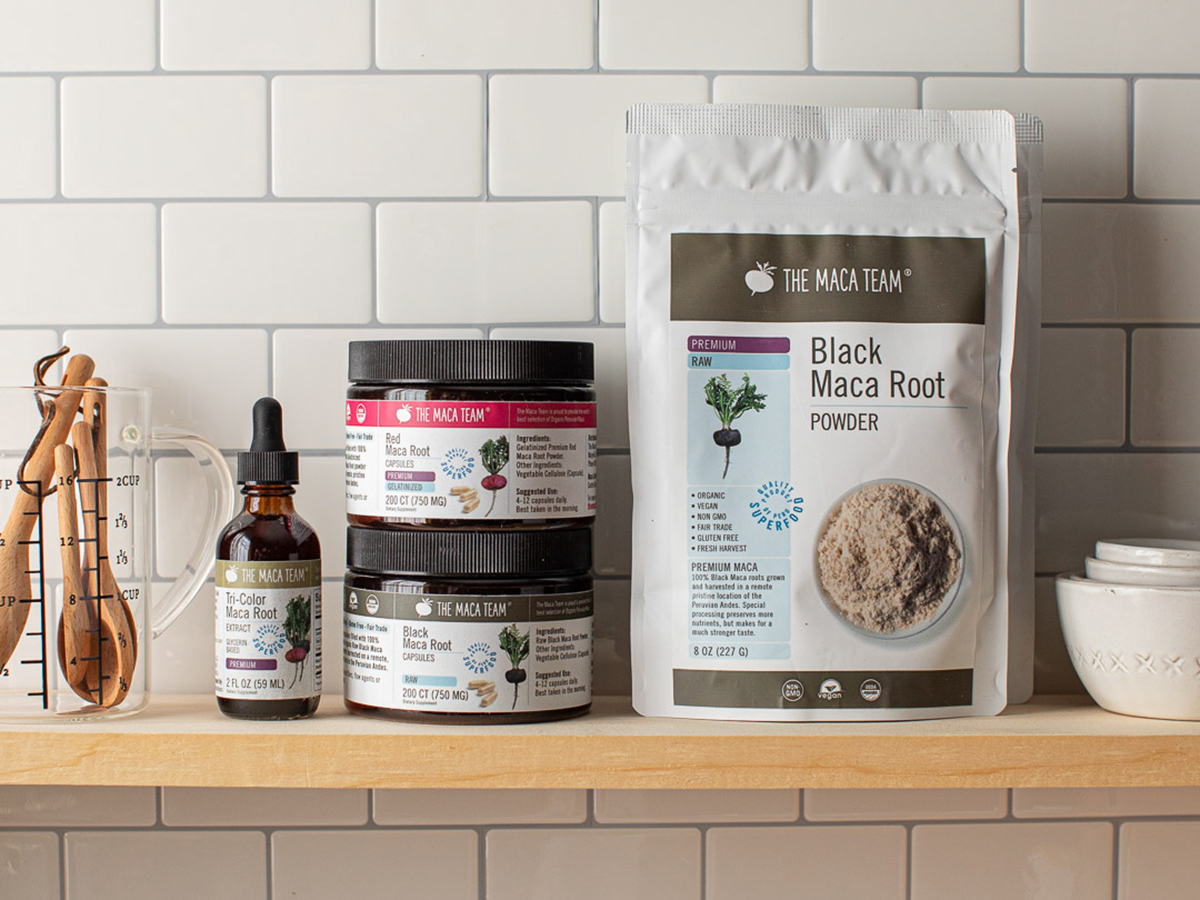
For many people, the best approach is to start with a modest daily amount (1-2 grams of maca)and stay consistent. Powder works well in smoothies, oatmeal, or yogurt, while capsules are often the easiest option for convenience. If digestion is a concern, gelatinized maca may be easier to tolerate than raw maca because much of the starch has been rendered intert in processing.
- Start with the suggested dosage or a bit less
- Take it daily rather than sporadically
- Choose a form that fits your digestion and routine
- Pay attention to overall patterns rather than single-day impressions
You can learn more here:
Week 1: Usually a Beginning, Not a Breakthrough
During the first week, many people notice very little. That is normal. In fact, one of the most useful expectations to have is that maca may not feel dramatic at all in the beginning.
Some people notice small early impressions such as:
- a subtle sense of steadier energy
- slight warmth or alertness
- a mild digestive adjustment, especially with raw maca
Others notice nothing at all for the first several days. That does not necessarily mean maca is not a fit. Often, week one is simply the start of a new routine.
Very little may happen at first. That is not unusual.
Week 2: Subtle Patterns May Start to Show
By the second week, some people begin to notice small shifts that were not obvious at first. These are usually not dramatic changes. They are more often subtle impressions that become clearer when looking back over several days.
Some people describe:
- a more even feeling across the day
- less of an afternoon dip
- a general sense of steadiness
Just as important, many people still do not notice much by week two. Maca does not always present itself as a clear “before and after” moment. Sometimes the only noticeable change is that daily life feels a little more even in hindsight.
Week 3: Consistency Becomes More Important
By the third week, the main question is often less “Did I feel something dramatic?” and more “Does this seem to fit well into my routine?” People who are taking maca daily are usually in a better position to judge that than people using it only occasionally.
This is a good point to step back and ask:
- Do I feel more steady than I did a few weeks ago?
- Does this form of maca seem to sit well with me?
- Have I been consistent enough to judge it fairly?
If you have been taking maca only now and then, week three may still feel like the beginning. Maca is usually easier to evaluate through regular use than through scattered use.
Week 4: A Better Point for Evaluation
By the end of the first month, patterns are often easier to notice. People who respond well to maca often describe the experience in broad terms: a steadier rhythm, a more even routine, or a sense that daily use feels supportive over time. Read more about maca benefits.
That is why the first month is usually a better evaluation point than the first few days. Instead of looking for a sudden “kick,” it often makes more sense to ask whether steady use seems to support a more consistent overall rhythm.
At this point, some people also decide to adjust their approach. They may lower or raise the amount slightly, switch from powder to capsules, or try a different form such as raw vs. gelatinized maca. Others may decide maca simply is not standing out enough to continue. That is also a useful conclusion.
This is often the first point where it makes sense to assess maca fairly.
After 1 to 2 Months: A Longer-Term Read
For people who continue beyond the first month, maca is often experienced as cumulative rather than immediate. That does not mean everyone feels the same thing. It means that, for many people, the value of maca is tied more to routine than intensity.
People who continue may find that:
- daily use feels more meaningful than occasional use
- their preferred amount becomes clearer over time
- their preferred form becomes easier to identify
- the most noticeable differences are broad and gradual rather than dramatic
Others may conclude that maca does not feel significant enough to continue. Not every food or supplement stands out for every person.
Why Experiences with Maca Differ
One reason maca can seem inconsistent from person to person is that there are several variables involved. Two people can both say they “tried maca” while using different amounts, different forms, different products, and very different routines.
- different serving sizes
- inconsistent daily use
- different forms such as powder, capsules, raw, or gelatinized
- differences in digestion and tolerance
- differences in sleep, diet, stress, and baseline routine
- expecting an immediate or dramatic effect
- differences in product quality and freshness
That is why choosing the right type of maca matters. If you are still sorting through those options, these guides may help:
Common Mistakes When Starting Maca
Some disappointing experiences with maca come less from maca itself and more from how it is introduced. A few common mistakes can make it harder to evaluate fairly.
- Starting at a high serving size: Taking too much at once can make digestion and comfort harder to judge.
- Using it inconsistently: Occasional use makes patterns harder to notice.
- Expecting immediate results: Maca is usually better understood as gradual and food-like.
- Choosing the wrong form: Some people do better with gelatinized maca if raw maca feels heavy or harder to digest.
- Stopping too early: A few days is often not enough time to form a fair impression.
How to Give Maca a Fair Trial
If you want to evaluate maca realistically, keep the process simple. Rather than watching for a dramatic moment, look for overall patterns across a few weeks.
A fair trial usually means:
- taking it daily for several weeks
- keeping the form and serving size relatively consistent
- adjusting only when needed
- not judging everything by a single day
Some people find it helpful to make a few brief notes during the first month. Not because maca should become complicated, but because subtle changes are easier to notice when written down rather than guessed at later.
FAQ: Starting Maca
How long does maca take to work?
It depends on the person. Some people notice subtle patterns within the first couple of weeks, while others need longer to decide whether maca feels meaningful in their routine. Maca is often gradual rather than immediate.
Is it normal to feel nothing at first?
Yes. Many people notice very little during the first week or two. That is one reason consistent use over time is often more helpful than judging it too quickly.
Should I take maca every day?
Many people prefer daily use when they are first evaluating maca, since consistency makes patterns easier to notice. Occasional use can make the experience harder to assess.
What if maca upsets my stomach?
If digestion is an issue, consider starting with a smaller amount or trying gelatinized maca instead of raw maca. You can also review our guide on avoiding digestive discomfort with maca.
What if I still feel nothing after a month?
That can happen. Some people may want to review serving size, consistency, form, and product quality before deciding. Others may simply conclude that maca is not especially noticeable for them.
Final Thoughts
If you are just starting maca, it helps to approach it with realistic expectations. For many people, the first month is less about dramatic change and more about noticing whether steady daily use seems to support a more even overall rhythm.
That is part of why maca is often best approached as a traditional food and daily practice rather than a fast-acting solution. Start simply, stay consistent, and observe your experience over time.
Next Steps
Continue exploring maca with these guides:
Recent Maca Posts
-

Getting Acquainted With Maca: Why It Can Be an Acquired Taste
There are some foods and flavors you try for the first time and immediately love. Others take a litt …11th Oct 2026 -

The Case for Keeping Maca in Your Pantry
Every kitchen has those ingredients that seem to find their way into everything. Maybe it's cinnamon …2nd Oct 2026 -

The Flavor of Maca: What Does Peruvian Maca Actually Taste Like?
If you've never tasted maca before, you may be wondering what to expect. Is it sweet? Nutty? Earthy? …27th Sep 2026