
Bringing More Intention to Your Everyday Life with Maca Root
Modern life can make it difficult to slow down and appreciate the little things. Between work responsibilities, household tasks, errands, and endless notifications, many people

Compare red, black, yellow and tri-color maca, including their taste, approximate harvest share, traditional differences and practical tips for choosing a maca color.
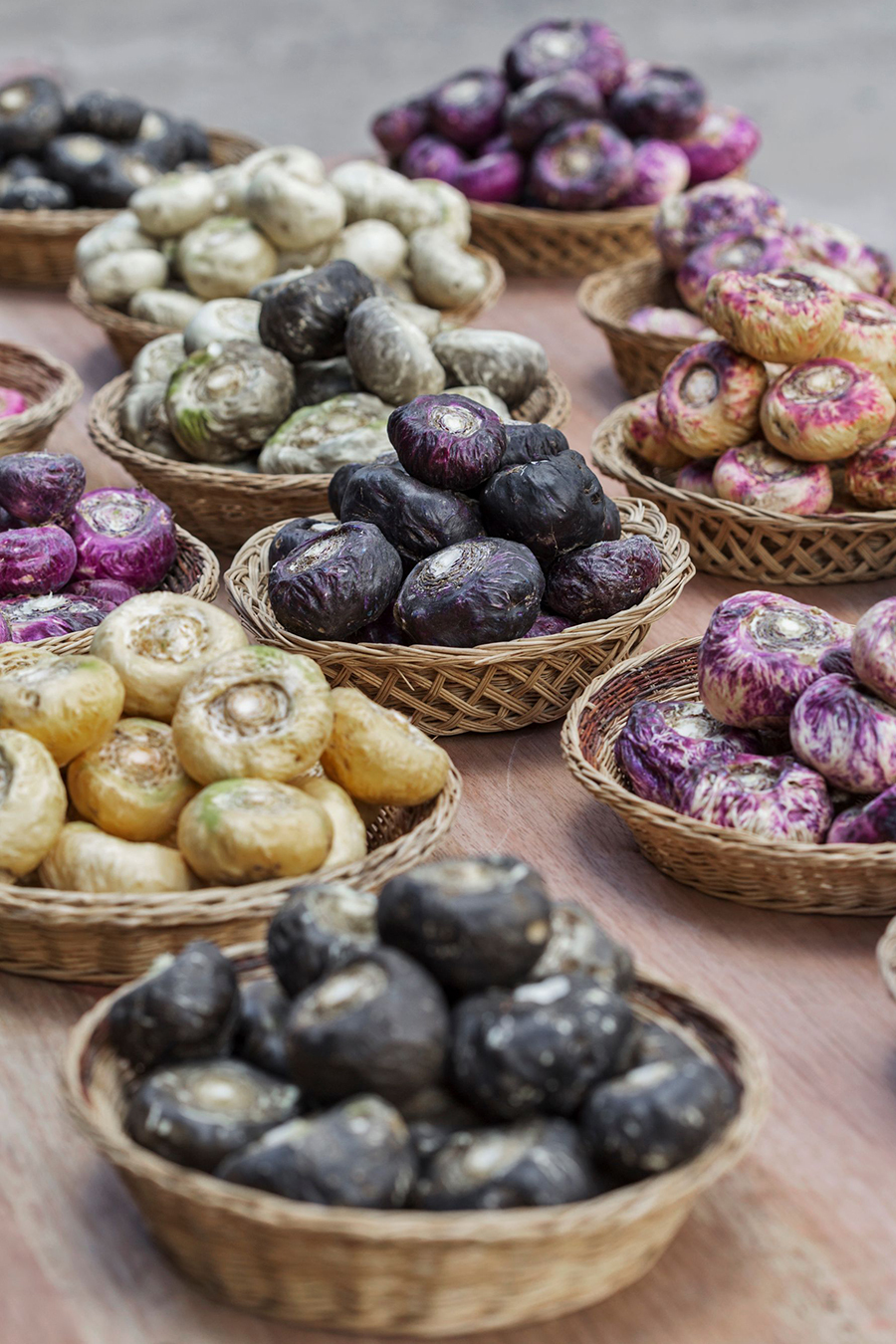
If you are new to maca, one of the first things you’ll notice is that it is sold in different colors.
That naturally leads to the question: what is the difference between red, black and yellow maca?
The simple answer is that all three come from the same species of plant, maca root (Lepidium meyenii), but each has its own character. Then there is tri-color maca, which is simply a blend of red, black and yellow maca.
Choosing between colors does not have to be difficult. This page introduces the main maca colors, explains the tri-color blend and helps you get a feel for where to start.
This guide is part of our broader What Is Maca? resource. If you are new to maca and want to understand the root itself, its origin, forms and traditional use before comparing colors, start there.
There is no single maca color that is best for everyone.
Yellow maca is the most common and is an easy everyday starting point. Red maca has a somewhat sweeter taste and is often chosen by people who want to explore a specific color. Black maca is the rarest and has a strong traditional association with stamina and vitality. Tri-color maca combines all three and is one of the simplest options for beginners.
In our experience, choosing a high-quality, organically grown Peruvian maca that fits your routine is generally more important than worrying about finding the “perfect” color from the beginning.
The three main maca colors do not occur in equal amounts in the harvest. Yellow maca is the most common, followed by red and then black. Tri-color maca is a traditional blend of the three.
| Maca Type | Simple Description | Approximate Harvest Share / Note | Often a Good Fit If… |
|---|---|---|---|
| Yellow Maca | Balanced and approachable | About 60% of the harvest | You want an easy everyday starting point |
| Red Maca | Sweeter taste and distinct phytonutrient profile | About 25% of the harvest | You want to explore a specific maca color |
| Black Maca | Stronger identity and traditional association with stamina | About 15% of the harvest | You are especially interested in energy and vitality |
| Tri-Color Maca | Blend of red, black and yellow | Traditional blend of the three main maca colors | You want a broad, beginner-friendly introduction |
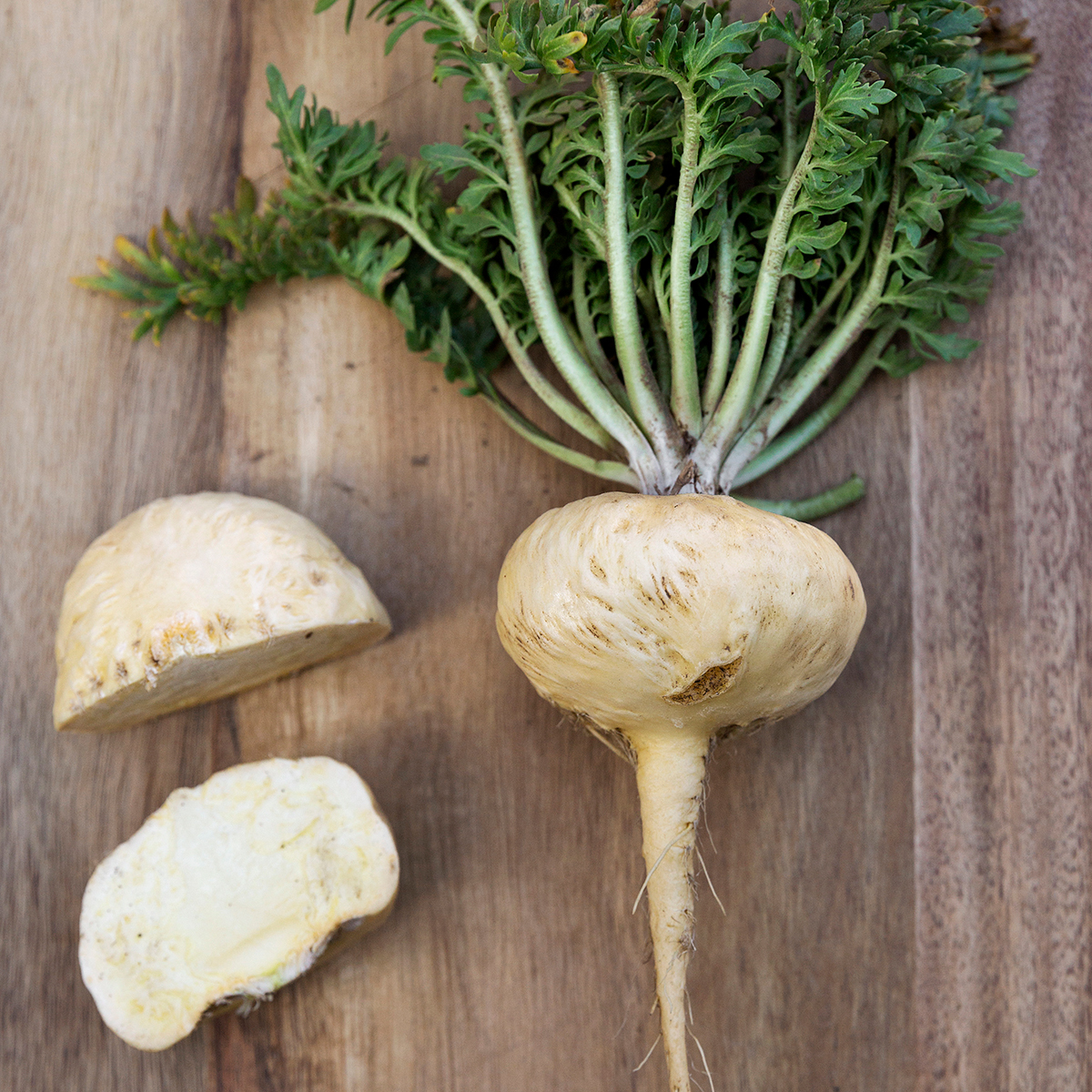
Yellow maca is the most common of the main maca colors and is a starting choice for many people. Because it makes up the largest share of the harvest, it is also generally less expensive than red or black maca.
Yellow maca may be a good fit if you want:
For someone who simply wants to try maca without overthinking color, yellow maca is a very reasonable starting point.
Want to dig into the research? See our Yellow Maca Benefits guide.
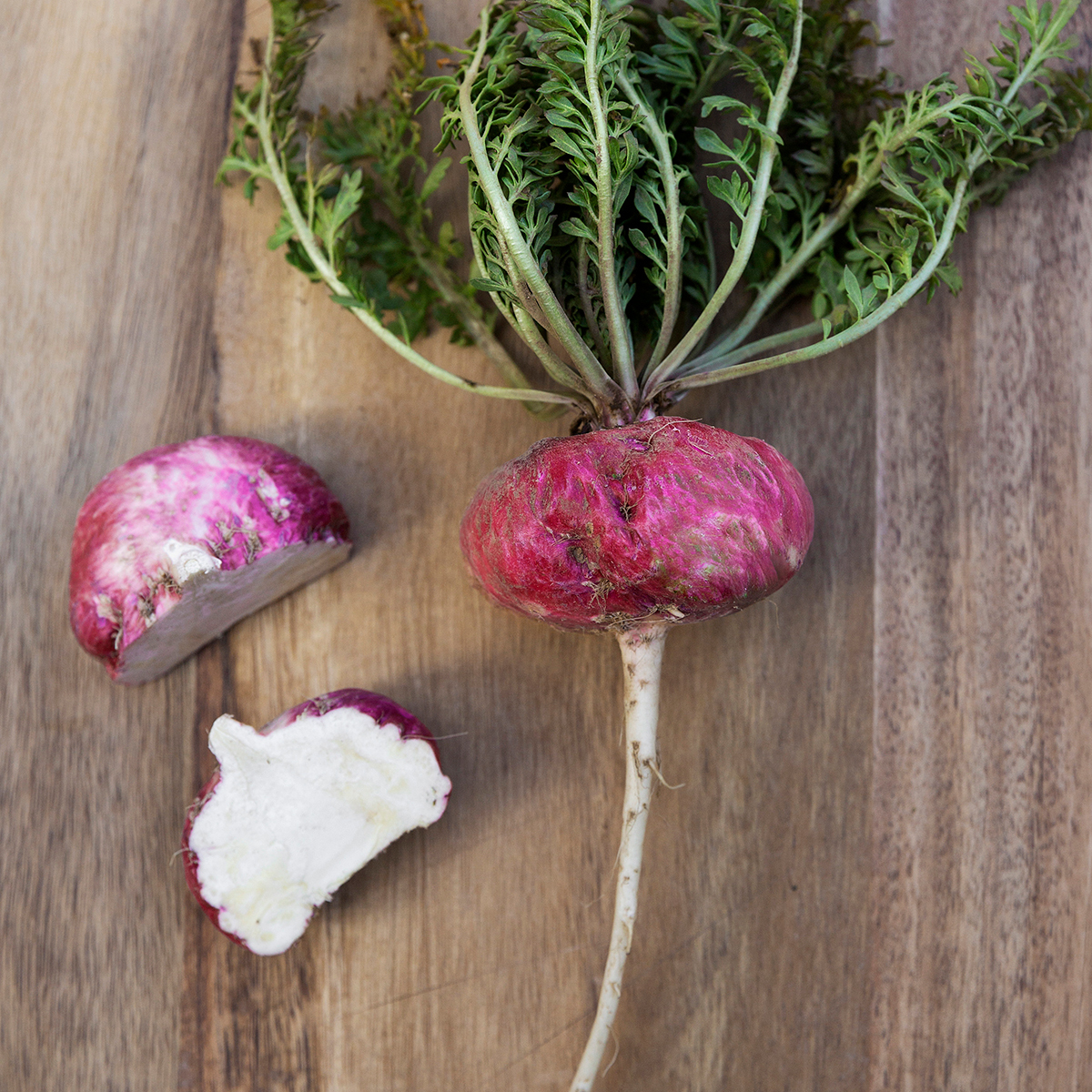
Red maca products have traditionally been among our top sellers. Red maca makes up roughly 25% of the maca harvest and has a character of its own.
Red maca tends to be somewhat sweeter in taste, and some research has indicated differences in its phytonutrient profile compared with other maca colors.
For many people, red maca becomes a favorite from the start. Others explore it after becoming familiar with yellow maca or a tri-color blend. Either approach is fine.
Red maca often appeals to people who want to move beyond the most general beginner choice and explore a specific maca color more intentionally.
Red maca may be a good fit if you want:
For a closer look at the science, see our Red Maca Benefits guide.
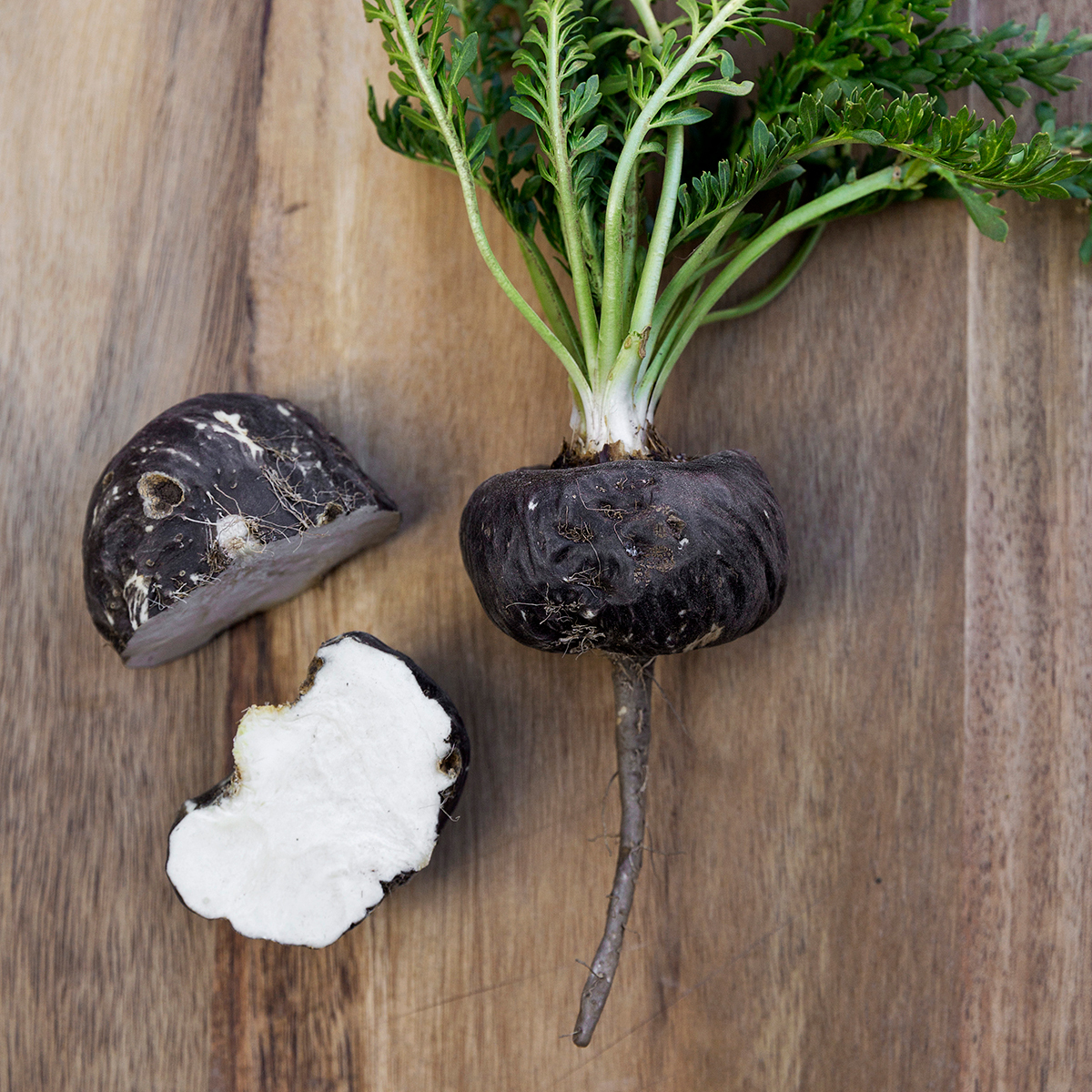
Black maca is often the color people ask about first, even though it is the rarest of the three main colors and makes up roughly 15% of the harvest.
It has a strong reputation and a loyal following. Black maca is particularly associated with energy, stamina, strength and overall vitality.
Although black maca is sometimes described informally as “maca for men,” both men and women use it.
Some people start with black maca from the beginning. Others come to it later after trying yellow maca or a blend. Either way, black maca is often chosen by people who want to become more intentional about exploring differences among maca colors.
Black maca may be a good fit if you want:
For a deeper look at human, animal and laboratory research, see our Black Maca Benefits guide.
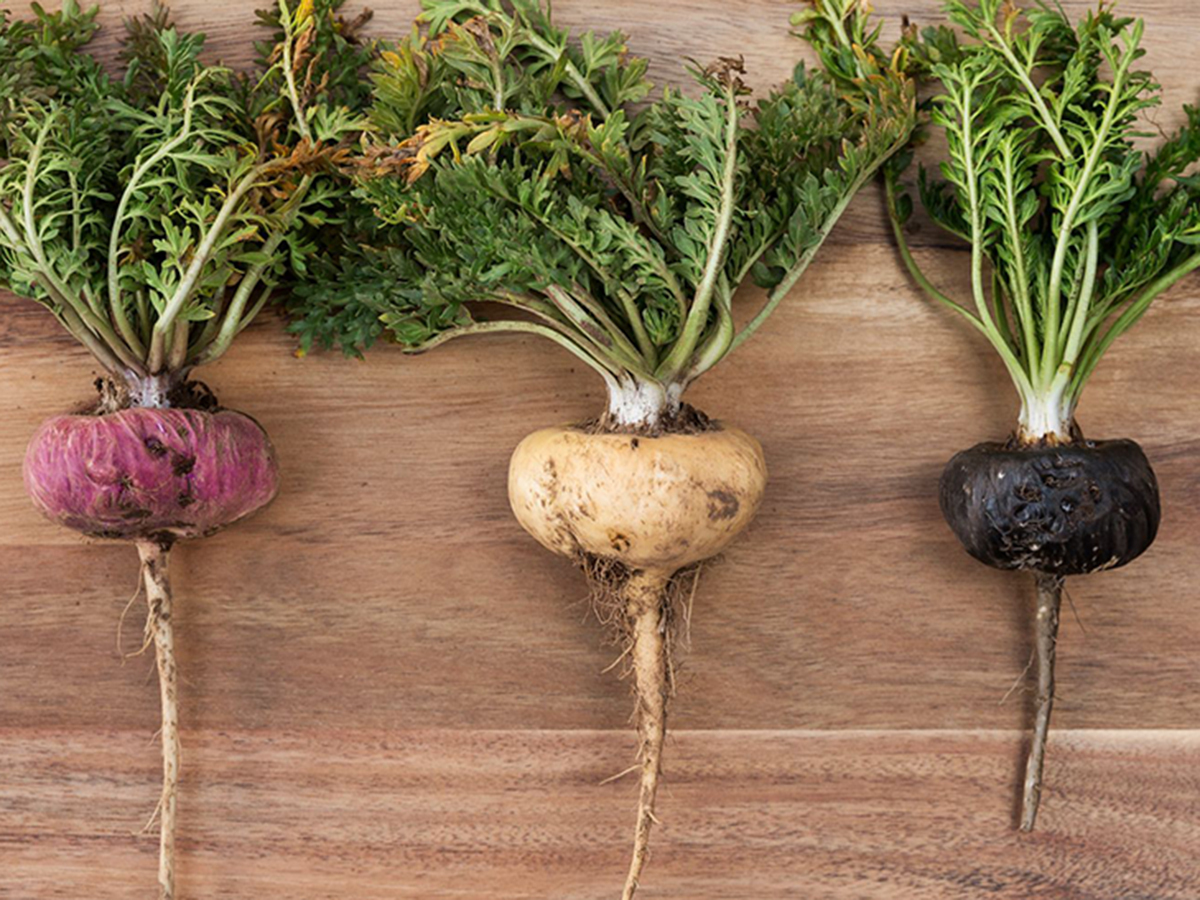
Tri-color maca is a blend of red, black and yellow maca.
We consider it a traditional way of using maca because maca roots were historically consumed together rather than always being separated by color. Because tri-color maca requires less sorting and separation, it is also typically the most economical option.
For many people, it is one of the easiest places to begin. Instead of deciding which single color you want first, you get all three together.
That is what makes tri-color maca appealing to many beginners. It is simple, broad and gives you an introduction to the main maca colors without requiring you to commit to only one.
Some people start with tri-color and stay with it because they like the blend. Others use it as a starting point and later explore the individual colors.
Tri-color maca may be a good fit if you want:
To see what research exists on mixed-color maca and what we can reasonably infer from the individual colors, visit our Tri-Color Maca Benefits guide.
If you want the simplest rule of thumb:
That said, you do not need to make the decision bigger than it is.
Many people try more than one maca over time. Some rotate colors. Some stay with a blend. Others eventually settle on a favorite.
The important thing is to begin with a maca you trust and use it consistently enough to get a real feel for it.
If you want help considering color alongside preparation and product form, see Which Maca Is Best?
When people first learn about maca, they often focus on color first.
That makes sense, but color is only one part of the picture.
It also matters:
A high-quality Peruvian maca of any color is a better starting point than choosing a specific color while ignoring origin, processing and quality.
That is why it helps to look at the full picture, not just the color on the label. You can learn more about the preparation difference in our Raw vs. Gelatinized Maca guide.
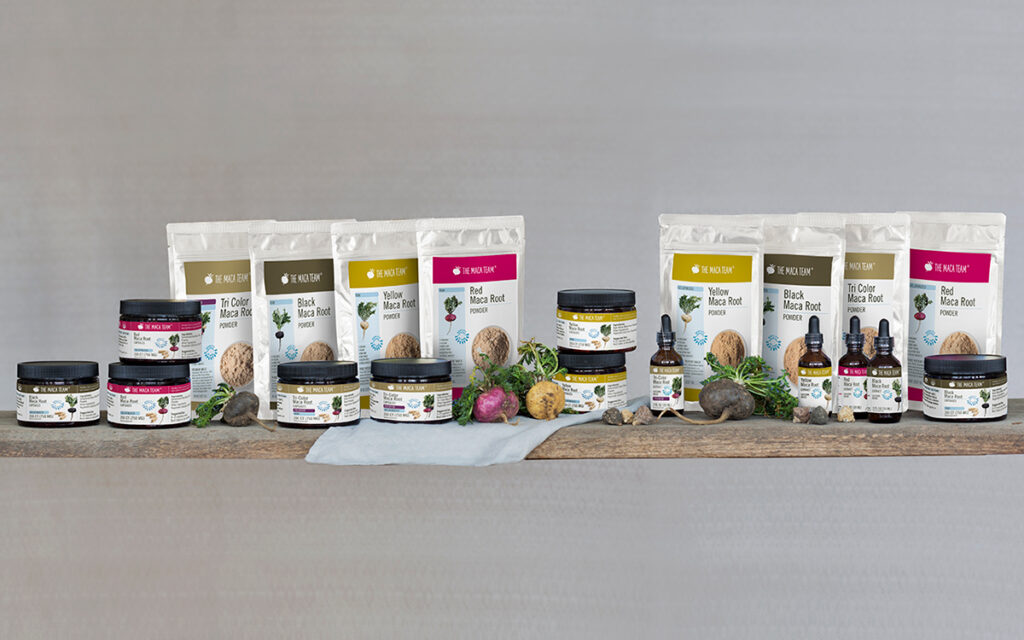
For a deeper look at what human, animal and laboratory research tells us about each maca color and blend, continue with these guides:
All three come from the same maca plant, but they are different root colors with somewhat different flavor profiles, harvest availability and traditional associations.
Yellow maca is a simple single-color starting point. Tri-color maca is another beginner-friendly choice because it combines red, yellow and black maca in one blend.
Red maca generally has a somewhat sweeter flavor than the other main maca colors.
Yellow maca is the most common and accounts for approximately 60% of the harvest. Red represents roughly 25%, while black maca is the rarest at approximately 15%.
Tri-color maca is a blend of yellow, red and black maca roots. It offers all three main maca colors together and is often a simple choice for people who do not want to select one color.
No. Black maca is used by both men and women. Its reputation for stamina and vitality has made it especially popular in some men’s routines, but it is not a male-only maca.
No. Color by itself does not determine quality. Peruvian origin, organic sourcing, processing, freshness and testing can be more important quality considerations than root color alone.
Yes. Many people begin with yellow or tri-color maca and later compare red or black maca. Others continue using a blend or rotate among colors according to personal preference.
This page is part of our What Is Maca topic cluster. Continue with these guides to understand maca more broadly or narrow down which type may fit you best.
Compare color alongside preparation and product form, or return to the main What Is Maca guide for the broader picture.