
Yellow Maca Benefits
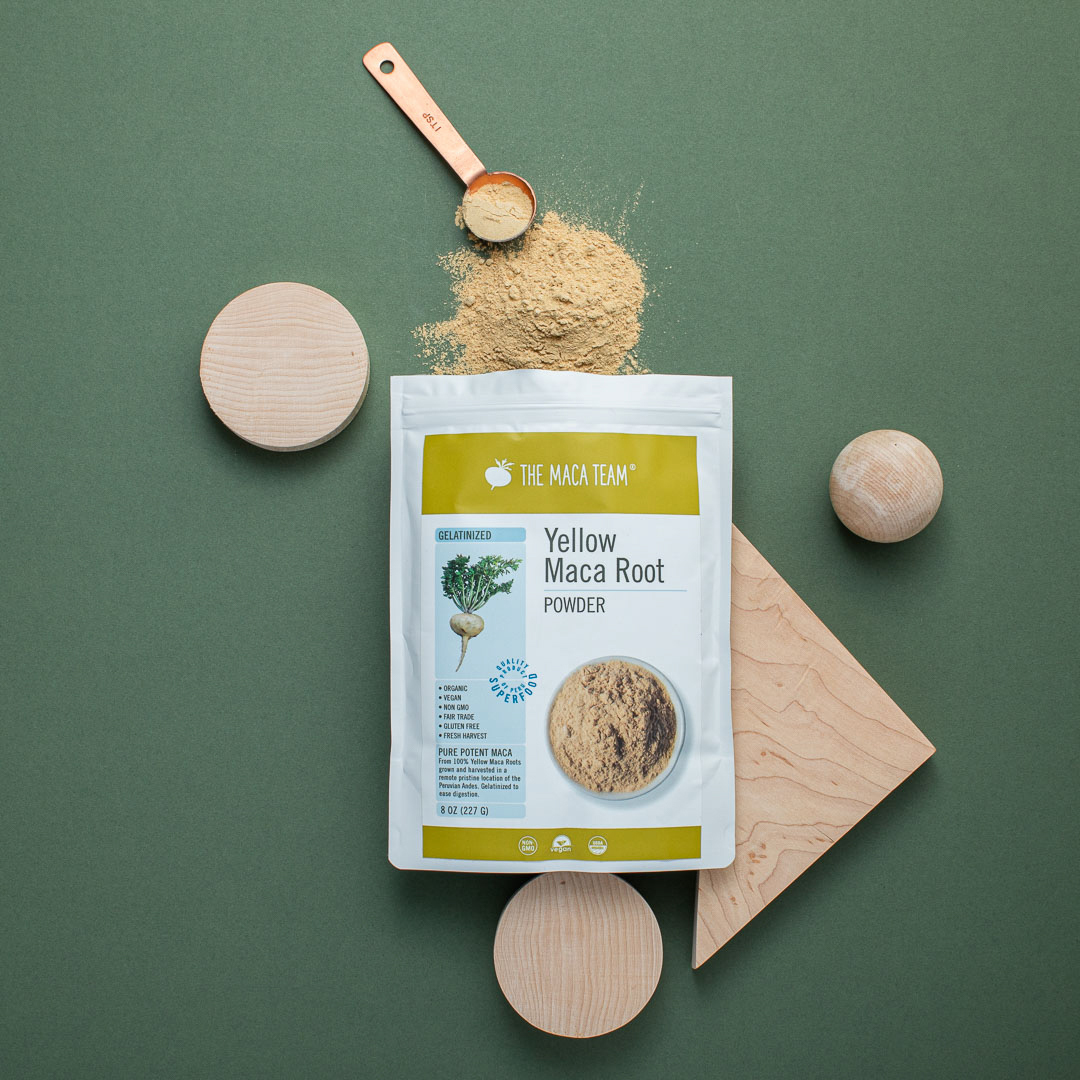
Yellow maca is the most common of the major maca colors and is widely used as an everyday maca.
Yellow Maca Benefits: What the Research Shows
If you’re researching yellow maca benefits, you may be wondering why yellow maca gets less attention than red or black maca — especially since yellow is actually the most common of the three main maca colors.
Yellow maca is often thought of as the “all-purpose” or everyday maca. It has broad appeal, a generally mild flavor, and is commonly chosen by both men and women who simply want to add maca to their daily routine.
But what does the research actually tell us?
Researchers have studied yellow maca in several areas, including male and female reproductive parameters, mood and learning, antioxidant activity, muscle-cell development, and skin responses. There is even a randomized human trial specifically involving yellow maca.
At the same time, much of the color-specific research comes from animal or laboratory models, and some findings have been mixed.
At The Maca Team, we’ve specialized in Peruvian maca for over a decade. We think the most useful way to understand yellow maca is to look at what has actually been studied, distinguish human findings from animal and laboratory research, and avoid turning preliminary results into promises.
That’s what we’ll do here.
You can also explore the broader benefits of maca regardless of color.
Yellow Maca Benefits at a Glance
Yellow maca has received research attention in several areas:
- Male reproductive parameters — human research: A randomized placebo-controlled trial involving 50 men with fertility-related concerns did not find statistically significant improvements in semen parameters with yellow maca compared with placebo.
- Male reproductive parameters — animal research: Several studies have reported changes in sperm counts, although black maca has generally produced stronger results in direct color comparisons.
- Female reproductive parameters — animal research: One study using yellow maca in female mice reported a larger number of offspring, while several other reproductive measures were unchanged.
- Mood and learning — animal research: Yellow, red and black maca all produced changes in mood-related behavioral testing, while black maca showed the strongest learning-related response.
- Antioxidant activity — laboratory research: A yellow maca fraction showed greater antioxidant capacity than a comparable black maca fraction in one laboratory comparison.
- Muscle-cell research — laboratory research: Yellow maca increased several measures of growth and differentiation in cultured mouse muscle cells.
- Skin and UV research — animal research: Yellow maca leaf extract was one of three maca colors studied topically in mice exposed to UVB radiation.
So there is real research behind yellow maca.
What is different from red and black maca is that yellow maca does not have one single area in which the evidence clearly sets it apart. Instead, it has a broad research profile — which fits well with its traditional reputation as a general-purpose maca.
What Is Yellow Maca?
Yellow maca is a naturally occurring color variety, or phenotype, of maca.
Maca itself is a cruciferous vegetable native to the high Andes of Peru, where it has been cultivated as a food for centuries.
Maca roots naturally occur in a range of colors. Yellow, red and black are the three color groups most commonly separated for commercial use.
Yellow maca is the most common of the three. Depending on the harvest and how colors are classified, yellow roots often account for roughly half or more of the maca produced.
That abundance is one reason yellow maca is generally more affordable than red or black maca. It also makes yellow maca a natural place to start for someone who wants maca without specifically seeking the research profile of one of the less-common colors.
At The Maca Team, we also find yellow maca tends to have a relatively mild, familiar maca flavor, making it particularly useful in powders, smoothies, oatmeal and recipes.
If you’re completely new to maca, our Best Maca for Beginners guide can also help you decide where to start.
Is Yellow Maca Really Different From Red and Black Maca?
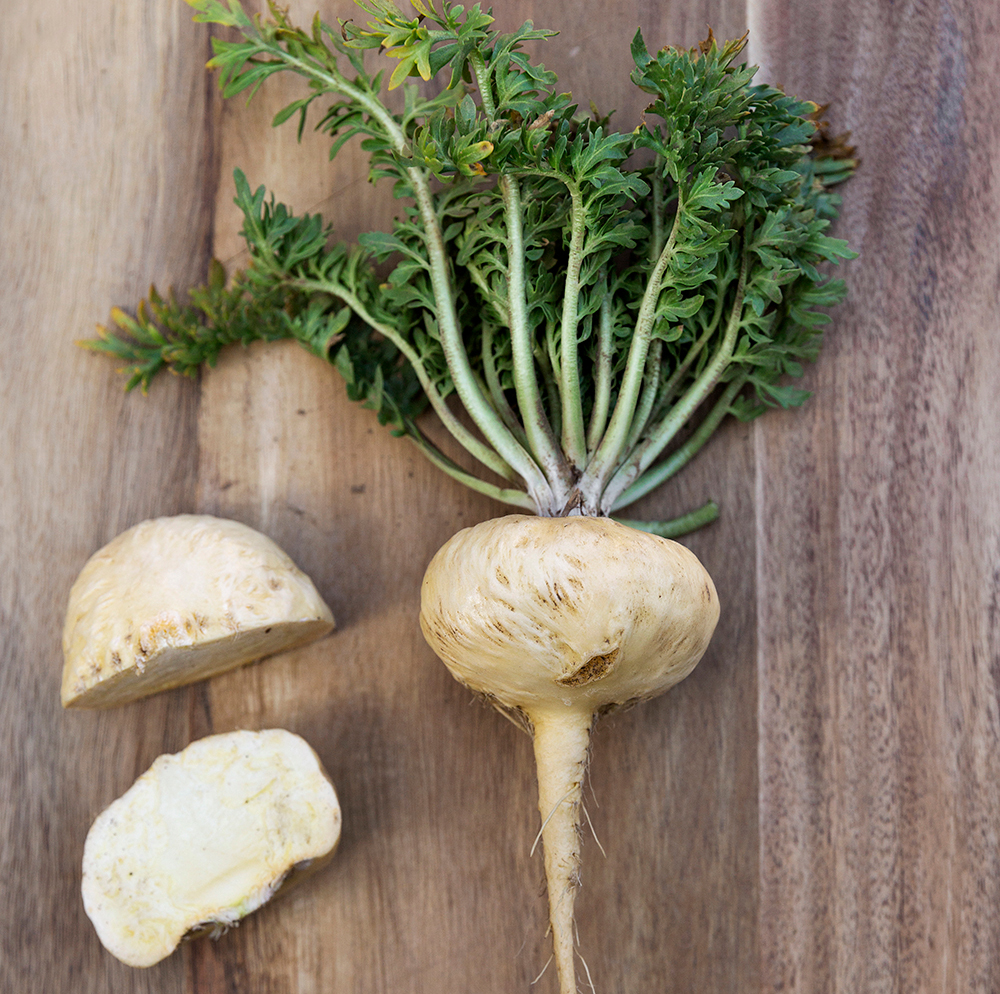
Yellow maca is identified by the naturally yellow or cream-colored outer skin of the root.
Yes — although the differences are more nuanced than they are sometimes made to sound.
Research has demonstrated measurable chemical differences among yellow, red and black maca. Studies comparing the colors have also found different biological responses in certain experimental models.
For example, black maca has generally produced stronger results than yellow maca in research involving sperm production and learning. Red maca has distinguished itself most clearly in animal studies involving prostate size.
Yellow maca often falls somewhere between the two rather than dominating one particular research area.
That should not be interpreted as meaning yellow maca is inferior. It may simply reflect what yellow maca has traditionally been: the most common, broadly used maca rather than a color selected for one particular characteristic.
A 2015 phytochemical analysis also found differences among maca phenotypes. In that study, yellow maca contained lower concentrations of glucosinolates than red and black maca. [1]
Glucosinolates are naturally occurring compounds found in cruciferous plants, but their concentration alone does not determine whether one maca color is “better” than another.
Color is also only one characteristic of maca. Growing location, drying, storage and processing can all influence the finished product.
For a broader comparison, see our Black vs. Red vs. Yellow Maca guide.
What Does the Research Say About Yellow Maca?
1. Male Reproductive Research
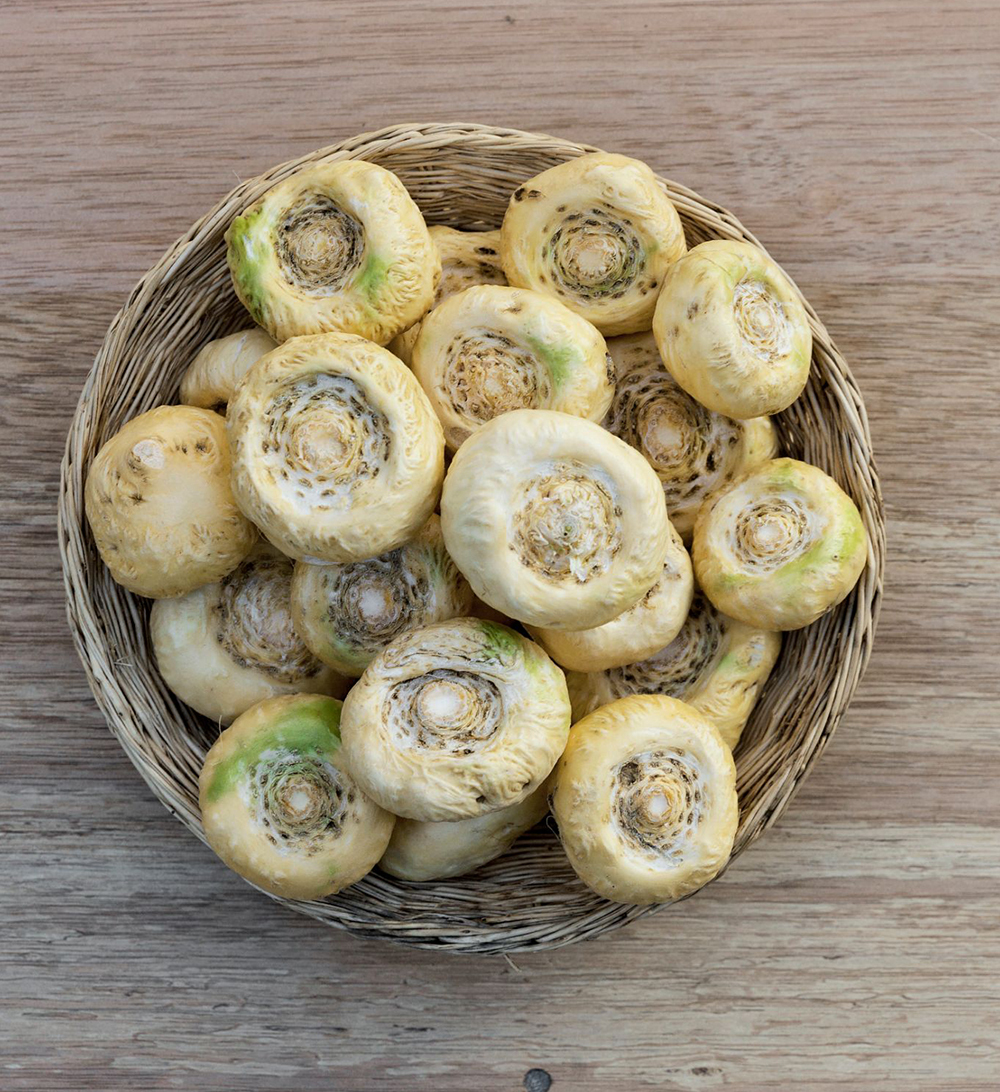
Yellow maca has been investigated in both human and animal reproductive research.
Yellow maca has been studied in both humans and animals, giving us an interesting example of why different levels of evidence need to be considered separately.
Human Evidence
A randomized, double-blind, placebo-controlled trial published in 2021 followed 50 men with fertility-related concerns for 16 weeks. Researchers evaluated semen quality and reproductive hormone levels. [2]
Sperm concentration increased within the yellow maca group, but the placebo group improved as well. The differences between the groups were not statistically significant.
The researchers concluded that the results were not sufficient to establish that maca improved male fertility.
That finding is important. A clinical study does not become positive simply because some measurements move in the desired direction. What matters is whether the results differ meaningfully from placebo.
In this case, they did not.
Animal Evidence
Animal studies have produced more encouraging results, although black maca has generally performed better when colors were compared directly.
In a 2006 rat study, yellow maca produced some changes in sperm-related measures, while black maca was the only color that increased daily sperm production and sperm motility after longer treatment. [3]
A separate 84-day study found that both yellow and black maca increased epididymal sperm counts. All three colors increased sperm counts in the vas deferens, while daily sperm production itself remained unchanged. [4]
Researchers have also investigated yellow maca separately in mice. A 2018 study reported effects on sperm count, but the response varied according to factors including root size, extract pH and route of administration. [5]
Taken together, the research suggests that yellow maca has biological activity in these experimental models, but it also shows why animal findings should not automatically be translated into fertility claims for men.
2. Female Reproductive Research
Yellow maca has also been studied in female animals.
A 2005 study gave yellow maca extract to adult female mice before, during and after pregnancy. Researchers evaluated fertility, implantation, pregnancy, offspring survival and other reproductive measures. [6]
Most measures were similar between the yellow maca and control groups. However, mice receiving yellow maca produced a greater number of pups per mother at birth and shortly afterward.
Yellow maca also increased uterine weight in ovariectomized mice in another part of the experiment.
These findings are interesting, but they do not establish that yellow maca increases fertility or pregnancy rates in women. Comparable color-specific human evidence is lacking.
3. Mood and Learning Research
Yellow maca has also been included in research comparing maca colors for learning and mood-related behavior.
In a 2006 study, ovariectomized mice received yellow, red or black maca for 21 days. Researchers used a water-finding task to assess learning and a forced-swim test to examine mood-related behavior. [7]
All three colors produced changes in the behavioral tests.
Black maca showed the strongest response in the latent-learning portion of the study, while yellow and red maca also demonstrated activity.
The most accurate interpretation is therefore not that yellow maca is uniquely good for focus or mood. Rather, mood-related effects have been observed across maca colors in animal research, with black maca distinguishing itself more clearly for learning in this particular experiment.
Human studies have also explored maca and well-being more generally, but unless a study clearly identifies yellow maca, we do not consider those results yellow-maca-specific evidence.
What About Yellow Maca for Energy?
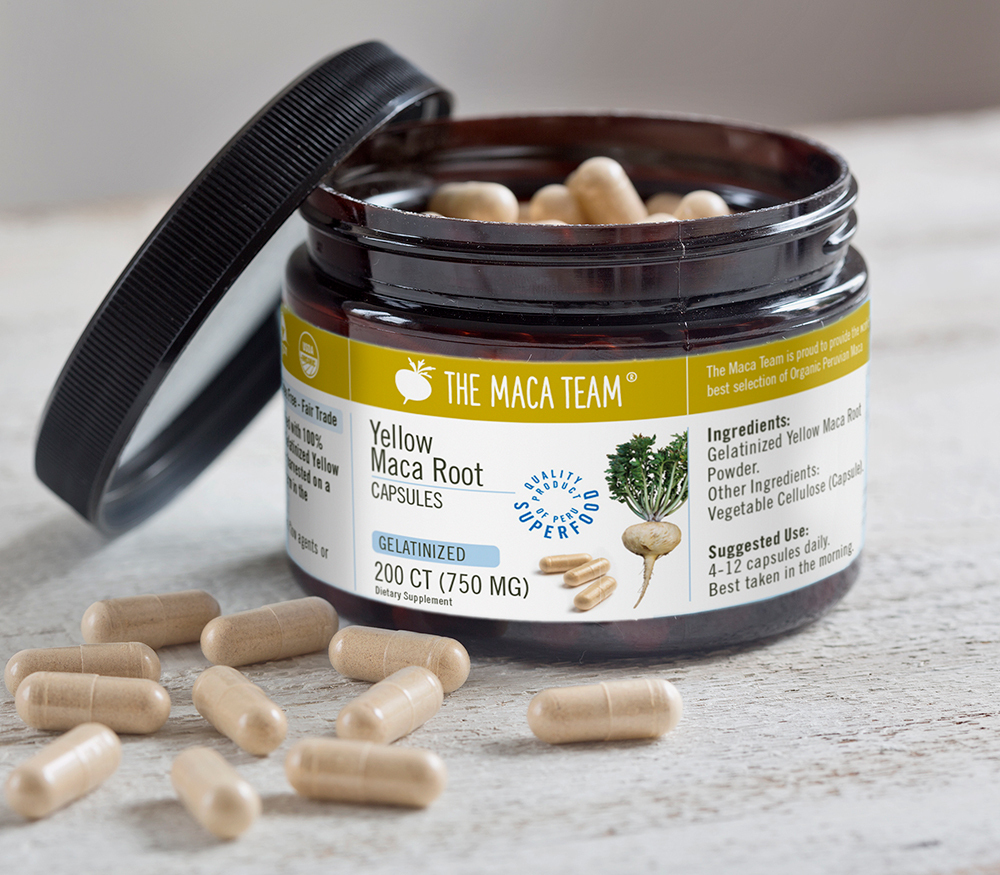
Yellow maca is commonly chosen as an everyday maca and is available in convenient forms such as powder and capsules.
Energy is probably one of the most common reasons people choose yellow maca.
Yellow maca has long been used as an everyday maca for energy, vitality and general use, and we hear similar reasons from customers.
The yellow-specific human evidence, however, is limited. Some of the strongest color-specific research involving perceived energy has used red and black maca rather than yellow.
For that reason, we would not say yellow maca has been clinically proven to increase energy.
What we can say is that yellow maca is the most common of the separated maca colors, contains no caffeine and is widely used as part of a daily food-based routine.
For people who are not specifically seeking the research profile of red or black maca, that makes yellow maca a very reasonable place to start.
4. Antioxidant Activity
Yellow maca has shown antioxidant activity in laboratory research.
A study comparing fractions obtained from yellow and black maca found that the yellow maca fraction had greater antioxidant capacity in the laboratory assay used by the researchers. [8]
The same study also investigated sperm-related measures in mice.
Laboratory antioxidant activity does not mean that eating yellow maca has been proven to create a particular antioxidant effect in people. It is better understood as another indication that maca contains biologically active compounds and that the different colors are not chemically identical.
5. Muscle-Cell Research
One newer area of research involves skeletal muscle cells.
A 2022 study added yellow maca at different concentrations to cultured C2C12 mouse muscle cells. Researchers measured muscle-cell diameter, area, differentiation and signaling pathways involved in muscle protein synthesis. [9]
Yellow maca was associated with increases in myotube diameter and area as well as several measures of cell differentiation. Researchers also observed changes in pathways involving Akt, mTOR and AMPK.
This is interesting mechanistic research, but it is not evidence that taking yellow maca builds muscle in people.
Cell-culture studies can help scientists investigate possible biological mechanisms, but they are very different from controlled studies involving people exercising and consuming maca.
If physical activity is your primary reason for considering maca, our Maca for Active Lifestyles guide offers a broader look at choosing among the available options.
6. Skin and UV Research
Yellow maca has also appeared in experimental skin research.
A 2011 study compared extracts made from the leaves of yellow, red and black maca. Researchers applied the extracts topically to mice before UVB exposure. [10]
All three maca leaf varieties showed photoprotective activity in the experimental model, although individual antioxidant responses differed among the colors.
There are two important qualifications.
First, the researchers used maca leaves, not the yellow maca root normally consumed as food.
Second, the extracts were applied topically.
The study therefore does not demonstrate that eating yellow maca protects human skin from sun exposure. It is better understood as research into the broader chemistry of the maca plant.
How to Choose Yellow Maca

Yellow maca comes in powders, capsules, extracts and whole-root chips, so the best format often comes down to convenience and digestion.
Once you’ve decided that yellow maca is the color you want to try, there are still a couple of choices to make.
You can choose between raw and gelatinized maca and among powders, capsules, extracts and whole-root chips.
Raw maca powder is closest to the traditionally dried whole root.
Gelatinized maca has been cooked and has much of its starch removed, which some people find easier to digest.
Powder is versatile and generally the most economical format. Capsules are convenient. Extracts offer a compact liquid option, while maca chips provide a preparation closer to the traditional whole root.
Because yellow maca is more abundant than red or black maca, it is also often one of the most affordable ways to use a single maca color regularly.
You can learn more in our guides to raw vs. gelatinized maca and maca forms.
If you already know you want yellow maca, compare our yellow maca products, including powders, capsules, extract and whole-root chips.
How Long Does Yellow Maca Take to Work?
There isn’t a scientifically established timetable that applies to everyone.
Maca is not a fast-acting stimulant or drug, and we generally encourage people to think of it as a food that is added consistently to the diet.
Some people tell us they notice a difference fairly quickly. Others use maca for several weeks before deciding how they feel about it, while some notice very little.
The human yellow maca reproductive study discussed above lasted 16 weeks. That does not mean everyone needs to take yellow maca for 16 weeks; it simply illustrates why judging maca after one or two servings may not tell you very much.
For more practical guidance on getting started, see How to Start With Maca and our Maca Dosage Guide.
Does Yellow Maca Have Side Effects?
Most people tolerate maca well when consumed as a food, but no food is right for everyone.
If you’re new to maca, starting with a modest amount is usually the simplest approach.
People with sensitive digestion may prefer gelatinized maca, since much of the starch has been removed through cooking.
If you are pregnant, breastfeeding, have a medical condition, take medication or have specific concerns about whether maca is appropriate for you, speak with a qualified healthcare professional.
For a more detailed discussion, visit our Maca Root Side Effects guide.
Yellow Maca FAQs
What are the most commonly discussed benefits of yellow maca?
Yellow maca is most commonly associated with general daily use, energy, vitality, mood and reproductive wellness. Yellow-specific research has examined reproductive parameters, mood-related behavior, antioxidant activity and muscle cells, but much of that evidence comes from animal or laboratory studies.
Is yellow maca better than red or black maca?
Not necessarily. Yellow, red and black maca have different research profiles. Yellow maca is the most common and broadest general-purpose choice, while red and black maca have distinguished themselves more clearly in certain color-specific studies.
If you’re unsure which one fits your goals best, see our Which Maca Is Best for You? guide.
Is yellow maca good for energy?
Yellow maca is widely used as an everyday maca for energy and vitality, but there is not strong yellow-specific human research proving an energy effect. It contains no caffeine and does not act like a conventional stimulant.
Is yellow maca good for men?
Yes, men can use yellow maca. It has been studied in relation to male reproductive parameters in animals and humans. Animal findings have been somewhat positive, but a randomized human trial did not find statistically significant improvements in semen quality compared with placebo.
Is yellow maca good for women?
Yes, women can use yellow maca as well. Animal research has investigated yellow maca in female reproductive and mood-related models, but those findings should not be interpreted as proven fertility, hormonal or mood benefits for women.
Does yellow maca increase testosterone?
There is no good evidence that yellow maca works by increasing testosterone. In the 2021 human fertility study, researchers did not find a general increase in reproductive hormone levels; free testosterone decreased during the study.
For a broader look at this topic, see our article on maca and healthy testosterone.
Is yellow maca a stimulant?
No. Yellow maca naturally contains no caffeine and does not function like coffee or conventional stimulant products.
Is yellow maca a good maca for beginners?
For many people, yes. Yellow maca is the most common maca color, tends to have a relatively mild flavor and is often more affordable than red or black maca. If you do not have a specific reason to choose another color, yellow maca is a practical place to start.
Do yellow maca powder, capsules and extracts have different benefits?
They all begin with yellow maca, but processing and concentration differ. Powder offers the whole powdered root, capsules provide a convenient format, extracts are more concentrated, and whole-root chips offer a traditional preparation. When looking at research, it is important to notice which preparation researchers actually used.
Final Thoughts
Yellow maca may not have the same specialized reputation as red or black maca, but that is part of what makes it useful.
It is the most common of the major maca colors, one of the most traditional choices and perhaps the simplest option for people who want a broad, everyday maca.
Research has explored yellow maca in relation to male and female reproductive parameters, mood-related behavior, antioxidant activity, muscle cells and other areas. Some findings have been positive, while others — including an important randomized human fertility trial — have been inconclusive.
That mixed evidence is worth knowing. It shows that maca colors really can behave differently in research, while also reminding us not to turn every laboratory or animal finding into a promise about what a food will do in people.
After working exclusively with Peruvian maca for over a decade, we’ve found that many people simply want a high-quality maca that fits easily into everyday life. For those people, yellow maca often makes a great place to begin.
We hope this article has helped you better understand what makes yellow maca different, what researchers have actually studied and where the science currently stands.
Enjoy the day!
Interested in Trying Yellow Maca?
Compare our organic Peruvian yellow maca powders, capsules, extract and whole-root chips, or learn more about choosing the maca that best fits your routine.
References
- Meissner HO, Mscisz A, Mrozikiewicz M, et al. Peruvian Maca (Lepidium peruvianum): (I) Phytochemical and Genetic Differences in Three Maca Phenotypes. International Journal of Biomedical Science. 2015. PMID: 26508907. View study
- Melnikovova I, Russo D, Fait T, et al. Evaluation of the effect of Lepidium meyenii Walpers in infertile patients: A randomized, double-blind, placebo-controlled trial. Phytotherapy Research. 2021. PMID: 34585449. View study
- Gonzales C, Rubio J, Gasco M, et al. Effect of short-term and long-term treatments with three ecotypes of Lepidium meyenii (Maca) on spermatogenesis in rats. Journal of Ethnopharmacology. 2006. PMID: 16174556. View study
- Gasco M, Aguilar J, Gonzales GF. Effect of chronic treatment with three varieties of Lepidium meyenii (Maca) on reproductive parameters and DNA quantification in adult male rats. Andrologia. 2007. PMID: 17683465. View study
- Sanchez-Salazar L, et al. Aqueous extract of yellow maca (Lepidium meyenii) improves sperm count in experimental animals but response depends on hypocotyl size, pH and routes of administration. Andrologia. 2018. PMID: 29160562. View study
- Ruiz-Luna AC, Salazar S, Aspajo NJ, Rubio J, Gasco M, Gonzales GF. Lepidium meyenii (Maca) increases litter size in normal adult female mice. Reproductive Biology and Endocrinology. 2005. PMID: 15869705. View study
- Rubio J, Caldas M, Dávila S, Gasco M, Gonzales GF. Effect of three different cultivars of Lepidium meyenii (Maca) on learning and depression in ovariectomized mice. BMC Complementary and Alternative Medicine. 2006. PMID: 16796734. View study
- Inoue N, Farfan C, Gonzales GF. Effect of butanolic fraction of yellow and black maca (Lepidium meyenii) on the sperm count of adult mice. Andrologia. 2016. PMID: 27681648. View study
- Yi D, Yoshikawa M, Sugimoto T, et al. Effects of Maca on Muscle Hypertrophy in C2C12 Skeletal Muscle Cells. International Journal of Molecular Sciences. 2022. PMID: 35743270. View study
- Gonzales-Castañeda C, Rivera V, Chirinos AL, Evelson P, Gonzales GF. Photoprotection against the UVB-induced oxidative stress and epidermal damage in mice using leaves of three different varieties of Lepidium meyenii (maca). International Journal of Dermatology. 2011. PMID: 21781063. View study