
Maca Information Ethics
Our Principles for Truth-Based Maca Education
Everything we publish — articles, product pages, emails, FAQs, and educational guides — follows a clear set of information ethics. These principles guide how we communicate about maca and how we avoid the noise that often surrounds herbal and functional foods.
1. Clear Scientific Communication
We explain research in a way that is:
- accurate
- easy to understand
- free from scientific jargon unless necessary
- properly contextualized (for example: “this was an animal study,” “this was a small trial,” etc.)
When research is preliminary, we say so. When research is strong, we explain why.
2. No Exaggerated Claims
We do not:
- promise results
- claim maca treats or cures medical conditions
- use fear-based or miracle-style language
- inflate small studies into big claims
Maca is powerful, but it’s not magic — and it deserves to be communicated honestly.
3. Tradition vs. Clinical Research — We Explain the Difference
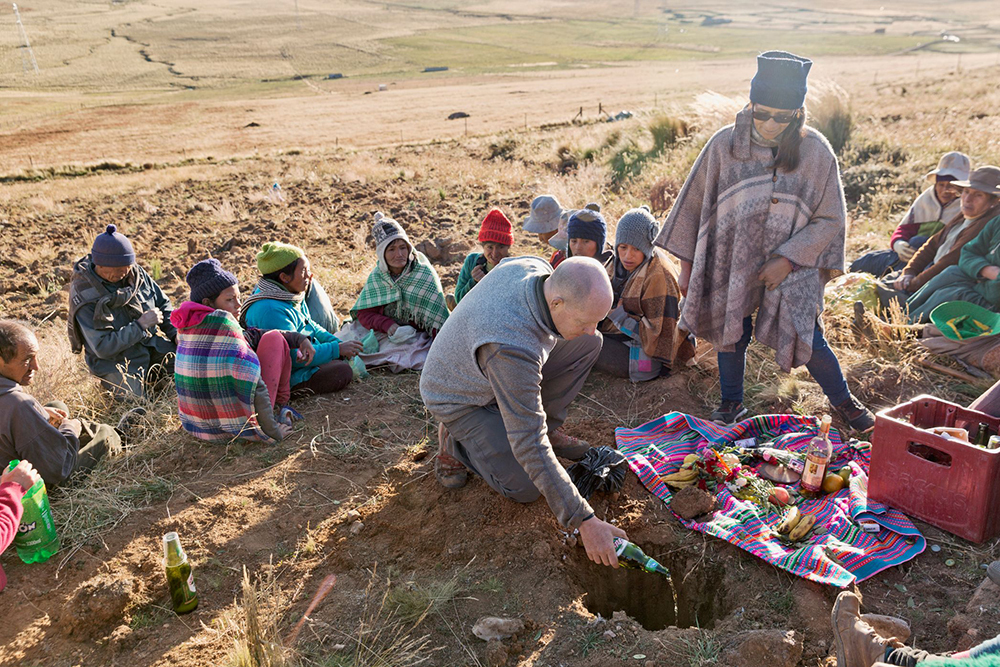
Maca has thousands of years of traditional use in the Andes, where it is valued for energy, fertility, vitality, and resilience. Modern research, meanwhile, is still developing.
We always differentiate:
- Traditional uses (historical, anecdotal, cultural)
- Preclinical data (lab and animal studies)
- Early human studies (small, emerging evidence)
- Well-established findings (limited but promising categories)
This clarity helps customers understand what is known, what is still being studied, and what remains based on traditional wisdom.
4. Transparency About What Maca Can and Cannot Do
We communicate the benefits of maca without overstating its impact.
Maca can support:
- energy and endurance
- mood balance
- hormonal equilibrium
- libido
- overall vitality
Maca cannot:
- replace medication
- treat diagnosed medical conditions
- produce identical results for every person
- override lifestyle factors
If research is mixed or uncertain, we say so clearly.
5. We Talk About When Maca May Not Help
Not everyone experiences the same benefits. We openly share information about:
- expected timelines for noticing changes
- individuals who may respond more slowly
- reasons someone may not feel an effect
- situations where maca may not be the best choice
Honesty leads to better expectations — and better experiences.
6. Citing Studies Responsibly
We cite studies when helpful, but we do so with caution and context.
Our approach:
- No cherry-picking
- No over-interpreting small or early trials
- Always identifying study size, type, and relevance
- Sharing what the evidence actually suggests — not more
Research is a tool, not a marketing tactic.

Our Content Review Process
We treat educational content with the same seriousness as our sourcing and testing. Our editorial workflow is designed to keep information accurate, updated, and reviewed by qualified individuals.
1. Authorship
Content is written or overseen by team members with expertise in:
- Andean culture & maca history
- nutrition & herbal education
- farming practices
- laboratory testing & quality assurance
When needed, we consult external experts to validate key points.
2. Editorial Standards
Each piece of content is reviewed for:
- accuracy
- clarity
- ethical communication
- compliance with supplement regulations
- scientific support (when applicable)
- cultural respect
We do not publish content that conflicts with these standards. You can read our editorial policy here: https://www.themacateam.com/the-maca-team-editorial-policy
3. Updates & Version Control
Maca research continues to evolve. When new findings emerge, we re-review relevant pages, update claims when needed, add references, and adjust explanations (including timelines and dosage guidance when appropriate).
We also periodically audit existing content even without new studies, to ensure it remains accurate and aligned with our current understanding.
What You Can Expect From Our Education
When you read or watch anything from The Maca Team, you can expect:
✔ Honest, balanced information
No hype. No over-promising. No fear-based messaging.
✔ Clear distinctions
Traditional use vs. modern science, strong evidence vs. emerging evidence.
✔ Practical, real-world guidance
Information that helps you make informed decisions about maca.
✔ Respect for Andean knowledge
We acknowledge the cultural roots of maca and communicate about them respectfully.
✔ Transparency
If something is uncertain, we will say so. If something is well-supported, we will explain why.
Our goal is not to make maca sound bigger than it is — but to help you understand its true strengths.
Explore More Educational Resources
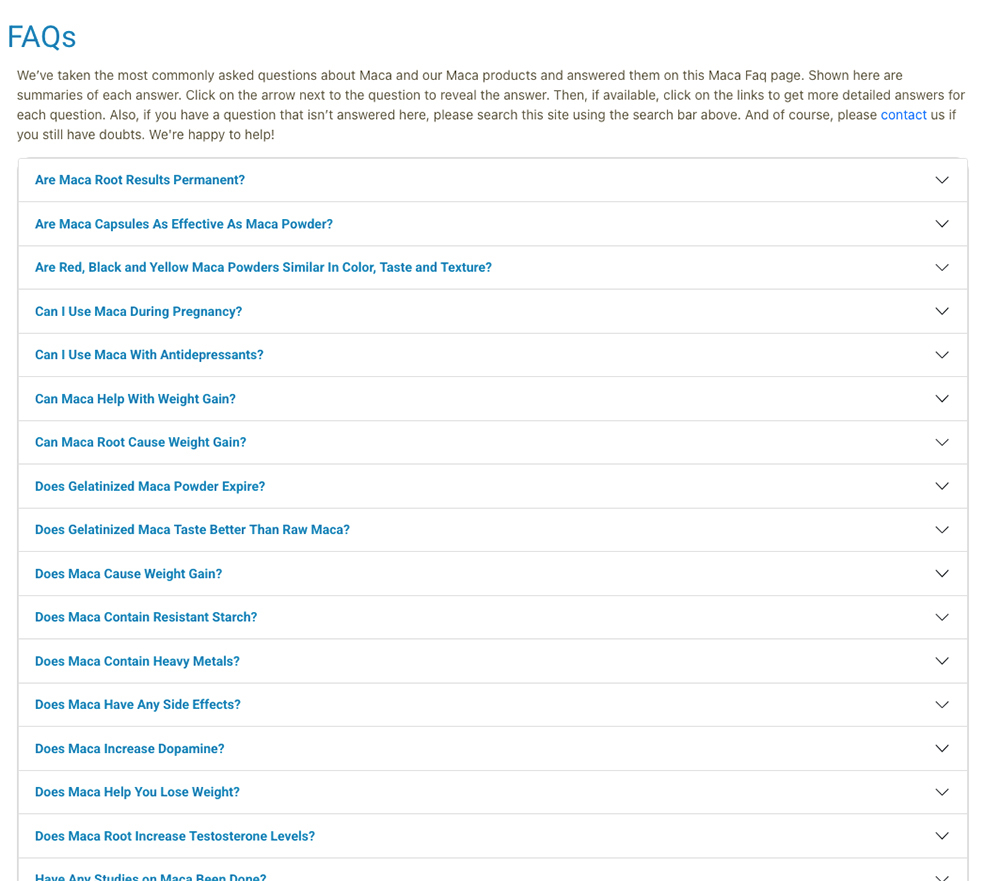
We’ve built one of the most comprehensive maca education libraries available online. → Visit the Maca Education Hub
- → Learn how we test and verify every batch
- → Explore sourcing, sustainability, and our ethical standards
Your trust matters — and every word we publish is written with that responsibility in mind.