
Maca and Body Composition: A Careful Note
Introduction

Question: “I keep hearing that maca can influence body shape, curves, or muscle development. Is there any truth to this?”
Over the years, we have received many questions like this. People interested in nutrition, fitness, and traditional foods often ask whether adding maca powder to their diet can influence body composition or support body-shape goals.
We understand why the question comes up. Maca is often discussed online in connection with fitness routines, body goals, and active lifestyles. Social media can also make strong claims about what a single food or supplement can do.
We approach this topic carefully.
Maca is a traditional Peruvian root food and a food-based dietary supplement. It is not a medicine, not a recognized treatment for health conditions, and not a product we present as changing body weight, body fat, body shape, muscle mass, or hormone levels.
For that reason, this page does not make body-composition claims about maca. Instead, it explains what maca is, what it is not, and how it may fit into a normal food routine.
- Can Maca Change Body Shape?
- Why People Ask About Maca and Curves
- Maca as Part of a Food Routine
- What This Page Can Responsibly Say
- What We Avoid Saying
- Choosing a Maca Product
- Individual Experience Varies
- Related Maca Guide Pages
Can Maca Change Body Shape?
No single food determines body shape on its own.
Body composition is influenced by many factors, including overall diet, calorie intake, resistance training, movement, sleep, age, genetics, health status, and consistency over time.
Maca should not be viewed as a shortcut for changing body shape. It should not be presented as a product for targeted fat gain, targeted fat loss, glute growth, muscle gain, or body reshaping.
A more accurate way to think about maca is this: maca is a traditional root food that some people include in their daily routine. It may be used in smoothies, oatmeal, warm drinks, recipes, capsules, extracts, or blends. But the effects of any broader fitness or body-composition routine depend on many factors beyond maca itself.
Why People Ask About Maca and Curves
Some people search for phrases like “maca for curves” or “maca and body composition” because they have seen claims online suggesting that maca can create visible changes in body shape.
We do not make that claim.
Traditional maca use and modern supplement marketing are not the same thing. A traditional food may be valued by a community without being a body-shaping product or a medical treatment.
Maca has a long history of use in the high Andes of Peru as a food. Before it became a powder, capsule, or smoothie ingredient, it was a root crop grown, dried, stored, cooked, and eaten.
That traditional food context is the most responsible place to begin.
Maca as Part of a Food Routine
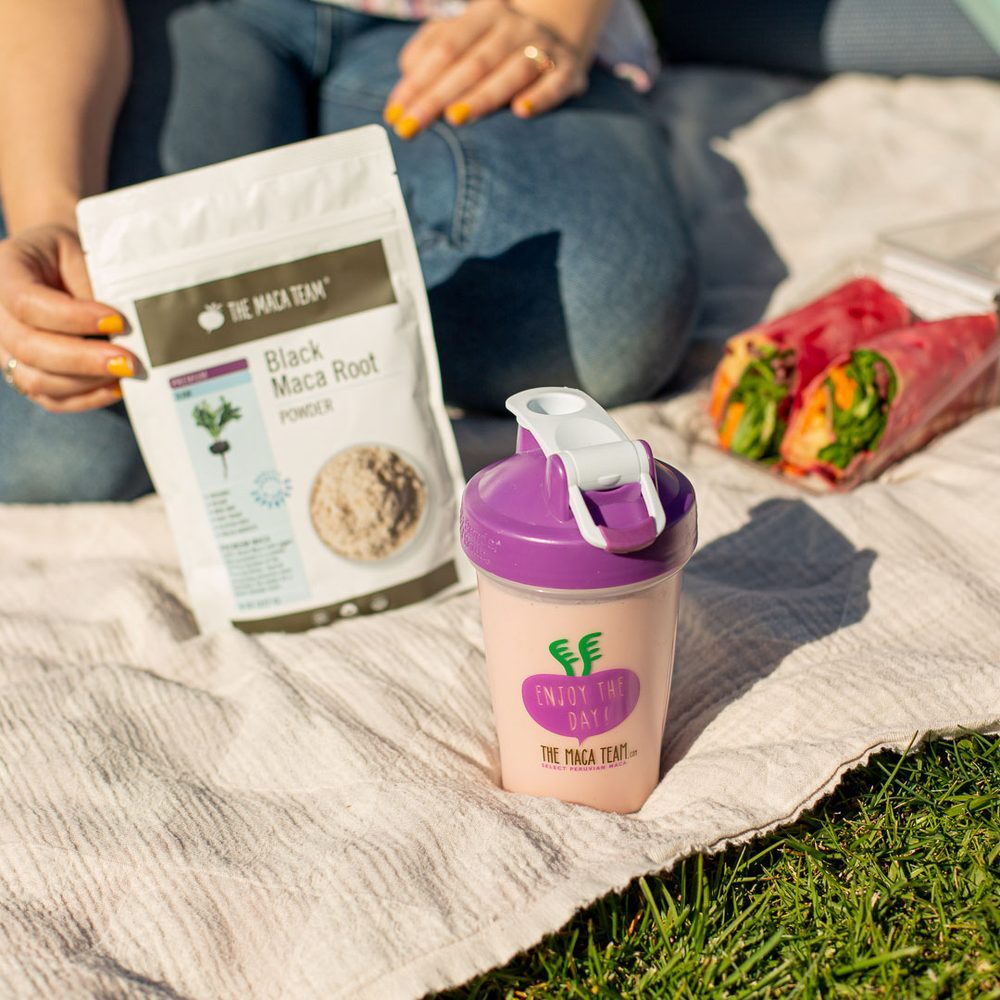
Many people include maca in daily food routines because they enjoy its malty, earthy flavor and traditional food history.
Common ways to use maca include:
- Smoothies
- Oatmeal
- Warm drinks
- Baked goods
- Energy bites
- Capsules
- Extracts
- Blends
Maca can be part of a balanced diet, but it should not be treated as a substitute for complete nutrition, adequate protein, regular movement, medical care, or professional guidance.
What This Page Can Responsibly Say
This page can responsibly say that:
- Maca is a root vegetable native to Peru.
- Maca has a long history of traditional use in the Andes.
- Maca is commonly sold today as a food-based dietary supplement.
- Maca can be used in powders, capsules, extracts, blends, drinks, and recipes.
- Maca products vary by origin, preparation method, color type, and serving size.
- Quality, sourcing, testing, and accurate labeling matter.
- Individual experiences with maca vary.
That may be quieter than some pages about maca and body composition.
That is intentional.
Maca does not need exaggerated claims to be worth respecting.
What We Avoid Saying
To keep this topic responsible, we avoid saying or implying that maca:
- Changes body shape
- Increases curves
- Builds glute muscles
- Causes targeted weight gain
- Causes targeted fat loss
- Changes hormone levels
- Replaces exercise or nutrition
- Works the same way for everyone
- Creates predictable body-composition results
Body composition is complex. It should not be reduced to a promise about one food.
Choosing a Maca Product
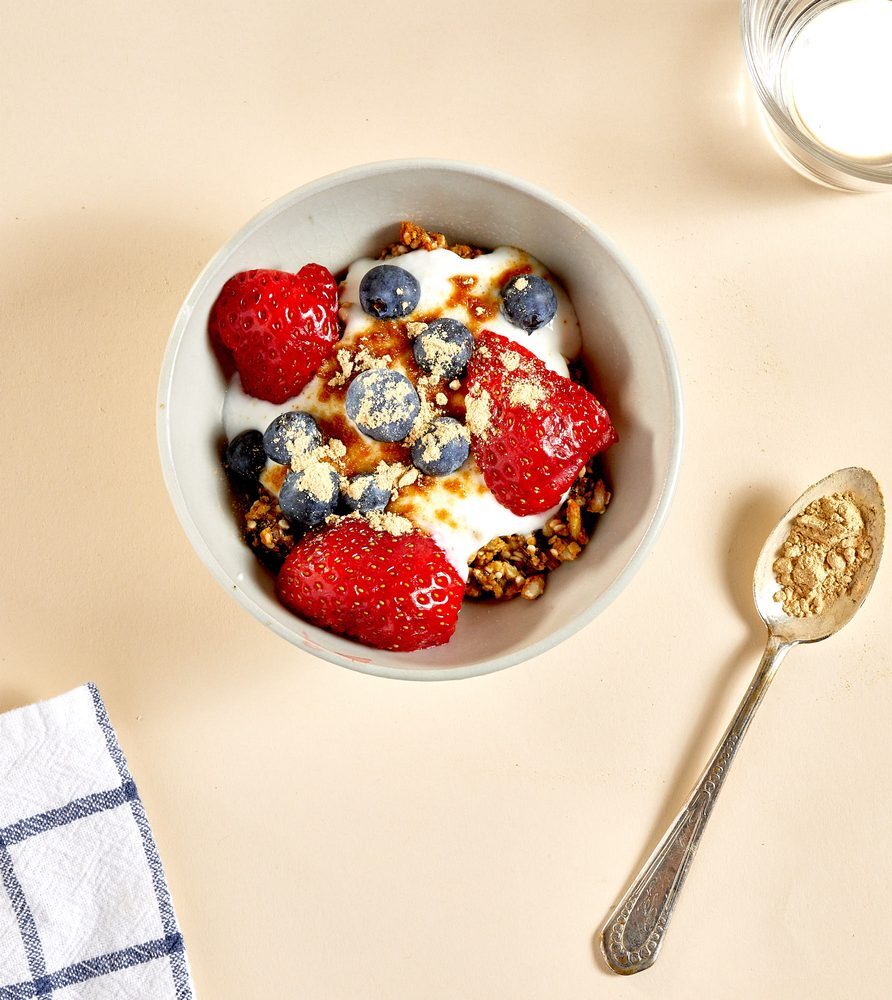
If you are interested in using maca as part of a food routine, the most useful questions are practical ones:
- Was the maca grown in Peru?
- Is it raw, gelatinized, premium, capsule, extract, or blend?
- Does the company provide testing information?
- Are there fillers or unnecessary additives?
- Does the taste and preparation style fit your routine?
- Are you starting with a reasonable serving size?
At The Maca Team, our focus is Peruvian maca, careful sourcing, batch testing, product quality, and responsible education.
That is where we prefer to put our attention.
You can also visit our Which Maca Is Best for Me? guide or our Maca Buying Guides section for help choosing a product that fits your routine.
Individual Experience Varies
People often ask what they should expect from maca.
The most accurate answer is that individual experience varies.
It can depend on the person, the form of maca, the serving size, consistency, diet, sleep, stress, movement, age, health status, and many other factors outside of maca itself.
Some people include maca as part of a daily routine. Some use it as a nutritious food addition. Some decide it is not for them.
All of those experiences are possible.
That is why we encourage people to start slowly, use common sense, and pay attention to how their own body responds.
Related Maca Guide Pages
To continue learning, visit:
- Maca Benefits
- Maca Nutrition Facts
- How Much Maca Should You Take?
- Maca Recipes and Smoothies
- Which Maca Is Best for Me?
- Maca Buying Guides
- Our Standards
- Testing and COAs
Each page looks at maca from a different angle: tradition, nutrition, preparation, quality, and personal fit.
Final Thoughts
Maca is a traditional Peruvian root food with a long history.
That is enough.
It does not need to be presented as a body-shaping product, a shortcut, or a promise. A careful approach is better for the customer, better for the tradition, and better for the way we believe maca should be represented.
If you have questions about maca or our products, please contact us. We’re always happy to help.
Enjoy the day!

```