
Raw vs Gelatinized Maca
Raw vs. Gelatinized Maca: What’s the Difference and Which Is Better for You?
If you are new to maca, one of the first choices you will encounter is this:
raw maca or gelatinized maca?
It is a fair question—and one of the most common.
At first glance, they look very similar. Both come from the same Peruvian maca root. Both are used in powders, capsules, and other forms of maca. Both can fit easily into a daily routine.
But they are not the same.
The difference comes down to how the root is prepared after harvest, and that difference affects digestion, concentration, and how the powder behaves in everyday use.
This guide breaks it down clearly so you can choose with confidence.
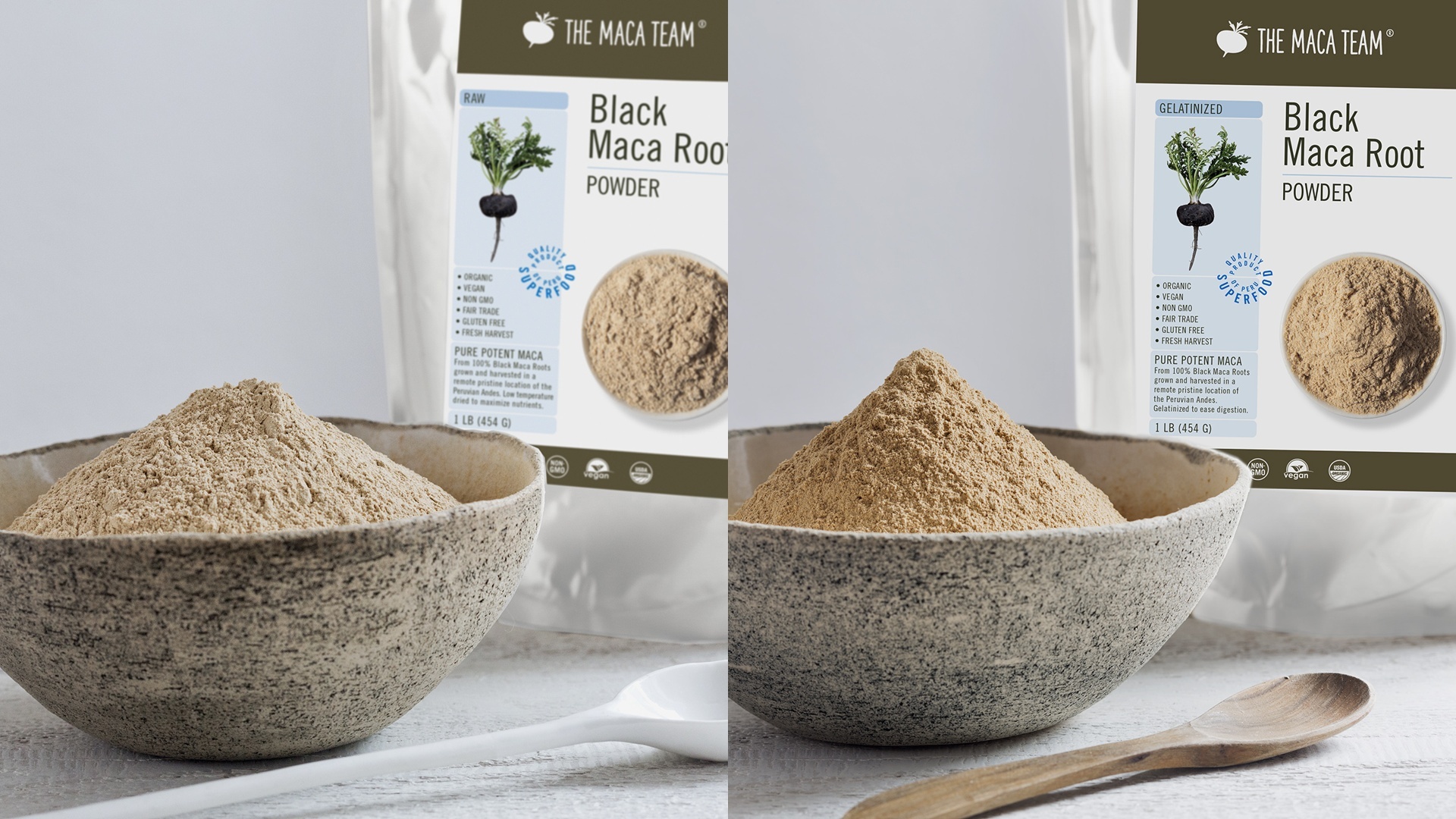
Quick Answer
- Choose raw maca if you want the most traditional, least processed form and you tolerate starch-rich foods well
- Choose gelatinized maca if you have a sensitive stomach, experience bloating with raw powders, or want something easier to digest and more concentrated
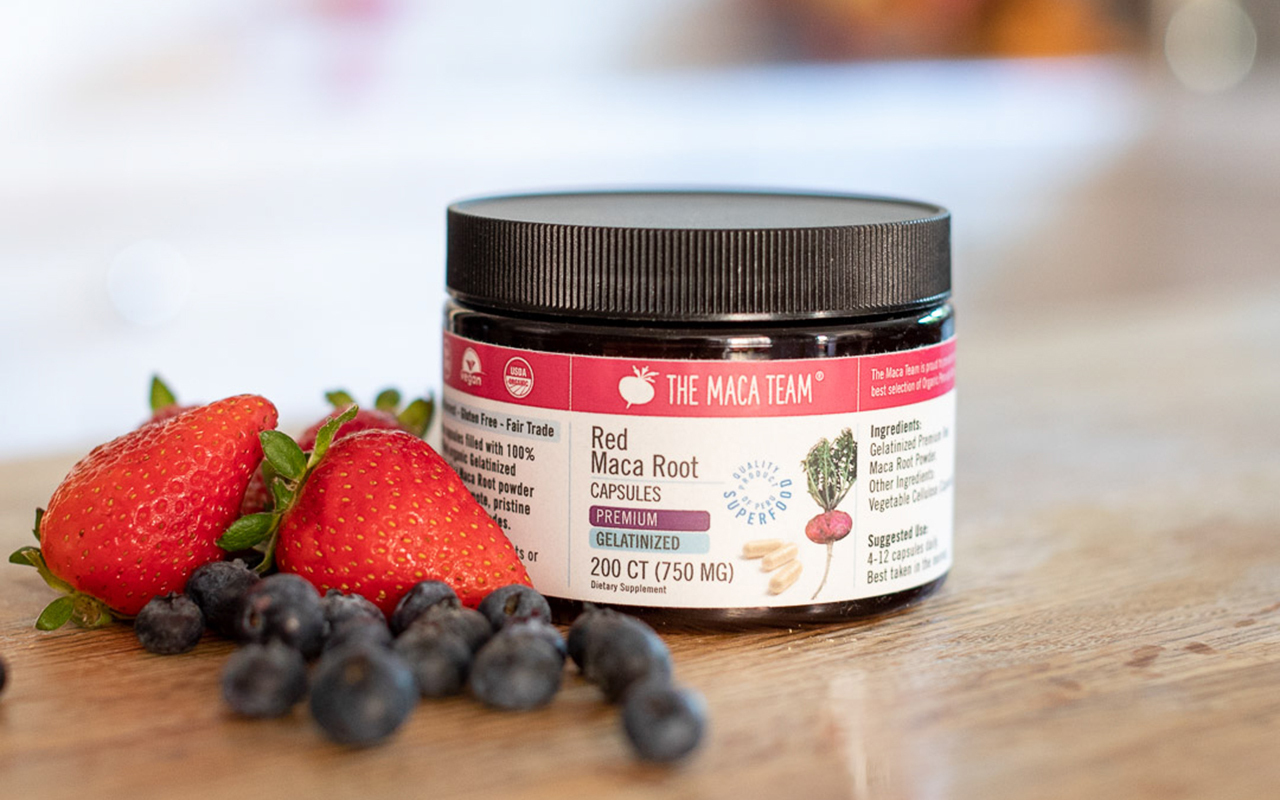
What Is Raw Maca?
Raw maca is simply maca root that has been harvested, dried, and ground into powder.
It is the least processed form of maca, and for many people, it represents the most traditional way to use the root.
Because it is not exposed to heat during processing, raw maca retains its full natural profile, including enzymes and certain heat-sensitive compounds.
Why Some People Prefer Raw Maca
Raw maca appeals to people who want a more whole-food, minimally processed option.
It may be a good fit if you:
- want maca in its most natural form
- tolerate starches well
- prefer traditional whole-food powders
- want to start with maca as close to the root as possible
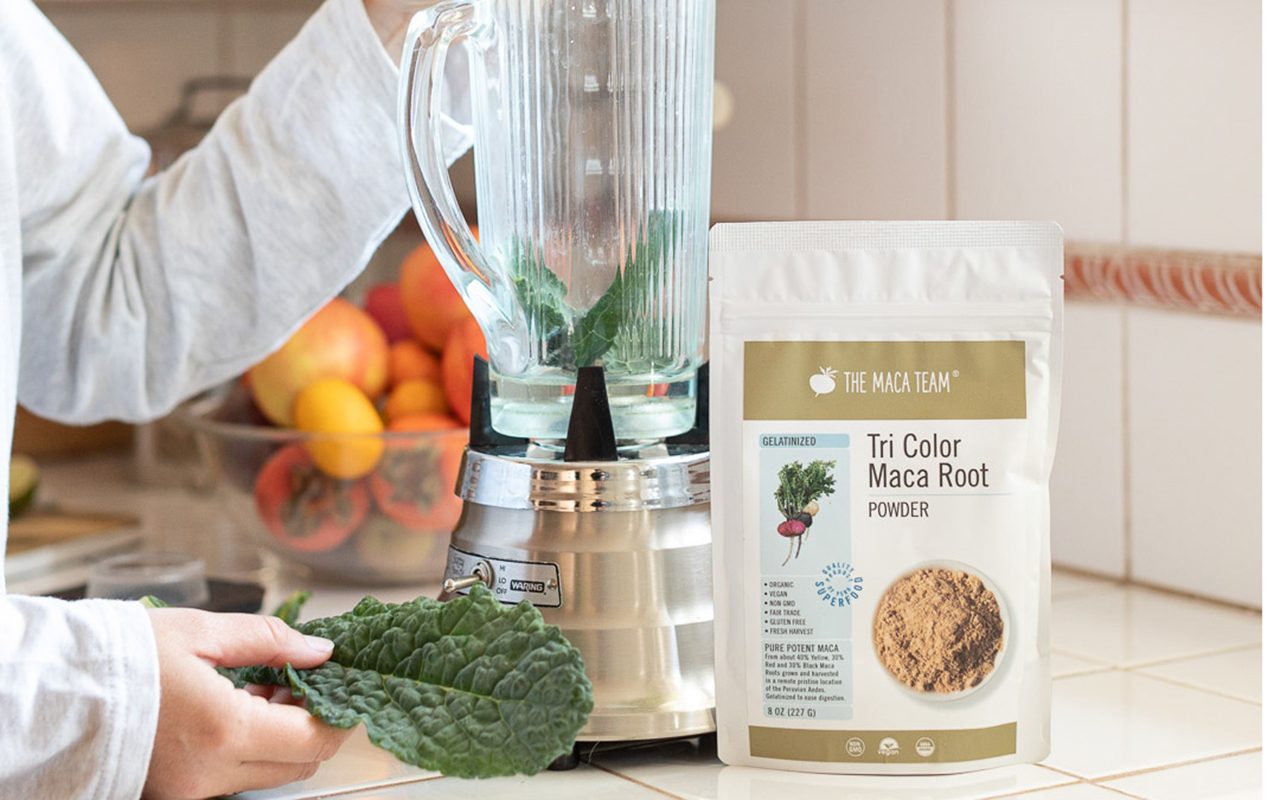
What Is Gelatinized Maca?
Gelatinized maca also starts as raw maca root, but it is then gently heated and pressurized to render most of the starch inactive.
Despite the name, no gelatin is added.
It is still completely plant-based and vegan.
The term “gelatinized” refers only to the process of rendering the starch content inert, not an ingredient.
Why Some People Prefer Gelatinized Maca
The main reason is digestion.
Because much of the starch has been rendered inactive, gelatinized maca is often:
- easier on the stomach
- less likely to cause bloating
- more comfortable for daily use
It is also more concentrated by weight, since the starch no longer makes up a large portion of the powder.
Gelatinized Maca May Be a Good Fit If You:
- feel bloated or uncomfortable with raw powders
- are sensitive to starch-rich foods
- want maca that is easier to digest
- prefer a more concentrated powder
Raw vs. Gelatinized Maca: Key Differences
1. Processing
- Raw maca: dried and ground
- Gelatinized maca: cooked, pressurized, and processed to render starch inactive
This is the foundational difference.
2. Digestibility
For many people, this is the deciding factor.
Raw maca contains naturally occurring starches that can be harder to digest for some individuals. This may lead to:
- gas
- bloating
- stomach discomfort
Gelatinized maca renders most of that starch inactive, which is why it is often the better choice for sensitive digestion.
3. Nutrient Profile
This is more nuanced.
- Raw maca retains more heat-sensitive compounds and enzymes
- Gelatinized maca may lose some of those during processing
- However, gelatinized maca is more concentrated, and some nutrients may become more available after heating
Both are still maca. The difference is not “good vs. bad,” but which form fits you better.
4. Taste and Texture
- Raw maca: more earthy, dense, and robust
- Gelatinized maca: smoother, lighter, and often easier to mix
Many people find gelatinized maca easier to use in drinks and smoothies.
5. Best Use Case
- Raw maca → best for those wanting minimal processing
- Gelatinized maca → best for those prioritizing digestion and ease of use
Comparison Table
Raw Maca vs. Gelatinized Maca
| Feature | Raw Maca | Gelatinized Maca |
|---|---|---|
| Processing | Dried and ground | Cooked, pressurized, and ground |
| Starch Content | Higher | Most rendered inactive |
| Digestion | Harder for some | Easier for many |
| Heat Exposure | No | Yes |
| Enzymes | More intact | Reduced |
| Concentration | Lower | Higher |
| Best For | Minimal processing | Sensitive digestion |
Is Gelatinized Maca Stronger Than Raw Maca?
It depends on what you mean by “stronger.”
- More concentrated per serving? → Yes, gelatinized maca can be
- Closer to the original root? → Raw maca
- Better results? → Depends on the individual
There is no universal “stronger” option—only what works better for your body.
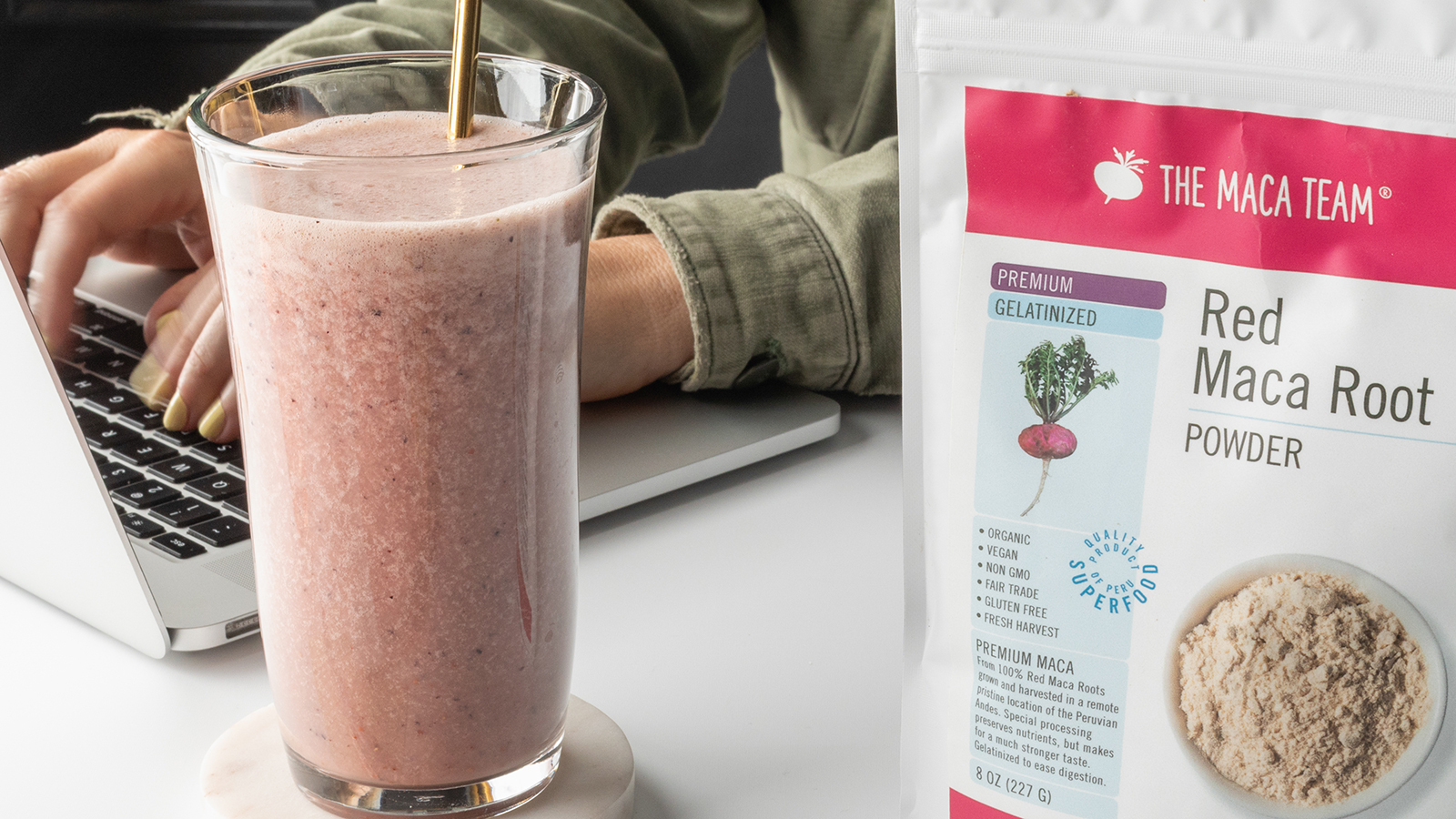
Is Raw Maca Better Than Gelatinized?
Not automatically.
Raw maca is simply less processed. That makes it appealing, but not necessarily better for everyone.
If raw maca sits well with you, it can be an excellent choice.
If it causes discomfort, then gelatinized maca is usually the better option—because a maca you can take consistently is more useful than one you avoid.
Which Maca Should You Start With?
A simple way to decide:
Start with raw maca if:
- you tolerate starch-heavy foods well
- you want the least processed option
Start with gelatinized maca if:
- you have sensitive digestion
- you tend to bloat easily
- you have tried raw maca and it didn’t sit well
If you are still getting started with maca generally, it may also help to read What to Expect from Maca.
What If Raw Maca Upsets Your Stomach?
This does happen for some people.
Raw maca contains a significant amount of natural starch, which can be difficult for certain individuals to digest.
If that is your experience, it does not mean maca is not for you.
It usually means gelatinized maca is a better fit.
Some people also find that using raw maca in food (rather than only in drinks) improves tolerance, since digestion begins in the mouth.
Does Gelatinized Maca Contain Gelatin?
No.
This is one of the most common misconceptions.
Gelatinized maca is 100% vegan. The name refers only to the starch-removal process—not an added ingredient.
Do Raw and Gelatinized Maca Come From Different Plants?
No.
They come from the same maca root.
The difference is entirely in how the root is processed after harvest.
Does Color Matter More Than Raw vs. Gelatinized?
Think of it in this order:
- Choose form → raw or gelatinized
- Choose color → red, black, yellow, or blend
- Choose format → powder, capsules, chips, extract
For digestion, raw vs. gelatinized usually matters more first. This is also one of the main distinctions covered in our broader Maca Types guide.
Our Perspective
If we had to simplify it:
- Raw maca → more traditional, less processed
- Gelatinized maca → easier to digest for many people
That is the core difference.
Neither is universally better. The right choice is the one that fits your digestion and how you actually use maca.
FAQ: Raw vs. Gelatinized Maca
Is raw maca healthier than gelatinized maca?
Not necessarily. Raw maca is less processed, while gelatinized maca is easier to digest. The better option depends on the individual.
Do Peruvians traditionally eat maca raw?
No, maca roots are traditionally boiled or baked before consumption.
Is gelatinized maca easier to digest?
Yes, for many people. That is its primary advantage.
Does raw maca cause bloating?
It can for some individuals due to its starch content.
Is gelatinized maca more concentrated?
Yes, gram for gram, because the starch has been rendered inactive.
Should beginners choose raw or gelatinized maca?
- Start with raw if digestion is strong
- Start with gelatinized if digestion is sensitive
Can I switch between them?
Yes. Many people do.
Are the benefits completely different?
No. Both are forms of maca. The main difference is digestion and processing.
Final Thoughts
Raw and gelatinized maca are not competing products—they are two useful forms of the same root.
- Choose raw maca for a more traditional, minimally processed option
- Choose gelatinized maca for easier digestion and daily consistency
In the end, the best maca is the one you can take comfortably and consistently.
Next Steps