
Maca and Acitve Lifestyle
 Maca root (scientific name Lepidium meyenii) has become increasingly popular after being associated with a wide variety of wellness benefits. It is often discussed in relation to energy and hormonal balance, but many people also use maca as part of routines centered on mobility, resilience, recovery, and staying active.
In this article, we take a closer look at how maca may fit into an active lifestyle, especially in areas such as exercise recovery, physical comfort, and day-to-day vitality. You can use the links below to jump directly to various sections of the article.
- What Is Maca Root?
- Can Maca Support an Active Lifestyle?
- What Does Science Say About Maca and Physical Comfort?
- What Customers Say
- Which Maca Is Best?
- How To Take Maca
- Frequently Asked Questions
- Related Topics
- Final Words
What Is Maca Root?
Maca root is a cruciferous vegetable that grows at high altitudes in the Andes of Peru and Bolivia. It belongs to the same broad family of vegetables as horseradish, but is nutritionally quite distinct. Maca has a dense nutritional profile, including some compounds that are unique to the plant. It has been cultivated for thousands of years and has long been valued for endurance, stamina, and vitality.
Maca is available in several forms, including powder, capsules, and extracts, which makes it easy to incorporate into daily routines.
Can Maca Support an Active Lifestyle?
Physical discomfort can have many causes. Maca is not a replacement for medical care, and it is not relevant to every kind of discomfort. However, it may be a useful addition to routines focused on an active lifestyle in the following areas:
Support during physical stress – Maca is often described as an adaptogen, meaning it may help the body maintain balance during physical and emotional stress. This is one reason active people often use it as part of their routines.
Support related to exercise recovery – Maca contains antioxidants and plant compounds that researchers have studied in relation to oxidative balance and recovery after exertion.
Support during hormonal transitions – Maca is widely discussed in relation to hormonal wellness, especially in women. Because hormonal transitions can sometimes influence day-to-day physical comfort, this is one of the areas where maca is commonly used.
Support for movement and stamina – Athletes and active individuals often use maca as part of routines centered on endurance, mobility, and post-exercise recovery.
Support for overall vitality – Emerging animal research has explored maca in relation to nerve health, inflammation pathways, and physical performance, all of which contribute to interest in maca as a food for active living.
What Does Science Say About Maca and Physical Comfort?
While traditional use and customer feedback suggest maca may be helpful in this area, the research is still limited. Here are some highlights from the published literature:
- A study from 2020 suggested that macaenes and macamides may be relevant to inflammatory pain pathways.
- A 2017 study found that maca administration in rats was associated with reduced persistent articular and neuropathic pain in that model.
- A 2024 study published in Menopause reported that maca supplementation was associated with reduced joint and muscle discomfort in women experiencing menopause.
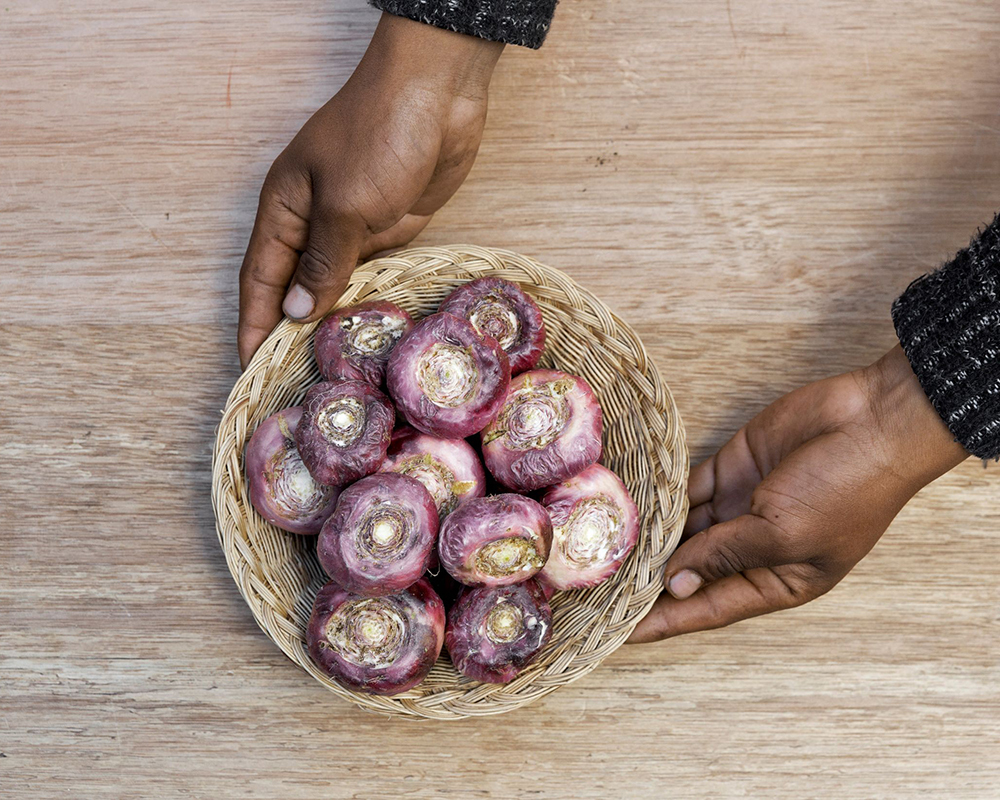
- A comprehensive study from 2023 concluded that maca root has strong anti-inflammatory properties, which may help explain why it is often discussed in relation to physical comfort.
- Additional animal studies have explored maca in relation to oxidative stress, post-exercise fatigue, and physical resilience.
These findings are promising, but more human research is needed before strong conclusions can be made.
What Customers Say
In more than 20 years of sourcing and selling maca, we’ve received many customer testimonials. Here are a few that relate to mobility, recovery, and active living. Individual experiences vary.
"After a bad fall, I was impressed by how quickly I seemed to recover and regain mobility while using maca as part of my routine." - Holly
"I had been dealing with severe leg cramps for over a year and was at a very low point. After starting red maca, I finally felt hopeful again and able to get active with my dogs." - Brittany Luba
"I have been struggling with fibromyalgia for years and this is the first supplement that has really made a noticeable difference in my energy and how my muscles feel." - Karissa
"My energy level is greatly improved. I feel good each day, and it seems to have taken the edge off some of my discomfort." - Becky Rugghia
Which Maca Is Best?
Maca root comes in a variety of colors and forms. There are meaningful differences between them. Before choosing any maca product, it is important to make sure that it:
- Comes from the high Andes of Peru
- Was grown organically
- Was harvested at the correct time
- Was dried and stored properly
- Is as fresh as possible
- Comes from a reputable, well-established company
When people choose maca for active-lifestyle goals, many prefer red maca because it is often described as being rich in phytonutrients. That does not mean black or yellow maca are without value, only that red maca is a common starting point.
Red maca comes in raw or gelatinized (pre-cooked) form. If you have sensitive digestion, gelatinized maca is usually the better choice because it is easier to digest.
Finally, you can choose maca powder, capsules, or extracts depending on your preferences.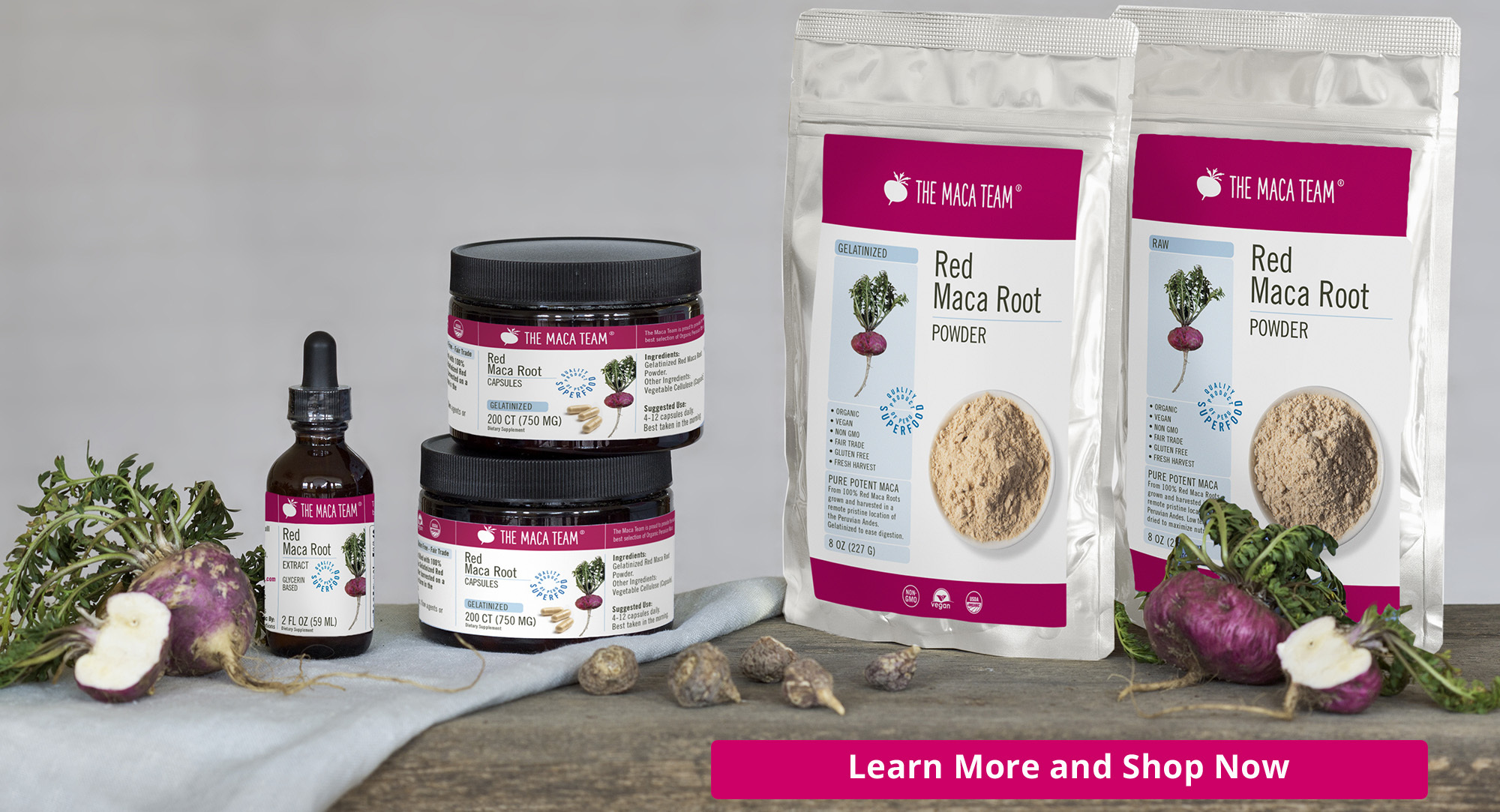
How To Take Maca
Many people prefer taking maca about 30 minutes before breakfast, though others use it in smoothies, shakes, or meals later in the day.
A common serving range is 3–9 grams per day. Consistency matters more than timing alone, and many people evaluate maca only after several weeks of regular use.
If you have questions about using maca alongside any medical condition or medication, it is best to check with a qualified healthcare professional.
Frequently Asked Questions
Can maca help support an active lifestyle?
Yes, maca is often used in routines centered on energy, stamina, recovery, and overall vitality.
Is maca anti-inflammatory?
Several studies have explored maca in relation to inflammation pathways and oxidative stress, which is one reason it is often discussed in this area.
Which maca is best for staying active?
Many people choose red maca for active-lifestyle support, though black and yellow maca may also fit different routines.
How long should I take maca before evaluating it?
Because maca is a food rather than a medication, many people use it consistently for several weeks before deciding how it fits into their routine.
Related Topics
- Maca and Recovery
- Maca and Muscle Support
- Maca and Natural Energy
- Maca and Athletic Performance
- Maca and Nutritional Benefits
Final Words
Maca is a nutrient-dense functional food that may be a useful addition to routines centered on activity, mobility, recovery, and day-to-day vitality. This is especially true when the goal is to support an active lifestyle through nutrition, consistency, and overall wellness habits.
While more scientific research is still needed, existing studies, traditional use, and customer experiences suggest maca may be worth exploring as part of a broader wellness approach.
Key Takeaways:
- Maca is often used for energy, recovery, and active-lifestyle support.
- It may be especially relevant to routines focused on movement, stamina, and vitality.
- Quality matters, and many people prefer red maca as a starting point.
- Consistency is important when evaluating how maca fits into your routine.
If you have any further questions, please let us know.
Thanks, and enjoy the day!