
Best Maca for Daily Use
Best Maca for Daily Use: How to Choose the Right Maca for Your Routine
Updated on
Reviewed by TMT editorial board
The best maca for daily use is usually not the strongest maca, the most specialized maca, or the most expensive maca.
It is the maca you can take comfortably and consistently.
That matters because maca is best used as part of a steady food-based routine. If the taste is too strong, the serving feels too heavy, or the form does not fit your lifestyle, it becomes harder to use regularly.
At The Maca Team, we have worked with Peruvian maca for more than 20 years. One thing we have learned is that “best” depends on the person. A smoothie drinker may prefer maca powder. A traveler may prefer maca capsules. Someone with sensitive digestion may prefer gelatinized maca. Someone new to maca may want a balanced starting point rather than a highly targeted option.
This guide will help you choose the best maca for daily use based on your routine, digestion, taste preferences, and experience level.
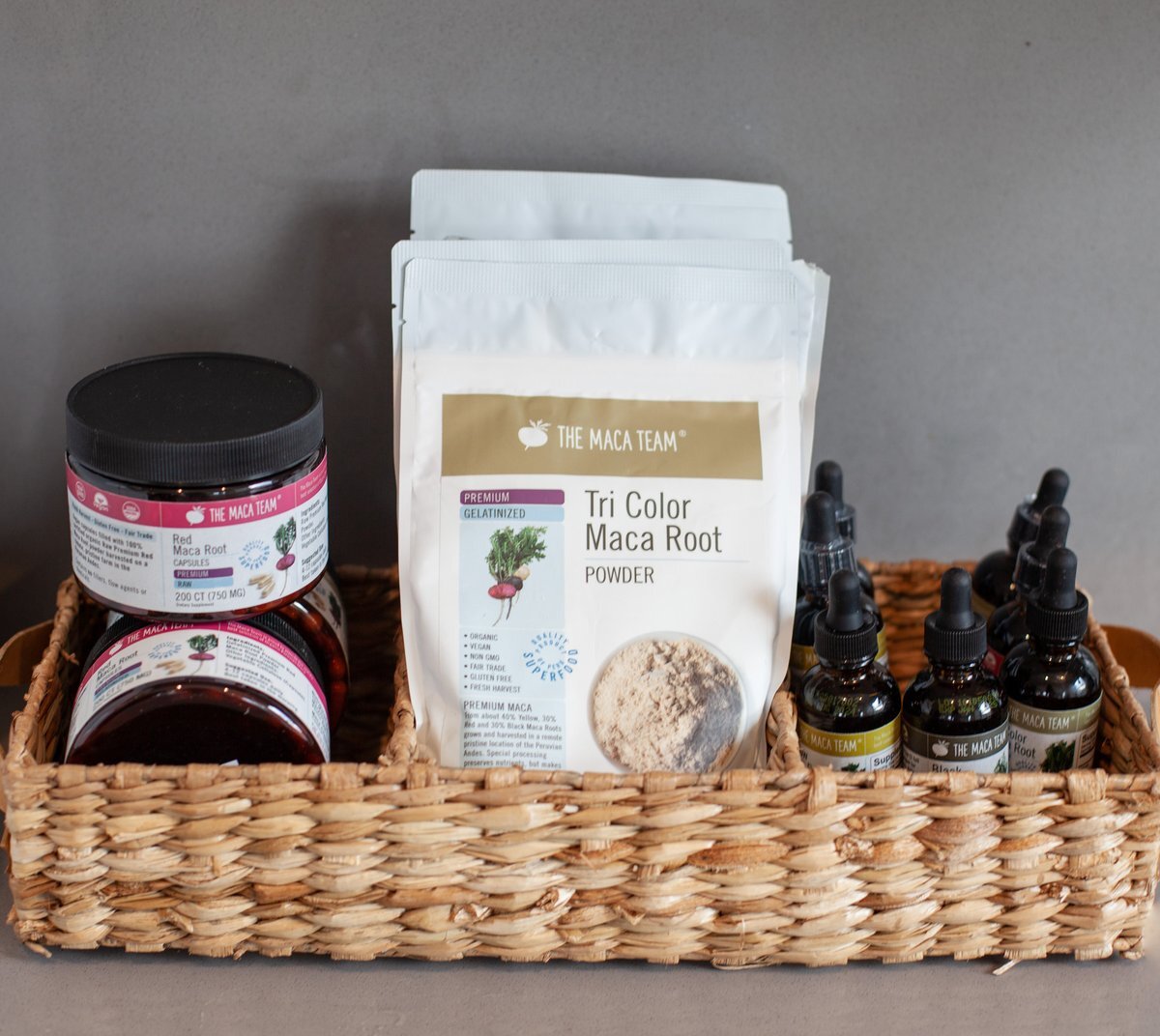
Best maca for daily use:
For most people, the best place to start is gelatinized tri-color maca, either as a powder or capsule. It combines red, black, and yellow maca roots, works in many foods and drinks, and is often easier to digest than raw maca.
If you want flexibility, choose maca powder. If you want convenience, choose maca capsules. If digestion is your main concern, choose gelatinized maca.
Best Maca for Daily Use: Quick Recommendations
The Maca Team Recommendation
After more than 20 years of working with Peruvian maca, our usual recommendation for daily use is simple:
Start with gelatinized tri-color maca unless you already have a reason to choose a specific color or form.
That recommendation does not mean tri-color maca is “stronger” than every other maca. It means it solves the most common daily-use needs at once.
It is balanced because it includes red, black, and yellow maca roots. It is practical because it works in many foods and drinks. It is adjustable because you can start with a small serving and build slowly. And because it is gelatinized, it is often easier on digestion than raw maca.
For most people, that makes gelatinized tri-color maca the best first daily maca. From there, you can choose a more specific maca color, capsule, extract, or blend if your routine or preferences become clearer.
How to Choose Your Daily Maca
Choosing maca does not need to be complicated. Start with your routine first.
Choose gelatinized tri-color maca powder if you want the best overall daily option.
Choose maca capsules if you want the easiest routine.
Choose gelatinized maca if digestion is your main concern.
Choose yellow maca if you want a mild traditional maca.
Choose red maca if you already prefer red maca or want a gentler, more targeted option.
Choose black maca if you are looking for a more targeted routine often preferred by men or active users.
For most beginners, the decision is simpler: start with gelatinized tri-color maca powder or capsules. Then adjust later if needed.
What Makes a Maca Good for Daily Use?
A good daily maca should meet three basic standards.
First, it should fit your routine. The best maca is the one you can use regularly. If you make smoothies, powder may be ideal. If you travel often or dislike the taste of maca, capsules may be better. If you prefer warm drinks, gelatinized powder is usually easier to mix into your day.
Second, it should feel comfortable. Digestion matters, especially if you plan to take maca regularly. Some people digest raw maca well. Others find that raw maca feels too heavy, especially at larger servings. For those people, gelatinized maca is often the better daily choice.
Third, it should be high quality. If you take maca daily, sourcing, freshness, preparation, and testing matter even more. Look for maca that is grown in Peru, certified organic, properly processed, fresh, clearly labeled, and tested for purity and safety.
For daily use, the goal is not to take the most intense maca possible. The goal is to find a clean, well-sourced maca that is easy to use consistently.
Powder or Capsules: Which Is Better for Daily Use?
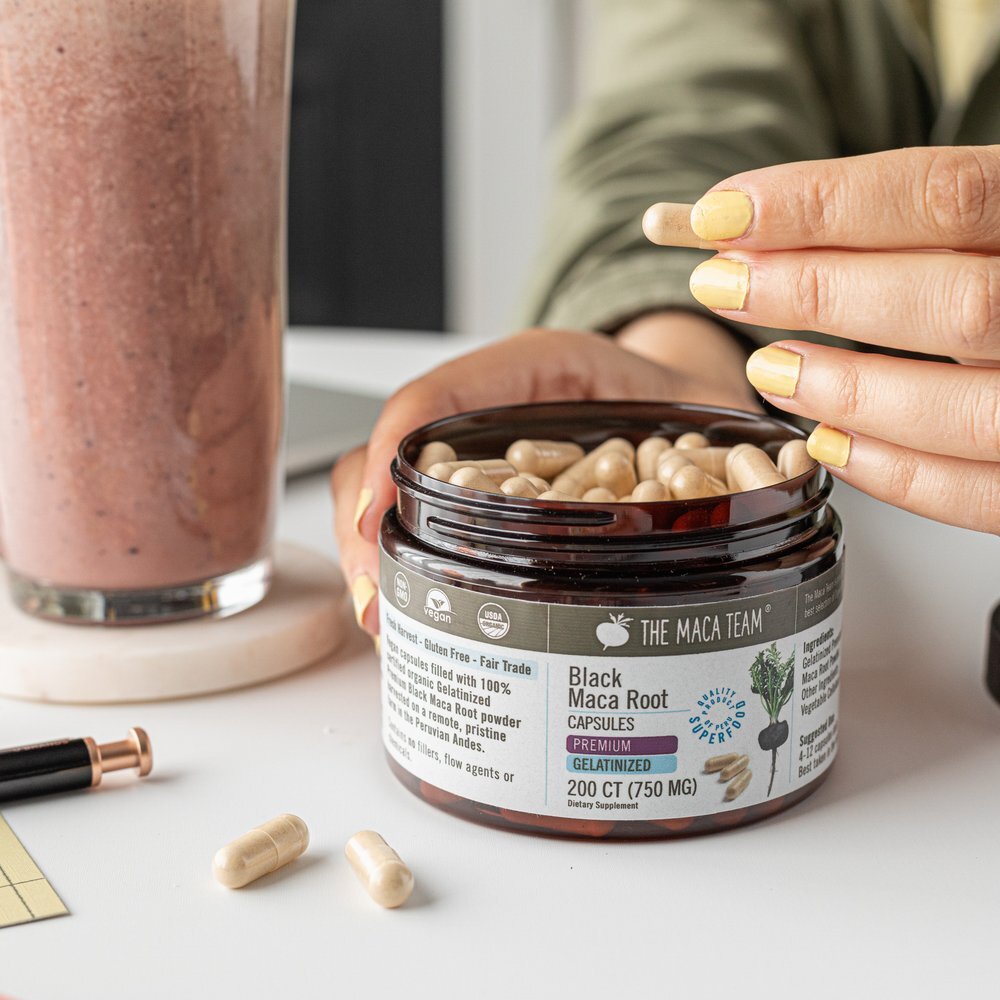
Both powder and capsules can work well. The better choice depends on how you prefer to use maca.
Maca powder is the most flexible daily option. You can add it to smoothies, oatmeal, coffee, warm drinks, yogurt, protein shakes, energy bites, and baked recipes. Powder also makes it easy to adjust your serving size. You can start with a small amount and slowly increase if desired.
Maca powder is usually the best choice if you like making smoothies, warm drinks, or simple recipes.
Maca capsules are best for people who want a simple, measured daily routine. They are a good fit if you do not like maca’s flavor, travel often, do not make smoothies or warm drinks, prefer a consistent serving, or want the fastest option.
Capsules are not necessarily better than powder. They are simply easier for some people to use every day. The key is to choose capsules made from pure maca powder without unnecessary fillers.
Raw or Gelatinized Maca for Daily Use?
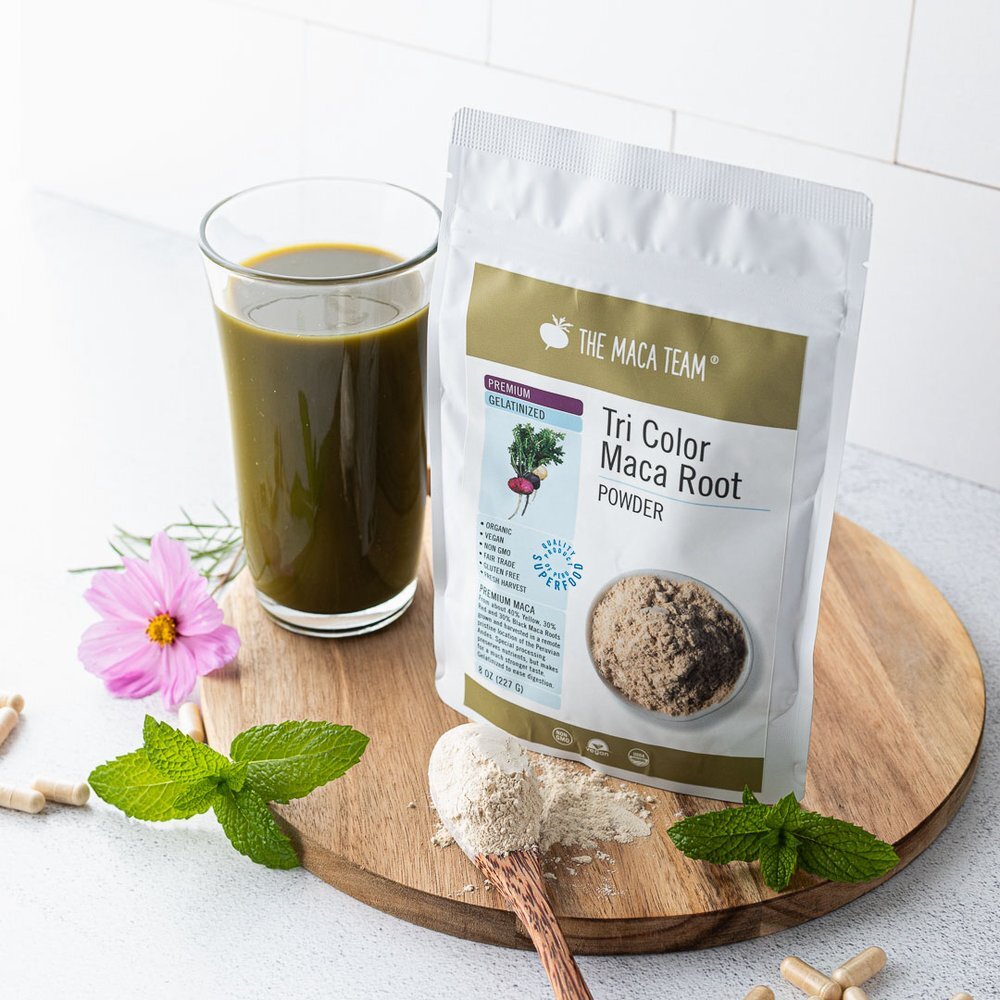
For daily use, many people prefer gelatinized maca.
Gelatinized maca is not gelatin and does not contain animal ingredients. The term refers to a preparation method in which maca is heated with water to reduce much of the starch. The result is a more concentrated maca powder that many people find easier to digest.
Choose gelatinized maca if you are new to maca, have sensitive digestion, find that raw maca feels heavy or bloating, plan to take maca daily, or prefer warm drinks and cooked-food preparations.
Choose raw maca if you already know you digest it well, prefer a minimally processed maca powder, enjoy its stronger earthy flavor, or are comfortable using it in smoothies and recipes.
Both forms can be useful. But for daily use, especially for beginners, gelatinized maca is often the better starting point.
Which Maca Color Is Best for Daily Use?

Maca roots naturally grow in several colors, including yellow, red, black, and mixed-color roots. Each color has its own traditional reputation and user preference.
For general daily use, tri-color maca is the easiest starting point because it gives you a balanced blend of red, black, and yellow maca without requiring you to choose one specific color.
Yellow maca is the most common maca color. It is mild, versatile, and often used as a general everyday maca. It can be a good choice if you want something simple and traditional.
Red maca is often chosen by people who want a gentler, more targeted maca routine. It is popular among women and older adults, though it can be used by anyone.
Black maca is often selected by men, athletes, and active people. It has a stronger reputation among maca users, but it may not be necessary as a first daily maca.
Simple recommendation: if you are not sure which color to choose, start with tri-color maca. If you later want a more specific routine, you can explore red maca, black maca, yellow maca, or targeted blends.
How Much Maca Should You Take Daily?
A common daily serving range is 3–9 grams of maca powder per day, or the equivalent in capsules.
For beginners, it is usually better to start lower.
A Simple Starting Plan
- Days 1–7: Start with ½ teaspoon to 1 teaspoon daily.
- After the first week: Increase gradually if desired.
- Ongoing: Stay with the amount that feels comfortable and sustainable.
Most people do not need to rush toward a larger serving. Maca is best approached gradually, especially if you are new to it.
If you are using capsules, follow the serving guidance on the product label and adjust slowly based on your own response. For more details, see our full guide to maca dosage.
When Is the Best Time to Take Maca Daily?
The best time to take maca is the time you can repeat consistently.
For many people, that means morning or early afternoon.
Good daily timing options include:
- With breakfast
- In a morning smoothie
- In coffee or a warm drink
- With oatmeal or yogurt
- With lunch
- In an afternoon smoothie or snack
Some people prefer not to take maca late in the day, especially if they find it energizing. If you are unsure, start with morning use.
The most important thing is to attach maca to a routine you already have. That makes consistency easier. You can also read our guide to when to take maca.
How to Build a Simple Daily Maca Routine

A daily maca routine does not need to be complicated. Start with one repeatable habit.
You might add 1 teaspoon of gelatinized maca to a morning smoothie, take maca capsules with breakfast, stir maca powder into oatmeal, blend maca with cacao and warm plant milk, add maca to a post-workout smoothie, or mix maca into yogurt with fruit and nuts.
A good routine should feel easy enough to continue. If it requires too much preparation, it probably will not last.
Start small, use it at the same time each day, pay attention to digestion, adjust slowly, and keep the routine realistic. The best daily maca habit is the one you will actually follow.
What Should Daily Maca Feel Like?
Maca is not usually something people take once and immediately understand.
For many users, the experience is gradual and subtle. Some people notice changes in how they feel within a week or two. Others need longer. Some mainly notice maca as part of an overall routine that includes food, sleep, movement, and daily habits.
It is better to think of maca as a traditional food and daily wellness support, not as a quick fix.
Reasonable expectations include a subtle experience, gradual changes, and individual variation. Consistency usually matters more than taking a large serving once in a while. More is not always better, and digestion should feel comfortable.
If maca does not feel right for you, reduce the serving, pause, or try a different form. You can also read our guide to what to expect from maca.
Is Maca Safe to Take Every Day?
Many people use maca daily as part of their normal routine. Some people prefer to cycle it, while others take it regularly.
A practical approach is to listen to your body. Consider reducing your serving or pausing maca if you notice digestive discomfort, feeling overstimulated, trouble sleeping, headaches, or any unusual response.
If you are pregnant, nursing, taking medication, managing a medical condition, or unsure whether maca is appropriate for you, consult a qualified healthcare professional before using it.
Important note: Maca is a food-based supplement. It is not intended to diagnose, treat, cure, or prevent disease. For more safety guidance, see our full guide to maca root side effects.
What to Look for When Buying Maca for Daily Use
Because daily use means regular use, quality matters.
Look for maca that is grown in Peru, certified organic, fresh tasting, properly dried and processed, free from unnecessary fillers, clearly labeled by form and color, tested for purity and safety, and sold by a company with direct maca experience.
Maca is not just a generic powder. Growing region, drying method, processing, freshness, and testing can all affect quality.
For occasional use, those details matter. For daily use, they matter even more.
Common Mistakes with Daily Maca Use
Taking too much too soon. Start small. You can always increase later.
Choosing the wrong form. If you dislike the taste, use capsules. If you want recipe flexibility, use powder.
Ignoring digestion. If maca feels heavy, try gelatinized maca or reduce your serving.
Expecting immediate results. Maca is best used as part of a steady routine, not as a one-time solution.
Buying only by price. Low-cost maca may not offer the sourcing, freshness, or testing standards you want for daily use.
Switching too often. Try one form consistently before deciding whether it works for you.
Best Maca for Daily Use: Final Recommendation
For most people, the best maca for daily use is gelatinized tri-color maca powder.
It is balanced, flexible, and often easier to digest than raw maca. It works well in smoothies, oatmeal, coffee, warm drinks, yogurt, and simple recipes.
If you want the easiest possible option, choose gelatinized tri-color maca capsules instead.
If you already know you prefer a specific maca color, you can choose red maca, black maca, yellow maca, or a blend based on your routine and preferences. But if you are starting fresh, tri-color maca is the simplest everyday choice.
The best daily maca is the one that fits your real life.
Start small. Choose quality. Keep it simple. Adjust slowly. Let your routine develop from there.
Ready to Choose Your Daily Maca?
For most people, gelatinized tri-color maca is the best place to start. If you want flexibility, choose powder. If you want convenience, choose capsules. If you are still comparing options, start with our full maca comparison guide.
FAQ: Best Maca for Daily Use
What is the best maca to take every day?
For most people, gelatinized tri-color maca is the best daily choice. It is balanced, versatile, and often easier to digest than raw maca.
What is the best maca powder for daily use?
Gelatinized tri-color maca powder is usually the best maca powder for daily use because it works well in smoothies, oatmeal, coffee, warm drinks, yogurt, and simple recipes.
What are the best maca capsules for daily use?
The best maca capsules for daily use are capsules made with pure maca powder and no unnecessary fillers. Gelatinized tri-color maca capsules are a good choice for people who want a simple, measured daily routine.
Is maca powder or capsules better for daily use?
Maca powder is better if you want flexibility and like adding maca to smoothies, oatmeal, coffee, or recipes. Capsules are better if you want convenience, easy measuring, or no maca taste.
Is gelatinized maca better for daily use?
For many people, yes. Gelatinized maca is often easier to digest because much of the starch has been reduced through heating. That makes it a good daily option, especially for beginners or people with sensitive digestion.
Which maca color is best for daily use?
Tri-color maca is usually the best general daily choice because it includes red, black, and yellow maca roots. Yellow maca is also a mild everyday option.
How much maca should I take daily?
A common daily range is 3–9 grams of maca powder, or the equivalent in capsules. Beginners often start with less, such as ½ teaspoon to 1 teaspoon daily, and increase gradually if desired.
When should I take maca?
Most people take maca in the morning or early afternoon. It works well with breakfast, smoothies, coffee, oatmeal, or lunch.
Can I take maca every day?
Many people take maca daily. Some prefer to cycle it. If you have a medical condition, take medication, are pregnant or nursing, or experience unusual symptoms, speak with a healthcare professional.
What if maca bothers my stomach?
Reduce your serving size, pause use, or try gelatinized maca. If discomfort continues or feels significant, stop using maca and consult a healthcare professional.
Is black maca best for daily use?
Black maca can be a good daily choice for people who specifically want black maca, especially active users or men. But for most general daily use, tri-color maca is usually the simpler starting point.
Is red maca good for daily use?
Yes. Red maca can be used daily and is often chosen by people who want a gentler, more targeted maca routine. Tri-color maca may be better if you want a broader everyday blend.
Is yellow maca good for daily use?
Yes. Yellow maca is mild, traditional, and versatile. It can be a good daily maca for people who want a simple option without choosing a targeted color.
Should beginners start with maca powder or capsules?
Beginners can start with either. Powder is better for adjusting serving size and adding maca to food. Capsules are better for convenience. For most beginners, gelatinized tri-color maca is the easiest type to start with in either form.
Helpful Next Steps
References and Further Reading
- The Maca Team: Maca Dosage
- The Maca Team: Maca Forms
- The Maca Team: Best Maca for Beginners
- The Maca Team: Maca Root Side Effects
- National Center for Complementary and Integrative Health: Dietary and Herbal Supplements
- National Center for Complementary and Integrative Health: Using Dietary Supplements Wisely
- A Comprehensive Review of the Effects of Maca, Frontiers in Pharmacology, 2024
- Not All Maca Is Created Equal: A Review of Colors, Nutrition, Phytochemistry, and Safety, Nutrients, 2024