
Best Maca for Sensitive Digestion
Best Maca for Sensitive Digestion: How to Choose Maca That Feels Easier on the Stomach
Updated on
Reviewed by TMT editorial board
For sensitive digestion, the best maca is usually gelatinized maca, taken in a small serving and increased slowly.
That is the simplest place to start.
Maca is a traditional Peruvian root food, and many people use it comfortably as part of a daily wellness routine. But some people notice gas, bloating, stomach heaviness, or mild digestive discomfort when they first start taking maca, especially if they begin with raw maca powder, take too much at once, or take it on an empty stomach.
At The Maca Team, we have worked with Peruvian maca for more than 20 years. We started by offering raw maca products, but we soon learned that raw maca can cause temporary stomach upset for some people. Because of that, we began offering our maca products in gelatinized form as well.
For sensitive digestion, gelatinized maca is usually the better starting point because the cooking process changes the starch structure of the root and makes it easier for many people to tolerate.
This guide will help you choose the best maca for sensitive digestion, compare raw and gelatinized maca, decide between powder, capsules, and extracts, and build a gentle starting routine.
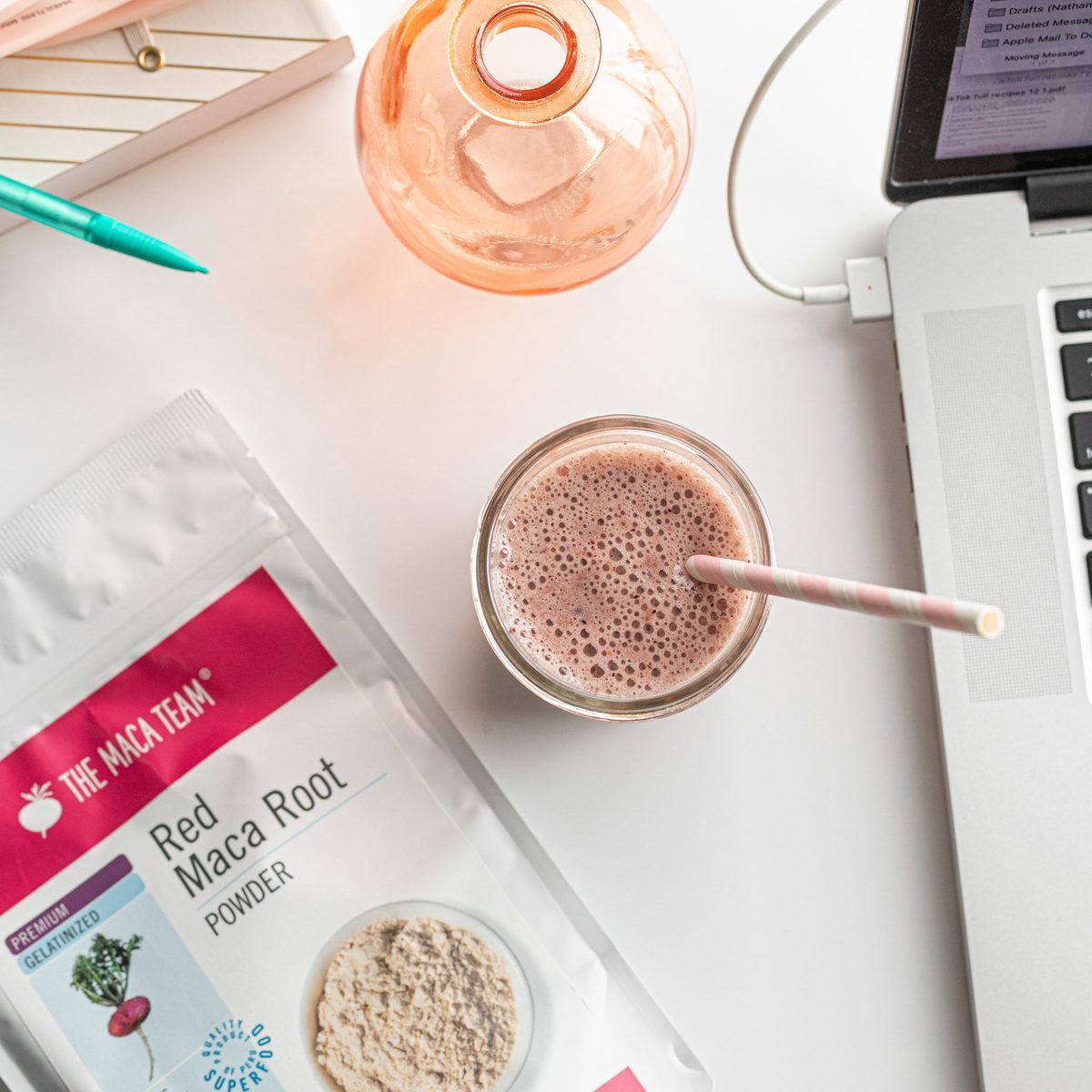
Best maca for sensitive digestion:
For most people with sensitive digestion, the best place to start is gelatinized maca. If you want a balanced everyday option, choose gelatinized tri-color maca. If you want the mildest and simplest option, choose gelatinized yellow maca.
If you want a measured serving, choose gelatinized maca capsules. If you want the easiest portable option, consider liquid maca extract.
Best Maca for Sensitive Digestion: Quick Recommendations
The Maca Team Recommendation
After more than 20 years of working with maca, our recommendation for sensitive digestion is straightforward:
Start with gelatinized maca of any color, begin with a small serving size, and increase slowly only if it feels comfortable.
For most people, we recommend starting with gelatinized tri-color maca if you want a balanced everyday option, or gelatinized yellow maca if you want the mildest and simplest starting point.
The form matters more than the color here. Red, black, yellow, and tri-color maca can all be used by people with sensitive digestion if the maca is gelatinized and the serving size is appropriate.
The practical distinction is simple: raw maca is less processed and contains the full starch structure of the root, while gelatinized maca has been prepared so that the starch structure is easier for many people to digest. You can read more in our guide to raw vs. gelatinized maca.
Why Maca Can Bother Some People’s Stomach
Maca is generally well tolerated by many people, but it is still a dense root food. Like many concentrated foods or supplements, it can feel different from person to person.
Digestive discomfort is more likely when someone:
- Starts with too much maca
- Uses raw maca when digestion is sensitive, especially when sensitive to starches
- Takes maca on an empty stomach
- Adds maca to a very rich smoothie or heavy meal
- Uses several new supplements at the same time
- Uses stale or low-quality maca
- Has an underlying digestive condition that makes new foods harder to tolerate
A 2024 review of maca noted that 3 grams of maca powder daily for 12 weeks was associated with some transient adverse events, including gastrointestinal upset, headache, and irritability, while also describing maca as generally safe in the available research.
That does not mean maca is “bad for digestion.” It means the form, serving size, timing, and individual sensitivity all matter.
Raw vs. Gelatinized Maca for Sensitive Digestion

For sensitive digestion, this is the most important decision.
Raw Maca
Raw maca is dried and milled into powder without the gelatinization process. It contains the full starch structure of the root.
Raw maca can be a good choice for people who digest it well. It is less processed, has a stronger earthy flavor, and works well in smoothies or recipes.
But for some people, raw maca may feel heavy. Raw maca contains naturally occurring starches that can be harder to digest for some individuals, which may lead to gas, bloating, or stomach discomfort.
Gelatinized Maca
Gelatinized maca is not gelatin. It does not contain animal ingredients.
The term “gelatinized” refers to a heat-and-water preparation process that changes the starch structure of the maca root. This is why gelatinized maca is often easier for people with sensitive digestion.
Gelatinization does not mean all starch disappears. It means the starch structure changes, making maca easier to digest for many people.
Simple answer: raw maca may work if you digest it well. Gelatinized maca is usually better if digestion is your concern.
Does Gelatinized Maca Contain Gelatin?
No.
Gelatinized maca does not contain gelatin, collagen, or animal products. It is still 100% plant-based maca.
This is a common point of confusion. “Gelatinized” describes what happens to the starch structure during cooking. It does not mean gelatin has been added.
For people who are vegan or vegetarian, gelatinized maca remains a plant-based option.
Which Maca Color Is Best for Sensitive Digestion?

For sensitive digestion, type matters more than color.
That means gelatinized yellow maca, gelatinized red maca, gelatinized black maca, and gelatinized tri-color maca can all be easier to digest than raw maca for many people.
Gelatinized tri-color maca is usually the best overall starting point for sensitive digestion if you want a balanced daily maca. It combines red, black, and yellow maca roots and is useful if you do not want to choose one specific color.
Gelatinized yellow maca is often the mildest everyday choice. If your main goal is to start gently, and you do not have a specific reason to choose red or black maca, gelatinized yellow maca may be the simplest option.
Gelatinized red maca is often chosen by people who want a gentler, more targeted maca routine. It is popular among women and older adults, though it can be used by anyone.
Gelatinized black maca is often chosen by men, athletes, and active people. It may be a good choice if you want a more targeted routine, but for sensitive digestion, choose gelatinized black maca rather than raw black maca.
Simple recommendation: if you are not sure which color to choose, start with gelatinized tri-color maca. If you want the mildest and simplest option, start with gelatinized yellow maca. If you already know you prefer red or black maca, choose the gelatinized version of that color.
Maca Powder, Capsules, or Extracts for Sensitive Digestion?

Powder, capsules, and extracts can all work. The better choice depends on whether you want flexibility, measured servings, or maximum convenience.
Gelatinized maca powder gives you the most control. That can be helpful for sensitive digestion because you can start with a very small amount, such as ¼ teaspoon or ½ teaspoon, rather than jumping into a full serving.
Gelatinized maca powder works well in smoothies, oatmeal, warm drinks, yogurt, breakfast bowls, and simple recipes. Powder is best if you want to start gradually and adjust your serving day by day.
Gelatinized maca capsules are better if you want a simple, measured routine. They are also a good choice if maca’s taste bothers you, or if you want to avoid accidentally adding too much powder to a smoothie.
Capsules are not automatically easier to digest than powder. The key is whether the maca inside the capsule is gelatinized and whether the serving size works for you.
Liquid maca extract may be the easiest option if you want something portable and quick to take. Liquid extracts use an extraction process and are typically taken in very small amounts, which some people find simple and light to use.
Customers report similar results when using extracts, capsules, or powder, but the best form is still the one that fits your routine and feels comfortable for your body.
How to Start Maca If You Have Sensitive Digestion
For sensitive digestion, the best approach is slow and simple.
Do not start with a full serving. Do not start with multiple maca products at once. Do not start on an empty stomach.
A Gentle Starting Plan
- Days 1–3: Start with ¼ teaspoon gelatinized maca powder, or 1 capsule, taken with food.
- Days 4–7: If it feels comfortable, increase to ½ teaspoon powder, or continue with the same capsule serving.
- Week 2: Increase gradually only if desired.
- Ongoing: Stay with the lowest serving that feels comfortable and useful.
Many people do best when they take maca with breakfast or lunch. Taking maca with food may help it feel easier on the stomach. For more detailed serving guidance, see our full guide to maca dosage.
Should You Take Maca With Food?
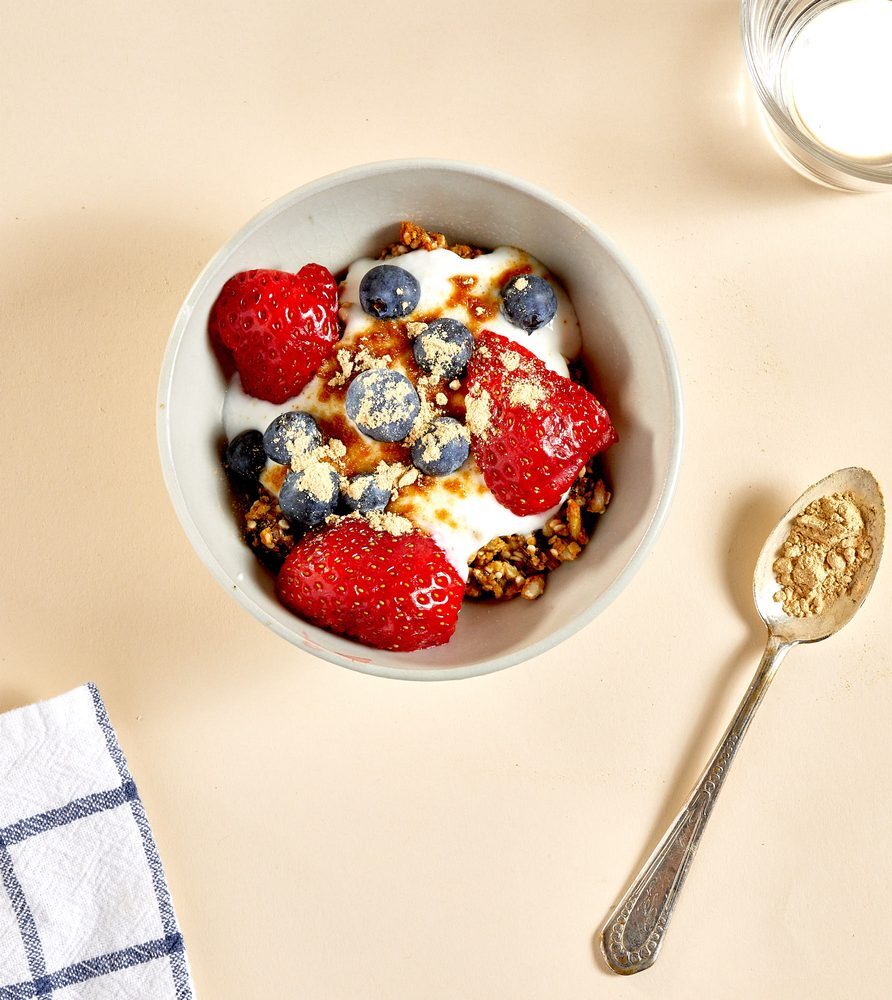
For sensitive digestion, yes.
Taking maca with food is usually easier than taking it on an empty stomach.
Good options include:
- Oatmeal
- Yogurt
- Smoothies
- Toast with nut butter
- Breakfast bowls
- Warm drinks with food
- Lunch
A simple smoothie can work well, but keep it easy at first. If your smoothie already has protein powder, nut butter, greens, fiber powder, and several other supplements, it may be hard to know what is causing digestive discomfort.
For the first week, keep the routine simple. Try maca with a familiar food you already digest well.
What If Maca Still Bothers Your Stomach?
If maca bothers your stomach, do not push through it.
Try this sequence:
- Reduce the serving.
- Try taking it without fruit or fruit juice.
- Switch from raw maca to gelatinized maca.
- Use a simpler routine with fewer other supplements.
- Pause maca for a few days.
- Try a smaller serving again later if appropriate.
If discomfort continues, stop using maca.
If you have persistent digestive symptoms, an existing gastrointestinal condition, or symptoms that feel unusual or significant, speak with a qualified healthcare professional.
NCCIH advises consumers to be careful with dietary and herbal supplements, especially when taking medications, managing health conditions, or considering supplements during pregnancy, nursing, or childhood.
Is Maca Good for Gut Health?
This is a different question from “which maca is easiest to digest?”
Maca is a nutrient-dense root food. Some people use it comfortably as part of a gut-conscious diet. But maca should not be presented as a treatment for digestive conditions.
The more practical question for sensitive users is:
Which form of maca can I actually tolerate?
For many people, the answer is gelatinized maca. It is still maca root, but it has been prepared in a way that many sensitive users find easier to digest.
If you have IBS, reflux, inflammatory bowel disease, celiac disease, food intolerances, or unexplained digestive symptoms, maca should be approached carefully and discussed with a healthcare professional when needed.
Is Gelatinized Maca Less Nutritious Than Raw Maca?
Gelatinized maca is cooked, so it is not identical to raw maca.
Some heat-sensitive compounds such as vitamin C and enzymes are reduced during processing. At the same time, gelatinized maca may be easier to digest for many people, and some users prefer it because it feels lighter and more practical for daily use.
For sensitive digestion, the question is not only “which form has the most of every compound?” It is also “which form can you actually use comfortably?”
For many people, gelatinized maca is the better practical choice.
Best Maca Forms for Sensitive Digestion
Best overall: gelatinized tri-color maca. This is the best general choice for people who want a balanced daily maca and easier digestion. It is especially useful if you are new to maca and do not know whether red, black, or yellow maca is the best fit for you.
Best mild option: gelatinized yellow maca. This is the simplest and mildest choice for many people. It may be a good starting point if your main goal is gentle daily use rather than a targeted color.
Best for measured servings: gelatinized maca capsules. This is a good option if you want a consistent serving and no maca taste. Capsules can also help prevent the common mistake of adding too much powder too soon.
Best for ease of use: liquid maca extracts. This is the best option if you want the simplest and quickest way to take maca. Extracts are also easy to take with you on the go.
Best for flexible serving size: gelatinized maca powder. This is the best option if you want to start very small and adjust slowly. Powder is especially useful if you want to begin with ¼ teaspoon or ½ teaspoon.
Best targeted options: gelatinized red or black maca. Choose gelatinized red maca if you already prefer red maca or want a gentler targeted option. Choose gelatinized black maca if you want a more targeted routine often preferred by men or active people.
What to Avoid If You Have Sensitive Digestion
If your stomach is sensitive, avoid starting with:
- Large servings of raw maca powder
- Maca on an empty stomach
- Multiple new supplements at the same time
- Very rich smoothies with many ingredients
- Late-day servings if maca feels energizing
- Low-quality maca with unclear sourcing
- Increasing the serving too quickly
The most common mistake is taking too much too soon.
Maca is not a race. Start small.
Best Maca for Sensitive Digestion: Final Recommendation
For most people with sensitive digestion, the best maca is gelatinized maca.
If you want the most balanced daily option, choose gelatinized tri-color maca.
If you want the mildest and simplest option, choose gelatinized yellow maca.
If you want measured servings and no taste, choose gelatinized maca capsules.
If you want the easiest portable option, consider liquid maca extract.
If you want maximum control over serving size, choose gelatinized maca powder and start with a very small amount.
The most important rule is simple:
Start small, choose gelatinized maca, take it with food if needed, and increase slowly only if it feels comfortable.
Maca should feel like something your body can work with, not something you have to force.
Ready to Choose a Gentler Maca?
For sensitive digestion, gelatinized maca is usually the best place to start. Choose tri-color for a balanced daily option, yellow for a mild starting point, capsules for measured servings, or extracts for the easiest portable option.
FAQ: Best Maca for Sensitive Digestion
What is the best maca for sensitive digestion?
Gelatinized maca is usually the best maca for sensitive digestion because the cooking process changes the starch structure, making it easier for many people to tolerate.
Is gelatinized maca easier to digest than raw maca?
For many people, yes. Raw maca contains naturally occurring starches that may feel heavy for some people, while gelatinized maca is cooked in a way that makes it easier to digest.
Does gelatinized maca contain gelatin?
No. Gelatinized maca does not contain gelatin or animal products. It is vegan. The word “gelatinized” refers to the heat-and-water process used to change the starch structure.
Which maca color is best for sensitive digestion?
For sensitive digestion, form matters more than color. Gelatinized tri-color maca is a good balanced starting point, while gelatinized yellow maca may be the mildest simple option.
Is raw maca bad for sensitive digestion?
Raw maca is not bad, but it may be harder to digest for some people. If you have sensitive digestion or have had stomach upset from raw maca, gelatinized maca is usually the better choice.
Should I take maca with food?
Yes. If you have sensitive digestion, taking maca with food is usually better than taking it on an empty stomach.
How much maca should I start with if I have a sensitive stomach?
Start with a small amount, such as ¼ teaspoon to ½ teaspoon of gelatinized maca powder, or 1 capsule with food. Increase slowly only if it feels comfortable.
Are maca capsules better for sensitive digestion?
Maca capsules can be a good option because they are measured and convenient. For sensitive digestion, choose gelatinized maca capsules rather than raw maca capsules.
Can maca cause bloating?
Some people may experience gas, bloating, stomach heaviness, or mild digestive discomfort, especially with raw maca or larger servings. Reducing the serving or switching to gelatinized maca may help.
What should I do if maca upsets my stomach?
Reduce the serving, take it with food, switch to gelatinized maca, or pause use. If discomfort continues or feels significant, stop using maca and speak with a healthcare professional.
Is gelatinized maca less nutritious than raw maca?
Gelatinized maca is cooked, so some heat-sensitive compounds may be reduced. However, many people choose it because it is easier to digest and more practical for daily use.
Can I take maca if I have IBS or reflux?
If you have IBS, reflux, inflammatory bowel disease, or another digestive condition, start carefully and consider speaking with a healthcare professional before using maca regularly.
Helpful Next Steps
References and Further Reading
- The Maca Team: Ways to Avoid Upset Stomach When Taking Maca
- The Maca Team: Raw vs. Gelatinized Maca
- The Maca Team: Gelatinized vs. Fermented Maca
- The Maca Team: Maca Root Side Effects
- The Maca Team: Maca Dosage
- National Center for Complementary and Integrative Health: Dietary and Herbal Supplements
- National Center for Complementary and Integrative Health: Using Dietary Supplements Wisely
- Memorial Sloan Kettering Cancer Center: Maca
- Frontiers in Pharmacology, 2024: A Comprehensive Review of the Effects of Maca
- Nutrients, 2024: Not All Maca Is Created Equal: A Review of Colors, Nutrition, Phytochemistry, and Safety