
What Makes Peruvian Maca Different From Other Maca?
As maca root has grown in popularity around the world, more products have entered the market claiming to offer the benefits of this ancient superfood. But one important detail often gets overlooked: where the maca is actually grown.
True maca originates in Peru, where the plant has been cultivated for thousands of years in the harsh, high-altitude environment of the Andes Mountains. The location, climate, and traditional farming methods all play a major role in what makes Peruvian maca unique.
If you’ve ever wondered why authentic Peruvian maca matters, here’s what sets it apart from other maca products on the market.
Maca Is Native to Peru
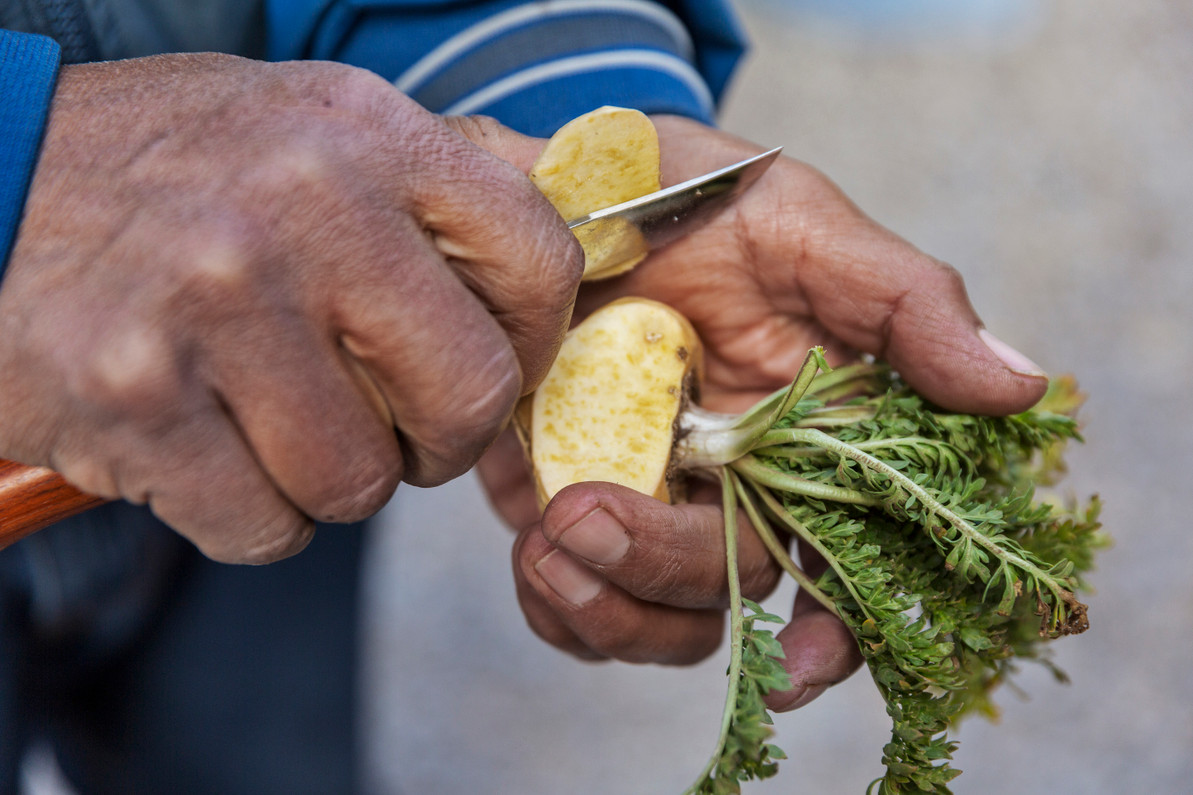
Maca (Lepidium meyenii) is a root vegetable that grows naturally in the central Andes of Peru at elevations above 13,000 feet. Few crops on Earth can survive these extreme conditions, which include freezing temperatures, strong winds, intense sunlight, and rocky soil.
For generations, Peruvian farmers have cultivated maca in this challenging environment using traditional agricultural practices passed down through families and communities.
Because maca evolved specifically in this region, Peru remains the plant’s natural home. The combination of altitude, mineral-rich soil, and climate is difficult to replicate elsewhere.
The Growing Environment Matters
Like wine grapes or coffee beans, a plant’s environment influences its quality. In the case of maca, the high Andes create a unique ecosystem that contributes to the root’s composition and characteristics.
Peruvian maca develops slowly in the cold mountain climate, allowing the root to mature naturally before harvest. Many maca enthusiasts believe this traditional growing process contributes to the plant’s distinct flavor, aroma, and nutritional profile.
While maca has been experimentally cultivated outside Peru, many consumers specifically seek maca grown in its native environment because of the historical connection and traditional cultivation methods.
Traditional Peruvian Farming Practices
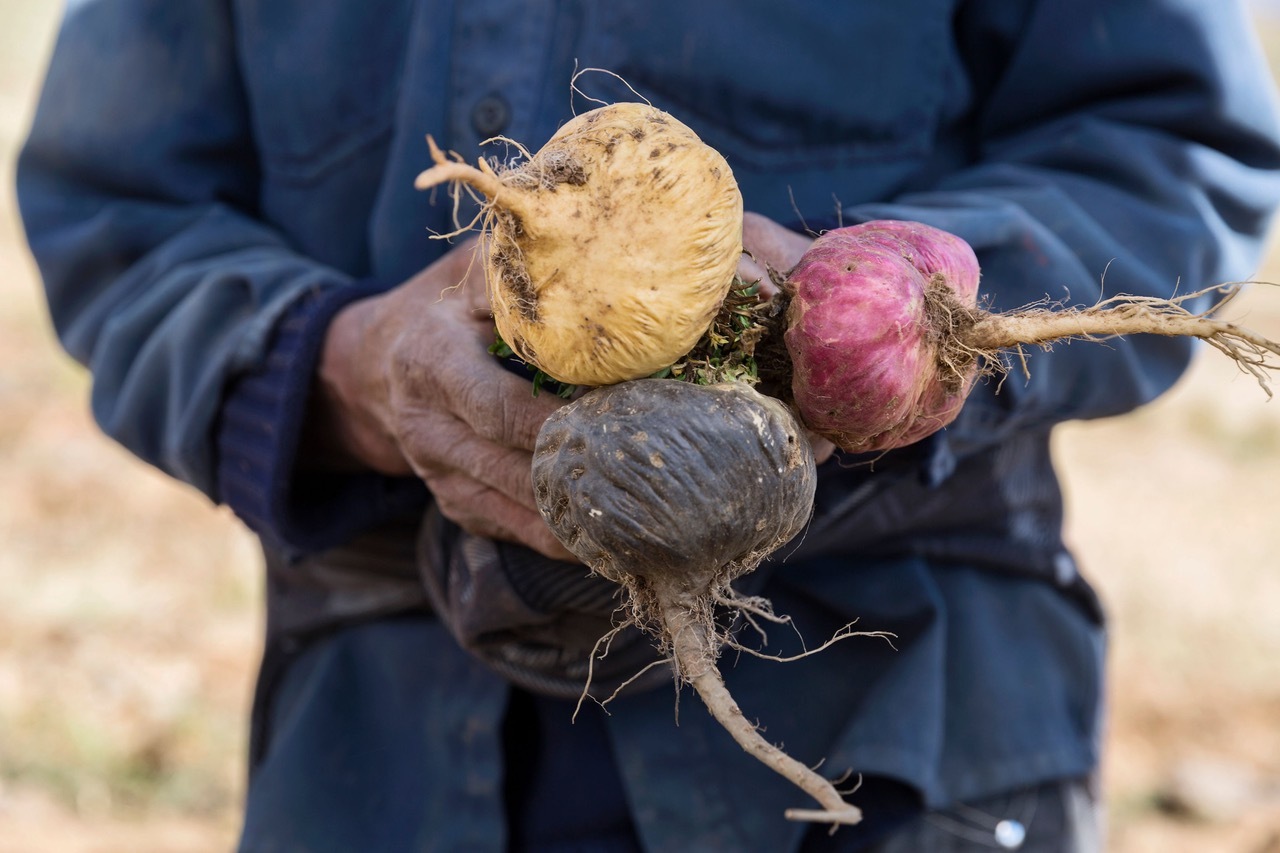
Another important difference is how maca is grown.
Many Peruvian maca farmers continue to use traditional methods that prioritize crop rotation, natural soil recovery, and small-scale farming practices. In some regions, fields are left untouched for years between harvest cycles to help preserve soil quality.
Organic farming also plays an important role in maintaining the integrity of the crop. Choosing organic Peruvian maca helps reduce exposure to pesticides and supports cleaner agricultural practices in one of the world’s most unique growing regions.
At The Maca Team, we believe sourcing directly from Peru helps preserve both the quality of the product and the cultural traditions behind it.
Authenticity and Traceability
As global demand for maca has increased, sourcing transparency has become more important than ever.
Some maca products on the market may blend roots from different regions or provide little information about where the maca was grown or processed. For consumers looking for authentic maca, clear sourcing matters.
When shopping for maca, it’s helpful to look for:
- Country of origin
- Organic certification
- Transparent sourcing practices
- Testing for purity and quality
- Information about processing methods
Authentic Peruvian maca should proudly identify its origins.
The Difference Between Raw and Gelatinized Peruvian Maca
Peruvian maca is commonly available in two forms: raw and gelatinized.
Raw maca is simply dried and ground into powder, while gelatinized maca undergoes a heating process that removes starch and makes the powder easier to digest.
Both forms can be high quality when sourced properly from Peru. The key is choosing maca that is carefully processed while maintaining the integrity of the root.
Why People Choose Peruvian Maca
People are drawn to Peruvian maca for many reasons, including its long history of traditional use and its versatility in everyday routines.
Maca can easily be added to a variety of foods including smoothies, coffee drinks, and baked goods.
While maca root’s flavor is considered something of an acquired taste by many, it pairs well with many recipes, making it easy to incorporate into daily life.
For many customers, choosing maca grown in Peru offers an added level of confidence because they know the product comes from the plant’s native source.
Supporting Peruvian Agriculture
Choosing authentic Peruvian maca also supports farming communities that have cultivated this crop for generations.
Responsible sourcing helps sustain traditional agricultural knowledge and encourages environmentally conscious farming practices in the Andes region. For companies committed to quality, maintaining direct relationships with Peruvian growers is an important part of preserving the heritage of maca itself.
Why Choose The Maca Team’s Maca?
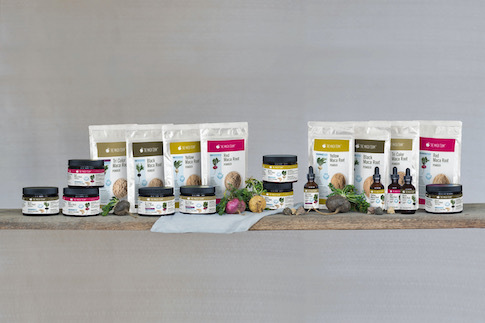
When it comes to maca, origin matters.
Authentic Peruvian maca is deeply connected to the unique environment, history, and farming traditions of the Andes Mountains. From the altitude where it grows to the generations of farmers who cultivate it, every step contributes to what makes this remarkable root so distinctive.
As maca continues to gain popularity worldwide, choosing organically grown maca sourced directly from Peru by reliable sellers like The Maca Team is one of the best ways to ensure quality, authenticity, and a connection to the plant’s rich history.
If you have any questions for us, please don’t hesitate to Contact Us using our web form, or call us toll-free at 888-919-8616.
Enjoy the Day!
Recent Maca Posts
-

Getting Acquainted With Maca: Why It Can Be an Acquired Taste
There are some foods and flavors you try for the first time and immediately love. Others take a litt …11th Oct 2026 -

The Case for Keeping Maca in Your Pantry
Every kitchen has those ingredients that seem to find their way into everything. Maybe it's cinnamon …2nd Oct 2026 -

The Flavor of Maca: What Does Peruvian Maca Actually Taste Like?
If you've never tasted maca before, you may be wondering what to expect. Is it sweet? Nutty? Earthy? …27th Sep 2026