

The Flavor of Maca: What Does Peruvian Maca Actually Taste Like?
If you've never tasted maca before, you may be wondering what to expect. Is it sweet? Nutty? Earthy? Bitter? The answer is a little bit of all of these…and that's part of what makes maca so interesting!
Maca root has a distinctive flavor that some people describe as earthy, nutty, or malty, with a subtle bitterness or spiciness depending on the variety and how it has been prepared. It's fair to say that maca can be something of an acquired taste. Unlike familiar ingredients such as vanilla or cinnamon, maca has a personality all its own. But that's not necessarily a bad thing. Many people come to enjoy its unique flavor, particularly when it is combined with complementary ingredients.
More importantly, maca's flavor is part of a much larger story. This hardy root has been cultivated in the high Andes of Peru for thousands of years and has long been valued as a food in the region. Today, organic Peruvian maca has found its way into kitchens around the world, where people are discovering creative ways to enjoy an ingredient with deep cultural roots.
What Does Maca Taste Like?
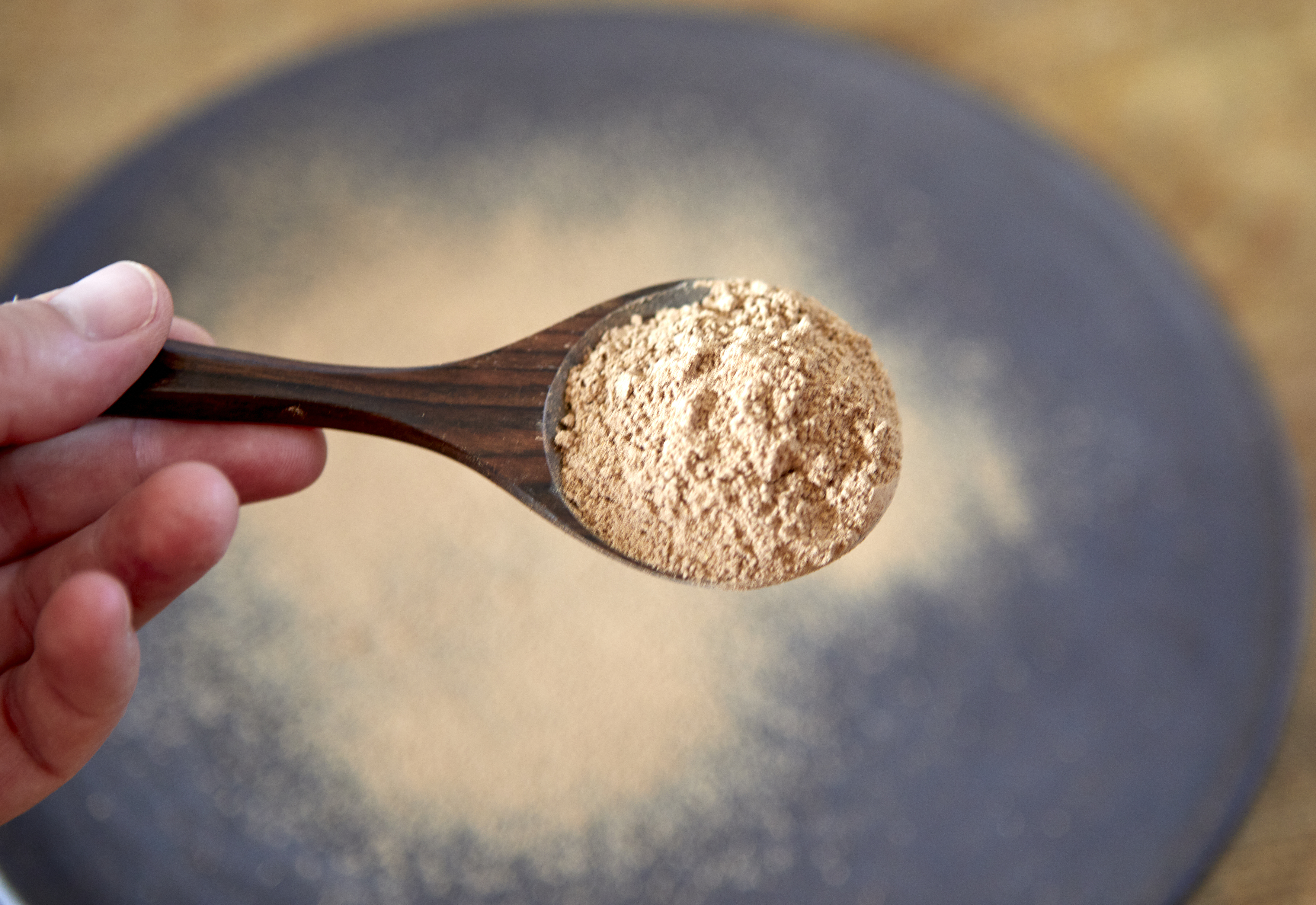
There isn't one perfect word to describe maca's flavor. Its earthy character is probably the most noticeable, but there are other flavors underneath it. Some people detect nutty or malty notes, while others notice a gentle sweetness. There can also be a slight peppery quality, which makes sense given that maca belongs to the same botanical family as several familiar cruciferous vegetables.
The flavor can vary depending on the type of maca, its preparation, and the form in which you consume it. Powdered maca, for example, can have a more concentrated flavor than the fresh root.
If you're new to maca, you may not fall in love with the flavor immediately. That's perfectly normal. Maca root is an ingredient that can take some getting used to. Many people find that they enjoy it more when they introduce it gradually and combine it with flavors that complement its character.
Pairing Maca With Other Flavors
One of the easiest ways to appreciate maca is to pair it with ingredients that balance or complement its distinctive taste.
Chocolate is a particularly natural companion. The rich taste of chocolate works well with maca's earthy notes, making the combination popular in smoothies, baked goods, and desserts. Cinnamon, vanilla, maple, peanut butter, nuts, and warming spices can also complement maca nicely.
Maca root can also be incorporated into everyday foods rather than treated as something completely separate from your normal diet. It can be added to oatmeal, smoothies, baked goods, puddings, and other recipes. In Peru, traditional preparations have included maca drinks, porridges, juices, jams, and breads. For some inspiration on how to use maca in the kitchen, check out our collection of maca recipes.
Maca's Nutritional Value
There's more to maca than its unusual flavor. The root has traditionally been valued as a nutritious food, and research shows that dried maca contains carbohydrates, fiber, protein, and smaller amounts of fat. It also contains a variety of minerals, including iron, calcium, potassium, copper, and zinc. The exact nutritional composition can vary depending on factors such as the variety, growing conditions, and processing method.
This nutritional profile helps explain why maca has historically been an important food for communities living in the high Andes. Rather than being a trendy ingredient that suddenly appeared on the modern health-food scene, maca has a long history as a cultivated food crop.
A Food With Deep Andean Roots
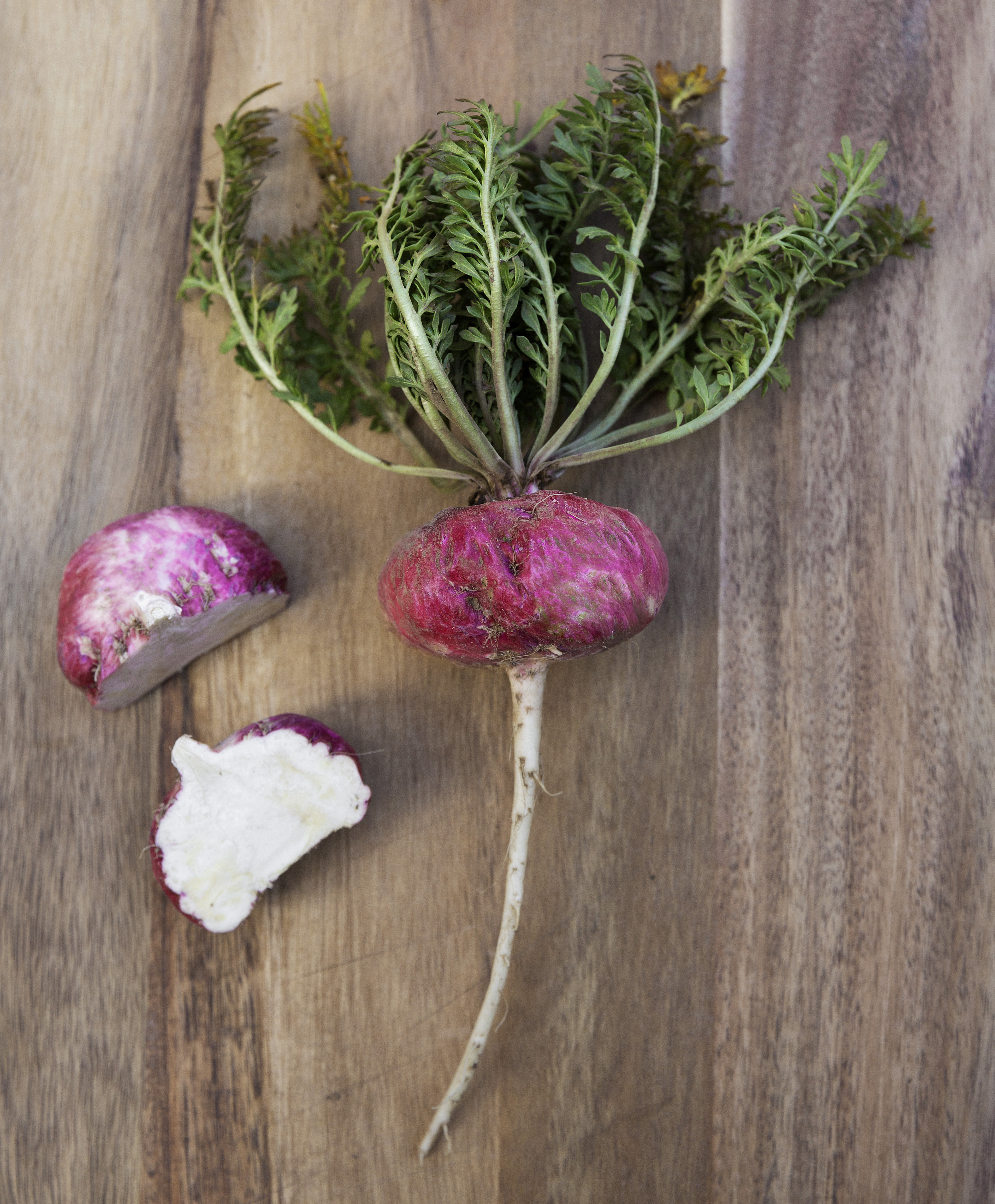
Maca's story begins high in the Peruvian Andes, where it grows at elevations of more than 4,000 meters. Evidence of its cultivation dates back more than 2,000 years. It was particularly important in parts of the central Andes where the harsh climate and high elevation limited the crops that could be grown.
For generations, Andean communities have incorporated maca into their diets in different forms. The root could be dried for preservation and later rehydrated, boiled, made into drinks, or ground into flour. Historical and modern accounts describe maca being used in porridges, juices, cakes, breads, and other foods.
That history matters. When you add Peruvian maca to your food today, you're enjoying an ingredient that has been part of Andean food traditions for centuries.
Give Maca a Chance
Maca may not taste exactly like anything else in your pantry, and that's part of its appeal. Its character can take some getting used to, but many people come to appreciate the flavor and versatility of this distinctive Peruvian root.
At The Maca Team, we're proud to offer quality organic Peruvian maca in a variety of forms, making it easier to explore this traditional Andean food in your own kitchen. Whether you're new to maca or already enjoy its distinctive flavor, there's always another recipe, pairing, or preparation to discover.
So if you've tried maca before and weren't sure what to make of its unusual taste, give it another chance. Pair it with chocolate, cinnamon, maple, vanilla, or another favorite flavor and discover why this unique ingredient has remained an important part of Peruvian food culture for so long.
If you have any questions for us, please don’t hesitate to Contact Us using our web form, or call us toll-free at 888-919-8616.
Enjoy the Day!
Recent Maca Posts
-
The Flavor of Maca: What Does Peruvian Maca Actually Taste Like?
If you've never tasted maca before, you may be wondering what to expect. Is it sweet? Nutty? Earthy? …27th Sep 2026 -

Fall Flavors: Maca Edition
It might still be warm outside, but that doesn't mean we're not already thinking about fall. As soon …11th Sep 2026 -
What Does Maca Root Really Do?
Maca root has become a popular addition to smoothies, coffee alternatives, breakfast bowls, and ever …30th Aug 2026