

Maca and Your Skin
Maca and Skin Wellness: Nourishing Your Skin From Within
As the weather turns colder, many people start thinking more carefully about their skin. Dry air, indoor heating, wind, and seasonal changes can all make skin feel different during fall and winter. While moisturizers, cleansers, and topical products matter, your daily nutrition also plays an important role in helping your skin look and feel its best.
That is where maca root can be an interesting addition to your seasonal routine. Maca is a traditional Andean root food grown high in the mountains of Peru. It naturally contains minerals, amino acids, fiber, and plant compounds that make it a versatile food-based supplement for daily wellness.
Maca is not a skincare treatment, medication, sunscreen, or replacement for a healthy diet. But as part of a broader routine that includes hydration, nourishing foods, sleep, movement, and gentle skincare, maca may be a useful way to support beauty-from-within habits during the colder months.
Why Nutrition Matters for Skin
Your skin is your body’s largest organ, and it depends on many of the same daily habits that support overall wellness. Hydration, protein, healthy fats, minerals, antioxidants from food, sleep, and a balanced diet all play a role in maintaining normal skin structure and appearance.
During fall and winter, many people focus only on what they apply to the skin. That makes sense, but internal nourishment matters too. A thoughtful seasonal routine can include both topical care and nutrient-dense foods that help support your body from the inside.
The Nutritional Profile of Maca
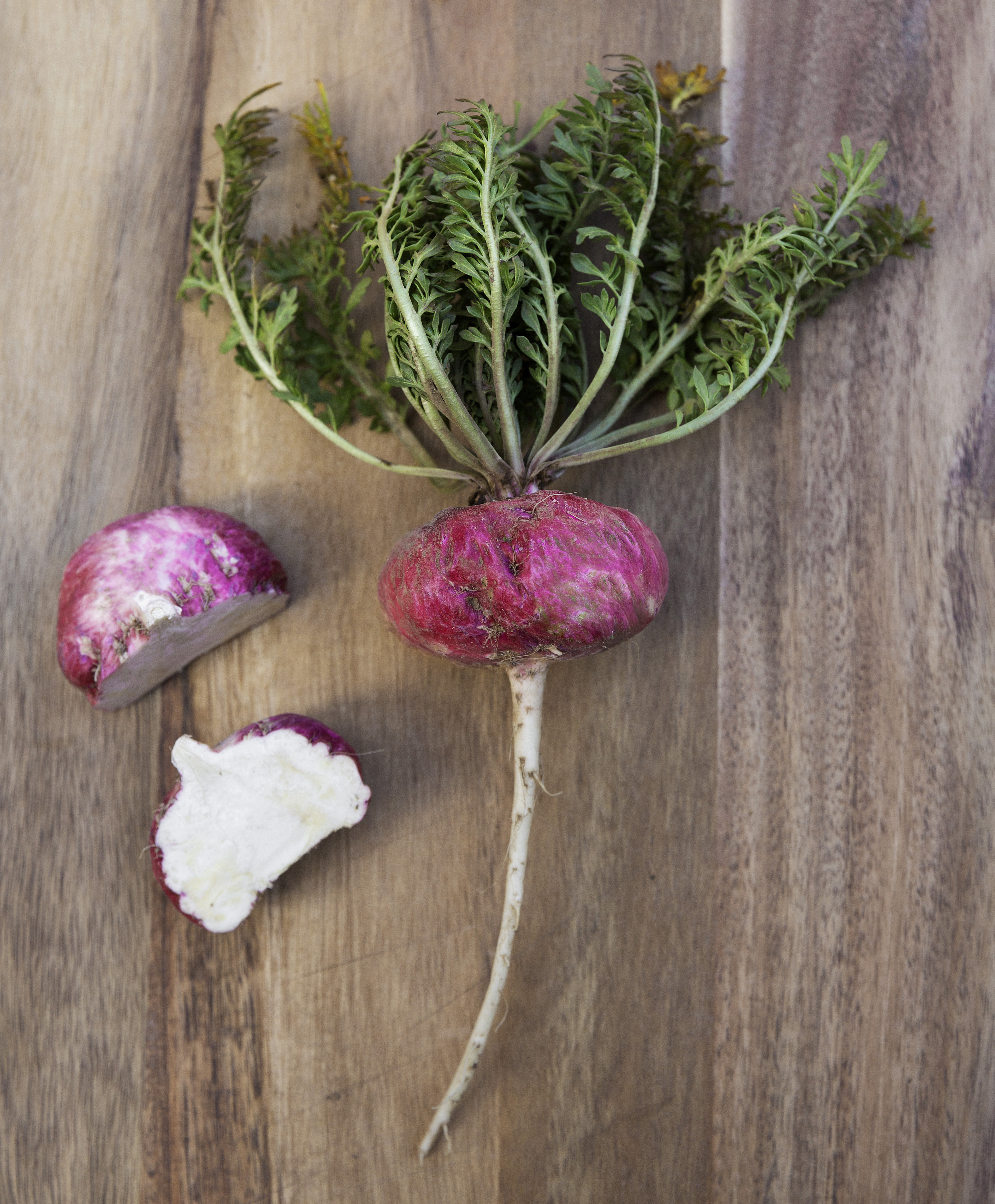
Maca, also known as Lepidium meyenii, is a cruciferous root vegetable native to the Peruvian Andes. It naturally contains carbohydrates, fiber, minerals, amino acids, and plant compounds such as glucosinolates, macaenes, macamides, and polyphenols.
These naturally occurring compounds are one reason maca continues to be studied for its nutritional profile and traditional use. Research interest should not be interpreted to mean that maca treats skin conditions, repairs damaged skin, reverses aging, or replaces medical or dermatological care.
For more background, visit our maca nutrition facts page or read our guide to what maca is.
How Maca Can Fit Into a Skin Wellness Routine
When we talk about maca and skin wellness, the safest and most realistic way to frame it is through general nourishment. Maca can be part of a diet that supports normal body function, including the normal processes that help maintain healthy-looking skin.
Maca may fit into routines built around:
- Daily wellness
- Plant-based nutrition
- Beauty-from-within habits
- Seasonal self-care
- Morning smoothies or warm drinks
- Consistent food-based supplement routines
These are general wellness uses. They should not be understood as promises of specific skin results.
Maca, Minerals, and Healthy-Looking Skin
Maca naturally contains several minerals that are part of normal nutrition. Minerals such as zinc, copper, iron, calcium, potassium, and magnesium all play different roles in the body. Some minerals are involved in normal connective tissue, antioxidant activity, and general cellular function.
That does not mean maca is a skin cure or a replacement for a balanced diet. It simply means maca can contribute to a nutrient-focused routine when used thoughtfully alongside other whole foods.
If your goal is healthy-looking skin during the colder months, think about the whole routine: hydration, healthy fats, colorful fruits and vegetables, adequate protein, gentle skincare, sleep, and consistent daily habits.
Maca as a Seasonal Wellness Food
Maca has an earthy, malty flavor that works especially well in fall and winter recipes. It pairs nicely with cacao, cinnamon, nut butter, banana, oats, coffee, warm milk-style drinks, and lightly sweet recipes.
This makes maca easy to add to cozy seasonal foods and drinks without completely changing your routine.
- Add maca powder to a morning smoothie with banana, cacao, and almond milk.
- Stir maca into oatmeal or overnight oats.
- Blend maca into a warm latte-style drink.
- Add maca to coffee or a maca coffee-style beverage.
- Mix maca into energy bites, snack bars, muffins, or pancakes.
- Use capsules or liquid extract when convenience matters most.
For more ideas, explore our maca recipes, maca smoothies, or our guide to maca coffee.
Can Maca Help Your Skin Glow?
Many people use the word “glow” to describe skin that looks hydrated, rested, and well cared for. Maca should not be presented as a way to treat skin problems or guarantee visible changes, but it can be part of a broader routine that supports overall wellness and beauty-from-within habits.
The key is consistency. Maca is not a quick fix. It works best as one part of a daily routine that also includes good nutrition, hydration, sleep, movement, and appropriate skincare.
Choosing the Right Maca for Your Routine
The best maca for you depends on your taste, digestion, and preferred format. The Maca Team offers organic Peruvian maca in several forms, including maca powders, maca capsules, and maca extracts.
- Maca powder is versatile and works well in smoothies, oatmeal, coffee, warm drinks, and recipes.
- Maca capsules offer a convenient pre-measured format.
- Maca extracts may appeal to adults who prefer a concentrated liquid format.
- Gelatinized maca has been heated to remove much of the starch, making it easier for some people to digest.
Red maca is often chosen by people interested in a smooth-tasting traditional maca variety. Yellow maca is often a practical starting point because it is common and versatile. Black maca is generally considered the rarest of the three main maca colors and is often chosen by people with active lifestyles.
If you are not sure where to begin, our Which Maca Is Best? guide can help you compare maca colors and formats in a general, non-medical way.
How to Use Maca Thoughtfully
If you are new to maca, start with the suggested serving size on the product label. Some people prefer to begin with a smaller amount and gradually increase within the recommended range as they learn how maca fits into their routine.
A simple seasonal approach could look like this:
- Use maca in a morning smoothie or breakfast bowl.
- Add maca to a warm drink during colder months.
- Choose gelatinized maca if you prefer a starch-reduced option.
- Use capsules or extracts if you want convenience.
- Pair maca with a balanced diet, hydration, sleep, and gentle skincare.
When to Ask a Healthcare Professional First
Maca is a food-based supplement, but it is still wise to ask a qualified healthcare professional before adding maca or any new supplement if you:
- Are pregnant or nursing
- Are trying to conceive
- Take medication
- Have a diagnosed medical condition
- Have a skin condition that requires medical care
- Are preparing for surgery
- Follow a medically directed diet
- Have questions about hormones, thyroid health, mood, fertility, blood sugar, or any other medical concern
Maca should not be used as a replacement for medication, dermatological care, medical care, or individualized guidance from a qualified healthcare professional.
Why Choose The Maca Team?
At The Maca Team, we focus on authentic Peruvian maca that is carefully sourced and selected for quality. Our maca is organic, non-GMO, gluten-free, and sourced with care from Peru.
We offer several colors and formats so you can choose the maca product that fits your taste, digestion, and daily routine. Whether you prefer powder, capsules, liquid extracts, or gelatinized maca, our goal is to make maca easier to understand, choose, and use.
Bottom Line
Maca can be a simple addition to a seasonal beauty-from-within routine. It is a traditional Andean root food with a naturally occurring nutritional profile, and it works well in smoothies, oatmeal, warm drinks, recipes, capsules, and extracts.
Maca is not a skincare treatment and should not be used to treat skin conditions, repair damaged skin, prevent sun damage, or replace dermatological care. Used thoughtfully, it can be one food-based ingredient within a balanced lifestyle that supports overall wellness and healthy-looking skin.
FDA Disclaimer: These statements have not been evaluated by the Food and Drug Administration. This product is not intended to diagnose, treat, cure, or prevent any disease.
If you have questions about our maca products, please contact us using our web form or call us toll-free at 888-919-8616.
Enjoy the day!
Recent Maca Posts
-

Fall Flavors: Maca Edition
It might still be warm outside, but that doesn't mean we're not already thinking about fall. As soon …11th Sep 2026 -
What Does Maca Root Really Do?
Maca root has become a popular addition to smoothies, coffee alternatives, breakfast bowls, and ever …30th Aug 2026 -

Back-to-School: A Simple End-of-Summer Reset with Maca
There’s something bittersweet about the end of summer. The long, carefree days start getting shorter …21st Aug 2026