

Maca Root 101: Types of Maca
Maca root, a superfood native to the high altitudes of the Peruvian Andes, has been used for centuries for its health-boosting properties. This adaptogenic root is revered for its ability to enhance energy, balance hormones, and improve overall vitality. But not all maca is the same - its benefits may vary based on the type of maca consumed. In this guide, we’ll break down the different types of maca root, their unique benefits, and why incorporating this nutritional powerhouse into your diet might be the next step in elevating your health.
What Is Maca Root?
Maca root is also known as Lepidium meyenii, a cruciferous vegetable related to broccoli, cauliflower, and kale. It grows in extreme conditions, thriving in altitudes above 13,000 feet where few other plants can survive. This resilience is reflected in its adaptogenic qualities, helping the body manage stress and adapt to various physical and mental challenges.
Maca root is typically dried and ground into powder or processed into capsules and liquid extracts. Its mild, nutty flavor makes it a versatile addition to smoothies, teas, and baked goods.
Nutritional Profile of Maca Root
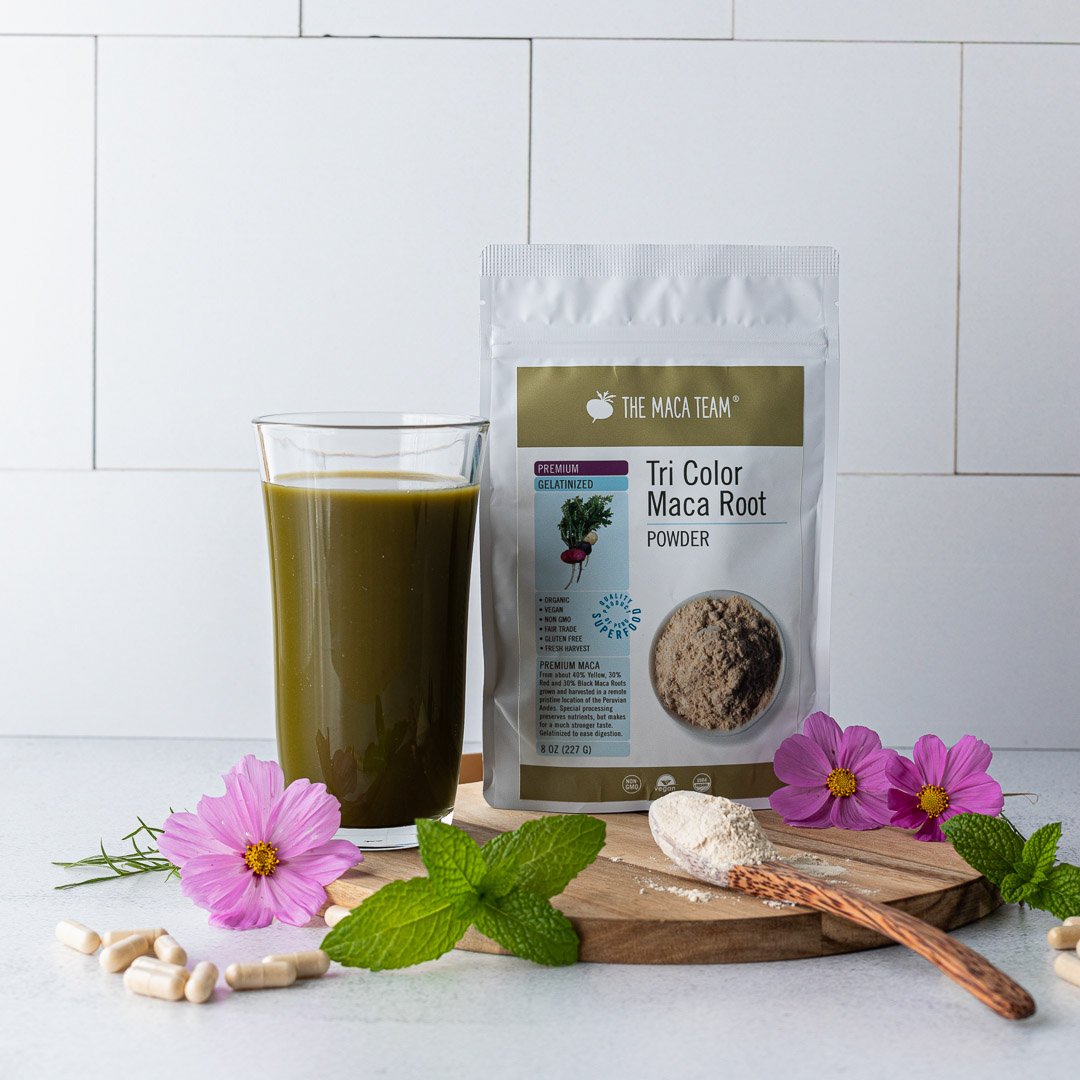
Maca root is packed with essential nutrients. A tablespoon (approximately 10 grams) of maca powder provides:
- Calories: 32.5
- Protein: ~2 grams
- Carbohydrates: ~7 grams
- Fiber: ~1 gram
- Fat: ~0 grams
It is also rich in:
- Vitamins: B1, B2, C, and E.
- Minerals: Calcium, potassium, magnesium, iron, and zinc.
- Phytonutrients: Macamides and macaenes, unique compounds linked to maca’s health benefits.
- Antioxidants: Protecting the body from free radical damage.
This nutrient density, combined with its bioactive compounds, makes maca a superfood with a wide range of benefits.
The Different Types of Maca Root
Maca root comes in three main varieties naturally - yellow, red, and black. Each type has distinct properties and health benefits.
1. Yellow Maca
Yellow maca is the most common and widely available maca color. It has traditionally been the everyday maca for many people and is often a good place to start if you are new to maca.
Because of its balanced profile, yellow maca works well for people who want a simple, versatile superfood to add to smoothies, coffee, oatmeal, baked goods, or capsules as part of a daily wellness routine. It is also a practical choice for anyone who wants to experience maca without choosing a more color-specific option right away.
2. Red Maca
Red maca is another traditional maca color and is generally less common than yellow maca. It has a slightly different natural profile and is often chosen by people who want to explore the unique qualities of a specific maca color.
Many customers are drawn to red maca because of its smooth taste, traditional use, and place within the broader family of Peruvian maca roots. It can be a good option for those who already use yellow maca and want to compare how a different maca color fits into their routine.
3. Black Maca
Black maca is generally considered the rarest of the three primary maca colors. It is often chosen by people interested in vitality, active lifestyles, stamina, and daily performance support.
While black maca is sometimes marketed as a more men-focused maca, it can be used by adults of any gender. The better way to think of it is as a more specific maca color for people who want to compare the traditional color varieties and find the one that best fits their personal routine.
4. Tri-Color Maca
Tri-color maca combines yellow, red, and black maca roots in one blend. This reflects the traditional way maca was often consumed in the Andes, where the roots were not always separated by color.
For many beginners, tri-color maca is one of the easiest options because it offers a broad introduction to all three maca colors without requiring you to choose just one. It is also often one of the most economical ways to make maca part of a daily routine.
How to Use Maca Root
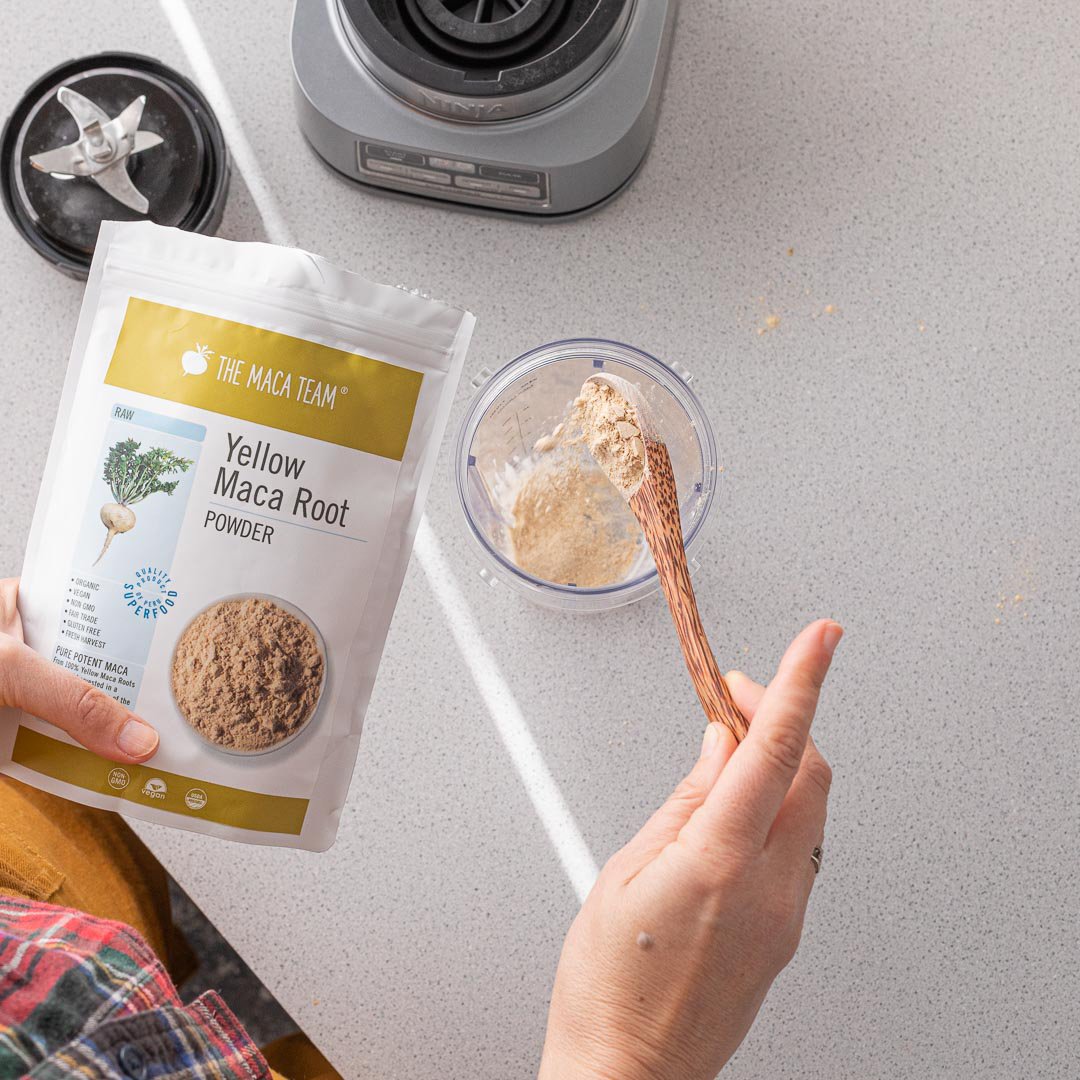
Maca powder is the most popular form of this superfood. You can mix it into:
- Smoothies: Add a tablespoon to your favorite blend for a nutrient boost.
- Baked Goods: Incorporate it into muffins, pancakes, or energy bars.
- Teas and Lattes: Stir it into hot water, milk, or herbal teas for a warming drink.
The recommended daily dosage ranges from 1.5 to 3 grams, though it’s always best to start small and consult with a healthcare professional if you have any concerns.
Are There Any Side Effects?
Maca root is generally safe for most people, but it’s important to note a few considerations:
- Sensitivity: Some may experience mild digestive discomfort when consuming large amounts.
- Hormonal Conditions: Those with thyroid issues or hormone-sensitive conditions should consult a doctor before use, as maca contains goitrogens and affects hormonal balance.
Why Maca Root Is Worth Trying
Whether you’re looking for a natural energy booster, a way to support hormonal health, or an aid to improve stamina and focus, maca root offers a range of benefits tailored to individual needs. Its three varieties - yellow, red, and black - allow you to customize your experience, targeting specific wellness goals.
Packed with nutrients and bioactive compounds, maca root has earned its place in the superfood spotlight. Incorporating this versatile root into your routine is a simple yet effective way to elevate your health.
If you have any further questions about The Maca Team’s Fair Trade, sustainably-grown maca root products sourced exclusively from the Peruvian Andes, we’d love to hear them. Please don’t hesitate to Contact Us using our web form, or call us toll-free at 888-919-8616.
Enjoy the Day!
Recent Maca Posts
-

How to Choose the Right Maca for Your Lifestyle
If you've started exploring the world of superfoods, you've likely come across maca root. Native to …5th Aug 2026 -
Black, Red, or Yellow Maca: What's the Difference?
If you've started exploring the world of maca, you've probably noticed that it comes in several vari …15th Jul 2026 -

What Makes Organic Maca Different?
As interest in natural wellness products continues to grow, more people are discovering the remarkab …27th Jun 2026