

Creating a Morning Ritual You’ll Love with Maca Root
Mornings often become a blur of alarms, hurried breakfasts, and last-minute preparations. Between checking messages and getting out the door, we don’t always make time

Will maca raise blood pressure? Explore what research suggests about maca and blood pressure, possible effects, medication precautions, and practical guidance for people considering adding maca to their diet.

Blood pressure is the force of blood pushing against the walls of our arteries as the heart pumps blood throughout the body. High blood pressure, also called hypertension, is a common condition that can increase the risk of heart disease, stroke, and other health problems.
Age, genetics, diet, physical activity, stress, and other lifestyle factors can all influence blood pressure. Healthy eating, regular exercise, stress management, and appropriate medical care are important parts of maintaining cardiovascular health.
Over the years, we have received questions from customers wondering whether adding maca root to their diet might increase or decrease their blood pressure.
Some published research has explored a possible relationship between maca consumption and blood pressure. However, the evidence remains limited, and individual responses cannot be reliably predicted.
For a broader discussion, see our Maca and Circulatory Health article. You can also explore our Maca FAQs for answers to other common questions.
There is currently insufficient evidence to conclude that maca consistently raises or lowers blood pressure in people who consume it.
Some small studies have reported lower blood pressure measurements among maca consumers, while other research has produced different results. These findings do not establish maca as a treatment for high blood pressure.
If you have high or low blood pressure, take blood pressure medication, or have an existing cardiovascular condition, consult your healthcare provider before adding maca to your routine.
Maca is a traditional food, not a substitute for prescribed medication or medical treatment.
The simplest answer is that researchers have not yet established a consistent effect of maca on blood pressure.
Several studies conducted over the past two decades have explored the relationship between maca consumption and cardiovascular measurements.
Some of these findings have attracted interest because they suggest that maca consumption may be associated with lower blood pressure in certain populations.
For example, a study involving 50 adults living in the high Andes of Peru compared people who regularly consumed maca with those who did not. Researchers found that the maca-consuming group had lower average systolic blood pressure.
However, this was an observational study. It could not establish that maca itself caused the difference. The difference in diastolic blood pressure was not statistically significant.
Other small studies have reported varying results. A published review of maca research described both decreases in blood pressure in some studies and an increase in diastolic pressure in another.
These findings are interesting, but the available research is not sufficient to predict how maca will affect any particular person’s blood pressure.
You can read the study involving traditional maca consumers in Peru and our broader article on Maca and Circulatory Health.
Over the years, several customers have shared personal experiences involving changes in their blood pressure after adding maca to their diets.
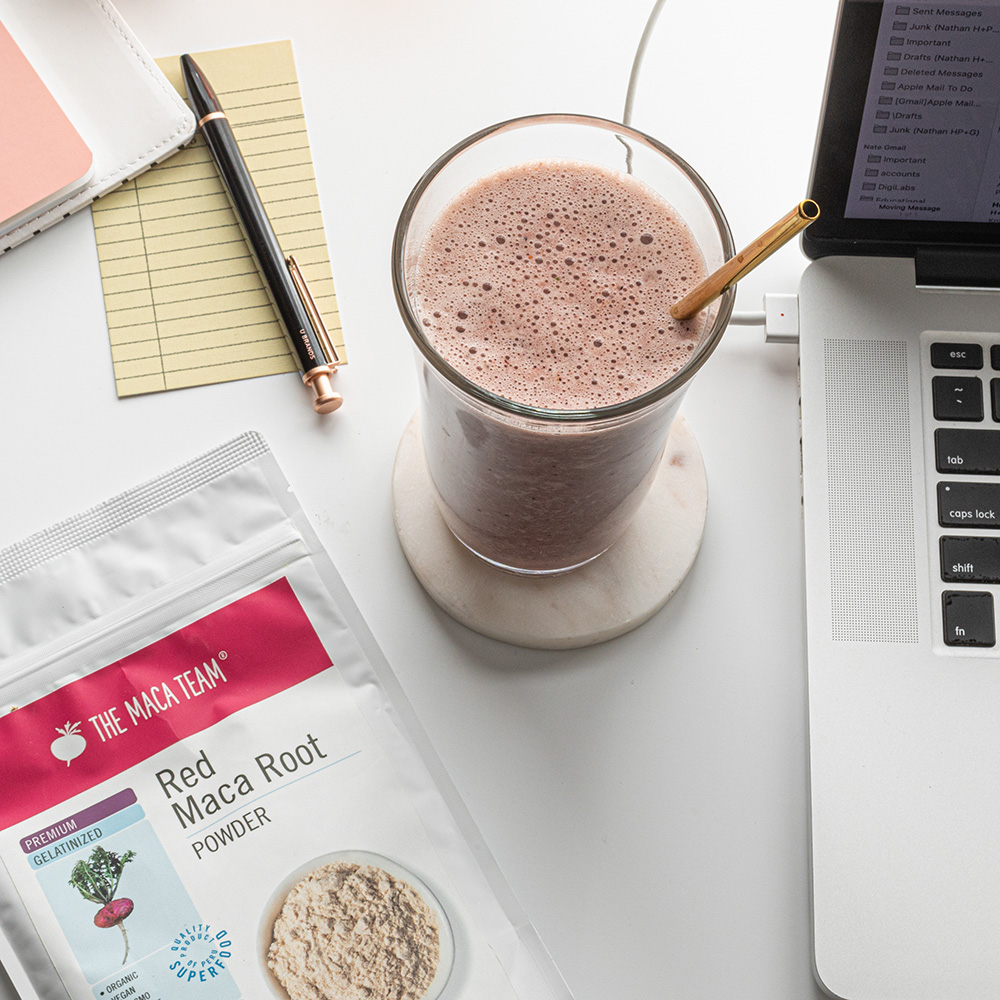
For example, one customer in his seventies described improvements in his blood pressure readings after introducing ground flaxseed into his nightly smoothie. He later added maca and reported additional changes in his readings.
Experiences like this are interesting, but they cannot tell us whether maca caused the change. Other dietary changes, lifestyle habits, medications, and individual health factors may all influence blood pressure.
Customer experiences should therefore be considered personal observations rather than evidence that maca can lower blood pressure or replace medical treatment.
Not necessarily. Although some research has found an association between maca consumption and lower blood pressure, that does not prove maca will have the same effect in everyone.
There is not enough high-quality human research to establish whether maca consistently increases, decreases, or has no meaningful effect on blood pressure.
Another important consideration is the difference between primary and secondary hypertension.
Primary hypertension develops over time and is often associated with a combination of age, genetics, and lifestyle factors.
Secondary hypertension results from an identifiable medical condition or another factor, such as certain kidney disorders, hormonal conditions, or medications.
Because these conditions have different causes, it is especially important not to assume that a food or supplement will affect everyone in the same way.
For people with existing blood pressure concerns, the safest approach is to discuss maca with a qualified healthcare professional and continue any recommended monitoring or treatment.
If you are considering adding maca root to your diet and have concerns about blood pressure, there are several practical steps worth taking.
First, consult a qualified healthcare professional who understands your medical history, current medications, and blood pressure readings.
Maca has a long history of use as a food, but that does not mean it is appropriate for every person or every medical situation.
If you take blood pressure medication, your healthcare provider can help you determine whether adding maca is appropriate and whether any additional monitoring is needed.
Do not stop, reduce, or otherwise change prescribed blood pressure medication on your own.
Once you have determined that maca is appropriate for you, the next step is choosing a suitable form.
We generally recommend gelatinized maca for people with sensitive digestion because the precooking process changes the starch structure and may make the powder easier to tolerate.
Beyond that, you can choose among several forms depending on your preferences:
Our Which Maca Is Best? guide can help you compare the available options.
If your healthcare provider considers maca appropriate, starting with a small serving can help you become familiar with how it fits into your routine.
Our Maca Dosage Guide explains general serving sizes and how people commonly introduce maca gradually.
If you monitor your blood pressure at home, continue following the monitoring schedule recommended by your healthcare provider.
Any unexpected changes in your readings or how you feel should be discussed with a medical professional rather than addressed by independently changing medications or increasing maca servings.
Some small studies have reported lower blood pressure measurements among maca consumers, but the evidence is limited and mixed. Researchers have not established that maca reliably lowers or raises blood pressure. It should not be used as a treatment for hypertension.
Maca has a long history of use as a traditional food, but research specifically evaluating its safety in people with hypertension is limited. Anyone with high blood pressure, particularly those taking medication, should consult their healthcare provider before adding maca to their routine.
Yes. Researchers have investigated maca consumption and blood pressure in several small studies. Some have found lower measurements among maca consumers, while others have reported different results. Larger, well-controlled human studies are needed to determine whether maca has a consistent effect. See our Maca and Circulatory Health article for additional background.
There is insufficient research to rule out possible interactions between maca supplements and blood pressure medications. If you use medication to control your blood pressure, consult your doctor or pharmacist before taking maca. Never adjust your prescribed medication without medical guidance.
There is not enough research to provide a universal recommendation. People with consistently low blood pressure, dizziness, fainting, or related medical concerns should discuss maca with their healthcare provider before adding it to their diet.
Maca is a traditional Andean food containing carbohydrates, minerals, and naturally occurring plant compounds. Researchers have explored aspects of maca consumption and circulatory health, but there is not enough clinical evidence to conclude that maca prevents or treats cardiovascular disease. Learn more in our Maca and Circulatory Health article.
Maca is a traditional food that many people enjoy as part of their daily nutritional routine. Its possible relationship with blood pressure remains an area of research rather than an established health benefit.
Some studies and individual customer experiences have reported interesting observations, but these do not establish that maca can reliably change blood pressure readings.
If you have high blood pressure, low blood pressure, or take medications for either condition, professional medical guidance is important before introducing maca.
Healthy lifestyle habits, appropriate monitoring, and following your healthcare provider’s treatment recommendations remain the foundation of blood pressure management.
Explore our educational guides or learn more about choosing a maca product that fits your preferences and daily routine.