

Maca Root and Your Thyroid: What You Need to Know
Your thyroid gland may be small, but it plays an important role in the body. Located at the base of the neck, the thyroid produces hormones involved in metabolism, energy use, heart rate, temperature regulation, and many other normal body functions.
When thyroid function is outside the normal range, people may be diagnosed with conditions such as hypothyroidism, or underactive thyroid, or hyperthyroidism, or overactive thyroid. These are medical conditions that require proper evaluation and guidance from a qualified healthcare professional.
Because more people are thinking carefully about food, supplements, and endocrine health, we often receive questions about maca root and thyroid health. Can maca fit into a thyroid-conscious lifestyle? Does maca contain hormones? Is maca appropriate for people taking thyroid medication?
The most responsible answer is this: maca is a traditional food-based supplement, not a thyroid medication. It should not be used to treat, manage, or replace medical care for hypothyroidism, hyperthyroidism, Hashimoto’s thyroiditis, Graves’ disease, thyroid nodules, or any other thyroid condition. If you have thyroid concerns or take thyroid medication, ask your healthcare professional before using maca.
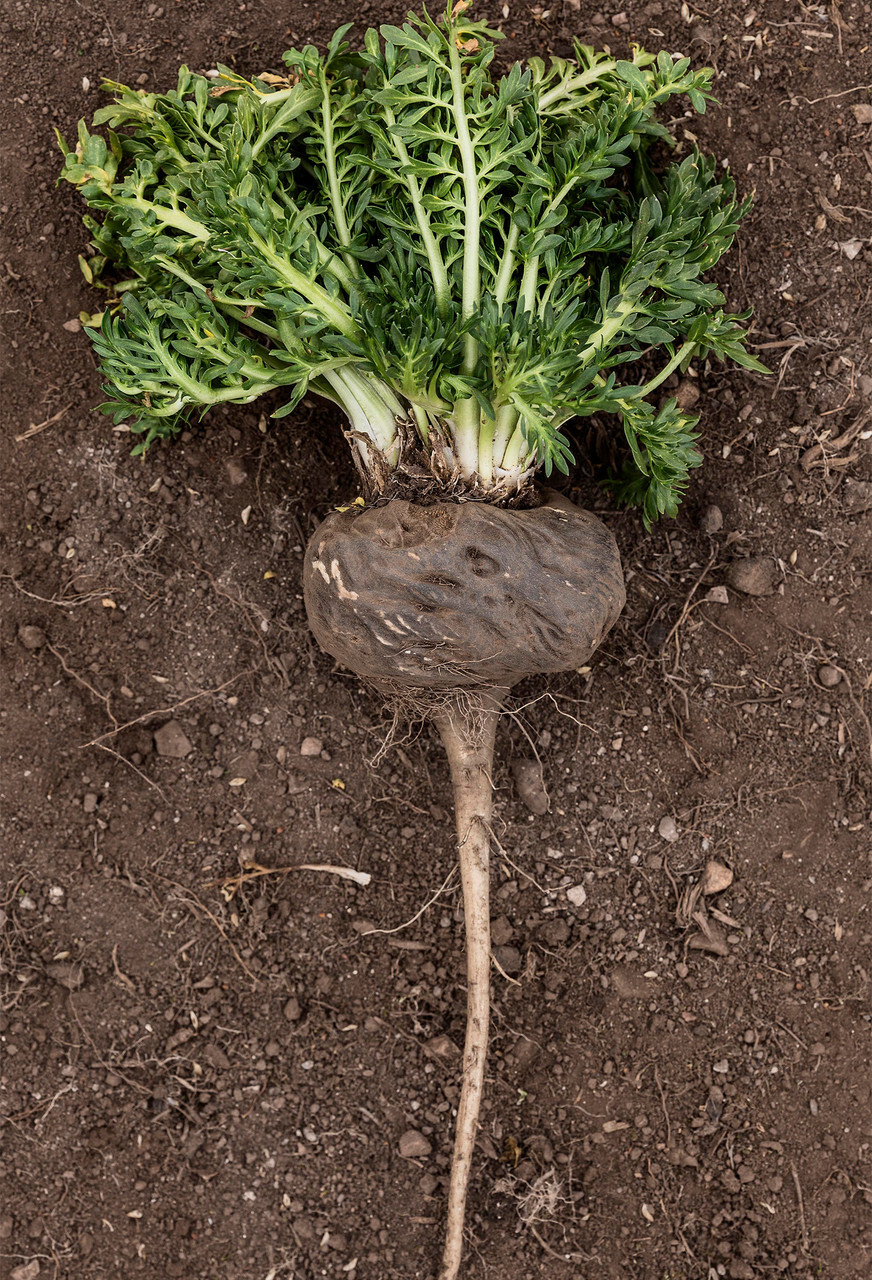
What Is Maca Root?
Maca, also known as Lepidium meyenii, is a cruciferous root vegetable native to the high Andes of Peru. It belongs to the same broad plant family as broccoli, cabbage, mustard, kale, turnips, and Brussels sprouts.
Maca is traditionally used as a food and is commonly sold today as a powder, capsule, liquid extract, chip, or blend. It naturally contains carbohydrates, fiber, minerals, amino acids, and plant compounds such as glucosinolates, macaenes, and macamides.
Maca is also often described as an adaptogenic root. In general wellness language, adaptogens are plants, roots, herbs, or mushrooms traditionally used to support resilience and vitality as part of a balanced lifestyle. That does not mean maca treats thyroid disease, changes thyroid hormone levels, or replaces medical care.
For more background, you can read our guide to what maca is or visit our maca nutrition facts page.
The Thyroid-Maca Connection: A Careful View
People often ask about maca and thyroid health for three main reasons:
- Maca is a cruciferous root vegetable.
- Maca is often discussed as an adaptogenic food.
- Maca naturally contains minerals and plant compounds that interest people who care about nutrition.
Those are reasonable points of interest. However, they should not be stretched into a claim that maca supports thyroid function, balances thyroid hormones, or helps with thyroid symptoms.
If you have thyroid questions, the safest way to think about maca is as a traditional root food that may or may not be appropriate for your individual diet. Your diagnosis, medication, iodine intake, lab results, serving size, and overall nutrition plan all matter.
Does Maca Contain Thyroid Hormones?
No. Maca does not contain thyroid hormone, estrogen, progesterone, or testosterone. It is not a hormone and not a medication.
This distinction is important because maca is sometimes described online as “hormone balancing.” That phrase can be misleading. Maca should not be presented as a way to balance thyroid hormones, correct thyroid function, increase or decrease thyroid activity, or replace medication.
If you have questions about thyroid hormones, thyroid medication, lab results, symptoms, iodine intake, or supplement interactions, those questions should be discussed with a qualified healthcare professional.
Maca, Adaptogens, and the HPA Axis
The hypothalamic-pituitary-adrenal axis, often called the HPA axis, is part of the body’s normal stress-response system. It is also connected to broader endocrine signaling in the body. Because maca is often discussed as an adaptogenic food, some people wonder whether it has a role in thyroid-related wellness routines.
This is where careful language matters. Maca may be part of a general lifestyle routine built around nourishment, consistency, resilience, and daily vitality. But it should not be described as regulating the HPA axis, correcting stress-related thyroid dysfunction, or balancing hormone production.
A thyroid-conscious lifestyle may include many basics: regular medical care, appropriate medication use when prescribed, balanced nutrition, sleep, movement, stress-management habits, and monitoring with a healthcare professional. Maca, if appropriate for you, would only be one food-based supplement within that larger picture.
Nutrients Commonly Discussed in Thyroid Nutrition
Thyroid nutrition can involve nutrients such as iodine, selenium, zinc, iron, protein, and certain B vitamins. These nutrients play different roles in normal body function, and some are involved in normal thyroid hormone production, conversion, or general metabolism.
Maca naturally contains minerals and other nutrients, but it should not be viewed as a thyroid nutrient therapy, iodine supplement, or replacement for a medically guided nutrition plan.
Some nutrients often discussed in thyroid-related nutrition include:
- Zinc and selenium: Minerals commonly discussed in relation to normal thyroid hormone metabolism.
- Iron: A mineral involved in normal oxygen transport and general cellular function.
- B vitamins: Nutrients involved in normal energy metabolism and nervous system function.
- Iodine: A mineral required for thyroid hormone production, but one that should be managed carefully when medical guidance is needed.
If you have been told to monitor iodine intake, limit certain foods, adjust supplement use, or time meals around thyroid medication, ask your healthcare professional before adding maca.
Can Maca Be Used if You Have Hypothyroidism?
Maca is not a treatment for hypothyroidism and should not be used to address symptoms such as low energy, brain fog, mood changes, weight changes, cold sensitivity, or any other thyroid-related concern.
If you have hypothyroidism, Hashimoto’s thyroiditis, or take thyroid hormone medication, ask your doctor, endocrinologist, or qualified healthcare professional before using maca. This is especially important if you are adjusting medication, monitoring labs, managing iodine intake, or following a medically directed diet.
If your healthcare professional says maca is appropriate for you, follow their guidance and use the suggested serving size on the product label.
What About Hyperthyroidism?
Hyperthyroidism, Graves’ disease, and other overactive thyroid conditions require medical care. Maca should not be used to manage symptoms such as rapid heartbeat, tremor, weight change, anxiety, heat intolerance, or sleep disruption.
If you have hyperthyroidism or are being monitored for an overactive thyroid, speak with your healthcare professional before using maca or any new supplement. Do not use maca as a substitute for prescribed treatment, lab monitoring, or medical guidance.
What About Iodine and Cruciferous Foods?
Because maca is a cruciferous root vegetable, some people ask whether it should be handled like other cruciferous foods in thyroid-related diets. The answer depends on the person.
Some people include cruciferous foods in their diet without concern. Others may receive specific guidance based on thyroid diagnosis, iodine intake, medication timing, lab results, digestion, or overall diet.
Maca should not be presented as either universally safe or universally unsafe for thyroid concerns. The best approach is to ask your healthcare professional whether maca fits your specific situation.
Choosing the Right Maca if You Have Thyroid Questions
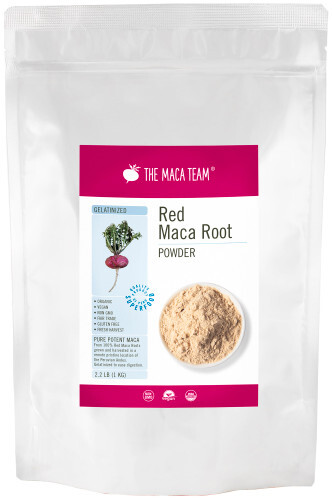
If your healthcare professional says maca is appropriate for you, the next question is which form fits your routine. The best maca product usually depends on taste, digestion, serving preference, and convenience rather than thyroid-specific claims.
- Maca powder works well in smoothies, oatmeal, coffee, warm drinks, and recipes.
- Maca capsules offer a convenient pre-measured format.
- Maca extracts are a concentrated liquid format.
- Gelatinized maca has been heated to remove much of the starch, making it easier for some people to digest.
Red maca, yellow maca, black maca, and tri-color maca are all traditional maca options. None should be described as a thyroid-specific product.
If you are new to maca, yellow maca is often a practical starting point because it is common and versatile. Some people prefer gelatinized maca because it is starch-reduced and easier for some to digest.
Raw Maca vs. Gelatinized Maca
Raw maca and gelatinized maca are processed differently. Raw maca is dried and milled into powder. Gelatinized maca has been heated to remove much of the starch.
Some people prefer gelatinized maca because it is easier for them to digest. That does not make it a thyroid product. It simply means it may be a better format for some people who are sensitive to starches or new foods.
If you are taking thyroid medication, ask your healthcare professional whether timing matters when using maca, supplements, fiber-containing foods, or mineral-containing products.
How to Use Maca Thoughtfully
If maca is appropriate for you, start with the suggested serving size on the product label. Some people prefer to begin with a smaller amount and increase gradually within the recommended range.
Simple ways to use maca include:
- Adding maca powder to smoothies
- Stirring maca into oatmeal or overnight oats
- Blending maca into warm drinks
- Using maca in recipes or baked goods
- Choosing capsules for convenience
- Trying liquid extracts if you prefer a concentrated format
For ideas, visit our How to Use Maca guide or explore our maca recipes.
When to Ask a Healthcare Professional First
You should speak with a qualified healthcare professional before using maca if you:
- Have hypothyroidism, hyperthyroidism, Hashimoto’s thyroiditis, Graves’ disease, thyroid nodules, or any thyroid diagnosis
- Take thyroid medication or hormone-related medication
- Have been told to monitor iodine intake
- Have been advised to limit cruciferous vegetables
- Are pregnant, nursing, or trying to conceive
- Take medication or are preparing for surgery
- Follow a medically directed diet
- Have unexplained weight change, fatigue, mood changes, or other symptoms that should be medically evaluated
Maca should not be used as a replacement for thyroid medication, lab monitoring, medical care, or individualized guidance from a qualified healthcare professional.
Why Buy From The Maca Team?
At The Maca Team, we offer organic Peruvian maca products in powders, capsules, extracts, chips, and blends. Our products are carefully sourced, non-GMO, gluten-free, and selected for quality.
We want customers to understand what maca is, how it is traditionally used, and how to choose a format that fits their routine. We also believe medical questions should stay where they belong: with qualified healthcare professionals who know your personal history.
Bottom Line
Maca root is a traditional Andean food-based supplement with a naturally occurring nutritional profile. It does not contain thyroid hormones and should not be used to treat or manage thyroid conditions.
If you have thyroid questions, the best approach is to speak with your healthcare professional before adding maca. If maca is appropriate for you, choose a format that fits your digestion and routine, start with the suggested serving size, and use it as one part of a balanced lifestyle.
FDA Disclaimer: These statements have not been evaluated by the Food and Drug Administration. This product is not intended to diagnose, treat, cure, or prevent any disease.
If you have questions about our maca products, please contact us using our web form or call us toll-free at 888-919-8616.
Enjoy the day!
Recent Maca Posts
-

Back-to-School: A Simple End-of-Summer Reset with Maca
There’s something bittersweet about the end of summer. The long, carefree days start getting shorter …21st Aug 2026 -

Making Organic Peruvian Maca Part of Your Daily Wellness Routine
Mornings set the tone for the entire day. The first choices you make after waking up can influence y …7th Aug 2026 -

How to Choose the Right Maca for Your Lifestyle
If you've started exploring the world of superfoods, you've likely come across maca root. Native to …5th Aug 2026