

Maca Root: How (and Why) To Get Started
If you’ve been exploring new ways to support your wellness routine, chances are you’ve come across maca root. This ancient Peruvian plant has gained popularity

Compare raw and gelatinized maca, including processing, starch content, digestion, concentration, taste and practical differences to decide which preparation may fit you best.
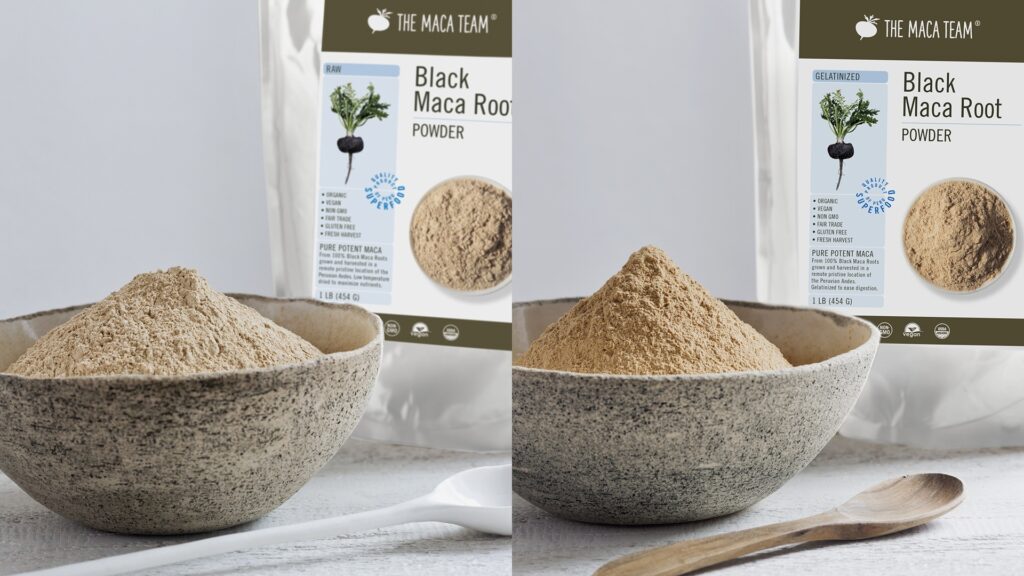
If you are new to maca, one of the first choices you will encounter is:
Raw maca or gelatinized maca?
It is a fair question — and one of the most common.
At first glance, they look very similar. Both come from the same Peruvian maca root. Both can be offered as powders or capsules. Both can fit easily into a daily routine.
But they are not the same.
The main difference is what happens during processing. Raw maca remains uncooked, while gelatinized maca undergoes heat processing that reduces much of its natural starch.
That difference can affect digestion, concentration, taste, texture and how the maca fits into everyday use.
This page is a deeper guide within our Maca Types section, which is part of the broader What Is Maca? topic hub. If you want to understand how Raw vs. Gelatinized fits alongside Premium vs. Sundried, start with the Maca Types guide first.
Neither is universally better. The best choice is the one that fits your digestion, preferences and routine.
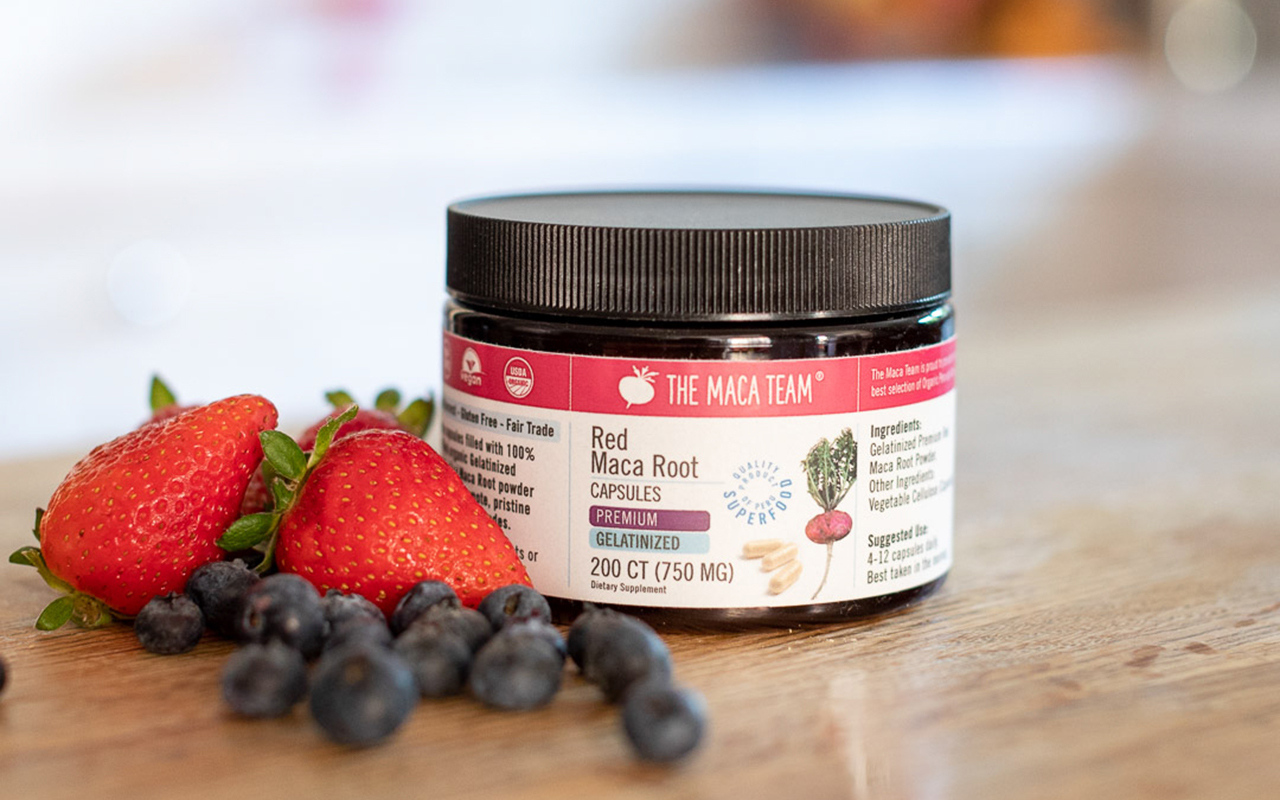
Raw maca is maca root that has been harvested, dried and milled without undergoing the additional cooking process used to make gelatinized maca.
It retains its natural starch content and is one of the least processed ways to use maca in modern powder or capsule form.
Because it does not undergo gelatinization, raw maca also retains more compounds that may be sensitive to heat.
Raw maca appeals to people who want a minimally processed whole-root product.
It may be a good fit if you:
It is worth noting that although the word “raw” sounds more traditional, maca roots in Peru have historically often been cooked before being eaten. Raw maca powder is better understood as a modern minimally processed preparation.
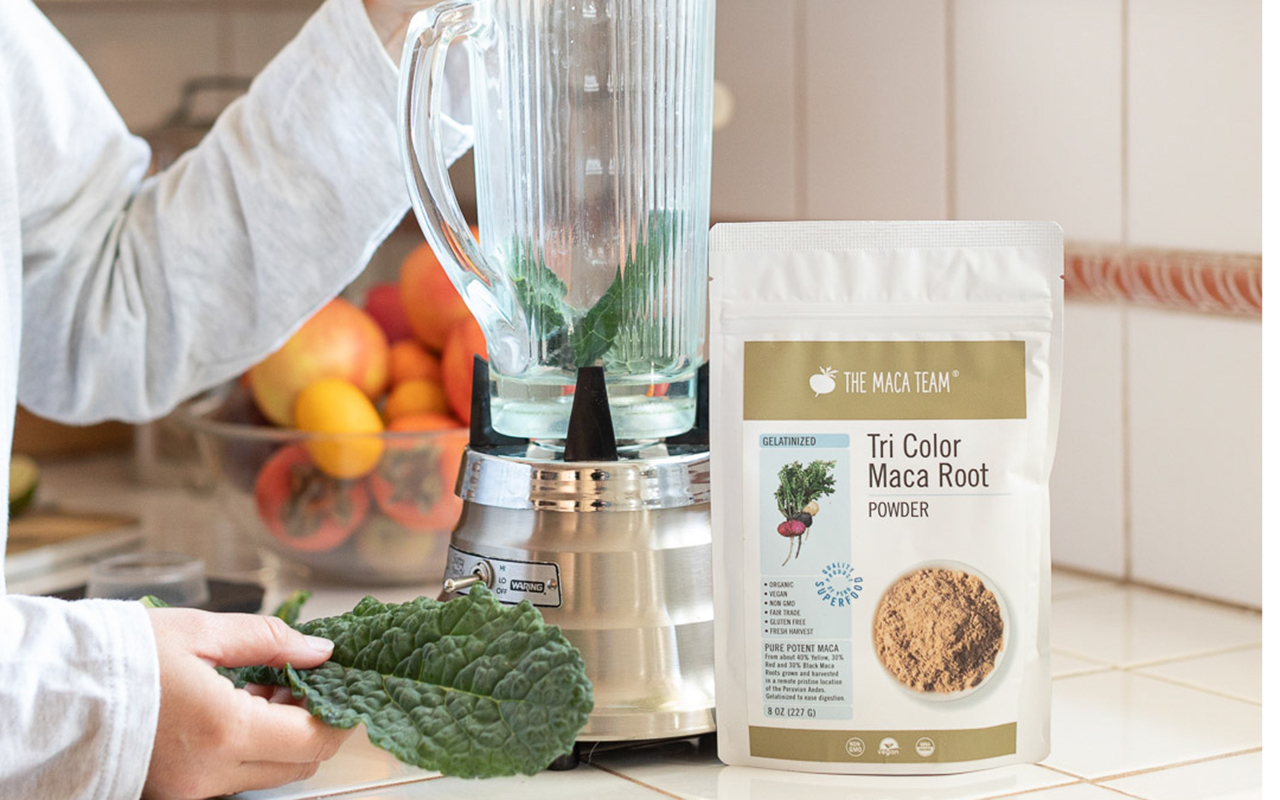
Gelatinized maca starts with the same Peruvian maca root as raw maca, but it undergoes an additional process involving heat and water.
This processing breaks down and reduces much of maca’s natural starch.
Despite the name, no gelatin is added.
Gelatinized maca remains completely plant-based and vegan. “Gelatinized” refers to the processing of the starch, not to an animal-derived ingredient.
The main reason is digestion.
Because much of the natural starch has been reduced, gelatinized maca is often:
This is the foundational difference between the two preparations.
For many people, this is the deciding factor.
Raw maca retains its naturally occurring starch. Some people digest that without any problem, while others may experience:
Gelatinized maca has much of that starch reduced during processing, which is why many people with sensitive digestion prefer it.
This comparison is more nuanced than simply saying one preparation has “more nutrients.”
Both are still maca. The practical question is not whether one is categorically good or bad, but which preparation fits you better.
Taste also varies by maca color, processing style and harvest.
| Feature | Raw Maca | Gelatinized Maca |
|---|---|---|
| Processing | Dried and milled | Heat processed after drying |
| Natural starch | Retained | Much of the starch reduced |
| Digestion | Comfortable for many, harder for some | Often easier for sensitive digestion |
| Additional heat exposure | No gelatinization step | Yes |
| Heat-sensitive compounds | More retained | Some may be reduced |
| Concentration by weight | Lower | Higher because part of the starch is reduced |
| Often chosen for | Minimal processing | Sensitive digestion and convenience |
It depends on what you mean by “stronger.”
There is no universal “stronger” option. A preparation that you digest comfortably and use consistently may be more useful to you than one that sounds stronger on paper.
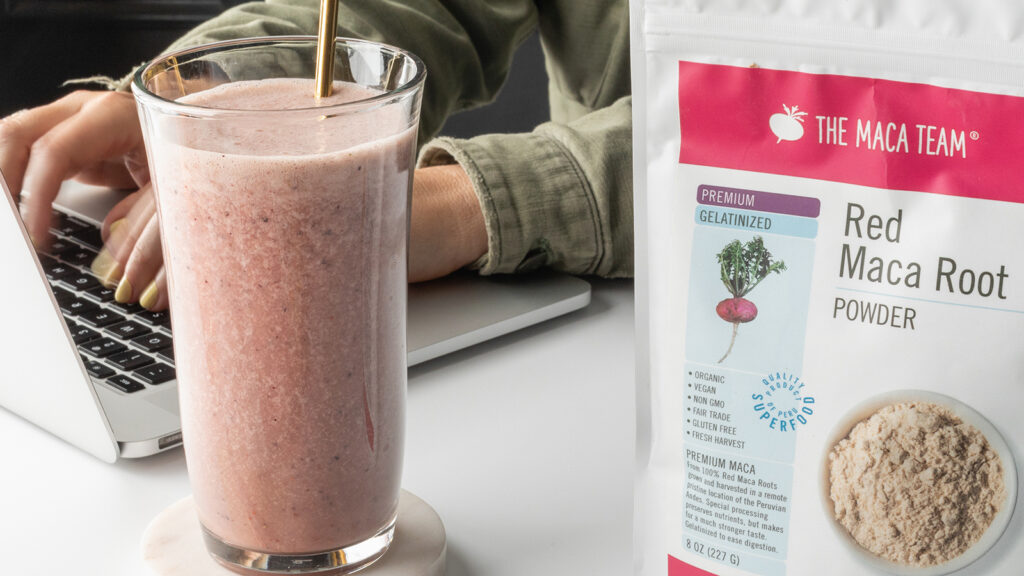
Not automatically.
Raw maca is simply less processed. That makes it appealing to some people, but it does not automatically make it the better choice for everyone.
If raw maca sits well with you, it can be an excellent option.
If raw maca causes digestive discomfort, gelatinized maca may be the more practical choice because it is easier for many people to tolerate.
A maca preparation you can use comfortably and consistently is generally more useful than one you repeatedly avoid because it does not agree with your digestion.
A simple way to decide:
If you are still getting started with maca generally, you may also want to read What to Expect From Maca.
This does happen for some people.
Raw maca contains a significant amount of natural starch, and some people find it more difficult to digest.
If that is your experience, it does not necessarily mean maca itself is a poor fit.
It may simply mean gelatinized maca is worth trying instead.
Some people also find raw maca easier to tolerate when taken with food rather than by itself.
For additional guidance, see our guide to ways to reduce stomach upset when taking maca.
No.
This is one of the most common misconceptions about gelatinized maca.
Gelatinized maca is plant-based. The name refers to what happens to the root’s starch during processing, not to an added gelatin ingredient.
No.
They come from the same maca root.
The difference is in how the root is processed after harvest.
These are separate decisions.
A simple order is:
For someone concerned about digestion, the Raw vs. Gelatinized decision may be the most useful one to make first.
This distinction sits within our broader Maca Types framework, where Raw vs. Gelatinized describes one processing choice and Premium vs. Sundried describes another.
If we had to simplify the difference:
Neither is universally better.
The right choice is the preparation that fits your digestion, preferences and the way you actually plan to use maca.
Not necessarily. Raw maca undergoes less processing, while gelatinized maca is often easier to digest and is more concentrated by weight. The better option depends on your priorities and digestion.
Traditionally, maca roots in Peru have commonly been cooked before consumption, including boiling or other food preparations. Raw maca powder is a modern minimally processed way of using the dried root.
For many people, yes. Reducing much of maca’s natural starch is the main reason people with sensitive digestion often prefer gelatinized maca.
It can for some people. Raw maca retains its natural starch content, which some individuals find more difficult to digest.
Yes, gelatinized maca can be more concentrated by weight because part of the root’s starch content is reduced during processing.
Either can work. If you tolerate starch-rich foods well and prefer minimal processing, raw maca may be a good starting point. If you have sensitive digestion or are concerned about bloating, gelatinized maca is often the easier choice.
Yes. Some people try both preparations over time and choose whichever feels more comfortable or better fits their routine.
No. Both come from maca root and can be used as part of a daily maca routine. The main practical differences are processing, starch content, concentration and digestion.
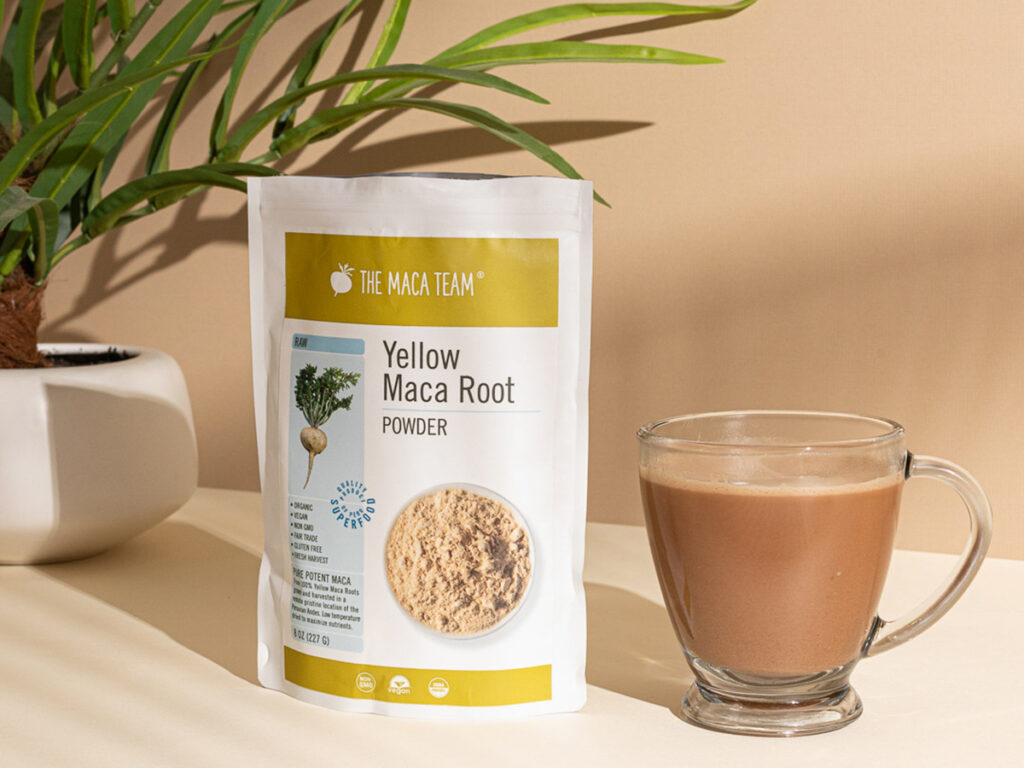
Raw and gelatinized maca are not competing products. They are two useful preparations of the same root.
In the end, the better maca is the one you can take comfortably and consistently.
This page is a deeper guide within our Maca Types section. Use these pages to understand the other processing distinction or return to the broader What Is Maca hub.
Return to the Maca Types guide to see how this decision fits into the larger processing framework, or compare all of your maca options together.