
Maca Root: How (and Why) To Get Started
If you’ve been exploring new ways to support your wellness routine, chances are you’ve come across maca root. This ancient Peruvian plant has gained popularity

Who should take maca? Maca is a traditional Peruvian food used by people with many different wellness goals and lifestyles. This guide looks at who may want to consider maca, who should use additional caution, and what to think about before getting started.
In the world of functional foods — sometimes called “superfoods” — maca root has gained considerable attention for the broad range of potential benefits and traditional uses associated with it.
Native to the high elevations of the Peruvian Andes, maca is a cruciferous root vegetable known for its unusual nutritional profile and long history as both a food and traditional wellness plant.
You can learn more about the areas most commonly associated with maca in our guide to maca benefits, or explore its composition in our maca nutrition facts guide.
Originally used as a staple food in the high Andes, maca has now found its way into many different routines — from active people interested in stamina and vitality to people exploring reproductive, midlife, mood, and general wellness support.
So who should take maca? The better question may be: who might find maca worth exploring, and what should they consider before starting?
Maca may be worth considering for adults who want to add a traditional nutrient-rich Peruvian food to their routine and are interested in areas such as:
Maca is not a medication or a cure-all, and individual experiences vary. People with health conditions, medication concerns, thyroid issues, or other specific medical questions should discuss maca with a qualified healthcare professional.
The maca plant, Lepidium meyenii, is a cruciferous plant traditionally cultivated at very high elevations in the central Peruvian Andes, especially in and around the Junín Plateau.
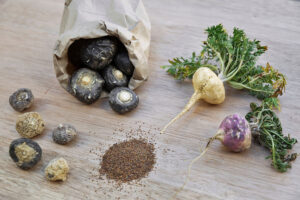
The underground part of the plant is harvested for food. Maca roots are similar in size to turnips or large radishes and naturally occur in colors ranging from light beige to pink, purple, gray, and nearly black.
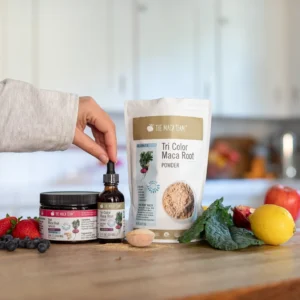
For practical purposes, these roots are commonly grouped into red maca, yellow maca, and black maca. A traditional mixed-color product is available as tri-color maca.
Outside Peru, maca is most commonly available in easy-to-use forms including:
Maca continues to be studied in relation to several areas of human wellness. Research has explored topics including energy, reproductive health, sexual function, mood, menopause, and other aspects of well-being.
Maca does not contain human hormones and should not be thought of as hormone replacement therapy. The exact biological mechanisms behind many of maca’s reported effects are still being investigated.

Maca has traditionally been eaten as a food and today is used by people with many different wellness priorities. The following groups are among those who commonly explore maca.
Maca has become popular among athletes and active people interested in everyday energy, stamina, strength-oriented routines, and recovery from a busy lifestyle.
Maca naturally provides carbohydrates, amino acids, minerals, and other plant compounds, but it should not be viewed as a replacement for adequate nutrition, hydration, training, recovery, or sleep.
Maca is widely associated with hormonal wellness, particularly in traditional use and customer experience.
Research has explored maca in areas related to normal hormonal changes, but maca does not contain human hormones and should not be treated as hormone therapy or as a replacement for prescribed treatment.
Maca has attracted particular interest among women during perimenopause and menopause.
Some research has explored maca in relation to common midlife concerns such as mood, sexual wellness, and menopausal symptoms. Individual experiences vary, and women with specific medical concerns should discuss supplementation with their healthcare professional.
Maca has a long traditional reputation as an aphrodisiac and is commonly explored by both men and women interested in libido, reproductive wellness, and sexual health.
Anyone actively addressing fertility concerns should treat maca as one possible part of a broader wellness discussion rather than as a substitute for appropriate medical evaluation or fertility care.
Maca is often described as an adaptogenic food and has been explored in relation to stress, mood, and emotional well-being.
Research in these areas is still developing. Maca should not be used as a replacement for appropriate mental-health care or treatment for anxiety, depression, or other mental-health conditions.
One of the most common reasons people add maca to their routine is simply to support everyday vitality.
Maca contains a range of nutrients and plant compounds and has a long traditional association with stamina and resilience in the high Andes. Many customers use it consistently as part of a broader food and wellness routine rather than treating it as an immediate stimulant.
Maca is a traditional food and is well tolerated by many people, but that does not mean that it is automatically appropriate for everyone.
If you have a medical condition, take prescription medication, or have another reason to be uncertain about adding maca to your diet, we recommend consulting a knowledgeable healthcare professional who understands your individual situation.
Maca should not automatically be treated as having the same serving guidance for children as it does for adults. If you are considering maca for a child, discuss the appropriate use and amount with a qualified pediatric healthcare professional.
If you are unsure which maca color, preparation, or format makes sense for you, visit Which Maca Is Best?.
Maca is a versatile, nutrient-rich traditional food that appeals to many different people. Active adults, people interested in everyday vitality, women navigating midlife, and people exploring reproductive or sexual wellness are among the groups that commonly consider adding maca to their routine.
At the same time, maca should be approached realistically. It is not a cure-all, and no single benefit or response is guaranteed.
Serving amount, digestion, product quality, health status, and consistency all matter. Start modestly, choose a high-quality product, and pay attention to how your body responds.
If you have specific medical concerns or take medications that could be relevant, speak with a qualified healthcare professional before adding maca to your routine.
No food or supplement is automatically appropriate for everyone. Many adults use maca comfortably, but individual health conditions, medications, digestion, and sensitivities should be considered.
Maca is commonly explored by people interested in everyday energy and vitality, active lifestyles, women’s and men’s wellness, reproductive wellness, sexual wellness, mood, and midlife support.
A child should not simply be given an adult maca serving. If you are considering maca for a child, discuss the decision and appropriate amount with a qualified pediatric healthcare professional.
Preparation often matters more than color. People who find raw maca too starchy or difficult to digest commonly prefer gelatinized maca.
That depends on the medication and your individual health situation. If you take prescription medication or have a medical condition, discuss maca with your healthcare professional rather than changing medication or treatment on your own.
Compare red, black, yellow, and tri-color maca along with raw, gelatinized, powder, capsule, and extract options.