
Red Maca: Benefits and Uses
If you are new to maca, or new to the different colors of maca, you may be wondering:
- “Is it important which color of maca I take?”
- “How is red maca different?”
- “I’ve heard red maca is good, but what is it commonly used for?”
These are great questions. If you are considering adding maca to your routine, it makes sense to want the color and type that best fits your goals. In this article, we look at what research suggests about red maca, the kinds of benefits people commonly associate with it, and how to use it as part of a balanced wellness routine.
Here, we cover the most commonly discussed red maca benefits and uses, including relevant scientific research and customer experiences. You can also read about the broader benefits of maca regardless of color.
Note: Maca is a food, not a drug. The research and experiences shared here are for educational purposes only and are not medical advice. Individual experiences vary, and if you have specific health questions, consult a qualified healthcare professional.
- Overview of Red Maca
- What Is Red Maca?
- What Research Says About Red Maca
- Customer Experiences
- What Are Realistic Uses for Red Maca?
- How To Use Red Maca
- FAQs
- Related Topics
- Final Words
Overview of Red Maca
Red maca is one of the naturally occurring color varieties of maca root. It comes from the same plant species as black maca and yellow maca, but research has suggested that the three colors may have somewhat different phytochemical profiles and areas of interest. Red maca is often chosen by people interested in hormone balance, women’s wellness, bone support, skin health, mood, and general vitality.
What Is Red Maca?
Red maca is a naturally red-skinned variety of Lepidium meyenii, a traditional Andean food that has been cultivated in Peru for centuries. Like other maca colors, it is a cruciferous root vegetable valued for its nutrition and versatility.
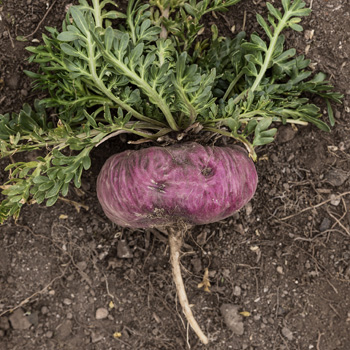
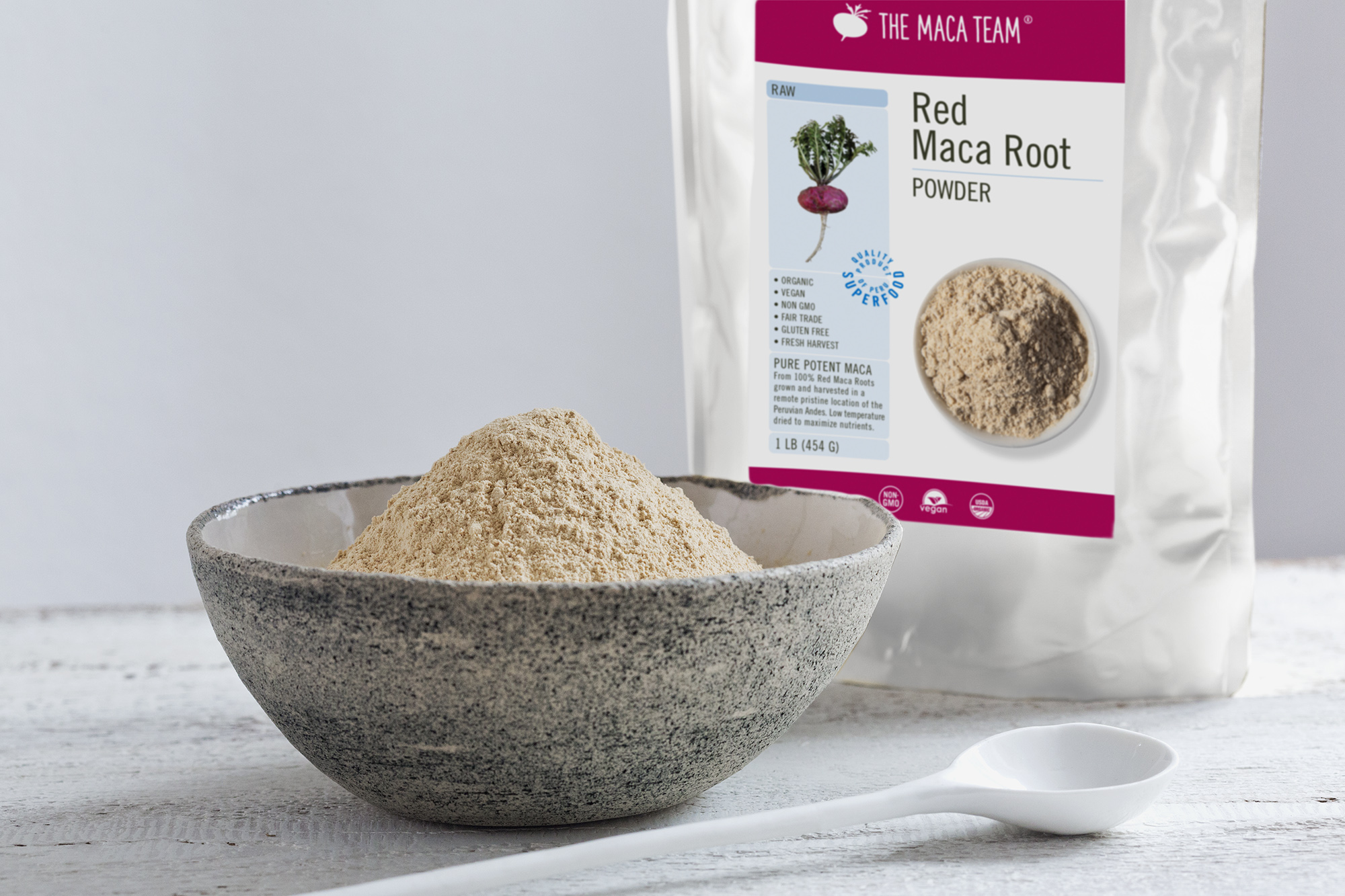
Red maca is widely used in powders, capsules, chips, and extracts. Many people prefer it because of its milder, slightly sweeter taste compared with some other maca types. Research has also suggested that red maca may have comparatively high levels of certain plant compounds, which is one reason it receives so much attention.
What Research Says About Red Maca
Over the past 15 years, researchers have explored several interesting areas related to red maca. Much of this research is preclinical or animal-based, so it should be interpreted carefully, but it helps explain the growing interest in red maca.
1. Prostate Health Research
Red maca has been studied for its relationship to prostate health. A frequently cited study found that red maca, but not yellow or black maca, reduced ventral prostate size in rats. [1]
Additional studies followed, including one published in Andrologia in 2012 and another in 2017, both of which continued investigating red maca in animal models related to prostate size and benign prostatic hyperplasia. [2] [3]
2. Bone Support
In a 2010 study from Lima, Peru, researchers reported that both red maca and black maca showed protective effects on bone architecture in ovariectomized rats. [4]
3. Mood and Energy
Research has suggested that red maca may support mood, energy, and quality of life. A 2006 study found favorable effects on mood and energy-related measures, and a comparative 2016 study reported that red maca performed especially well in areas such as mood, energy, and chronic mountain sickness score. [5] [6]
4. Mood Support Research
In early comparative maca research, all maca color types showed antidepressant activity in animal models. [7]
5. Wound Healing
A 2017 article published in High Altitude Medicine and Biology reported that red maca had favorable effects in an animal wound-healing model at high altitude. [8]
6. Higher Phytonutrient Levels
Some research has reported that red maca may have comparatively high levels of certain functional plant compounds. A 2005 phytochemical study found the highest peak values for several functional nutrient groups in red maca, and a 2015 publication reported that red maca had the highest glucosinolate concentrations among the three main colors. [9] [10]
7. Skin Support Research

Research has also explored red maca in relation to skin support. One study found evidence that red maca offered protection in an animal model of ultraviolet exposure. [11]
8. Immune Function Research
A study published in 2014 reported that red maca administration increased IFN-γ in ovariectomized rats, which is one reason some researchers have taken an interest in red maca and immune function. [12]
Overall, research interest in red maca is strongest in areas related to prostate health, bone support, mood, phytonutrient density, skin support, and women’s wellness. More human research is still needed.
Customer Experiences
Customer comments can help show the kinds of experiences people commonly describe, but individual results vary and are not guaranteed.
Energy and Overall Well-Being
"I LOVE this product. My energy levels are consistently higher, even with a new, more intense workout schedule. My body just feels better every day. The red maca has a sweeter taste that I like." - Diana
Memory and Clarity
"Hi, I'm a 62 year old woman, purchased to support hormone balance, yet noticed my memory better, especially when trying to recall something eluding me." – JP
Monthly Cycle Support
“...this stuff is what works for me. I took this for hormonal balance and to support my period symptoms. I’m amazed how much things improved over time.” - Bethany
Menopause Support
“I have been using the raw, red maca powder to support menopausal hot flashes for a year and a half. It has been working wonderfully for me. It took a bit, so if you try this be patient.” - Tamara Anderson
Hormonal Skin Support
"I'm 36yrs old and suffer from hormonal acne. It took 2 months of taking red maca to see a difference. My face has cleared and I now can focus clearer. I feel happier all the time too.” Anonymous
Mental Clarity
"I just love my maca! ... I was suffering from brain fog and fatigue. The maca has given me energy and cleared a great deal of my mental sluggishness." - Sabina Gogol
Prostate Support
"I have had a prostate problem for several years... Within a few weeks, I noticed improvement and have continued using Red Maca." – Mike
Customer experiences are personal reports and should not be interpreted as typical or guaranteed outcomes.
What Are Realistic Uses for Red Maca?
As you can see from both research and customer interest, red maca is one of the most versatile maca colors. In practical terms, people most often choose red maca for routines centered on:
- Women’s wellness and hormone balance support
- Menopause support
- Mood and emotional balance
- Bone support
- Skin support
- General vitality and energy
- Prostate wellness routines
It is important to remember that maca is a food and takes time to work as part of a daily routine. It is not a quick-fix product, and people respond differently.
How To Use Red Maca
To give yourself the best chance of a positive experience with red maca, we recommend the following:
- Choose a high-quality red maca product grown in Peru
- Select the type that fits your needs: raw, gelatinized, premium, powder, capsules, chips, or liquid extract
- Use an appropriate serving size for your body and routine. See our serving guidelines
- Take it consistently for at least 4 to 6 weeks before evaluating results
- Continue using it regularly if it fits your routine well
Red maca can be enjoyed in smoothies, yogurt, oatmeal, coffee alternatives, and recipes. You can also browse our favorite red maca recipes.
If you would like to get the most out of red maca, we encourage you to visit our main red maca page. This can help you decide which type and format may suit your routine best.
Next up – Visit our Red Maca Shop
FAQs
Is red maca different from black or yellow maca?
Yes. All three come from the same plant species, but research suggests they may differ somewhat in phytochemical profile and common areas of use.
What is red maca most commonly used for?
Red maca is commonly used in routines focused on women’s wellness, mood balance, menopause support, bone support, skin support, general vitality, and prostate wellness.
Does red maca contain hormones?
No. Maca does not contain hormones. It is a food that is often discussed in relation to hormone balance support.
How long does red maca take to work?
Because maca is a food, people often use it consistently for several weeks before evaluating how it fits into their routine.
Is red maca a good starting maca for beginners?
For many people, yes. Red maca is often chosen by beginners because of its broad appeal and slightly sweeter taste.
Related Topics
- Red Maca
- Maca and Menopause Support
- Maca and Hormone Balance
- Maca and Skin Health
- Maca and Mood Balance
- Maca and Prostate Health
- Discover more maca benefits
Final Words
Red maca is one of the best-known and most widely used maca color types. Research interest in red maca has been especially strong in areas related to prostate wellness, bone support, mood, skin support, and women’s wellness. It is also popular because of its taste and broad appeal.
We hope this article has helped you better understand the potential benefits and common uses of this traditional Andean food. If you have any questions about which red maca product may best fit your routine, just let us know.
Enjoy the day!