
Maca as an Adaptogen
You may have heard maca root described as an “adaptogen” on wellness blogs, product pages, or nutrition websites. Like many popular wellness terms, the word can be overused or stretched too far. Still, it can be a useful way to understand why people have valued certain plants, roots, and herbs as part of traditional food and wellness practices.
Maca is a traditional root food grown high in the Andes Mountains of Peru. For generations, it has been used as part of daily nutrition and is now enjoyed around the world in powders, capsules, liquid extracts, coffee blends, smoothies, and recipes.
The best way to think about maca is not as a cure-all or a quick fix, but as a nutrient-containing root that can fit into a balanced lifestyle. For many adults, maca is one simple way to support a daily routine built around nourishment, consistency, vitality, and general wellness.
What Is an Adaptogen?
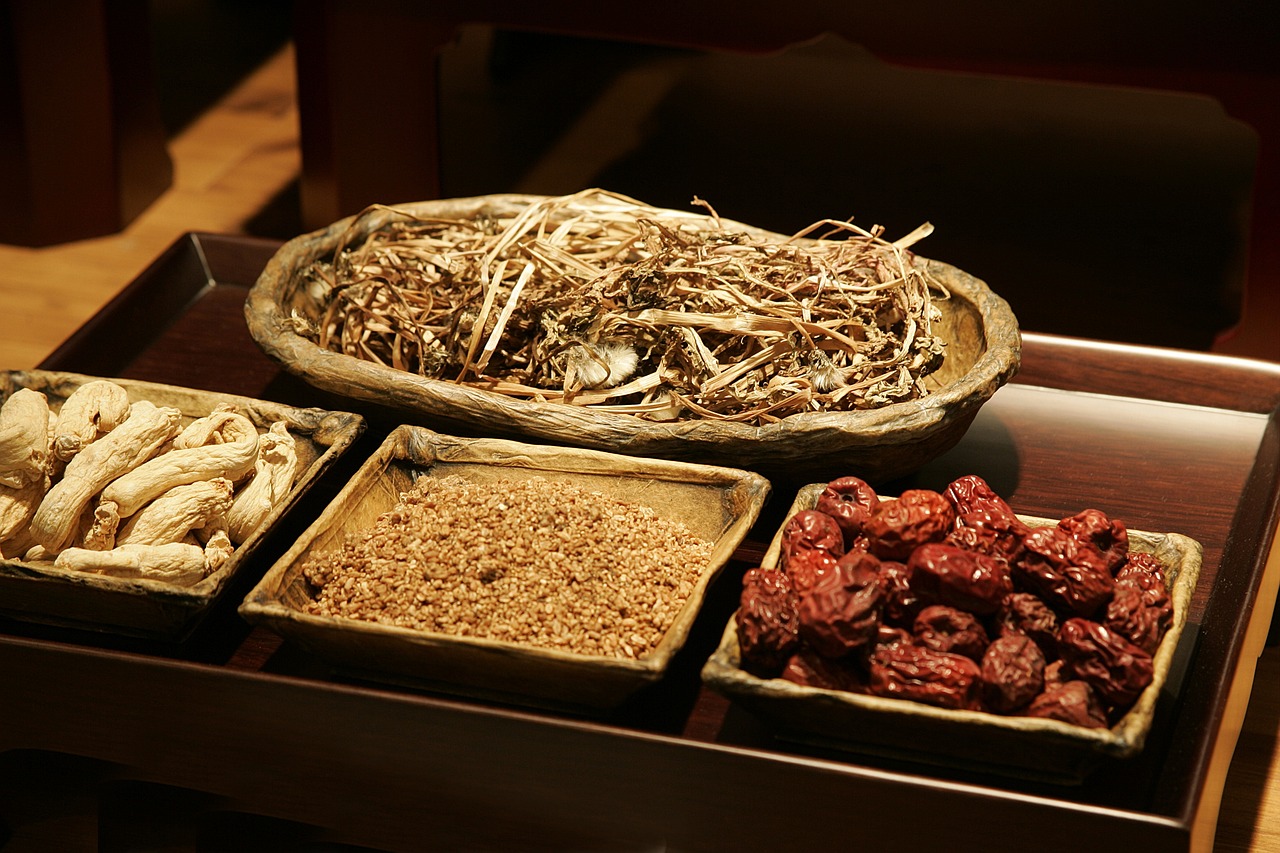
In general wellness language, adaptogens are plants, roots, herbs, or mushrooms traditionally used to support resilience and vitality as part of a balanced lifestyle. Well-known examples often include ginseng, ashwagandha, reishi mushrooms, and maca root.
It is important to keep this language realistic. Adaptogens should not be presented as miracle cures, medications, or substitutes for professional care. They are best understood as traditional plant-based foods or botanicals that some people choose to include in their daily routines.
Maca fits into this conversation because of its long history of use in the Andes, its natural nutrient profile, and the way many people use it today as part of a consistent wellness routine.
Why Maca Is Often Described as Adaptogenic
Maca is a cruciferous root vegetable, from the same broad plant family as foods like broccoli, cabbage, mustard, and turnips. It naturally contains carbohydrates, fiber, minerals, amino acids, and plant compounds such as glucosinolates, macaenes, and macamides.
These naturally occurring compounds are one reason maca continues to be studied for its nutritional profile and traditional use. However, research interest should not be interpreted to mean that maca treats, manages, or prevents any medical condition.
For most people, the practical takeaway is simple: maca is a traditional root food that may be used as one part of a daily wellness routine that also includes nutrient-rich foods, movement, hydration, sleep, and other supportive habits.
What Maca Is Not
Because the word “adaptogen” is sometimes used too broadly, it is helpful to be clear about what maca is not.
Maca is not a medication. It is not intended to diagnose, treat, cure, or prevent any disease. It should not be used as a replacement for medical care, prescribed medication, hormone therapy, fertility care, or individualized guidance from a qualified healthcare professional.
If you are managing a medical condition, taking medication, pregnant, nursing, trying to conceive, preparing for surgery, or following a medically directed diet, speak with a qualified healthcare professional before adding maca or any new supplement to your routine.
How Maca Can Fit Into a Daily Routine
One reason maca has become popular is that it is easy to use. Maca powder has an earthy, malty flavor that works well in smoothies, oatmeal, coffee, warm drinks, baked goods, and snack recipes. Capsules and liquid extracts are also available for people who prefer a more convenient format.
Many people use maca as part of routines built around:
- Daily vitality
- General wellness
- Plant-based nutrition
- Morning smoothies or warm drinks
- Consistent self-care habits
- Food-based supplement routines
These are general wellness uses. They should not be understood as medical claims or promises of specific results.

Choosing a Maca Product
The best maca product is the one that fits your taste, digestion, and daily routine. There is no single “right” maca for everyone.
- Yellow maca is the most common maca color and is often a practical starting point for beginners.
- Red maca is another traditional maca color with a smooth flavor that many people enjoy.
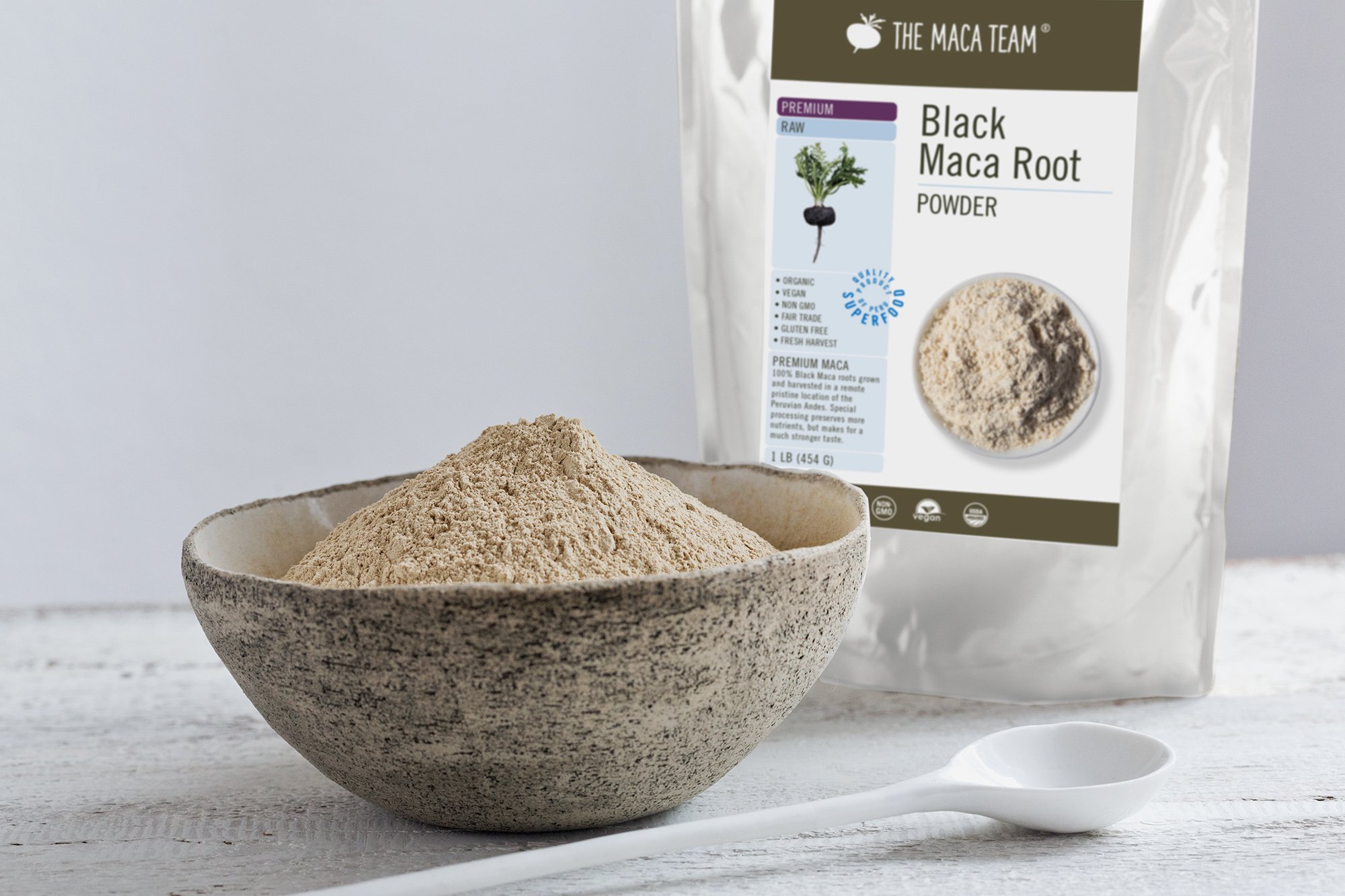
- Black maca is generally considered the rarest of the three main maca colors and is often chosen by people with active lifestyles.
- Tri-color maca combines yellow, red, and black maca roots in one blend.
If you are unsure where to begin, visit our Which Maca Is Best? guide for a general comparison of maca colors and formats.
Ways to Add Maca to Your Diet
Making a change to your routine does not have to be complicated. Maca can be added to foods and drinks you already enjoy.
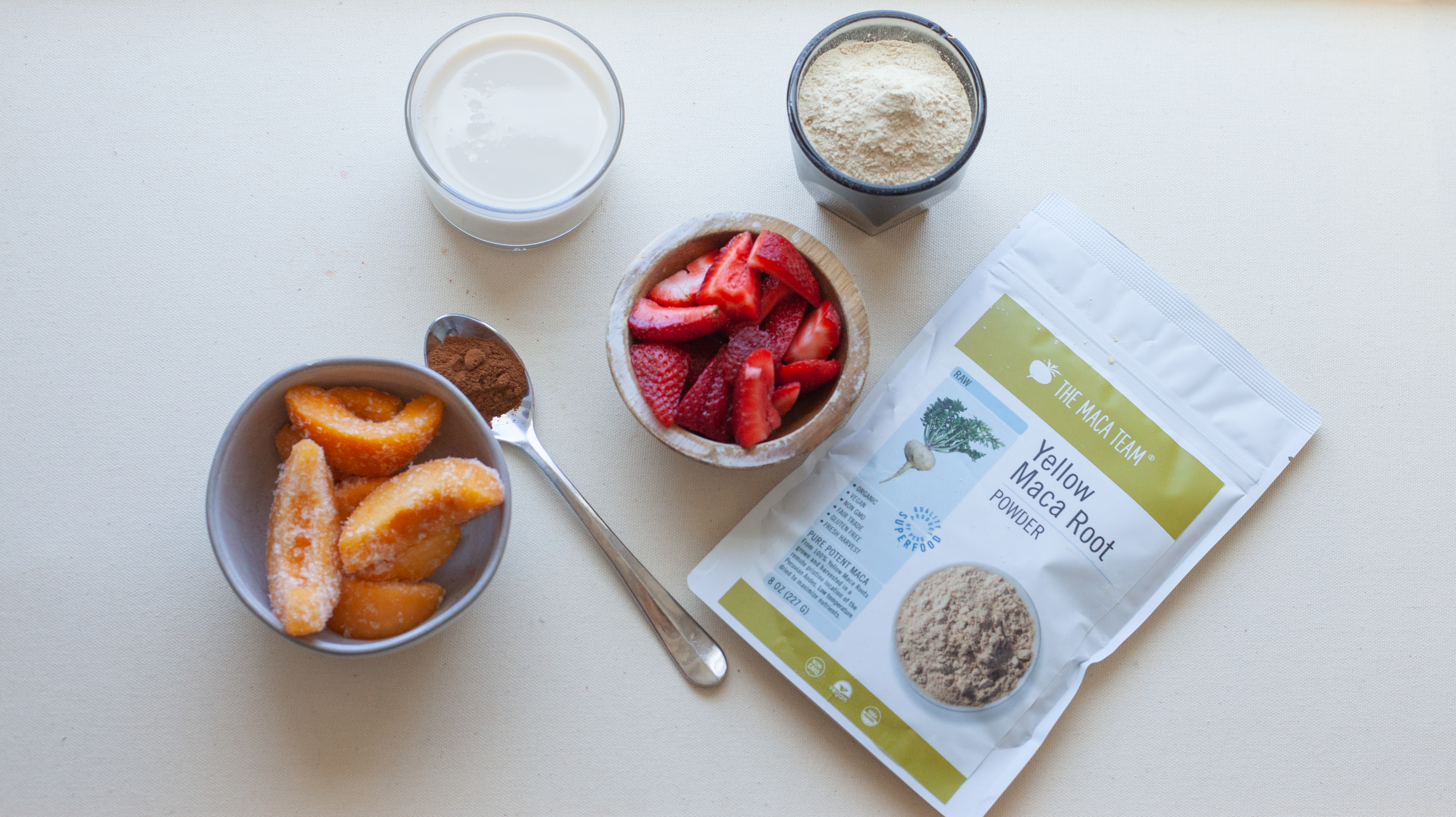
- Add maca powder to a morning smoothie.
- Stir maca into oatmeal or overnight oats.
- Use maca in coffee, lattes, or warm milk-style drinks.
- Add maca to muffins, pancakes, cookies, or energy bites.
- Use capsules when you want a pre-measured serving.
- Try liquid extract if you prefer a concentrated format.
For more ideas, explore our How to Use Maca page, our maca recipes, or our guide to maca coffee.
Bottom Line
Maca is often described as an adaptogenic root because of its traditional use, natural nutrient profile, and role in many daily wellness routines. But maca should not be treated as a cure-all or as a replacement for medical care.
Used thoughtfully, maca can be a simple, versatile addition to a balanced lifestyle. Start with the suggested serving size, choose the format that fits your routine, and give yourself time to decide how maca fits into your day.
FDA Disclaimer: These statements have not been evaluated by the Food and Drug Administration. This product is not intended to diagnose, treat, cure, or prevent any disease.
If you have questions about how to get started, visit our Maca FAQs or contact us using our web form. You can also call us toll-free at 888-919-8616.
Enjoy the day!
Recent Maca Posts
-

Making Organic Peruvian Maca Part of Your Daily Wellness Routine
Mornings set the tone for the entire day. The first choices you make after waking up can influence y …7th Aug 2026 -
How to Choose the Right Maca for Your Lifestyle
If you've started exploring the world of superfoods, you've likely come across maca root. Native to …5th Aug 2026 -
Black, Red, or Yellow Maca: What's the Difference?
If you've started exploring the world of maca, you've probably noticed that it comes in several vari …15th Jul 2026