
Maca and Bone Support
 Maca may fit into a broader lifestyle focused on bone support and healthy aging. If you are researching maca because you are interested in how it might affect bone density, aging bones, menopause, osteoporosis, or long-term skeletal wellness, this page will help you understand what is currently known — and what is not yet proven.
It's important to note that maca is not a recognized treatment for osteoporosis, fractures, or any diagnosed bone condition. Instead, it is a traditional Peruvian root vegetable with a unique nutrient profile, and some preliminary research has explored maca in relation to bone-related outcomes. Below, we look at the research, the limits of that research, and how maca may fit into a broader bone-supportive lifestyle.
Important note: Maca is a traditional food and dietary supplement, not a treatment for osteoporosis or any bone disease. This page is intended to help readers understand how maca may fit into a broader bone-supportive lifestyle that includes nutrition, movement, adequate mineral intake, and professional medical guidance when needed.
Maca is not intended to diagnose, treat, cure, or prevent any disease.
In This Article (Click for each section)
- Quick Answer: Can Maca Support Bone Health?
- Important Note About Osteoporosis
- The Importance of Healthy Bones
- What Research Says About Maca and Bone Health
- Can Maca Help With Osteoporosis?
- Maca, Menopause, and Bone Support
- Bone Density and Aging
- Customer Experiences
- Which Maca Is Best for Bone Support?
- How To Take Maca
- Simple Serving Ideas
- Frequently Asked Questions
- Related Reading
- References and Further Reading
Quick Answer: Can Maca Support Bone Health?
Maca may be a useful food to include in a broader diet focused on natural bone health support, especially because of its nutritional profile and its traditional use as a vitality-supporting root vegetable.
Some preliminary animal and laboratory research has explored maca in relation to bone structure, postmenopausal wellness, and bone-related pathways. These findings are interesting, but human research is still limited.
Currently, maca is best viewed as one part of a larger bone-supportive lifestyle that may include adequate calcium, vitamin D, protein, magnesium, regular weight-bearing movement, strength training, sleep, and professional medical guidance when needed.
Important Note About Osteoporosis
Osteoporosis is a medical condition that should be evaluated and managed with the help of a qualified healthcare professional. This page is for educational purposes only and is not intended to diagnose, treat, cure, or prevent osteoporosis or any other disease.
Maca may be included as part of a wellness-focused diet, but it should not replace bone-density testing, medical care, medication, calcium, vitamin D, or any treatment plan recommended by a healthcare provider.
The Importance of Healthy Bones
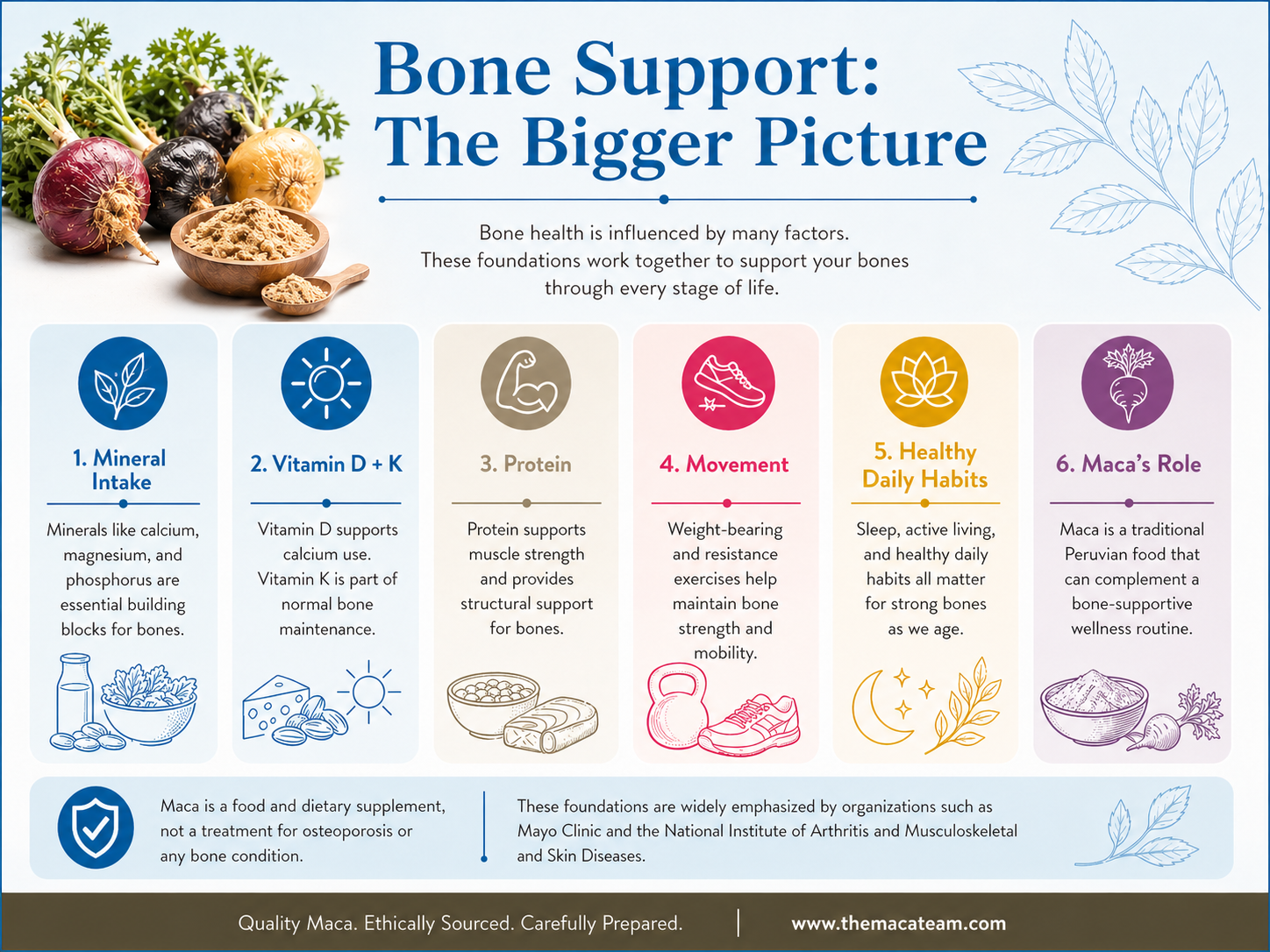
Our bones play several important roles in the body. They give us structure, anchor muscles, protect internal organs, and store important minerals such as calcium and phosphorus. Developing and maintaining a strong skeletal system is an important part of long-term wellness.
According to the Mayo Clinic, most people reach peak bone mass around age 30. After that, bone density gradually changes over time. Mayo Clinic also notes that calcium, physical activity, tobacco use, alcohol use, and hormone levels can all play a role in bone health.
Bone health is influenced by many overlapping factors, including mineral intake, protein intake, physical activity, age, hormone changes, sleep, stress, and overall lifestyle habits. Maca is often included in wellness routines because of its nutrient profile and traditional association with vitality and balance. For people interested in bone support, it may be one useful food to consider as part of a broader approach.
Key pillars of supporting bone health include:
- Adequate calcium and vitamin D intake
- A balanced diet that includes enough protein and minerals
- Regular weight-bearing and resistance exercise
- Healthy hormone balance, especially during midlife and later years
- Avoiding smoking and limiting excessive alcohol use
- Working with a healthcare professional when bone density is a concern
These foundations are widely emphasized by organizations such as Mayo Clinic and the National Institute of Arthritis and Musculoskeletal and Skin Diseases. Maca does not replace these foundations, but it may fit naturally into a daily nutrition routine for people who are already focused on active living, healthy aging, and long-term skeletal wellness.
What Research Says About Maca and Bone Health
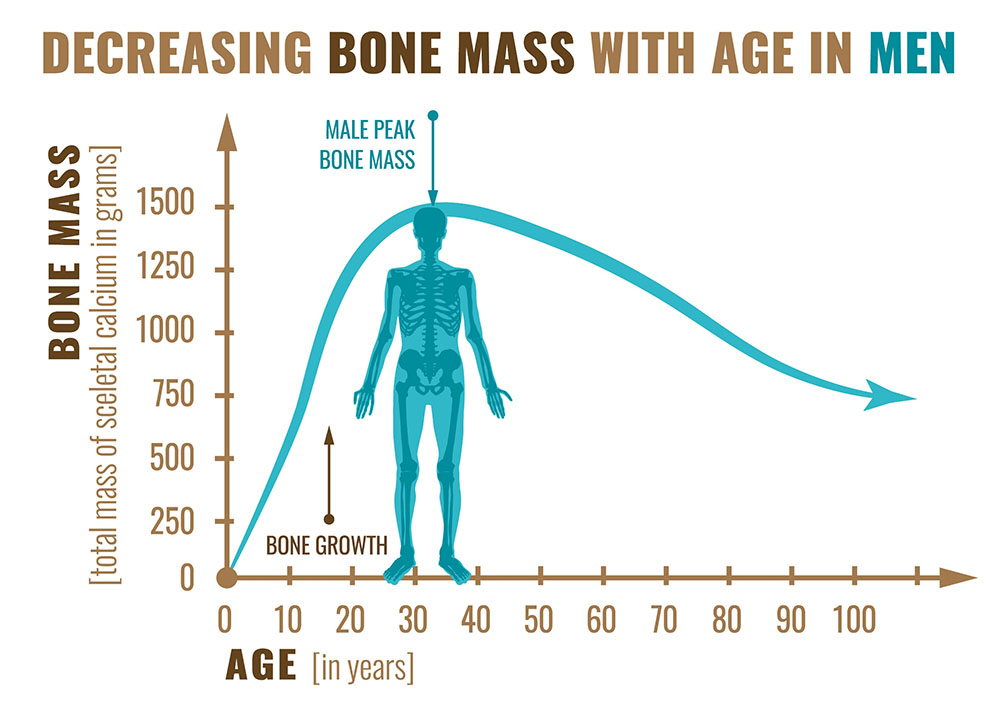 Bone density naturally changes over time, which is one reason many people focus on long-term bone support. As maca root became more widely known outside Peru in the late 1990s and early 2000s, researchers began exploring its nutritional properties and possible roles in overall wellness. A smaller group of studies has looked more specifically at bone-related outcomes.
It is important to separate different types of research. Some studies on maca and bone-related outcomes have been conducted in animals. Other studies look at compounds found in maca and how they may interact with biological pathways. These can be useful early-stage findings, but they do not prove the same effects in humans.
Several animal studies from the 2006–2009 period reported improvements in aspects of bone structure when maca was included in the diet.
- In 2010, researchers in Peru studied the effects of red and black maca in rats and reported “protective effects on bone architecture” in that model.
- A 2022 veterinary study involving quail also observed changes in eggshell strength and bone quality measures in older birds that consumed maca.
- Other research has explored compounds in maca such as macamides and macaenes and their possible relevance to bone-related pathways, including research connected with maca compounds and osteoporosis-related pathways.
These studies are interesting because they suggest that maca’s relevance to bone support may involve more than simple mineral content alone. Maca does contain some calcium and other minerals, but its possible role may also involve unique compounds found naturally in the root.
At the same time, most of the research directly connecting maca with bone outcomes has been conducted in animals or laboratory settings. These findings are promising enough to justify continued research, but they should not be interpreted as proof that maca treats osteoporosis, heals fractures, or improves bone density in humans.
The responsible conclusion is this: maca may be a useful food to include in a broader bone-supportive lifestyle, but more human research is needed.
Can Maca Help With Osteoporosis?
Maca is not a recognized treatment for osteoporosis. Osteoporosis is a medical condition that should be evaluated and managed with guidance from a qualified healthcare professional.
That said, many people who are interested in osteoporosis are also interested in broader questions around bone density, aging, menopause, nutrition, and long-term skeletal wellness. This is where maca may be relevant as a supportive food.
Some preliminary research has explored maca in relation to bone-related markers, especially in animal models. However, human evidence remains limited. At this stage, maca can't be presented as something that reverses osteoporosis, rebuilds bone, heals fractures, or replaces medical treatment.
For someone concerned about osteoporosis, maca may be considered as one part of a broader nutrition and lifestyle routine. That broader routine may include mineral-rich foods, adequate protein, vitamin D, strength training, weight-bearing activity, bone-density testing, and medical care when recommended.
Maca, Menopause, and Bone Support
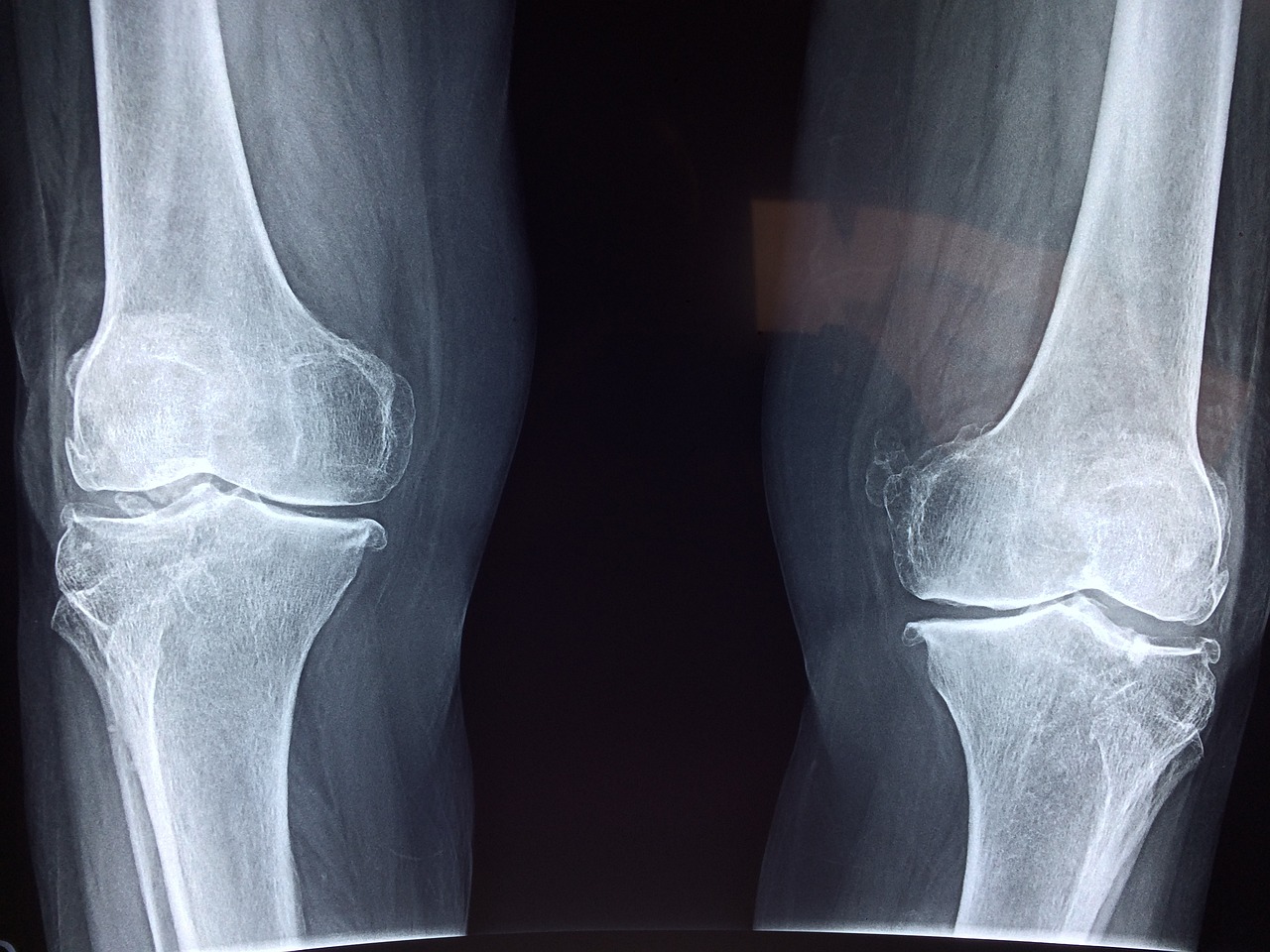 Bone support is especially important during midlife and later adulthood. Many people become more interested in bone support during midlife, especially around menopause and the years that follow. This is because hormonal changes can be one of several factors involved in changes to bone density over time.
Maca has traditionally been used as a nourishing root vegetable and is often chosen by women during midlife as part of a broader wellness routine. Some research has explored maca in relation to postmenopausal wellness, but it should not be understood as a replacement for medical care, bone-density testing, or professionally recommended nutrition and lifestyle strategies.
For women concerned about bone density, maca may be one supportive food to consider alongside adequate minerals, vitamin D, protein, strength training, and guidance from a qualified healthcare professional.
This is also where red maca is often discussed. Some people choose red maca because of its traditional association with women’s wellness and midlife support. Others prefer tri-color maca because it combines red, black, and yellow maca together. At this stage, there is not enough human research to say that one color of maca is definitively best for bone support.
Bone Density and Aging
As people age, many begin paying closer attention to bone density, mobility, strength, and long-term skeletal health. This may happen after a routine scan, a family history of osteoporosis, menopause, reduced activity, or simply a growing desire to stay active and strong for as long as possible.
Maca is not a replacement for medical care, but many people choose to include it as part of a broader lifestyle approach focused on active living, balanced nutrition, and healthy aging.
The key is not to think of maca as a quick fix. It is better understood as a traditional food that may become part of your long-term wellness pattern.
Customer Experiences
In 20+ years of sourcing and selling high-quality maca products, we have received a lot of feedback regarding maca. Regulations do not allow us to share any feedback that could imply maca helped with any specific health condition. Please keep that in mind as you read these individual customer experiences. They are not medical claims, and results may vary.
We have heard from customers who chose to include maca in routines centered on active living, training, recovery, mobility, and long-term wellness. While these experiences cannot prove a specific effect on bone density or any diagnosed condition, they do reflect how people often use maca as part of a broader wellness lifestyle.
“Two years ago, I was diagnosed with osteopenia, the precursor to osteoporosis. My doctor was considering medication. I had already been taking maca, but very sporadically — whenever I would think about it. After the diagnosis, I started being very faithful and consistent in taking Red Maca. Last week, I received the results of my most recent DEXA test and was encouraged by the direction things were going. My doctor told me to continue with the healthy habits I had been following. One of the things I had added consistently was Red Maca every day. I highly recommend The Maca Team as a source for quality maca.” – Cyndi
“I am a 62-year-old woman, and bone health is one of the reasons I became interested in maca. I had used maca before, but I found the smell very off-putting. Your red maca is obviously much better and actually tastes sweet. Though it has an aroma, it is not unpleasant. I mix the powder with warm water and drink it down. I started off with a half metric teaspoon, but I have gone on to a heaped normal teaspoon and do not have any problems with it. My thanks to The Maca Team.” – Jennifer
“I was admitted to the hospital in early March with kidney stone pain. Eventually, an aide wheeled me to the X-ray department. After the X-rays were taken, I was moved into a room across the hallway for a few minutes while they checked the images. A few minutes later, the aide came out and said the X-ray technician had asked her to check my wristband to make sure the name and date of birth matched, because the images looked more like they belonged to a healthy, active person than a 73-year-old. At first, I was puzzled by her statement. Then I thought about the reason I had become interested in your product in the first place: staying active and supporting my overall wellness as I age. I had been using your maca for about three years. I have felt good using your product, and it was reassuring to receive that kind of comment. After all, I am a healthy old athlete of sorts!” – David Doxtad
These kinds of experiences are one reason people continue to explore maca as part of a daily wellness routine. They should not be read as proof that maca treats osteoporosis, heals injuries, or changes bone density. They are simply personal experiences from people who have chosen to include maca in their lives.
Which Maca Is Best for Bone Support?
The studies discussed above have used different maca colors, including red and black maca, and yellow maca is also widely consumed as a traditional food. At this stage, there is not enough human research to say that one color is definitively best for bone support.
For most people, product quality matters more than color alone. We recommend choosing fresh, Peruvian-grown, organic, fair-trade maca from a trusted source.
For broad nutritional support, many customers choose Tri-Color Maca, which combines red, black, and yellow maca in one product. This can be a good option for people who want the full spectrum of maca colors rather than choosing just one.
Simple product guidance:
- Tri-Color Maca: A good starting point for broad nutritional support. It includes red, black, and yellow maca together.
- Red Maca: Often chosen by women and people interested in midlife wellness routines.
- Black Maca: Often chosen by active adults and those focused on strength, stamina, and training support.
- Gelatinized Maca: A good option for people who prefer a pre-cooked, easier-to-digest form.
- Raw Maca: A traditional, whole-food option for people who digest raw maca well and prefer it in its uncooked form.
If you are not sure where to begin, Tri-Color Maca is often the simplest starting point for general nutritional support.
 Tri-Color Maca combines red, black, and yellow maca for broad nutritional support.
How To Take Maca for General Bone Support
Maca is a food, so it is usually best used consistently as part of an overall dietary routine rather than occasionally. Many people add maca to smoothies, oatmeal, warm drinks, yogurt, or simple recipes.
For general wellness use, many people begin with a small serving and gradually increase as desired. Consistency over several weeks can help you better understand how maca fits into your routine.
For bone support specifically, maca should be viewed as one part of a long-term nutrition and lifestyle pattern rather than a quick or targeted intervention.
A practical approach:
- Start with a small serving.
- Use maca consistently.
- Pair it with a mineral-rich, protein-supportive diet.
- Include regular weight-bearing or resistance exercise.
- Continue any medical guidance you have received.
- Evaluate how maca fits into your broader routine over time.
Many people find that using maca daily for several weeks helps them better understand how it fits into their wellness habits. For bone support and healthy aging, long-term dietary patterns are more meaningful than short-term changes.
Simple Serving Ideas
 A strawberry banana maca smoothie is one simple way to include maca in a daily routine. Maca has a malty, earthy flavor that works especially well in breakfast foods and smoothies. For most people, the easiest approach is to choose one simple daily serving method and use it consistently.
You can add maca to smoothies, oatmeal, yogurt, warm drinks, homemade energy bites, pancake batter, chia pudding, or protein shakes.
One easy serving idea is to blend maca powder into a strawberry banana smoothie with plant-based milk, banana, strawberries, and a small serving of maca powder.
For more ideas, visit our full maca recipes section.
Frequently Asked Questions About Maca and Bone Support
Can maca help with osteoporosis?
Maca should not be used as a treatment for osteoporosis. Osteoporosis is a medical condition that should be evaluated and managed with guidance from a qualified healthcare professional. Some preliminary research has explored maca in relation to bone-related markers and postmenopausal wellness, but human evidence is still limited.
Is red maca best for bone support?
Some research has looked specifically at red maca, while other studies have used black maca or maca in general. At this point, there is not enough human research to say that one color of maca is definitively best for bone support. For broad nutritional use, many people choose tri-color maca because it includes red, black, and yellow maca together.
Can maca replace calcium, vitamin D, or bone medication?
No. Maca should not replace calcium, vitamin D, prescribed medication, bone-density testing, or medical care. It may be used as part of a broader wellness-focused diet, but people with diagnosed bone conditions should follow professional guidance.
How long does it take to notice benefits from maca?
Maca is a food and is usually best evaluated over time as part of a consistent routine. Many people use maca daily for several weeks before deciding how it fits into their wellness habits.
Is maca better as powder, capsules, or extract?
That depends on preference. Powder is easy to add to foods and drinks. Capsules are convenient for people who do not want the taste. Liquid extract can be useful for those who prefer a quick format. For people with sensitive digestion, gelatinized maca is often a good option because it is pre-cooked.
Should I choose raw or gelatinized maca?
Raw maca is a traditional whole-food powder. Gelatinized maca is pre-cooked to remove starch and make it easier to digest. Both can be good options. The best choice depends on your digestion, preference, and how you plan to use it.
Related Reading
If you are interested in maca and bone support, these related guides are the most useful next steps:
- Maca Benefits — A broader look at the traditional uses, nutritional profile, and modern interest in maca.
- Maca and Nutritional Benefits — A closer look at the nutrients naturally found in maca root.
- Maca and Hormonal Balance — A careful look at maca’s traditional association with balance and midlife wellness.
- Which Maca Is Best? — A practical guide to choosing between maca colors, forms, and product types.
- Maca Forms — A guide to maca powder, capsules, extracts, raw maca, and gelatinized maca.
- Tri-Color Maca — A good starting point for broad nutritional support.
Final Thoughts
Maca has a long history of traditional use as a nourishing food from the high Andes of Peru. While preliminary research has explored maca in relation to bone-related outcomes, the current evidence does not support using maca as a treatment for osteoporosis, fractures, or any diagnosed bone condition.
The most responsible way to think about maca and bone support is as part of a larger picture.
Strong bones are supported by daily habits: mineral-rich foods, adequate protein, movement, strength training, sunlight or vitamin D, sleep, and professional guidance when needed. Maca may be one useful food within that broader pattern.
If you are looking for a simple place to begin, Tri-Color Maca is often a good choice for broad nutritional support. If you prefer a pre-cooked, easier-to-digest option, gelatinized maca may be the better fit.
Maca is a food and dietary supplement and is not intended to diagnose, treat, cure, or prevent any disease.
Enjoy the day!
References and Further Reading
The research on maca and bone support is still developing. The following resources may be useful for readers who want to learn more:
- Mayo Clinic: Bone health tips
- NIAMS: Calcium and Vitamin D — Important for Bone Health
- NIAMS: Bone Health and Osteoporosis
- Research on red and black maca and bone architecture
- Veterinary study involving maca, eggshell strength, and bone quality measures in quail
- Research on maca compounds and bone-related pathways