
Is Maca a Nootropic
Reviewed by: The Maca Team Editorial Board
Over the past few years, we’ve been receiving this question more frequently. The answer is nuanced, and in this article we’ll answer it fully.
Question: “Is maca a nootropic?”
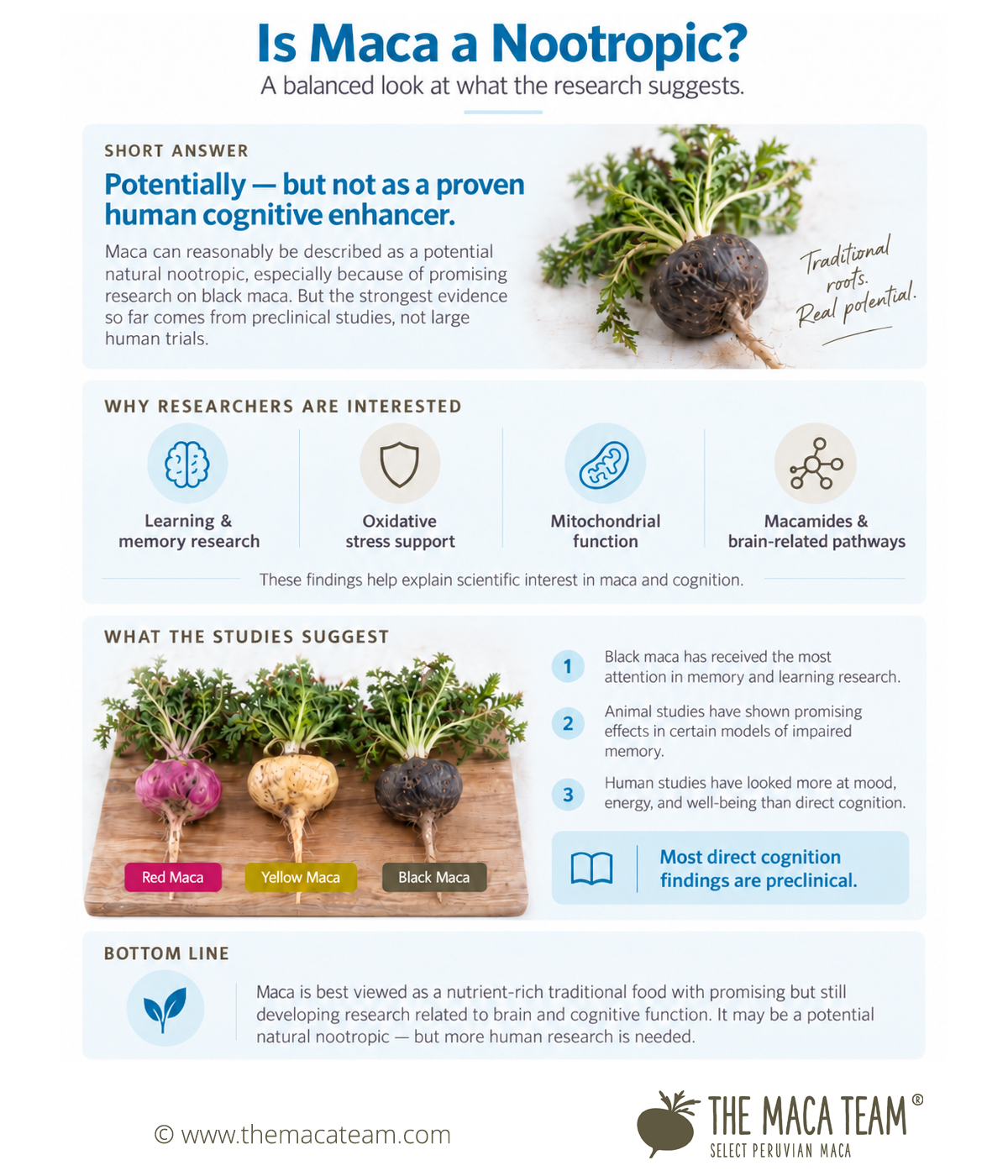
The short answer is: maca can reasonably be described as a potential natural nootropic, but it has not yet been established as a proven cognitive enhancer in humans.
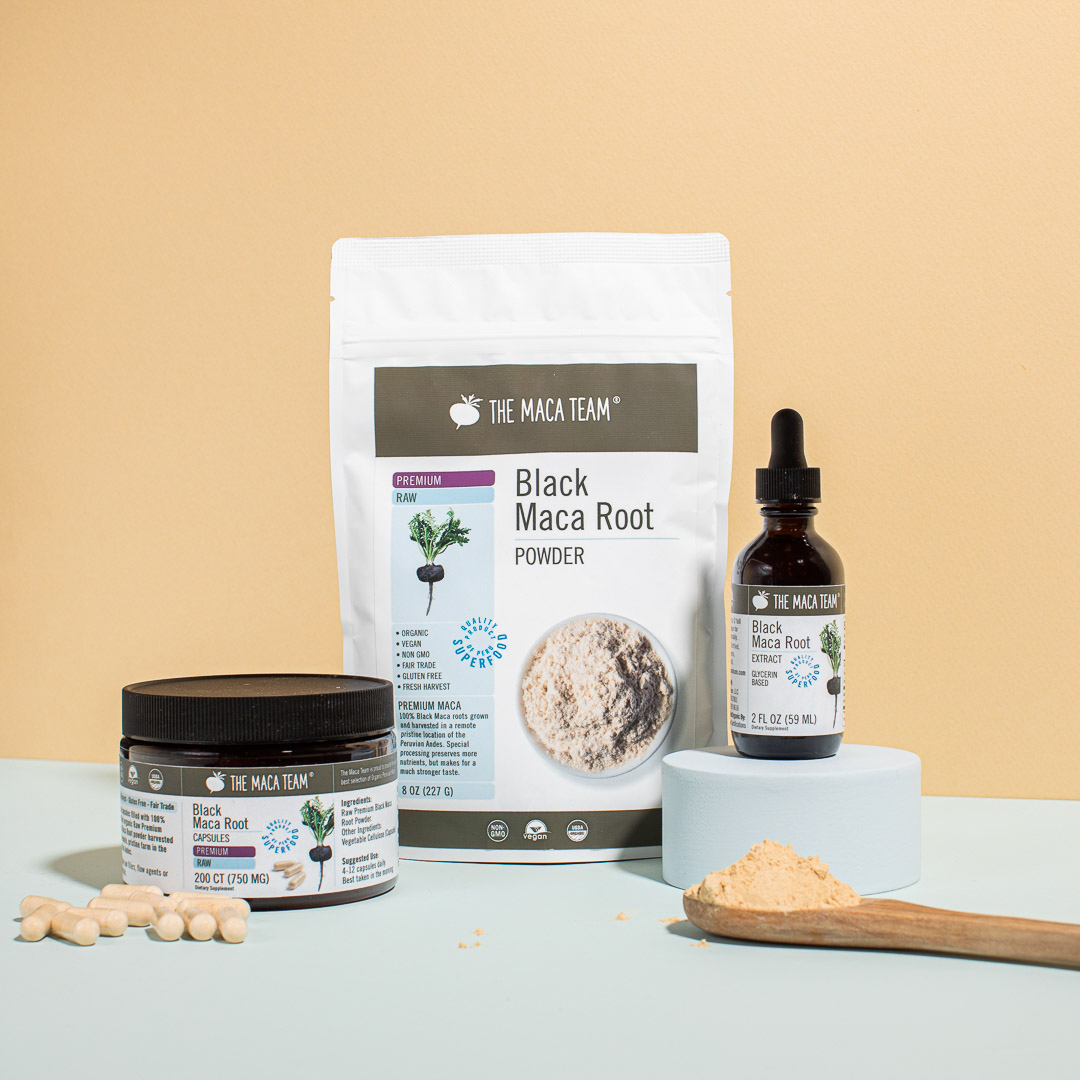
That distinction is important.
There is a surprisingly interesting body of research looking at maca and the brain. Experimental studies have examined memory, learning, neuroprotection, oxidative stress, mitochondrial function and several naturally occurring compounds in maca that may interact with pathways in the nervous system. Black maca in particular has produced some intriguing results.
At the same time, most of the strongest research specifically measuring memory and learning has been performed in animals rather than people. So, while there are good scientific reasons for researchers to be interested in maca as a possible nootropic food, claims that maca has been proven to improve human memory, concentration or intelligence would go beyond the evidence we currently have.
What Is a Nootropic?
The word nootropic is generally used for substances associated with cognitive function, particularly areas such as memory, learning, attention, mental performance and brain health.
The category is very broad. It can include pharmaceutical compounds as well as naturally occurring substances and foods.
Examples of commonly discussed natural nootropics include coffee and caffeine, Ginkgo biloba and lion’s mane mushroom.
In terms of maca, several scientific reviews of natural nootropics have included maca root (Lepidium meyenii) because of its experimental effects on memory, learning, fatigue and neuroprotection.
That does not mean maca works like a pharmaceutical aimed at supporting brain function.
Maca is first and foremost a traditional Andean food. It contains carbohydrates, protein, minerals and numerous naturally occurring plant compounds, including macamides, glucosinolates, polyphenols and alkaloids. Modern researchers have become interested in whether some of those compounds may also help explain maca's observed effects in the nervous system.
What Does the Research Say About Maca, Memory and Learning?
This is where the research becomes especially interesting.
A series of experimental studies has investigated black maca in different models of impaired memory and learning. You can explore additional published studies in our maca research section.
In one study, researchers compared black, red and yellow maca in ovariectomized mice. All three varieties produced some effects in the learning test, but black maca produced the strongest response, particularly in trained animals.
Another study looked at mice in which memory impairment was induced with scopolamine. Both aqueous and hydroalcoholic extracts of black maca improved performance in tests of learning and memory. The researchers also observed reduced activity of acetylcholinesterase, an enzyme involved in the breakdown of the neurotransmitter acetylcholine.
Black maca has also been studied in an experimental model of alcohol-induced memory impairment. Again, researchers observed improved performance in spatial-memory testing, with the effect increasing with the amount of black maca given.
In another experiment involving middle-aged mice, maca was associated with better cognitive performance as well as improved mitochondrial activity and changes in proteins involved in cellular maintenance processes in the brain cortex.
More recent research continues to point in the same general direction. A 2025 study of Peruvian black maca found improvements in spatial learning in an animal model, although the researchers did not find improvement in every aspect of memory that they tested. That is a useful reminder that even the experimental evidence is more nuanced than simply saying that “maca improves memory.”
Taken together, these studies give scientists a legitimate reason to investigate maca further for cognition. But animal research cannot automatically be translated into the same effect in people.
Why Might Maca Affect the Brain?
Researchers do not yet know exactly how maca may influence cognitive function, and there is probably no single mechanism. Our guide to how maca works looks more broadly at maca's nutrients and naturally occurring plant compounds.
One possibility involves oxidative stress. In several experimental studies, maca or black maca reduced markers associated with oxidative damage. Oxidative stress is one of many factors researchers study in relation to normal brain aging and neuronal health.
Another area of interest involves mitochondria, the structures within cells responsible for producing much of their usable energy. In middle-aged mice, maca supplementation was associated with improved mitochondrial respiratory function in the brain along with improved cognitive performance.
Researchers are also paying particular attention to macamides, a distinctive group of compounds found in maca.
Laboratory research has found that certain macamides can inhibit fatty acid amide hydrolase, or FAAH, an enzyme involved in the body's endocannabinoid system. Other experiments have found neuroprotective effects from macamides under specific laboratory conditions. These findings are interesting because the endocannabinoid system participates in a wide range of neurological processes.
These mechanisms help explain why scientists are interested in maca. They should not, however, be interpreted as proof that eating maca will produce a particular cognitive result in humans.
What About Human Research?
This is currently the biggest limitation in calling maca a true nootropic.
Human maca studies exist, but relatively few have been designed specifically to determine whether maca improves memory, attention, learning or other objective measures of cognitive performance.
One randomized, double-blind, placebo-controlled study followed 175 adults taking either red maca, black maca or placebo for 12 weeks. The researchers reported improvements in measures including mood, energy and health-related quality of life among people consuming maca. Cognitive performance itself, however, was not the primary subject of the study.
Other human studies have also investigated areas such as mood, anxiety, fatigue and psychological symptoms. These areas can certainly influence how mentally alert or productive a person feels, but they are not the same thing as demonstrating improved memory or cognition.
This is why reviews of the maca literature repeatedly arrive at a similar conclusion: the experimental evidence is promising, but more well-designed human clinical trials are needed before maca can be considered a clinically demonstrated cognitive enhancer.
Is Black Maca the Best Maca for Cognitive Support?
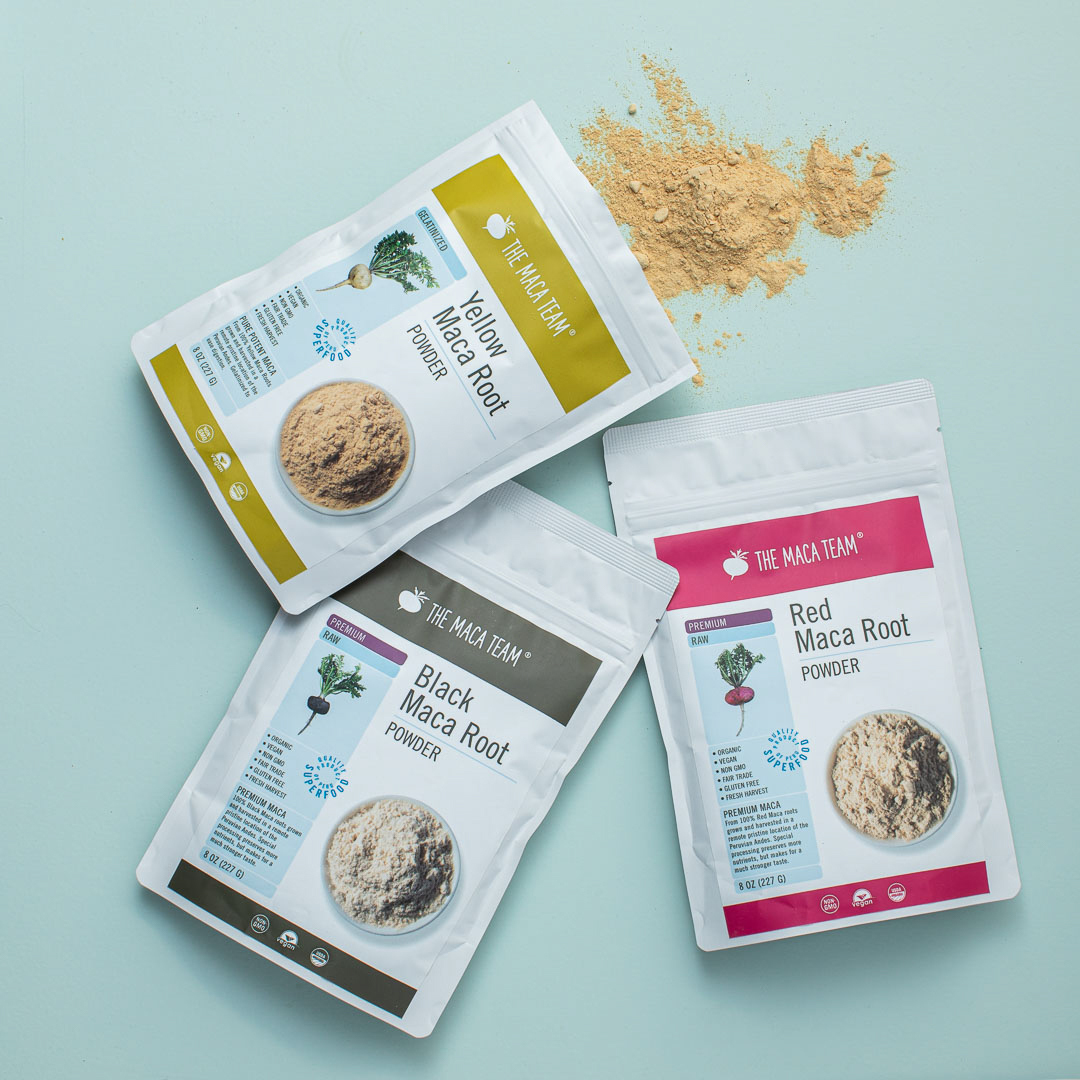
If we look strictly at the existing research on memory and learning, black maca has received the most attention and has generally produced the strongest experimental results.
For example, the study directly comparing black, red and yellow maca found black maca to have the greatest effect on latent learning in the animal model being tested. Subsequent memory studies have also concentrated heavily on black maca.
That does not prove that black maca improves memory in people, nor does it mean that other maca colors cannot be useful.
It simply means that someone reading the scientific literature about maca and cognition will encounter black maca much more often than red or yellow maca.
Is Maca a Stimulant?

No. It is useful to distinguish the idea of a nootropic from the idea of a stimulant.
Maca is not generally experienced like coffee or another fast-acting stimulant. People who use maca for energy often describe the experience as more gradual, and maca is traditionally consumed as a food rather than for an immediate stimulating effect.
That difference also matters when considering maca as a possible nootropic. Taking maca should not be expected to produce an instant burst of concentration or mental sharpness.
The research interest in maca is much broader: researchers are investigating its plant compounds, neuroprotective activity, cellular energy metabolism, oxidative stress, mood, fatigue, learning and memory.
So, Is Maca Really a Nootropic?
Possibly — but “potential natural nootropic” is more accurate than “proven nootropic.”
There is credible experimental evidence that makes maca an interesting food for brain-health research. Studies have found effects involving learning and memory, particularly with black maca, and researchers have identified several plausible biological mechanisms involving oxidative stress, mitochondrial activity and macamides.
What we do not yet have is a substantial body of human clinical trials showing that maca reliably improves memory, focus or learning in people.
For now, we think the most accurate way to look at maca is as a nutrient-rich traditional food with promising but still developing research related to cognitive and neurological function.
That's a less dramatic answer than calling maca a “natural smart drug.”
But it is also a much more interesting—and scientifically defensible—one.
Related Reading
Interested in Trying Maca?
Maca comes in different colors, processing styles and forms. If you're new to maca, our guides can help you choose an option that fits what you're looking for.
References
- Gonzales GF. Ethnobiology and Ethnopharmacology of Lepidium meyenii (“Maca”), a Plant from the Peruvian Highlands. Evidence-Based Complementary and Alternative Medicine, 2012.
- Rubio J, Caldas M, Dávila S, Gasco M, Gonzales GF. Effect of three different cultivars of Lepidium meyenii (Maca) on learning and depression in ovariectomized mice. BMC Complementary and Alternative Medicine, 2006.
- Rubio J, et al. Aqueous and hydroalcoholic extracts of Black Maca (Lepidium meyenii) improve scopolamine-induced memory impairment in mice. Food and Chemical Toxicology, 2007.
- Rubio J, et al. Aqueous Extract of Black Maca (Lepidium meyenii) on Memory Impairment Induced by Ovariectomy in Mice. Evidence-Based Complementary and Alternative Medicine, 2011.
- Rubio J, Yucra S, Gasco M, Gonzales GF. Dose-response effect of black maca (Lepidium meyenii) in mice with memory impairment induced by ethanol. Toxicology Mechanisms and Methods, 2011.
- Guo S-S, et al. Preservation of Cognitive Function by Lepidium meyenii (Maca) Is Associated with Improvement of Mitochondrial Activity and Upregulation of Autophagy-Related Proteins in Middle-Aged Mouse Cortex. Evidence-Based Complementary and Alternative Medicine, 2016.
- Gonzales-Arimborgo C, et al. Acceptability, Safety, and Efficacy of Oral Administration of Extracts of Black or Red Maca in Adult Human Subjects: A Randomized, Double-Blind, Placebo-Controlled Study. Pharmaceuticals, 2016.
- Almukadi H, et al. The macamide N-3-methoxybenzyl-linoleamide is a time-dependent fatty acid amide hydrolase (FAAH) inhibitor. Molecular Neurobiology, 2013.
- Ulloa del Carpio N, et al. Exploring the chemical and pharmacological variability of Lepidium meyenii: a comprehensive review of the effects of maca. Frontiers in Pharmacology, 2024.
- Quispe-Díaz IM, et al. Antioxidant, Neuroprotective, and Antinociceptive Effects of Peruvian Black Maca (Lepidium meyenii Walp.). Antioxidants, 2025.