
Maca vs Ginseng
By Mark Ament, M.A. | Updated on
Reviewed by TMT editorial board
Mark Ament is the founder of The Maca Team and has worked directly with Peruvian maca for more than 20 years.
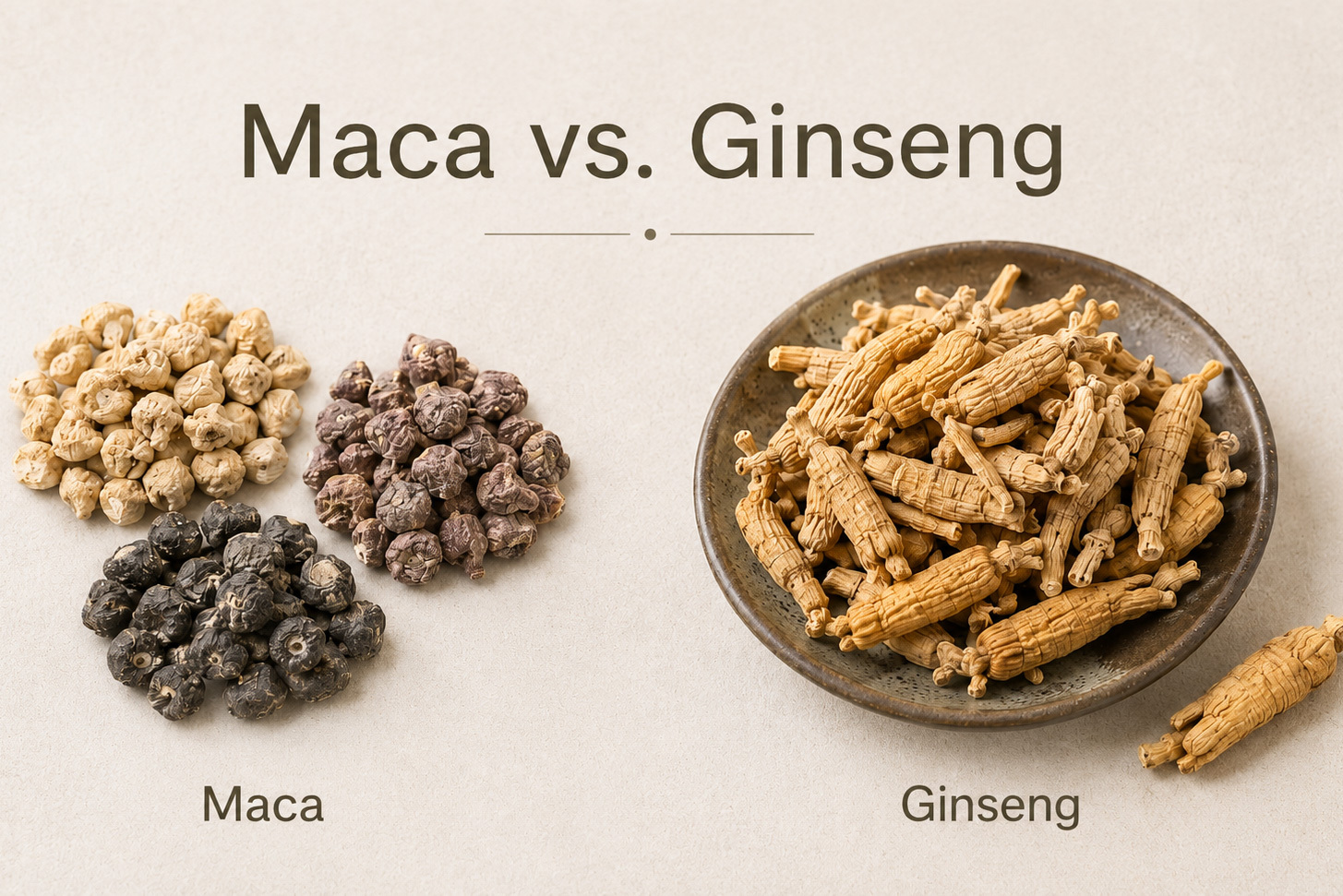
Maca and ginseng are both roots associated with vitality, but they come from different traditions and are used in different ways.
One of the questions we commonly receive is, “What’s the difference between maca and ginseng?” It’s an understandable question for a couple of reasons. First, “Peruvian ginseng” is a common nickname for maca. Second, both maca and ginseng have long histories of traditional use and are commonly associated with energy, vitality, and drive. In spite of those similarities, maca and ginseng are different plants, contain different active compounds, and are distinct types of supplements.
In this article, we’ll take a closer look at what makes maca and ginseng similar and different.
Quick Answer: How Are Maca Root and Ginseng Different?
Maca root (Lepidium meyenii or Lepidium peruvianum) is a traditional Peruvian root vegetable that can be incorporated into a consistent daily routine. People add it to their diets for general wellness, mood, vitality, and energy. Maca root is considered a food and is commonly available as a powder, capsules, extracts, or chips.
Ginseng usually refers to a root in the Panax genus grown in East Asia or North America and used primarily as an herbal tonic, tea, capsule, or extract. People often use it for fatigue, alertness, cognitive performance, or male sexual function. Results vary and depend on the ginseng species, extract ratio, dosage, health conditions, and intended use.
Maca is usually the broader, food-based daily choice. Ginseng is usually the more targeted herbal choice. Neither is automatically better or stronger for everyone.
Maca and Ginseng Comparison Chart
| Feature | Maca | Ginseng |
|---|---|---|
| Botanical identity | Lepidium meyenii or Lepidium peruvianum | Panax ginseng, Panax quinquefolius, or another true Panax species |
| Plant family | Brassicaceae, the same broad family as cabbage, broccoli, and radish | Araliaceae, the same family as ivy, aralia, and eleuthero |
| Traditional origin | The high Andes of Peru | East Asia for Asian ginseng; North America for American ginseng |
| Traditional role | Cultivated as a food crop and used in traditional preparations | Used primarily as an herbal preparation, tonic, tea, or extract |
| Notable compounds | Macamides, macaenes, glucosinolates, sterols, and other plant compounds | Ginsenosides and other compounds that vary by species and processing method |
| Common modern forms | Powder, gelatinized powder, capsules, concentrated extracts, and blends | Capsules, standardized extracts, dried root, teas, tonics, and combination products |
| Common reasons for use | Vitality, sexual well-being, mood, menopause-related concerns, and general wellness | Fatigue, alertness, cognition, physical performance, blood-sugar support, and sexual function |
What Is the Difference Between Maca and Ginseng?
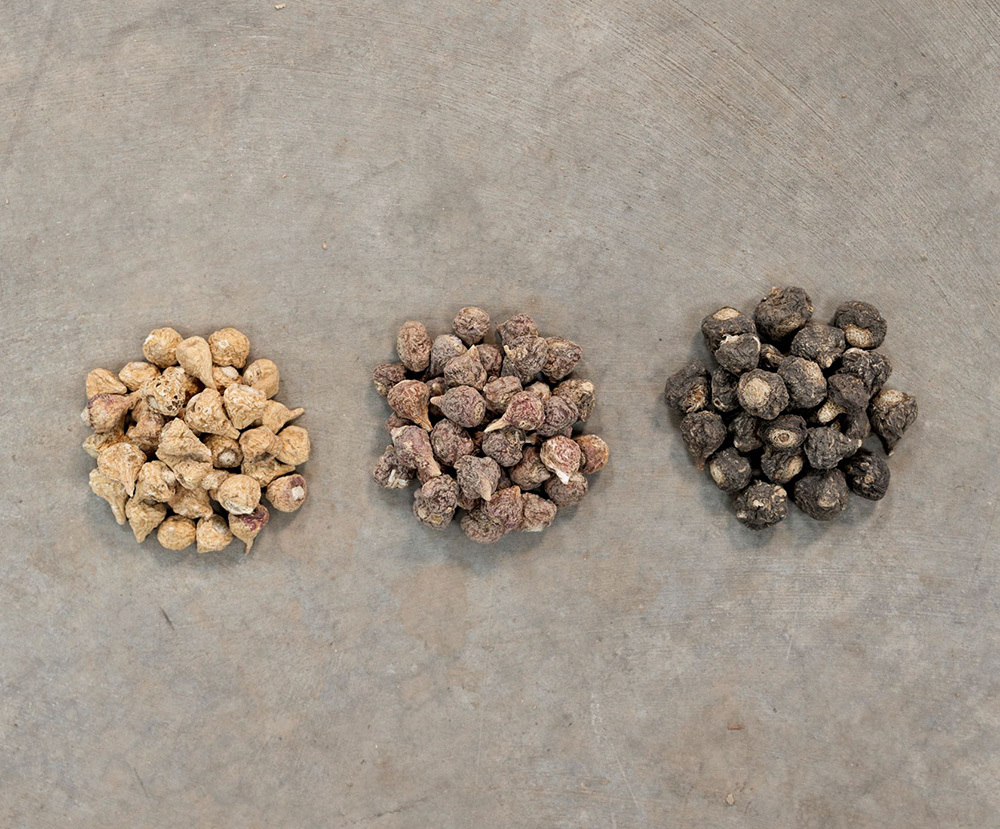
Dried yellow, red, and black maca roots from Peru.
Both maca and ginseng are roots, and both are associated with energizing effects.
That said, they belong to very different botanical families, originate in different parts of the world, and are usually taken in different ways.
Maca is a crop native to the high Andes of Peru and Bolivia and is related to cruciferous vegetables such as mustard and horseradish. The plant grows in extremely harsh conditions and produces a nutrient-dense root. People have grown, dried, cooked, and eaten this root for generations. More recently, it has gained popularity outside the Andes as a “superfood.” You can learn more about maca’s broader botanical and cultural background in our What Is Maca? guide.
Ginseng grows primarily in Asia, especially China and Korea, and in North America. It belongs to the Araliaceae family, commonly called the ivy or ginseng family. The root is typically made into tea, extracted, dried, or powdered and placed into capsules. Ginseng has a long history of use in Asia and has been known outside Asia for hundreds of years.
Why Is Maca Sometimes Called Peruvian Ginseng?
“Peruvian ginseng” is a nickname, not a botanical classification. It became popular over the past fifty years because maca and ginseng have both been associated with vitality, stamina, and drive.
The nickname can be misleading because maca is not a member of the Panax genus and does not contain the ginsenosides that characterize true ginseng.
Is Maca or Ginseng Better for Energy?

The better choice depends on what you want from the root: a versatile food-based routine or a more targeted herbal preparation.
Energy is one of the most common reasons people compare maca and ginseng. Neither is a simple equivalent to caffeine, and neither is a treatment for low energy. However, both are associated with increased feelings of vitality and well-being.
In traditional accounts, maca is associated with stamina, nourishment, and vitality. Some human studies have examined physical performance, mood, and quality of life, and many people report beneficial changes after adding maca to their diets. Maca does not naturally contain caffeine. Many people therefore use it as part of a morning smoothie, breakfast, or capsule routine without expecting the immediate stimulating effect associated with coffee or energy drinks.
Ginseng has been studied more directly for fatigue. Reviews of clinical trials suggest that Asian or American ginseng may help some forms of fatigue, particularly in certain groups of people with chronic illness. However, the studies have used different species, extracts, doses, populations, and outcome measures. A systematic review of ginseng for fatigue found promising but still limited evidence.
That makes the evidence difficult to reduce to one universal conclusion. Ginseng is considered promising for fatigue, but it has not been established as a standard treatment for every cause of tiredness.
Which May Fit Better for Energy?
Consider maca when you want a non-caffeinated Peruvian root powder or capsule that can become part of a broader daily food and wellness routine.
Consider researching ginseng when your interest is specifically focused on an herbal preparation studied for fatigue or alertness. The particular species and extract matter, and persistent fatigue should be medically evaluated rather than managed only with supplements.
Is Maca or Ginseng Better for Focus and Mental Performance?
Ginseng has the stronger research history in the area of cognition and mental performance. Studies have examined memory, attention, reaction time, and other cognitive outcomes.
However, findings are mixed. A person should not assume that any ginseng product will improve concentration or memory. Results may vary based on species, ginsenoside profile, dose, duration of use, age, and underlying health. A recent systematic review and meta-analysis of ginseng and cognitive function found that results continue to vary by study and outcome.
Maca is not as well established as a cognition-focused supplement. Some studies have explored mood, psychological symptoms, and quality of life, while preclinical studies have investigated possible neurological effects. These findings are not sufficient to conclude that maca improves memory, treats depression, or enhances cognitive performance.
For someone whose primary goal is specifically focus or cognition, ginseng has been studied more directly. For someone looking for a broader daily maca routine that includes vitality and well-being among their goals, maca may still be the more suitable format.
Is Maca or Ginseng Better for Exercise and Stamina?
Small studies have investigated maca for endurance or exercise-related outcomes, and some athletes report that maca helps them perform or recover better, but the evidence remains preliminary.
Maca is also popular among natural bodybuilders and other athletes interested in supporting training, stamina, and overall nutrition. Those reports are encouraging, but they do not establish that maca directly builds muscle.
Research involving ginseng and physical performance has also produced inconsistent results, partly because studies use different preparations and participant groups.
While neither ginseng nor maca can be claimed to improve stamina or strength every time, many people report positive benefits when taking them consistently.
Is Maca or Ginseng Better for Libido and Sexual Function?
Maca and ginseng are both associated with sexual well-being, but they are usually used for somewhat different reasons.
Maca is more commonly chosen for sexual desire or libido in both men and women. Several small human studies have reported possible improvements in sexual desire and sexual function, although the research is still limited. A systematic review of maca and sexual function found some positive results but concluded that the available evidence was still too limited for firm conclusions.
Ginseng, especially Asian or Korean red ginseng, has been studied more directly for erectile function in men. That does not mean it works like a prescription medication, and the results are not consistent for everyone.
The simplest distinction is this: maca is more often explored for desire and overall sexual well-being, while ginseng is more often explored for erectile function.
Does Maca or Ginseng Work Faster?
Maca is considered a food, while ginseng is generally used as an herb. Neither should be expected to work immediately.
In our experience, many people begin noticing initial effects from maca after taking it daily for several weeks, often around four to six weeks. Reports for ginseng also vary, depending on the product, dose, and reason it is being taken.
The key takeaway is that both are usually better evaluated through consistent use rather than after one or two servings.
Can You Take Maca and Ginseng Together?
Some people take maca and ginseng together, and the two are sometimes included in combination products. However, the absence of a widely recognized interaction does not guarantee that the combination is appropriate for every person.
If you begin both at the same time, it may be more difficult to separate benefits from potential side effects. A practical approach is to try one first, observe your response, and then consider the other. Once you understand how your body responds to each one, you can make a more informed decision about using them together.
Anyone taking medication or managing a health condition should check with a qualified healthcare professional or pharmacist before combining supplements.
Which Is Easier to Take Every Day, Maca or Ginseng?
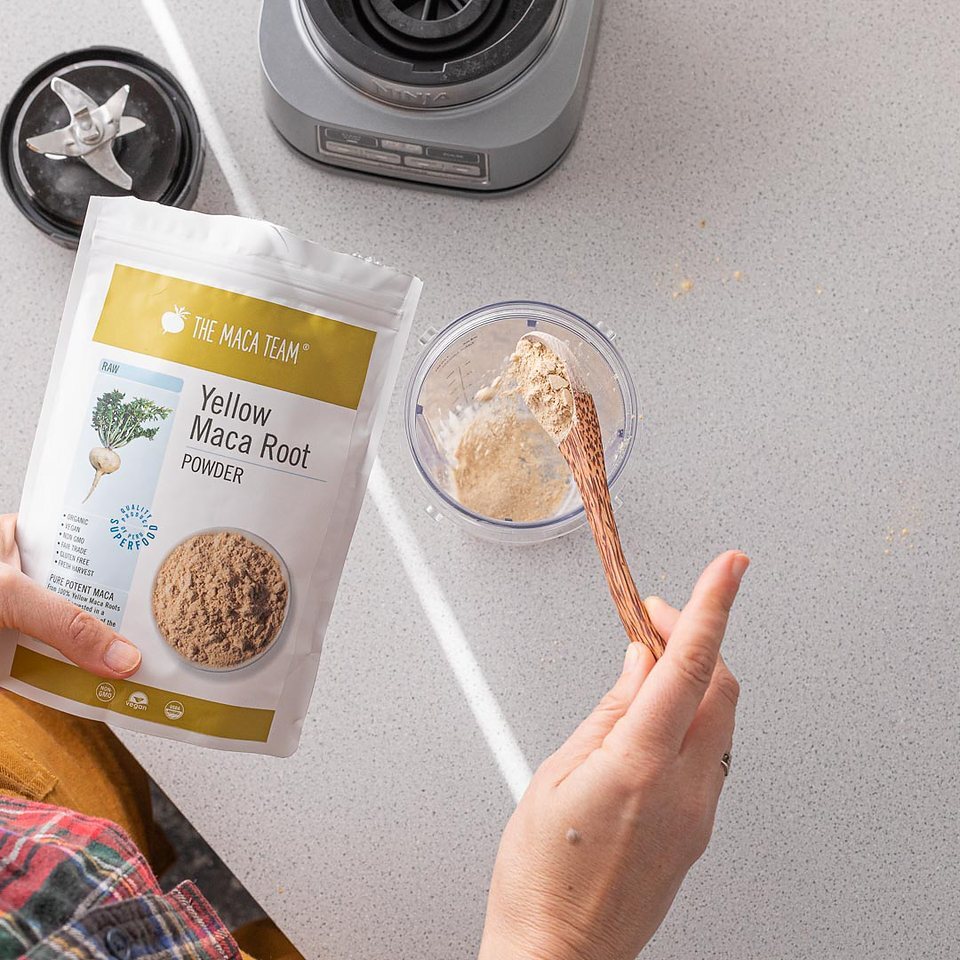
For many people, maca’s biggest advantage is how easily it fits into a regular food and wellness routine.
For many people, maca is easier to work into a regular routine.
Maca powder can be added to smoothies, oatmeal, yogurt, coffee-style drinks, warm beverages, and recipes. It is also available in capsules, extracts, and chips. Its flavor is earthy, malty, and slightly nutty. Some people enjoy it right away, while others prefer to blend it with stronger flavors such as cacao, coffee, cinnamon, or fruit.
Ginseng has a more bitter, woody, herbal taste. It is commonly taken as a tea, capsule, tonic, or extract rather than added to everyday foods.
Since both maca and ginseng are generally used consistently rather than only once in a while, the better practical choice may be the one that fits your routine well enough for you to keep taking it.
What Are the Side Effects and Interactions of Maca and Ginseng?
Natural does not mean risk-free. Safety depends on the species, product quality, preparation, dose, duration, health history, and medications being used. Maca and ginseng should not be used as replacements for medical care, medication, nutrition counseling, or individualized guidance from a qualified healthcare professional.
Maca Safety Considerations
Published studies generally describe maca as well tolerated during the limited periods in which it has been studied. However, the available human safety evidence is much smaller than the long history of traditional use might suggest.
- There is not enough high-quality evidence to establish safety during pregnancy or breastfeeding.
- People with hormone-sensitive health concerns should discuss maca with a qualified clinician rather than assuming it changes or “balances” hormones.
- Anyone with a thyroid condition may wish to discuss high or concentrated intake with a clinician, particularly when using raw cruciferous foods or supplements regularly.
- Digestive discomfort can occur, particularly when someone begins with a large serving.
Ginseng Safety Considerations
According to the National Center for Complementary and Integrative Health, short-term oral use of Asian ginseng in recommended amounts appears safe for most people. Questions remain about long-term use.
- Insomnia or sleep disruption
- Headache
- Digestive discomfort
- Possible effects on blood sugar
- Possible effects on blood pressure
- Potential medication interactions
- Uncertain safety during pregnancy and breastfeeding
People taking diabetes medications, blood thinners, immune-suppressing drugs, stimulants, or multiple prescription medications should speak with a clinician or pharmacist before taking ginseng. The interaction profile can depend on the ginseng species and preparation.
Maca Has More Nutritional Value as a Food
Another important difference is nutritional.
Maca has traditionally been grown and eaten as a food in the Andes. It naturally provides carbohydrates, fiber, protein, amino acids, and a range of minerals and plant compounds.
Ginseng is generally taken in much smaller amounts as an herbal tea, capsule, or extract. People use it for its herbal compounds, especially ginsenosides, rather than for its nutritional value.
This is one reason maca fits more naturally into a daily food and wellness routine, while ginseng is usually approached as a targeted herbal supplement.
Which Is Best for You?
The better choice depends on your routine, preferences, goals, and health considerations.
- Choose maca if you want a food-based root that is easy to add to smoothies, oatmeal, coffee-style drinks, warm beverages, capsules, extracts, and recipes.
- Consider ginseng if you are specifically interested in a traditional herbal root and your healthcare professional says it is appropriate for you.
For many people, maca’s biggest advantage is its versatility. It is easy to use, easy to combine with food, and available in several colors and formats.
Key Takeaways
- Maca and ginseng are completely different plants and are not interchangeable.
- Maca is an Andean crop traditionally consumed as food and is now sold as powders, capsules, and extracts.
- True ginseng comes from the Panax genus, most commonly Asian or American ginseng.
- Maca is commonly explored for vitality, drive, mood, and general well-being.
- Ginseng has been studied more directly for fatigue, cognition, and certain aspects of sexual function.
- The evidence for both plants is product- and outcome-specific, and many popular claims remain unproven.
- Ginseng generally has more clearly recognized medication-interaction and sleep-related concerns.
- Product identity, testing, dose, and preparation matter as much as the plant name on the label.
Frequently Asked Questions
Is maca the same as ginseng?
No. Maca and ginseng are completely different plants. Maca belongs to the Brassicaceae family, while true ginseng belongs to the Panax genus within the Araliaceae family.
Why is maca called Peruvian ginseng?
The nickname became popular because both plants have traditionally been associated with vitality, stamina, and drive. Maca is not botanically related to true ginseng, however, and it does not contain ginsenosides.
Does maca or ginseng increase testosterone?
Human studies do not support describing maca as a testosterone booster. Some studies have reported improvements in sexual desire without an increase in testosterone. Research on ginseng and testosterone is mixed and does not establish ordinary ginseng products as reliable testosterone boosters. One human study found that maca’s effect on sexual desire was not associated with increased serum testosterone.
Is maca or ginseng better for men or women?
Both can be used by men and women. Maca is commonly chosen by both sexes for vitality, mood, stamina, and sexual well-being. Ginseng may be chosen more specifically for fatigue, cognition, or male sexual function. The better choice depends more on the goal than on sex alone.
What are the main side effects and interactions?
Maca is generally well tolerated, although digestive discomfort can occur, especially with larger servings. Ginseng is more commonly associated with insomnia, headache, digestive discomfort, blood-sugar effects, and medication interactions. People taking prescription medications should consult a clinician or pharmacist.
How long does maca or ginseng take to work?
There is no universal timeline. Many people evaluate maca after several weeks of consistent daily use, often four to six weeks. Ginseng timing varies by species, extract, dose, and intended use. Neither should be expected to produce guaranteed immediate results.
Continue Exploring Maca Comparisons
This article is part of our larger maca comparison guide. Use the links below to continue narrowing down the type and format that may fit your routine best.
Maca Comparisons
Return to the main comparison guide.
Which Maca Is Best?
Compare colors, forms, and common goals.
Raw vs. Gelatinized Maca
Learn how the two preparations differ.
How to Start Taking Maca
A simple starting guide for new users.
Still not sure where to begin? Contact The Maca Team or call 888-919-8616. We’ll help you sort through the options.
FDA Disclaimer: These statements have not been evaluated by the Food and Drug Administration. This product is not intended to diagnose, treat, cure, or prevent any disease.