
Best Maca for Active Lifestyles
Best Maca for Active Lifestyles: How to Choose Maca for Energy, Stamina, and Daily Movement
Updated on
Reviewed by TMT editorial board
For active lifestyles, the best maca is usually the one that helps you stay consistent.
That may mean black maca if you want a more targeted active-lifestyle option. It may mean tri-color maca if you want a balanced daily maca. It may mean gelatinized maca if digestion matters. And it may mean capsules or liquid extract if convenience is what keeps you on track.
At The Maca Team, we have worked with Peruvian maca for more than 20 years. Over that time, we have heard from athletes, gym-goers, dancers, hikers, cyclists, yoga practitioners, surfers, busy parents, and physically active people who use maca as part of their daily routine.
Maca is not a stimulant. It is not a pre-workout drug. It is not a substitute for training, sleep, hydration, protein, carbohydrates, or recovery.
It is a traditional Peruvian root food that many active people use as part of a broader nutrition and wellness routine. This guide will help you choose the best maca for an active lifestyle based on your activity level, digestion, preferred form, and daily routine.
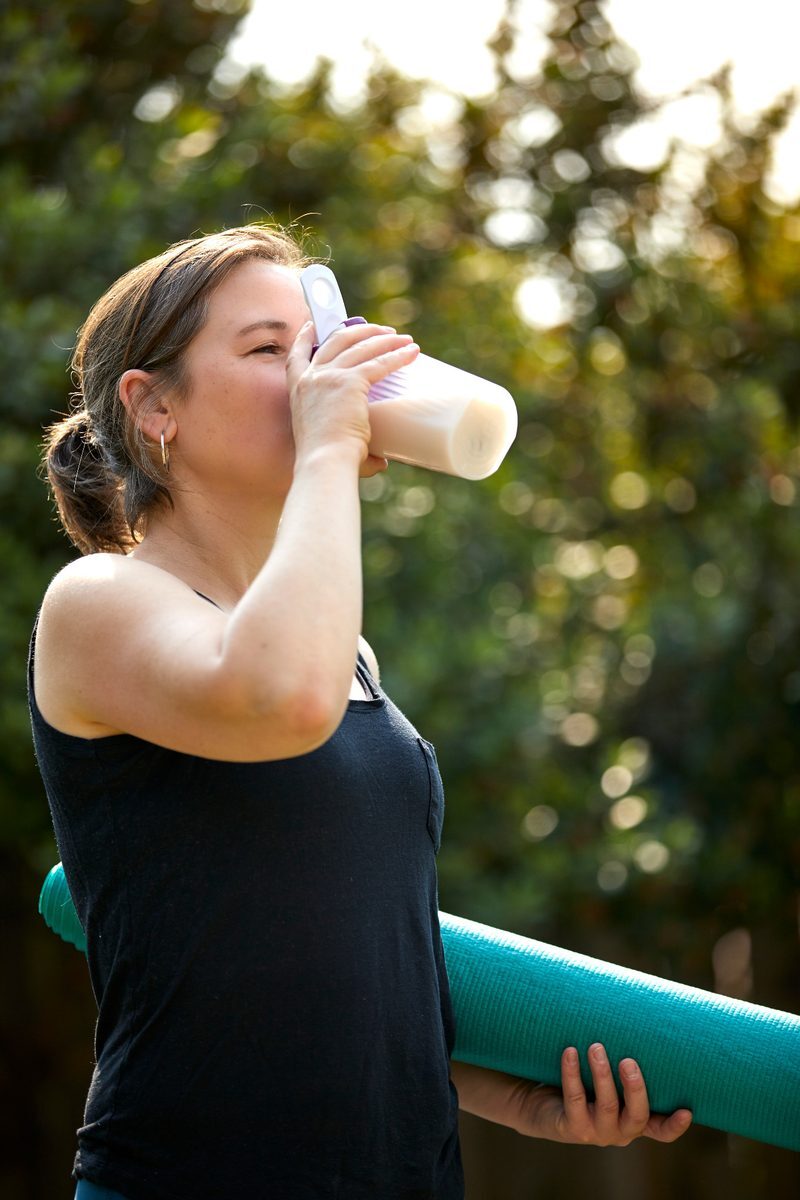
Best maca for active lifestyles:
For most active people, black maca is the best targeted maca because it is commonly associated with stamina, movement, and training-oriented routines. If you want a balanced everyday maca, choose tri-color maca.
If digestion is a concern, choose gelatinized maca. If you make smoothies or shakes, choose maca powder. If convenience matters most, choose capsules or liquid extract.
Best Maca for Active Lifestyles: Quick Recommendations
The Maca Team Recommendation
After more than 20 years of working with maca, our recommendation for active lifestyles is straightforward:
Start with black maca if your main focus is stamina, movement, and training support. Start with tri-color maca if you want a balanced daily option. Choose gelatinized maca if digestion is a concern.
For many active people, the best starting point is black maca powder or black maca capsules.
That does not mean black maca is better for everyone. It means black maca is the maca color most commonly associated with active lifestyles, stamina, and performance-oriented routines.
If you are new to maca, or if you do not want to choose one specific color, tri-color maca is usually the simplest everyday choice.
What Does “Active Lifestyle” Mean?
An active lifestyle does not only mean competitive athletics.
This page is for people who move regularly and want maca to fit into that pattern. That may include:
- Gym workouts
- Hiking
- Cycling
- Surfing
- Running
- Rowing
- Yoga
- Pilates
- Dance
- Strength training
- Physical work
- Walking routines
- Busy daily schedules
- Active aging
- Recreational sports
- Outdoor lifestyles
Some people use maca before workouts. Others use it with breakfast. Others prefer it as part of a daily smoothie, afternoon routine, or recovery-focused meal.
The best maca is the one that fits your actual movement pattern.
Why Active People Use Maca
Active people tend to be practical. They want something they can feel good about using regularly, and they usually notice quickly whether something fits their routine.
Maca is commonly used by active people because it may support a routine built around:
- Steady daily energy
- Stamina-oriented routines
- Motivation to stay consistent
- Training-focused nutrition
- Smoothies and shakes
- Recovery-conscious meal planning
- Whole-food wellness habits
That is the right way to think about maca for active lifestyles: not as a shortcut, but as a consistent addition to the bigger picture.
Is Maca a Pre-Workout?
Maca can be used before workouts, but it is not a typical stimulant-style pre-workout.
Many commercial pre-workout products rely on caffeine, stimulants, sweeteners, flavor systems, and performance compounds. Maca is different. It is a powdered root food or concentrated extract.
Some people like maca before exercise because it feels steadier and less harsh than highly stimulating products. Others prefer taking it earlier in the day with breakfast or lunch, especially if they are sensitive to taking anything close to training.
For active people, maca is often best understood as a daily routine food, not a last-minute performance product.
Which Maca Color Is Best for Active Lifestyles?
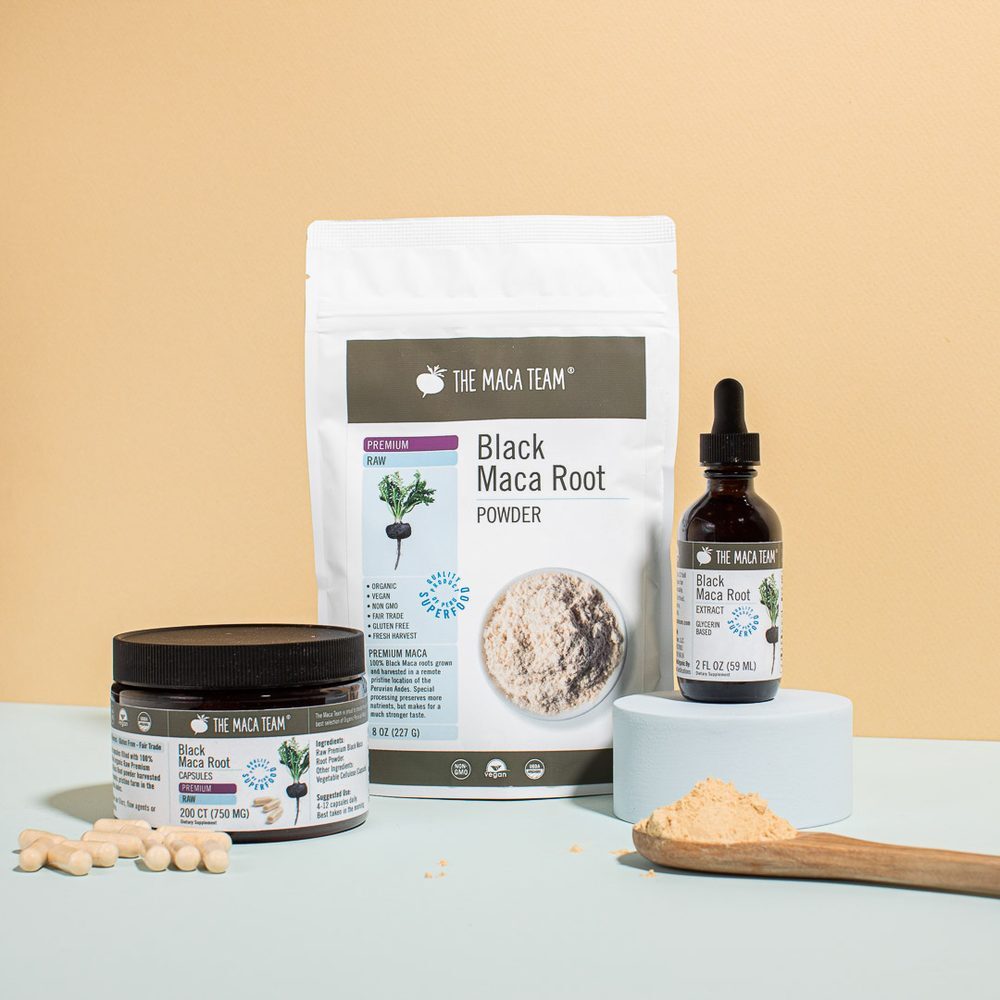
The best maca color depends on what you want from your routine.
Black maca is usually the strongest recommendation for active lifestyles. It is often chosen by athletes, active people, men, and people who want a more targeted maca routine.
Black maca may be a good fit if you work out regularly, want a more targeted active-lifestyle maca, prefer a stronger maca profile, use maca in shakes or capsules, or are focused on stamina, movement, and consistency.
Black maca is not only for athletes or men. It can be used by anyone who prefers it.
Tri-color maca is the best balanced daily choice. It includes red, black, and yellow maca roots, making it a good option if you are active but do not want to choose one specific color.
Tri-color maca may be best if you are new to maca, want a general daily maca, want one maca for multiple goals, prefer a balanced starting point, or share maca with others in your household.
Yellow maca is the most common maca color and a mild, versatile everyday option. It may be a good choice if you want a simple maca for daily nourishment, smoothies, or general wellness rather than a targeted active-lifestyle option.
Red maca is often chosen by people who want a gentler, more targeted daily maca. It is popular among women and older adults, though it can be used by anyone. For active lifestyles, red maca may be a good fit if you prefer its profile or want a softer alternative to black maca.
Simple recommendation: if your main goal is active-lifestyle support, start with black maca. If you want a broader everyday option, start with tri-color maca. If you want the mildest simple choice, start with yellow maca.
Raw or Gelatinized Maca for Active People?
Both raw maca and gelatinized maca can work for active lifestyles.
The better choice depends mostly on digestion and how you plan to use it.
Choose raw maca if you digest raw maca well, like using maca in smoothies, prefer a less processed powder, are comfortable starting slowly, and enjoy maca’s stronger earthy flavor.
Choose gelatinized maca if you have sensitive digestion, want maca in warm drinks, prefer a cooked maca preparation, plan to use maca daily, or have found raw maca too heavy in the past.
For active people, digestion matters. A product is not useful if it feels heavy before a workout or uncomfortable during the day.
That is why many active users choose gelatinized maca, especially if they take it regularly or use larger serving sizes. You can read more in our guide to raw vs. gelatinized maca.
Powder, Capsules, or Extracts for Active Lifestyles?
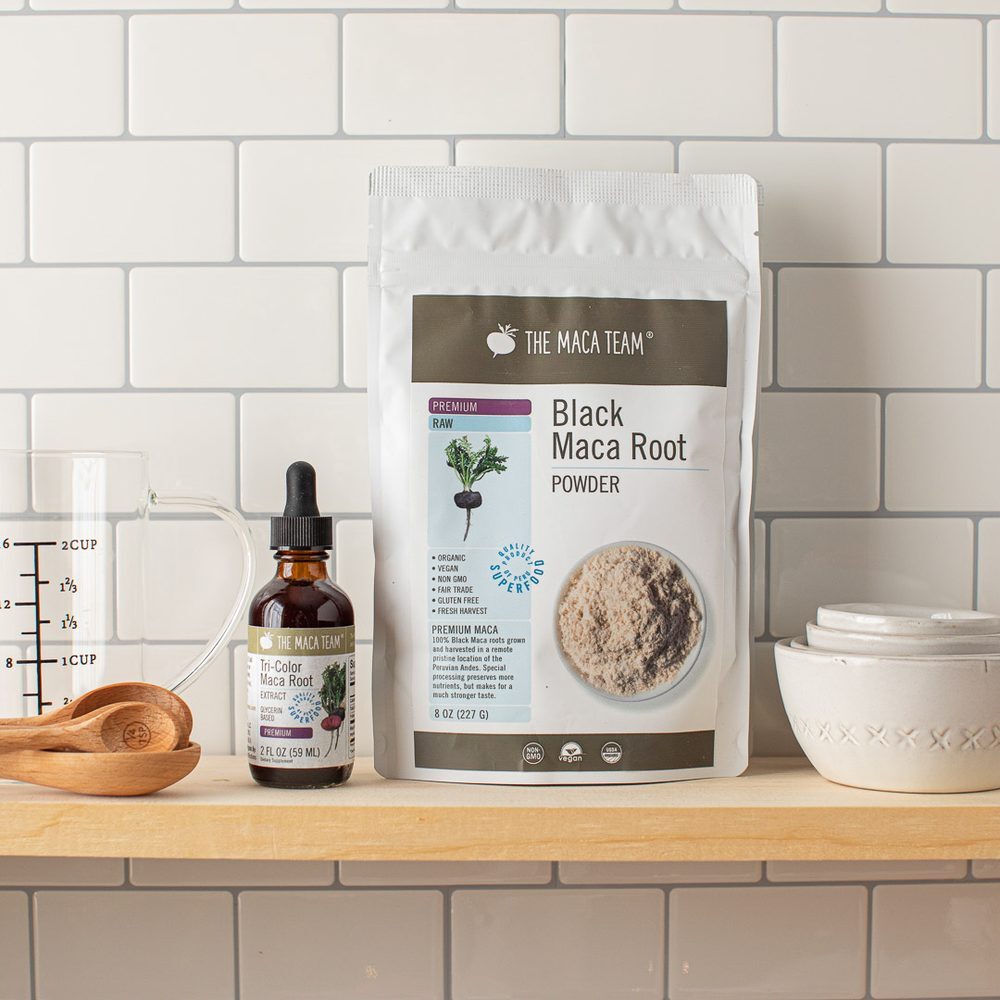
The best maca form depends on your routine.
Maca powder is the best choice if you make smoothies, shakes, oatmeal, or energy foods.
It is flexible and easy to adjust. You can start with a small serving and increase gradually. It works especially well in protein shakes, fruit smoothies, oatmeal, yogurt, energy balls, warm drinks, and recovery-style meals.
Maca powder is usually the best choice for people who already have a food-based training routine.
Maca capsules are best if you want convenience. They are easy to take, easy to travel with, and easy to measure. They are a good choice if you dislike the taste of maca or do not want to prepare a smoothie.
Capsules may be best if you travel often, work out outside the home, want consistent serving sizes, dislike maca’s flavor, or do not want to mix powder.
Liquid maca extract may be the easiest form for busy people. It is compact, fast, and easy to use. Extracts can fit well into active schedules because they do not require a blender, shaker, meal, or capsule bottle.
Simple recommendation: choose powder if you make shakes. Choose capsules if you want measured servings. Choose liquid extract if you want the easiest portable option.
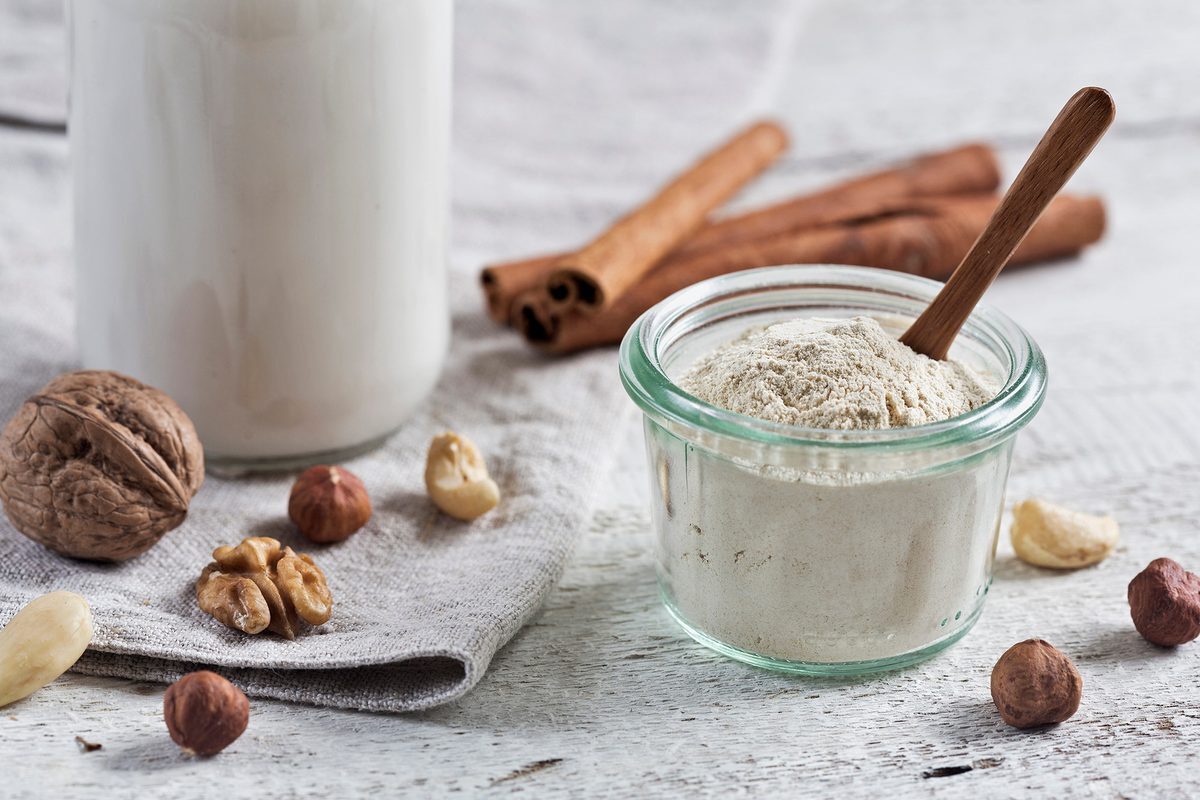
How Much Maca Should Active People Take?
A common daily serving range is 3–9 grams of maca powder per day, or the equivalent in capsules or extracts. The ideal amount depends on the individual.
For active people, the right serving may depend on body size, activity level, training intensity, digestion, form of maca, experience with maca, and whether maca is used daily or occasionally.
For beginners, it is usually better to start lower.
A Simple Starting Plan
- Days 1–7: Start with 1 teaspoon maca powder, or the capsule/extract equivalent.
- Week 2: Increase gradually if desired.
- Ongoing: Stay with the amount that feels comfortable and sustainable.
More is not always better. The best serving is the one you can use consistently without digestive discomfort or overstimulation. For more guidance, see our full guide to maca dosage.
When Should Active People Take Maca?
The best time to take maca depends on your routine.
Common timing options include:
- With breakfast
- In a morning smoothie
- In a pre-workout shake
- With lunch
- In an afternoon smoothie
- After training as part of a meal
- In capsules when traveling or busy
Some people like maca before movement. Others prefer it earlier in the day so it becomes part of a consistent routine.
If you are new to maca, start with morning or early afternoon use. Some people prefer not to take maca late in the day, especially if they feel it gives them too much energy.
How to Use Maca in an Active Routine
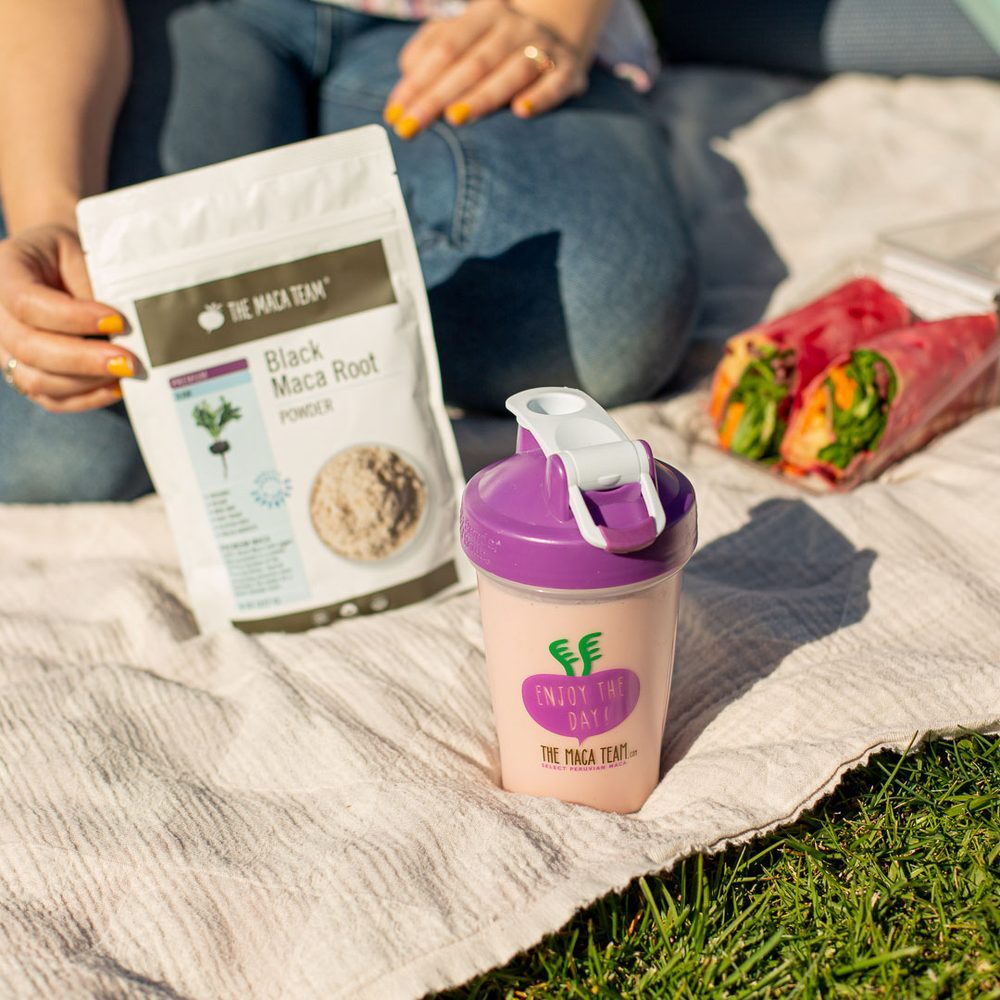
Maca is easy to add to foods and drinks active people already use.
Simple options include:
- Add maca powder to a protein shake
- Blend maca into a banana-oat smoothie
- Stir maca into oatmeal
- Mix maca into yogurt with fruit
- Add maca to homemade energy balls
- Take maca capsules with breakfast
- Use liquid maca extract when traveling
- Add maca to a warm cacao drink
- Mix maca into a post-workout smoothie
A practical active-lifestyle routine might look like this:
- Morning: maca powder in a smoothie or oatmeal
- Training days: maca in a shake before or after activity
- Busy days: capsules or extract for convenience
- Sensitive digestion: gelatinized maca with food
- Ongoing: adjust slowly and keep the routine consistent
What Does the Research Say About Maca and Exercise?
The research on maca and exercise is promising but still limited.
Some studies have looked at maca in relation to endurance, muscle function, fatigue, inflammation, oxidative stress, and physical performance. A 2024 systematic review and meta-analysis on maca and physical performance evaluated the effects of maca across different doses, durations, and populations.
Other research has explored black maca supplementation in elite athletes, including possible relationships with inflammatory markers, physical fitness, muscle function, and fatigue. These studies are interesting, but they do not mean maca will directly improve athletic performance for everyone.
Studies vary by maca form, dose, duration, population, training status, and outcome measured.
Research takeaway: maca has been studied in relation to physical performance, stamina, fatigue, and recovery markers, but it should be viewed as a supportive food-based addition to an active lifestyle, not as a guaranteed performance enhancer.
Is Black Maca Best for Active Lifestyles?
Often, yes — especially if your main focus is movement, stamina, and training-oriented use.
Black maca is the variety most often associated with active lifestyles. It is commonly chosen by athletes, gym-goers, and people who want a more targeted maca routine.
But black maca is not the only option.
Tri-color maca may be better if you want one balanced daily maca. Yellow maca may be better if you want something mild and simple. Red maca may be better if you already prefer its profile. Gelatinized maca may be better if digestion is your main concern.
The best maca is not just the one that sounds strongest. It is the one that fits your routine and feels good enough to use consistently.
Is Maca Good for Recovery?
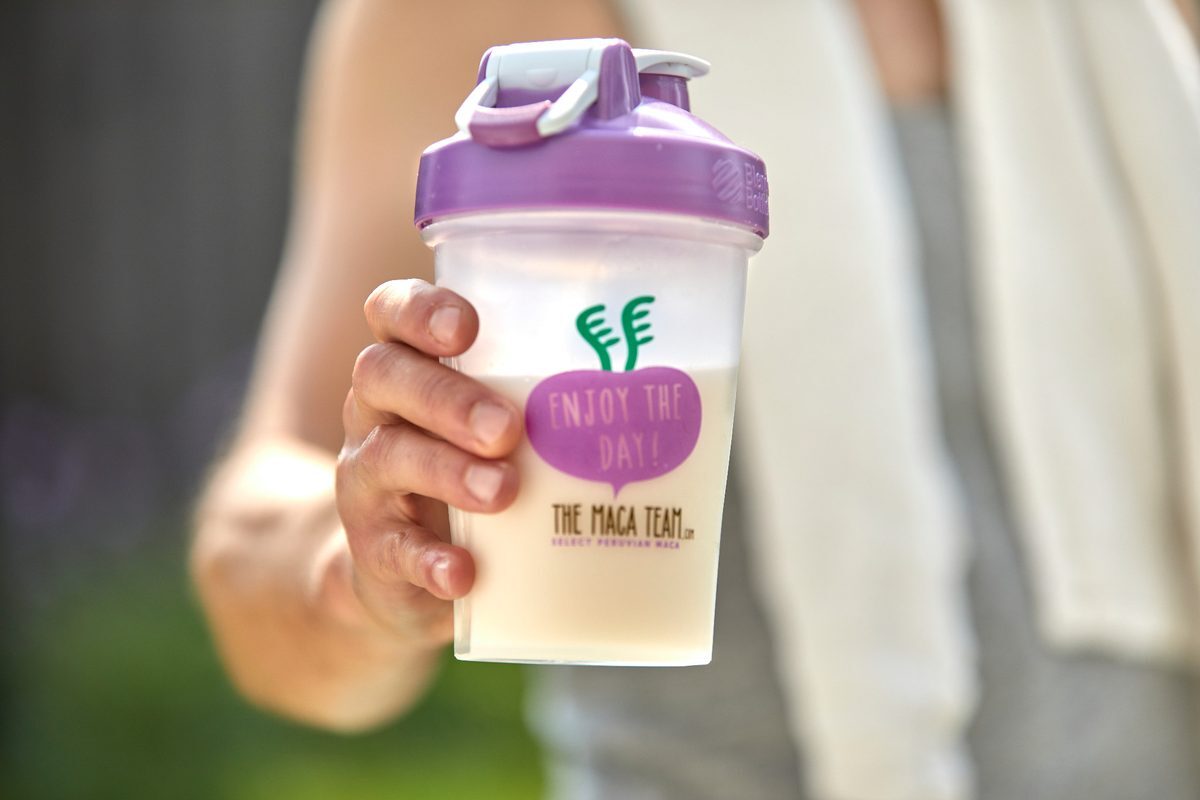
Maca is often used as part of recovery-conscious routines, but it should not be framed as a recovery treatment.
Active people often use maca alongside enough protein, enough carbohydrates, hydration, sleep, rest days, stretching or mobility work, strength programming, and consistent meals.
Maca contains nutrients and plant compounds, and some research has explored maca in relation to oxidative stress, inflammation, and exercise recovery. A practical way to describe maca here is that it may complement recovery-focused routines, especially when used consistently as part of a nutrient-dense diet.
Is Maca Good for Muscle Support?
Maca is often used by people with muscle-support goals, but it should not be presented as a direct muscle-building product.
Muscle growth and strength depend primarily on training, progressive overload, adequate protein, total calories, sleep, and recovery.
Maca may fit into this kind of routine because it is a nutrient-dense root food that many active people associate with stamina, energy, and training consistency.
That distinction matters.
Maca can be part of an active nutrition plan. It should not be treated like protein powder, creatine, or a direct muscle-building supplement.
Active Lifestyle vs. Athletic Performance: What’s the Difference?
A person does not need to be a competitive athlete to use maca for an active lifestyle.
Athletic performance usually refers to measurable performance outcomes: speed, strength, endurance, power, reaction time, or competition results.
An active lifestyle is broader. It includes everyday movement, physical work, recreational exercise, hiking, walking, cycling, yoga, gym training, and staying consistent with health routines.
For most people, maca belongs more naturally in the “active lifestyle” category than the “sports performance supplement” category.
Common Mistakes Active People Make With Maca
Taking too much too soon. Start small. Increase gradually if needed.
Expecting maca to replace food. Maca does not replace carbohydrates, protein, hydration, or meals.
Treating maca like a stimulant. Maca is not caffeine. It is better used consistently than taken only when you feel depleted.
Ignoring digestion. If maca feels heavy, try gelatinized maca or reduce the serving.
Choosing only by color. Black maca may be the strongest active-lifestyle fit, but tri-color, yellow, and red maca may be better for some people.
Using maca inconsistently. For most people, maca is easier to evaluate when used consistently for several weeks.
Best Maca for Active Lifestyles: Final Recommendation
For most active people, the best targeted maca is black maca.
It is the maca color most commonly associated with active lifestyles, stamina, movement, and training-oriented routines.
If you want a balanced everyday option, choose tri-color maca.
If you want the mildest traditional option, choose yellow maca.
If digestion is a concern, choose gelatinized maca.
If you make smoothies or shakes, choose maca powder.
If you want convenience, choose maca capsules or liquid maca extract.
The most practical rule is simple:
Choose the maca that fits your routine, start with a modest serving, use it consistently, and let your experience guide the next step.
Maca works best when it is part of a real active lifestyle: steady movement, good food, hydration, sleep, and consistency.
Ready to Choose Maca for an Active Lifestyle?
For most active people, black maca is the best targeted place to start. Choose tri-color for a balanced daily option, gelatinized maca if digestion matters, powder for smoothies, or capsules and extracts for convenience.
FAQ: Best Maca for Active Lifestyles
What is the best maca for active lifestyles?
Black maca is often the best targeted maca for active lifestyles because it is commonly associated with stamina, movement, and training-oriented routines. Tri-color maca is a better choice if you want a balanced everyday maca.
Is black maca best for athletes?
Black maca is often chosen by athletes and active people, especially those focused on stamina, movement, and performance routines. But tri-color maca, yellow maca, and red maca can also fit active lifestyles depending on the person.
Is maca good before workouts?
Maca can be used before workouts, especially in smoothies or shakes, but it is not a stimulant-style pre-workout. Many people use it daily rather than only right before exercise.
Should I take maca before or after exercise?
Either can work. Some people take maca before activity in a smoothie or shake. Others take it after training as part of a meal or recovery-style routine. Morning or early afternoon use is often easiest.
What form of maca is best for active people?
Maca powder is best for smoothies and shakes. Capsules are best for convenience and measured servings. Liquid extracts are best for quick portable use.
Is gelatinized maca better for active lifestyles?
Gelatinized maca may be better if digestion is a concern or if you take maca daily. Raw maca may work well for people who digest it comfortably and prefer a less processed powder.
How much maca should active people take?
A common daily serving range is 3–9 grams of maca powder, or the equivalent in capsules or extracts. Beginners often start lower and increase gradually if desired.
Can maca help with stamina?
Maca is traditionally associated with stamina and active lifestyles, and some studies have explored maca in relation to physical performance and fatigue. It should be viewed as a supportive food-based addition, not a guaranteed performance enhancer.
Can maca help with recovery?
Maca may complement recovery-conscious routines, especially when used with good nutrition, hydration, rest, and sleep. It should not be used as a replacement for recovery basics.
Is maca good for muscle building?
Maca is not a direct muscle-building supplement. Muscle growth depends mostly on training, protein, total calories, and recovery. Maca may fit into routines focused on energy, stamina, and consistency.
Can women use black maca for active lifestyles?
Yes. Black maca is not only for men. Women can use black maca if it fits their routine and preferences.
Is maca safe to take every day if I work out?
Many people use maca daily. Start with a modest serving and pay attention to how your body responds. If you are pregnant, nursing, taking medication, managing a medical condition, or unsure whether maca is appropriate, consult a qualified healthcare professional.
Helpful Next Steps
References and Further Reading
- The Maca Team: Maca for Athletes
- The Maca Team: Maca and Athletic Performance
- The Maca Team: Maca and Muscle Support
- The Maca Team: Black Maca Benefits and Uses
- The Maca Team: Maca Dosage
- The Maca Team: Raw vs. Gelatinized Maca
- The Maca Team: Maca and Energy
- The Maca Team: Maca Buying Guides
- Frontiers in Physiology / PMC, 2024: Effects of Maca on Physical Performance: Systematic Review and Meta-Analysis
- Frontiers in Pharmacology / PMC, 2023: Effect of Black Maca Supplementation on Inflammatory Markers and Physical Fitness in Elite Athletes
- Applied Sciences, 2024: Effects of Black Maca Supplementation on Isokinetic Muscle Function and Inflammation
- National Center for Complementary and Integrative Health: Dietary and Herbal Supplements
- Memorial Sloan Kettering Cancer Center: Maca