

Maca for Children, Infants and Seniors
Maca root is a traditional Andean root food used by many adults as part of a general wellness routine. But we also receive questions about whether maca is appropriate for children, breastfeeding mothers, infants, and older adults.
Because these groups may have different nutritional needs, sensitivities, medications, or medical considerations, the safest answer is not a simple yes or no. Maca is a food-based supplement, but that does not mean it is automatically appropriate for everyone at every age or stage of life.
If you are considering maca for a child, infant, breastfeeding mother, older adult, or anyone with a medical condition, the best first step is to speak with a qualified healthcare professional.

Why Age and Life Stage Matter
Nutrition is personal. A food or supplement that fits well into one adult’s routine may not be right for a child, infant, nursing mother, or older adult. Serving size, digestion, medication use, allergies, medical conditions, and overall diet all matter.
Maca should not be used as a replacement for medical care, pediatric guidance, prenatal or postpartum advice, medication, or a balanced diet. It should also not be used to treat, manage, or prevent any health condition.
What Is Maca?
Maca, also known as Lepidium meyenii, is a cruciferous root vegetable traditionally grown in the Peruvian Andes. It is dried and used in powders, capsules, extracts, chips, and blends.
Maca naturally contains carbohydrates, fiber, minerals, amino acids, and plant compounds such as glucosinolates, macaenes, and macamides. These naturally occurring compounds are one reason maca continues to be studied for its nutritional profile and traditional use.
For more background, you can visit our What Is Maca? guide or our maca nutrition facts page.
Maca and Infants
We do not recommend giving maca to infants without direct guidance from a pediatrician or qualified healthcare professional.
Infants have specific nutritional needs, and their diets should be guided by pediatric recommendations. Even natural foods and supplements can be inappropriate for infants depending on age, digestion, allergies, medical history, and feeding stage.
If you are breastfeeding and considering maca for yourself, ask your doctor, midwife, lactation consultant, or qualified healthcare professional before using maca or any new supplement. Online articles should not replace personalized care.
Maca and Children

Parents and guardians should be thoughtful before adding any supplement to a child’s diet, including maca. Children have different nutritional needs than adults, and serving size matters.
If you are considering maca for an older child, speak with your child’s pediatrician first, especially if your child has allergies, digestive sensitivities, takes medication, follows a special diet, or has any medical condition.
For families who already have professional guidance and are looking for general recipe ideas, maca powder is commonly used by adults in smoothies, oatmeal, warm drinks, and baked goods. You can explore our maca recipes for inspiration, but any use for children should be discussed with a healthcare professional first.
Maca and Older Adults

Older adults may be more likely to take medications, manage medical conditions, follow specific nutrition plans, or have digestive sensitivities. For that reason, maca should be considered carefully and discussed with a qualified healthcare professional when appropriate.
Maca is not intended to address age-related symptoms, cognitive concerns, bone health conditions, hormone changes, or any diagnosed medical issue. It is a traditional food-based supplement that may fit into some adult routines, depending on the person’s overall diet, health status, and medical guidance.
If an older adult is new to maca and a healthcare professional says it is appropriate, it is best to start with a small serving and follow the suggested serving size on the product label.
Choosing a Maca Format
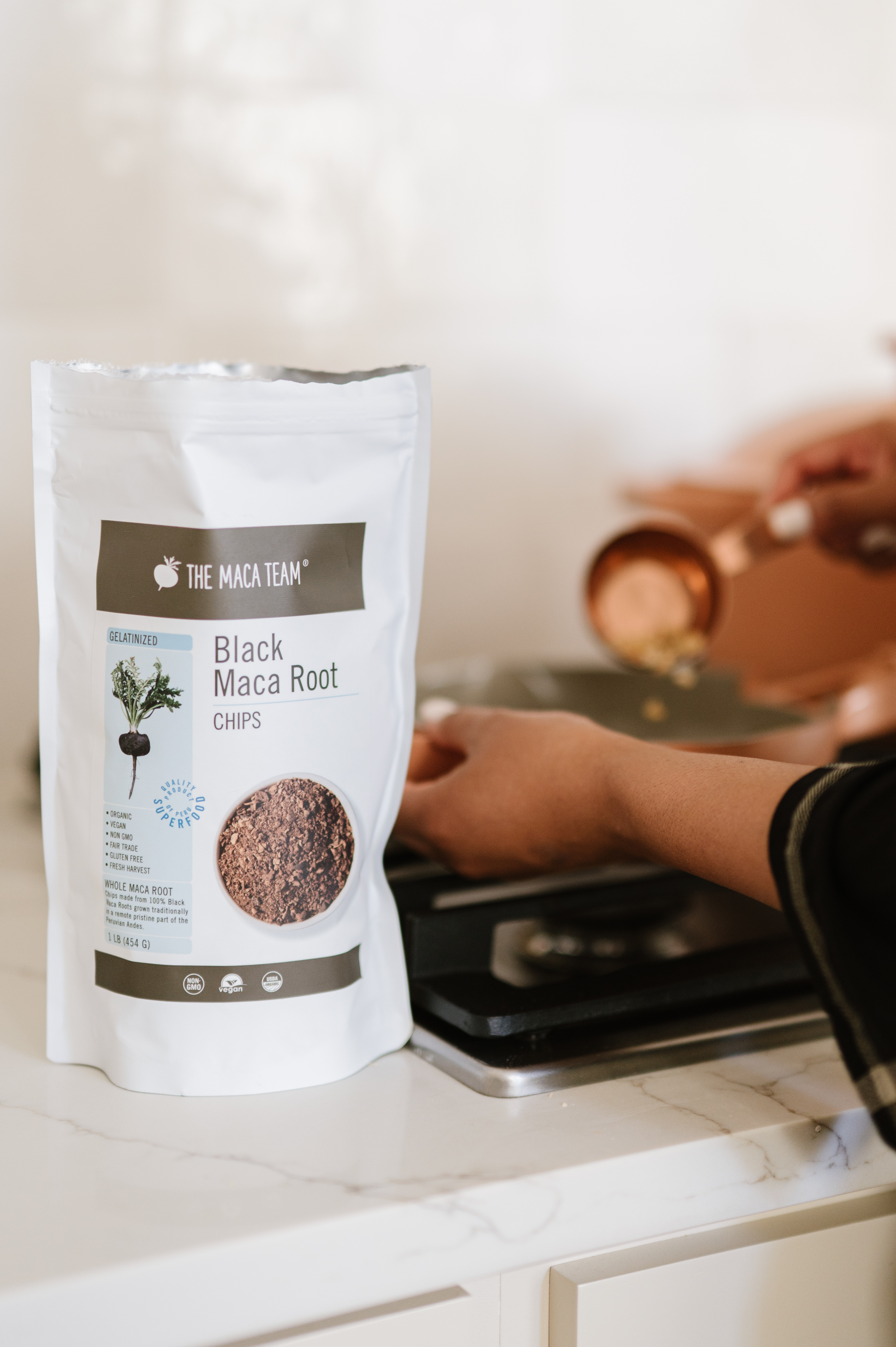
The Maca Team offers organic Peruvian maca in several formats, including maca powders, maca capsules, maca extracts, and maca chips.
- Maca powder is versatile and works well in smoothies, oatmeal, coffee, recipes, and baked goods.
- Maca capsules offer a convenient pre-measured format for adults.
- Maca extracts may appeal to adults who prefer a concentrated liquid format.
- Gelatinized maca has been heated to remove much of the starch, making it easier for some people to digest.
- Maca chips can be used in traditional preparations or recipes.
If you are new to maca, our Which Maca Is Best? guide can help compare maca colors and formats in a general, non-medical way.
How to Think About Maca Responsibly
Maca can be part of many adult wellness routines, but age and life stage matter. A responsible approach includes:
- Asking a healthcare professional before giving maca to children or infants
- Asking a healthcare professional before using maca while pregnant or nursing
- Checking with a healthcare professional if the person takes medication or has a medical condition
- Starting small if maca is appropriate
- Following the suggested serving size on the product label
- Using maca as part of a balanced diet, not as a replacement for healthy habits or medical care
Bottom Line
Maca is a traditional Andean root food used by many adults as part of a general wellness routine. However, infants, children, breastfeeding mothers, and older adults deserve extra care when considering any supplement or new food-based product.
Before adding maca for someone in a sensitive age group or life stage, ask a qualified healthcare professional for personalized guidance. Maca is not a medication and should not be used to diagnose, treat, cure, or prevent any disease.
FDA Disclaimer: These statements have not been evaluated by the Food and Drug Administration. This product is not intended to diagnose, treat, cure, or prevent any disease.
Why Buy The Maca Team’s Maca?
We are proud to offer organic, Fair Trade maca root from Peru in powders, capsules, extracts, chips, and blends. Our maca is carefully sourced, non-GMO, gluten-free, and selected with quality and transparency in mind.
If you have questions about our maca products, serving sizes, or which format may be right for you, visit our Maca FAQs, try our Maca Finder, or contact us using our web form. You can also call us toll-free at 888-919-8616.
Enjoy the day!
Recent Maca Posts
-

Fall Flavors: Maca Edition
It might still be warm outside, but that doesn't mean we're not already thinking about fall. As soon …11th Sep 2026 -
What Does Maca Root Really Do?
Maca root has become a popular addition to smoothies, coffee alternatives, breakfast bowls, and ever …30th Aug 2026 -

Back-to-School: A Simple End-of-Summer Reset with Maca
There’s something bittersweet about the end of summer. The long, carefree days start getting shorter …21st Aug 2026