
Maca vs. Ashwagandha
Maca vs. Ashwagandha: How These Two Adaptogenic Plants Compare
Adaptogens have become popular in the wellness world, especially among people looking for simple ways to build steadier daily routines. Two of the most talked-about adaptogenic plants are maca root and ashwagandha.
Both have long histories of traditional use. Both are commonly sold as powders, capsules, and extracts. And both are often discussed in connection with vitality, resilience, and general wellness. But they are not the same. Maca is a Peruvian root vegetable traditionally used as a food, while ashwagandha is an herb with roots in Ayurvedic tradition.
So how do you know which one is right for your routine? Let’s compare their origins, traditional uses, formats, and everyday applications.
What Is Maca?
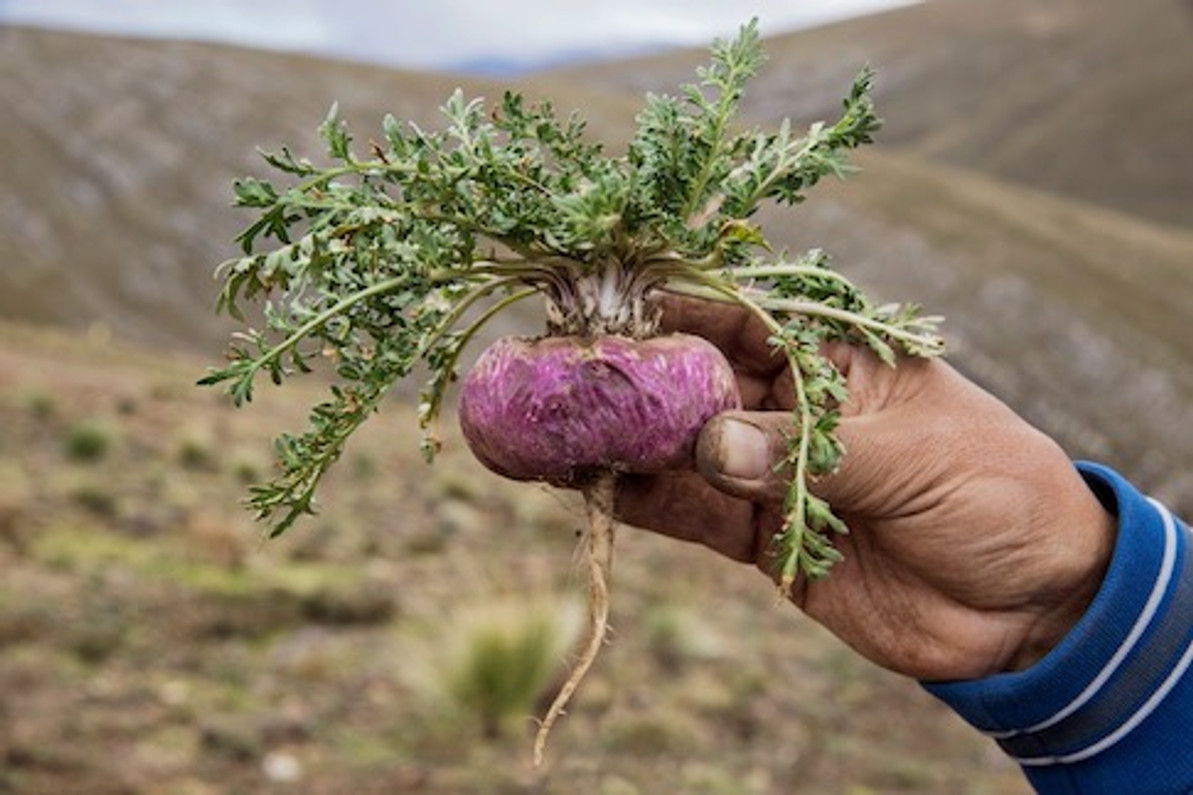
Maca, also known as Lepidium meyenii, is a cruciferous root vegetable native to the high Andes of Peru. It belongs to the same broad plant family as broccoli, cabbage, mustard, turnips, and kale.
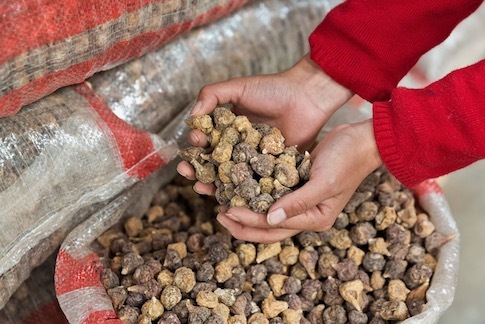
Maca has traditionally been used as a food in Peru and is now commonly sold as a powder, capsule, liquid extract, chip, or blend. It naturally contains carbohydrates, fiber, minerals, amino acids, and plant compounds such as glucosinolates, macaenes, and macamides.
Many adults choose maca because it is easy to add to daily foods and drinks. Its earthy, malty flavor works well in smoothies, oatmeal, coffee-style drinks, warm beverages, snack recipes, and baked goods.
For more background, visit our What Is Maca? guide or our maca nutrition facts page.
What Is Ashwagandha?
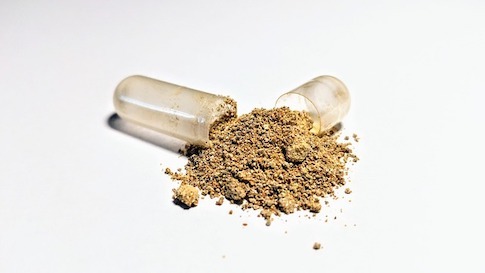
Ashwagandha, also known as Withania somnifera, is an herb with a long history of use in Ayurveda, the traditional wellness system of India. Unlike maca, ashwagandha is not typically used as a food ingredient in the same way. It is more commonly taken as a capsule, extract, tea, or powder mixed into drinks.
Ashwagandha is often associated with calm, relaxation-oriented routines and traditional herbal wellness. Because it is an herbal supplement and may not be appropriate for everyone, it is wise to speak with a qualified healthcare professional before using ashwagandha, especially if you take medication, have a diagnosed medical condition, are pregnant or nursing, or are preparing for surgery.
Adaptogens: Same Category, Different Personalities
In general wellness language, adaptogens are plants, roots, herbs, or mushrooms traditionally used to support resilience and vitality as part of a balanced lifestyle. Maca and ashwagandha are both commonly discussed in this category, but they fit into routines differently.
- Maca: A traditional Andean root food often used in daily nutrition, smoothies, warm drinks, breakfast foods, recipes, capsules, and extracts.
- Ashwagandha: A traditional Ayurvedic herb often used in capsules, powders, teas, or extracts as part of herbal wellness routines.
It is important not to overstate adaptogen language. Adaptogens should not be presented as medications, miracle cures, or substitutes for professional care. Maca and ashwagandha should not be used to diagnose, treat, cure, or prevent any disease.
Maca vs. Ashwagandha: Key Differences
Although maca and ashwagandha are often compared, they are quite different in practical use.
- Plant type: Maca is a cruciferous root vegetable. Ashwagandha is an herb.
- Traditional origin: Maca comes from the Peruvian Andes. Ashwagandha comes from Ayurvedic tradition.
- Typical use: Maca is commonly used as a food-based powder in smoothies, oatmeal, coffee-style drinks, and recipes. Ashwagandha is more commonly used as an herbal capsule, powder, tea, or extract.
- Flavor: Maca has an earthy, malty, slightly nutty flavor. Ashwagandha tends to have a stronger, more bitter herbal taste.
- Routine fit: Maca is especially easy to include in food. Ashwagandha is often used more like a traditional herbal supplement.
Daily Vitality vs. Calm-Oriented Routines
People often choose maca and ashwagandha for different reasons. Maca is commonly chosen by people who want a food-based root that fits into morning routines, active lifestyles, smoothies, warm drinks, and daily nutrition habits.
Ashwagandha is often chosen by people who are interested in a more traditional herbal supplement that fits into calm-oriented or evening-style wellness routines.
This does not mean maca is an “energy treatment” or that ashwagandha is a “stress treatment.” A better way to think about them is by routine:
- Maca may fit well if you want a food-based root for smoothies, coffee-style drinks, breakfast bowls, active-lifestyle routines, or daily plant-based nutrition.
- Ashwagandha may fit well if you are looking for a traditional herbal supplement and your healthcare professional says it is appropriate for you.
Maca’s Nutritional Advantage
One of maca’s biggest differences from ashwagandha is that maca is a nutritive root food. It naturally contains carbohydrates, fiber, minerals, amino acids, and unique plant compounds. That makes maca especially easy to use as part of daily meals and recipes.
Maca can be added to:
- Smoothies
- Oatmeal or overnight oats
- Coffee-style drinks
- Warm milk-style drinks
- Yogurt bowls
- Energy bites or snack bars
- Muffins, pancakes, cookies, and baked goods
For recipe ideas, visit our maca recipes, maca smoothies, or our guide to maca coffee.
Maca Colors and Formats
Maca naturally grows in several colors, including yellow, red, and black. Tri-color maca combines all three colors in one blend.
- Yellow maca is the most common maca color and is often a practical starting point for beginners.
- Red maca is a smooth-tasting traditional maca variety.
- Black maca is generally considered the rarest of the three main maca colors and is often chosen by people with active lifestyles.
- Tri-color maca combines yellow, red, and black maca roots in one blend.
Maca is also available in several formats:
- Maca powder for smoothies, oatmeal, drinks, and recipes.
- Maca capsules for a convenient pre-measured serving.
- Maca extracts for adults who prefer a concentrated liquid format.
- Gelatinized maca, which has been heated to remove much of the starch, making it easier for some people to digest.
If you are unsure where to begin, our Which Maca Is Best? guide can help you compare maca colors and formats in a general, non-medical way.
Can You Take Maca and Ashwagandha Together?
Some people are interested in combining maca and ashwagandha because they fit different types of routines. However, combining supplements is something to approach thoughtfully.
If you are considering using maca and ashwagandha together, start by asking a qualified healthcare professional, especially if you take medication, have a diagnosed medical condition, are pregnant or nursing, are trying to conceive, are preparing for surgery, or follow a medically directed diet.
It is also generally more practical to introduce one new supplement at a time. That way, you can better understand how each one fits your body, digestion, and routine.
Which One Is Right for You?
The better choice depends on your routine, preferences, and health considerations.
- Choose maca if you want a food-based root that is easy to add to smoothies, oatmeal, coffee-style drinks, warm beverages, recipes, capsules, and extracts.
- Consider ashwagandha if you are interested in a traditional Ayurvedic herb and your healthcare professional says it is appropriate for you.
- Choose maca powder if you want something versatile for foods and drinks.
- Choose maca capsules if you want a simple pre-measured format.
- Consider gelatinized maca if raw maca feels too heavy or starchy for you.
For many people, maca’s biggest advantage is that it is easy to use consistently. It fits naturally into breakfast, smoothies, warm drinks, and simple recipes.
Safety and Usage Considerations
Maca and ashwagandha are different products, and each should be considered individually. Maca is commonly used as a food-based supplement, while ashwagandha is more often used as an herbal supplement.
Ask a qualified healthcare professional before using maca, ashwagandha, or any new supplement if you:
- Are pregnant or nursing
- Are trying to conceive
- Take medication
- Have a diagnosed medical condition
- Have thyroid, blood sugar, heart, mood, sleep, hormone-related, or digestive concerns
- Are preparing for surgery
- Follow a medically directed diet
Maca and ashwagandha should not be used as replacements for medical care, medication, nutrition counseling, or individualized guidance from a qualified healthcare professional.
Why Shop The Maca Team?
At The Maca Team, we focus on authentic Peruvian maca that is carefully sourced and selected for quality. We offer maca powders, capsules, extracts, chips, and blends so you can choose the format that best fits your daily routine.
Our goal is to make maca easier to understand, choose, and use. Whether you are comparing maca to other adaptogens or looking for a simple way to add maca to your day, we want you to feel confident about what you are choosing.
Bottom Line
Maca and ashwagandha are both traditional plants often discussed in the adaptogen category, but they are not interchangeable. Maca is a Peruvian cruciferous root food that works especially well in daily recipes and food-based routines. Ashwagandha is a traditional Ayurvedic herb most often used in capsules, powders, teas, and extracts.
If you want a versatile, food-based option that fits easily into smoothies, oatmeal, warm drinks, and recipes, maca may be a practical place to start. If you have medical questions or take medication, speak with a qualified healthcare professional before adding maca, ashwagandha, or any new supplement.
FDA Disclaimer: These statements have not been evaluated by the Food and Drug Administration. This product is not intended to diagnose, treat, cure, or prevent any disease.
If you have questions about our maca products, please contact us using our web form or call us toll-free at 888-919-8616.
Enjoy the day!
Recent Maca Posts
-

Maca Root: How (and Why) To Get Started
If you've been exploring new ways to support your wellness routine, chances are you've come across m …23rd Oct 2026 -

Getting Acquainted With Maca: Why It Can Be an Acquired Taste
There are some foods and flavors you try for the first time and immediately love. Others take a litt …11th Oct 2026 -

The Case for Keeping Maca in Your Pantry
Every kitchen has those ingredients that seem to find their way into everything. Maybe it's cinnamon …2nd Oct 2026