

Maca Root as an Adaptogenic Food: What That Means
From demanding work schedules to family responsibilities and nonstop digital stimulation, many people are looking for simple ways to build steadier daily routines. That is one reason adaptogens have become such a popular topic in the wellness world.
But what exactly are adaptogens, and where does maca root fit in?
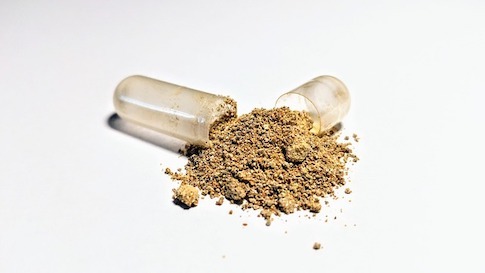
Maca is a traditional root food grown high in the Andes Mountains of Peru. It has a long history of traditional use and is now enjoyed around the world in powders, capsules, extracts, and recipes. Rather than thinking of maca as a quick fix or a cure-all, it is better understood as a nutrient-containing root that may fit into a balanced daily wellness routine.
What Are Adaptogens?
In general wellness language, adaptogens are plants, roots, herbs, or mushrooms traditionally used to support resilience and vitality as part of a balanced lifestyle. Well-known examples often include ashwagandha, rhodiola, ginseng, reishi mushrooms, and maca root.
It is important to keep this language realistic. Adaptogens should not be presented as miracle cures, medications, or substitutes for professional care. They are best understood as traditional plant-based foods or botanicals that some people choose to include in their daily routines.
Maca fits into this conversation because of its long history of use in the Andes, its natural nutrient profile, and the way many people use it today as part of a consistent food-based wellness routine.
What Makes Maca Different?
Maca is not technically an herb. It is a cruciferous root vegetable, from the same broad plant family as foods like broccoli, cabbage, mustard, and turnips. It grows at very high elevations in Peru, where it has traditionally been valued as a hardy, nourishing food.
Maca naturally contains carbohydrates, fiber, minerals, amino acids, and plant compounds such as glucosinolates, macaenes, and macamides. These naturally occurring compounds are one reason maca continues to be studied for its nutritional profile and traditional use.
That said, research interest should not be interpreted to mean that maca treats, manages, or prevents any medical condition. Maca is a food-based supplement, not a medication.
Maca and Daily Wellness Routines
Many adults use maca because it is easy to add to foods and drinks they already enjoy. Its earthy, malty flavor works especially well with cacao, coffee, cinnamon, banana, nut butter, oats, smoothies, warm drinks, and baked goods.
Maca may fit into routines built around:
- General wellness
- Daily vitality
- Plant-based nutrition
- Morning smoothies or warm drinks
- Consistent self-care habits
- Food-based supplement routines
These are general wellness uses. They should not be understood as medical claims or promises of specific results.
Maca’s Natural Nutritional Profile
One reason maca is often described as a nutritive adaptogenic food is that it contains naturally occurring nutrients and plant compounds. Depending on the type and serving size, maca can contribute carbohydrates, fiber, minerals, amino acids, and other plant-based compounds to the diet.
For more detail, you can visit our maca nutrition facts page or read our guide to what maca is.

Choosing the Right Maca
Maca naturally grows in several colors, including yellow, red, and black. Tri-color maca combines all three colors in one blend. Each color has its own traditional use, taste profile, and place in a daily routine.
- Yellow maca is the most common maca color and is often a practical starting point for beginners.
- Red maca is another traditional maca color with a smooth flavor that many people enjoy.
- Black maca is generally considered the rarest of the three main maca colors and is often chosen by people with active lifestyles.
- Tri-color maca combines yellow, red, and black maca roots in one blend.
If you are not sure where to begin, our Which Maca Is Best? guide can help you compare maca colors and formats in a general, non-medical way.
Choosing a Maca Format
The Maca Team offers organic Peruvian maca in several formats, including maca powders, maca capsules, and maca extracts.
- Maca powder is versatile and works well in smoothies, oatmeal, coffee, recipes, and baked goods.
- Maca capsules offer a convenient pre-measured format.
- Maca extracts may appeal to adults who prefer a concentrated liquid format.
- Gelatinized maca has been heated to remove much of the starch, making it easier for some people to digest.
You can also learn more about gelatinized maca and how it compares with other maca forms.
Why Quality Matters
As with any food-based supplement, quality matters. Maca can vary depending on where it is grown, how it is harvested, how it is dried, and how it is processed.
At The Maca Team, we focus on organic Peruvian maca that is carefully sourced and selected for quality. Our goal is to offer authentic maca products that are easy to understand, choose, and use.
For more information about our sourcing and standards, visit our Why Choose Us page or learn more about organic maca.
How to Add Maca to Your Routine
Maca is easy to use because it works in so many everyday foods and drinks. Try adding it to:
- Smoothies
- Oatmeal or overnight oats
- Coffee or maca lattes
- Warm milk-style drinks
- Energy bites or snack bars
- Muffins, pancakes, cookies, or other baked goods
For recipe ideas, explore our maca recipes, maca smoothies, or our guide to maca coffee.
When to Ask a Healthcare Professional First
Maca is a food-based supplement, but it is still wise to ask a qualified healthcare professional before adding maca or any new supplement if you:
- Are pregnant or nursing
- Are trying to conceive
- Take medication
- Have a diagnosed medical condition
- Are preparing for surgery
- Follow a medically directed diet
- Have questions about hormones, thyroid health, mood, fertility, blood sugar, or any other medical concern
Maca should not be used as a replacement for medication, medical care, or individualized guidance from a qualified healthcare professional.
Bottom Line
Maca is often described as an adaptogenic root because of its traditional use, natural nutrient profile, and place in many daily wellness routines. Used thoughtfully, it can be a simple and versatile addition to a balanced lifestyle.
The best approach is to choose a high-quality maca product, start with the suggested serving size, and use maca consistently as part of a broader routine that includes nourishing food, movement, hydration, rest, and other supportive habits.
FDA Disclaimer: These statements have not been evaluated by the Food and Drug Administration. This product is not intended to diagnose, treat, cure, or prevent any disease.
If you have questions about our maca products, please contact us using our web form or call us toll-free at 888-919-8616.
Enjoy the day!
Recent Maca Posts
-

Fall Flavors: Maca Edition
It might still be warm outside, but that doesn't mean we're not already thinking about fall. As soon …11th Sep 2026 -
What Does Maca Root Really Do?
Maca root has become a popular addition to smoothies, coffee alternatives, breakfast bowls, and ever …30th Aug 2026 -

Back-to-School: A Simple End-of-Summer Reset with Maca
There’s something bittersweet about the end of summer. The long, carefree days start getting shorter …21st Aug 2026