
Maca Benefits
Originally published: | Last updated:
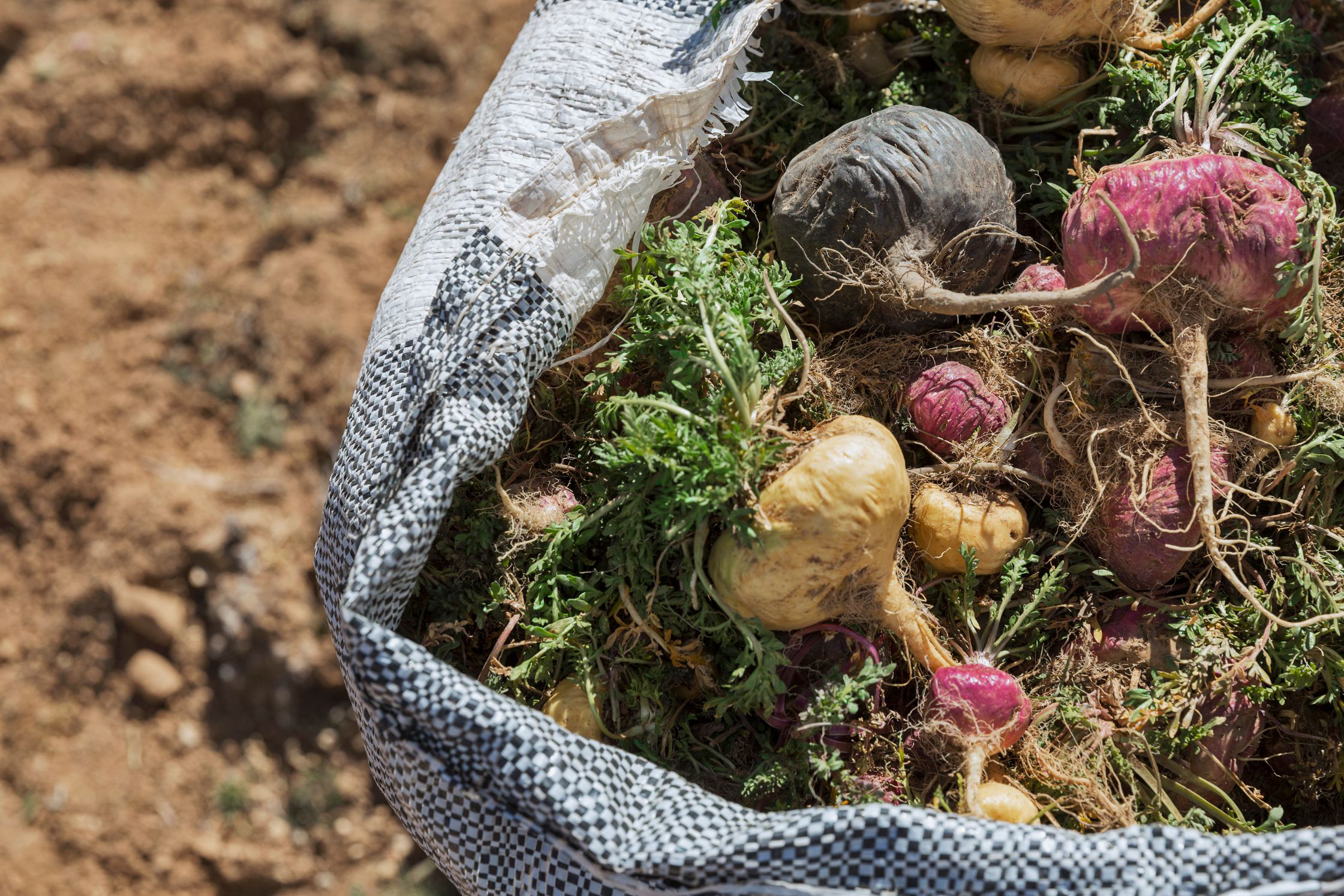
Fresh maca roots harvested in the high Andes of Peru.
Maca Benefits: A Careful Guide to Traditional Maca Use
People often come to this page looking for a simple list of maca benefits.
We understand why. Maca has a long history of use in the high Andes and beyond, and many people who are new to maca want to understand why this root has been valued for generations.
This page takes a careful approach.
Maca is a traditional Peruvian root and a food-based dietary supplement. It is not a medicine, and it is not a recognized treatment for health conditions. For that reason, this page does not provide a long list of promised results.
Instead, it explains maca through traditional use, food history, product quality, and responsible supplement language.
Explore This Page
- Why This Page Is Different
- Maca’s Traditional Place in Peru
- Traditional Maca Use
- What This Page Can Say
- Why Quality Matters
- Individual Experience Varies
- Our Approach at The Maca Team
- Continue Learning
Important Note on Supplement Language
The information provided on this page is for educational purposes only.
Dietary supplement claims are regulated, and companies are required to avoid claims that are unsupported, misleading, or too close to medical treatment language. The FDA provides guidance for dietary supplement claims made under Section 403(r)(6) of the Federal Food, Drug, and Cosmetic Act.
These statements have not been evaluated by the Food and Drug Administration. Dietary supplements are not intended to diagnose, treat, cure, or prevent any disease.
Why This Page Is Different
The word “benefits” can mean different things.
- Some people use it to ask about traditional maca use.
- Some use it to ask about nutrition.
- Some use it to ask about daily routines.
- Some use it to ask about research.
- Some use it to ask whether maca can help with a specific health concern.
Those are different questions.
As a company that sells maca, we have to be careful about how we answer them. A page can become misleading if traditional use, customer experience, research, and marketing language are blended together in a way that sounds like a medical promise.
So this page has a narrower purpose:
To explain why maca has been traditionally valued, while avoiding claims that go beyond what we can responsibly say.
Maca’s Traditional Place in Peru
Maca grows in the high Andes of Peru, where the climate is cold, windy, and demanding. Few food crops grow well at those elevations. Maca is one of the traditional crops associated with that region.
For the people who have grown and used maca traditionally, maca has been a food.
After harvest, maca roots are commonly dried. Drying helps preserve the roots and makes them easier to store, transport, and prepare. Traditionally, dried maca may be cooked into porridges, prepared as drinks, added to soups, or used in other everyday foods.
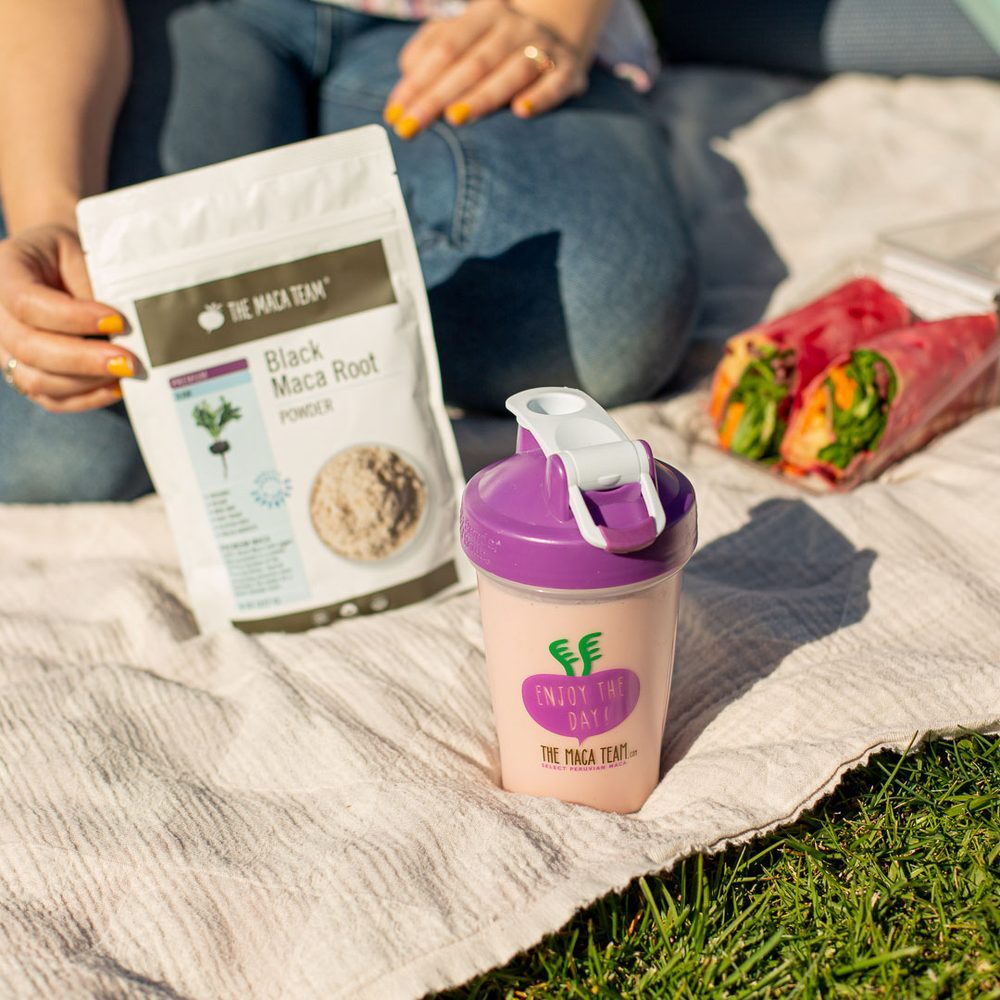
Maca is commonly used today in powders, drinks, recipes, capsules, extracts, and blends.
That traditional food context is important.
Before maca became a capsule, powder, extract, or international supplement, it was part of local food culture. It was valued as a hardy root food connected to the land where it grew.
Traditional Maca Use
Traditional foods are often described with broad words. People may speak about them in relation to nourishment, strength, resilience, or daily food traditions.
We understand that kind of language.
But traditional use is not the same as medical evidence. A food may be valued in a community without being presented as a treatment for a disease or health condition.
That distinction is central to how we discuss maca.
We can talk about maca as a traditional root food. We can talk about how it has been prepared and used. We can talk about product quality, sourcing, preparation style, and serving size.
We do not use this page to suggest that maca diagnoses, treats, cures, or prevents disease.
What This Page Can Say
This page can responsibly say that:
- Maca is a root vegetable native to Peru.
- Maca has a long history of traditional use in the Andes.
- Maca is commonly sold today as a food-based dietary supplement.
- Maca is used in powders, capsules, extracts, blends, drinks, and recipes.
- Maca products can vary by origin, preparation method, color type, and serving size.
- Quality, sourcing, testing, and accurate labeling matter.
- Individual experiences with maca vary.
That may be quieter than many pages about maca benefits.
That is intentional.
Maca does not need exaggerated claims to be worth respecting.
Why Quality Matters
When choosing maca, quality matters.
Important questions include:
- Where was the maca grown?
- Was it grown in Peru?
- How was it dried?
- How was it processed?
- Is it raw, gelatinized, premium, capsule, extract, or blend?
- Does the company provide testing information?
- Are there fillers or unnecessary additives?
- Does the product fit your taste, digestion, and routine?
At The Maca Team, our focus is Peruvian maca, careful sourcing, batch testing, product quality, and long-term relationships.
That is where we prefer to put our attention.
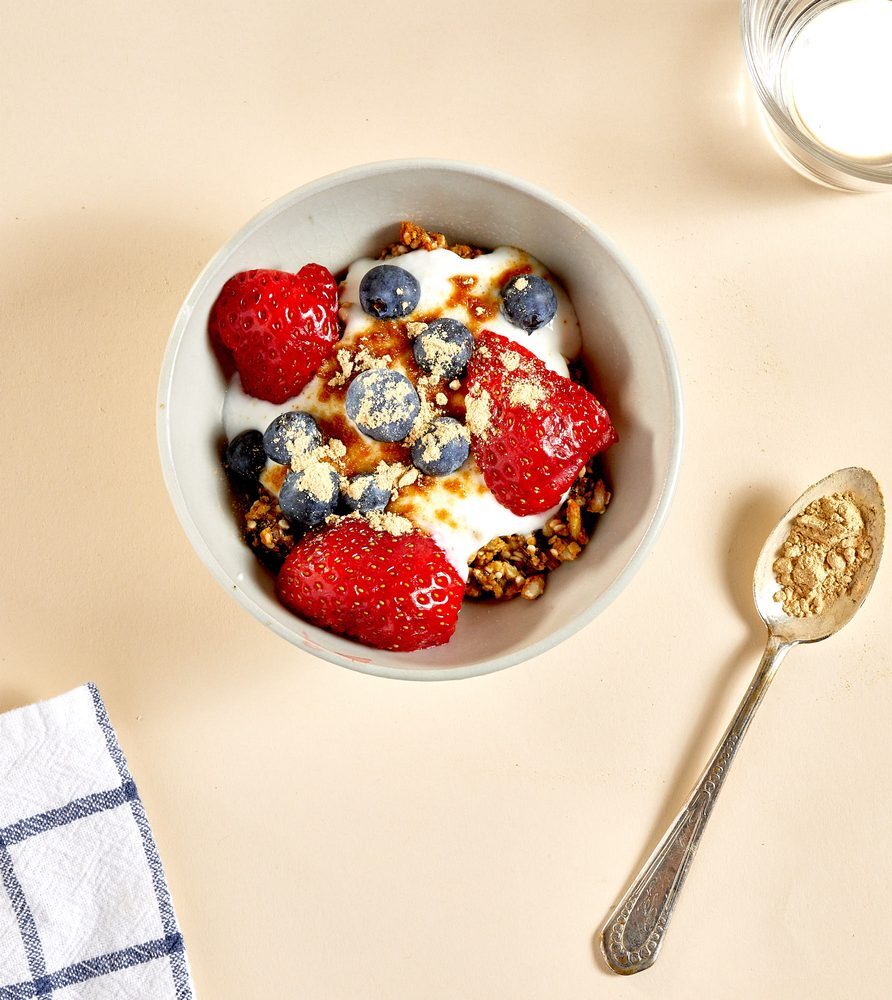
Starting slowly and choosing the right form of maca can help people find what fits their routine.
Individual Experience Varies
People often ask what they should expect from maca.
The most accurate answer is that individual experience varies.
It can depend on the person, the form of maca, the serving size, consistency, diet, sleep, stress, movement, age, health status, and many other factors outside of maca itself.
Some people include maca as part of a daily routine. Some use it as a nutritious food addition. Some decide it is not for them.
All of those experiences are possible.
That is why we encourage people to start slowly, use common sense, and pay attention to how their own body responds.
Our Approach at The Maca Team
The Maca Team exists because we care about maca: where it comes from, how it is grown, how it is processed, how it is tested, and how it is represented.
In our 20+ years, we have never tried to be the loudest company making the biggest claims.
Instead, we offer real, high-quality maca, clear information, and careful standards.
That means this page may be quieter than other pages about maca benefits. It may avoid topics that other websites discuss freely. It may not answer every question a visitor brings here.
But it reflects how we believe maca should be discussed:
- With respect for the plant.
- With respect for the tradition.
- With respect for the customer.
- And with careful language.
Continue Learning
This page is part of our Maca Guide section.
To continue learning, visit:
- Maca Guide
- How Maca Works
- Research and Science
- Maca Comparisons
- History, Origin, Culture
- Who Is Maca For
- Our Standards
- Testing and COAs
- Maca Buying Guides
Each page looks at maca from a different angle. Together, they are meant to help you understand maca through tradition, quality, preparation, research, and personal fit.
If you have questions about maca or our products, please contact us and we’ll be happy to help.