
Maca For Seniors
Maca for Seniors and Healthy Aging

One of the questions we regularly receive is, “Can maca root play a role in healthy aging?” In this article, we’ll take a deeper look at that question.
Specifically, we’ll look at how maca may fit into a healthy aging lifestyle for older adults, what the research suggests, what remains unproven, and how to choose the right maca product.
Staying healthy while you age is about staying active, nourished, clear, steady, and engaged as the body naturally changes over time.
For many older adults, wellness priorities become more practical with age: maintaining daily energy, supporting mobility, staying consistent with nutrition, keeping a positive routine, and choosing foods that are simple to use and easy to digest.
Maca root fits nicely into that broader picture.
Maca is a traditional Peruvian root vegetable grown high in the Andes. For generations, it has been valued as a nourishing food associated with stamina, resilience, and vitality. Today, many people include maca powder, maca capsules, or maca extracts in daily routines focused on healthy aging, energy support, hormonal wellness, and overall well-being.
Is Maca Good for Seniors?
Maca may be a good fit for older adults who are looking for a simple, food-based addition to a healthy routine.
It is most often chosen by seniors and adults over 50 for support in areas such as:
- Daily energy and stamina
- Overall vitality
- Healthy aging routines
- Nutritional support
- Midlife and postmenopausal wellness
- Drive, desire, and relationship vitality
- Mental focus and emotional well-being
- Active living and mobility-focused lifestyles
Important note: Maca is not a recognized treatment for age-related disease, osteoporosis, arthritis, memory loss, hormone disorders, or any medical condition. It is a traditional food and dietary supplement that may complement a broader lifestyle built around movement, nutrition, sleep, stress balance, and appropriate medical care.
The Healthy Aging Perspective
As we age, the foundation of wellness becomes more important.
Healthy aging is supported by many overlapping habits, including regular physical activity, muscle-strengthening exercise, balance work, nutrient-dense foods, good sleep, social connection, hydration, and preventive medical care.
That is the right context for maca.
Maca is not a shortcut around the basics. It is not a replacement for strength training, protein, minerals, sleep, medical care, or medication when needed. Instead, it is a helpful food within a larger healthy aging routine.
Why Older Adults Are Interested in Maca

Many people become interested in maca later in life because they are looking for natural ways to support everyday vitality.
Common reasons include:
- Wanting steadier energy without relying too heavily on caffeine
- Looking for a simple addition to breakfast or smoothies
- Supporting an active lifestyle
- Maintaining a sense of vitality and motivation
- Supporting wellness during midlife and postmenopausal years
- Looking for a traditional food rather than a highly processed supplement
- Wanting a convenient powder, capsule, or liquid extract
In our experience, older adults are often not looking for extreme results. They are looking for something practical, gentle, and consistent.
That is where maca can make sense.
Maca and Daily Energy
Energy changes with age for many reasons. Sleep quality, activity level, stress, diet, muscle mass, medications, and overall health can all influence how a person feels from day to day.
Maca is commonly used by people who want to support natural energy and stamina. Unlike caffeine, maca does not act as a stimulant in the same way. Many people describe it as a steadier, more food-like addition to their routine.
For older adults who are already focusing on diet, movement, hydration, and sleep, maca may be a useful daily food to consider.
A simple way to think about it: maca does not replace rest, protein, movement, or medical care. It may help support a routine built around those things.
Maca, Mobility, and Active Living
One of the most important parts of healthy aging is staying active.
Walking, strength training, stretching, balance exercises, gardening, swimming, yoga, and everyday movement all help support independence and quality of life. Strength and resistance training are especially important as people age because muscle mass and strength naturally change over time.
Maca fits best as a nutritional support food alongside that kind of routine.
For example, some older adults add maca to:
- A morning smoothie before a walk
- Oatmeal before a busy day
- A protein shake after exercise
- A warm drink as part of a daily wellness ritual
- Capsules for convenience when traveling
The most important point is consistency. Maca is not usually something people take once and evaluate immediately. It is better used regularly as part of a long-term routine.
Maca and Bone Support
Bone support is one of the most important healthy-aging topics, especially for women after menopause and for older adults who want to stay active and independent.
Maca is sometimes discussed in relation to bone health because of its traditional use, nutrient profile, and preliminary research. You can read more on our full page about maca and bone support.
Some animal and laboratory studies have explored maca in relation to bone-related pathways, and one small postmenopausal study reported changes related to bone density, but the overall human evidence remains limited.
The responsible conclusion is simple:
Maca may be included in a broader bone-supportive lifestyle, but it should not be used as a treatment for osteoporosis or any diagnosed bone condition.
For bone support, the bigger picture matters more:
- Adequate calcium
- Adequate vitamin D
- Enough protein
- Magnesium and other minerals
- Weight-bearing activity
- Resistance training
- Fall prevention
- Bone-density testing when appropriate
- Professional medical guidance
Maca and Hormonal Wellness Later in Life

Hormonal changes are a natural part of aging.
Women may become interested in maca during perimenopause, menopause, or postmenopausal years. Men may become interested in maca because of changes in vitality, libido, stamina, or general wellness over time.
Maca is often discussed in relation to hormonal wellness, but it is important to be precise. Maca should not be described as a hormone replacement, estrogen booster, testosterone booster, or treatment for hormone disorders.
Some studies have explored maca in postmenopausal women, but the evidence remains limited. Maca may support how some people feel during life-stage transitions, but it should not be considered a medical hormone therapy.
Maca, Mood, Focus, and Emotional Well-Being
Aging well is not only physical.
Many older adults care deeply about staying mentally clear, emotionally steady, socially engaged, and motivated. Nutrition, sleep, movement, sunlight, relationships, purpose, and stress management all play important roles.
Maca is sometimes used by people who want to support mood, focus, and overall emotional well-being. We have heard from many customers over the years who report positive experiences after adding maca to their diets.
These experiences are personal and individual. Maca should not be used as a treatment for depression, anxiety, cognitive decline, dementia, or any mental health condition.
Which Maca Is Best for Seniors?
There is no single “best” maca for every older adult.
The best choice depends on digestion, goals, taste preference, and format.
Gelatinized Maca
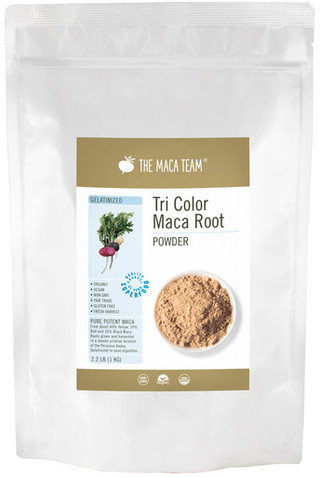
Gelatinized maca is often a good starting point for seniors because it is pre-cooked and has had the starch removed. Many people find it easier to digest than raw maca.
This may be especially helpful for older adults with sensitive digestion or those who want maca in a warm drink, smoothie, or simple daily recipe.
Tri-Color Maca
Tri-color maca combines red, black, and yellow maca. This is a good broad-spectrum option for people who want the full range of maca colors in one product.
For general healthy aging, tri-color maca is often a strong starting point.
Red Maca
Red maca is often chosen by women and people interested in midlife wellness, postmenopausal support, and bone-supportive routines. That said, there is not enough human research to say red maca is definitively best for seniors.
Black Maca
Black maca is often chosen by men, active adults, and people interested in stamina, energy, and vitality. Again, color-specific claims should be kept moderate.
Capsules
Maca Capsules are a practical choice for older adults who do not like the taste of maca powder or want a simple, measured serving.
Liquid Extract
Liquid maca extracts can be useful for people who want a quick format that does not require mixing powder into food or drinks.
How Seniors Can Start Taking Maca

For older adults, it is usually best to start small and increase gradually.
A practical approach:
- Start with a small serving
- Use maca with food
- Choose gelatinized maca if digestion is sensitive
- Stay consistent for several weeks
- Pay attention to how you feel
- Avoid taking it too late in the day if you feel it affects sleep
- Talk with a healthcare professional if you take medications or have a medical condition
Maca can be added to:
- Smoothies
- Oatmeal
- Yogurt
- Warm almond milk or oat milk
- Protein shakes
- Pancake batter
- Chia pudding
- Homemade energy bites
For many seniors, the easiest routine is breakfast: add a small serving of maca to something already eaten every morning. See our complete section on maca recipes.
Safety Considerations for Seniors
Maca is a food and is generally well tolerated by many adults, but seniors should be thoughtful with any new supplement. You can read more on our full page about maca safety and side effects.
This is especially important for people who:
- Take prescription medications
- Use blood pressure, thyroid, hormone, diabetes, or heart medications
- Have a history of hormone-sensitive conditions
- Have digestive sensitivity
- Are preparing for surgery
- Have kidney, liver, cardiovascular, endocrine, or other chronic health conditions
General guidance: If you are an older adult taking medication or managing a diagnosed health condition, speak with a qualified healthcare professional before adding maca or any new supplement to your routine.
A Simple Healthy Aging Routine With Maca
Maca works best when it is part of a broader routine.
Here is a simple example:
Morning
Add gelatinized maca or tri-color maca to oatmeal, a smoothie, or a warm drink.
Movement
Walk, stretch, garden, swim, or do another activity you enjoy.
Strength
Include gentle resistance training or bodyweight exercises several times per week, if appropriate for your body and health status.
Nutrition
Focus on protein, minerals, fiber, healthy fats, and colorful whole foods.
Rest
Prioritize sleep and recovery.
Medical Care
Continue regular checkups, screenings, medication guidance, and any care plan recommended by your healthcare provider.
Maca is one part of this picture, not the whole picture.
Frequently Asked Questions About Maca for Seniors
Is maca safe for seniors?
Many older adults use maca as part of a daily wellness routine. However, seniors who take prescription medications or manage health conditions should speak with a qualified healthcare professional before adding maca or any new supplement.
What is the best maca for seniors?
For many older adults, gelatinized maca is a good starting point because it is pre-cooked and often easier to digest. Tri-color maca is another good option for broad nutritional support.
Can maca help with aging?
Maca may support a healthy aging routine by fitting into a lifestyle focused on nourishment, energy, movement, and overall vitality.
Can maca help with bone health?
Maca may fit into a broader bone-supportive lifestyle, but it should not be used to treat osteoporosis, fractures, or diagnosed bone conditions. Bone health depends on many factors, including calcium, vitamin D, protein, strength training, weight-bearing activity, and medical guidance when needed.
Can maca help with energy in older adults?
Many people use maca as part of routines focused on steady daily energy. However, fatigue can have many causes, and persistent fatigue should be discussed with a healthcare professional.
Can maca help with menopause or postmenopausal wellness?
Some small studies have explored maca in postmenopausal women, but the evidence remains limited. Maca should not be considered hormone replacement therapy or a treatment for menopausal symptoms.
Can men over 50 take maca?
Yes, many men over 50 use maca as part of routines focused on vitality, stamina, and general wellness. It should not be presented as a treatment for erectile dysfunction, low testosterone, or any medical condition.
Should seniors take raw or gelatinized maca?
Both can be good options. Gelatinized maca is often preferred by people with sensitive digestion because it is pre-cooked and has had the starch removed.
How long does it take to notice maca?
Maca is best evaluated over time. Many people use it consistently for several weeks before deciding how it fits into their routine.
Can maca interact with medications?
Any supplement may be a concern for people taking medications or managing health conditions. Older adults should check with a qualified healthcare professional before starting maca.
Related Reading
If you are exploring maca for healthy aging, these pages may be helpful next steps:
- Who Is Maca For?
- Maca Benefits
- Maca and Bone Support
- Maca and Energy
- Maca and Hormonal Balance
- Which Maca Is Best?
- Maca Forms
- Maca Recipes
Final Thoughts
Maca may be a good fit for many seniors and older adults who want a simple, traditional, food-based addition to a healthy aging routine.
The best way to think about maca is not as a treatment or quick fix, but as one supportive food within a broader lifestyle built around movement, nourishment, rest, connection, and consistency.
For general healthy aging, many people start with tri-color maca for broad nutritional support or gelatinized maca for easier digestion. From there, the right choice depends on your routine, preferences, and how your body responds.
Maca is a food and dietary supplement. It is not intended to diagnose, treat, cure, or prevent any disease.
Not Sure Where to Start?
For broad healthy aging support, many customers begin with tri-color maca. If digestion is a concern, gelatinized maca is often the easiest place to begin.
Enjoy the day!

References and Further Reading
- National Institute on Aging: Health Benefits of Exercise and Physical Activity
- National Institute on Aging: Dietary Supplements for Older Adults
- NIH News in Health: Should You Take Dietary Supplements?
- Memorial Sloan Kettering Cancer Center: Maca
- Brooks et al. 2008: Beneficial Effects of Lepidium meyenii (Maca) on Psychological Symptoms and Measures of Sexual Dysfunction in Postmenopausal Women
- Lee et al. 2011: Maca for Treatment of Menopausal Symptoms: A Systematic Review
- The Maca Team: Maca and Bone Support
- The Maca Team: Maca Benefits Complete Guide