
Where Can I Purchase Maca Supplements That Are Certified Non-GMO
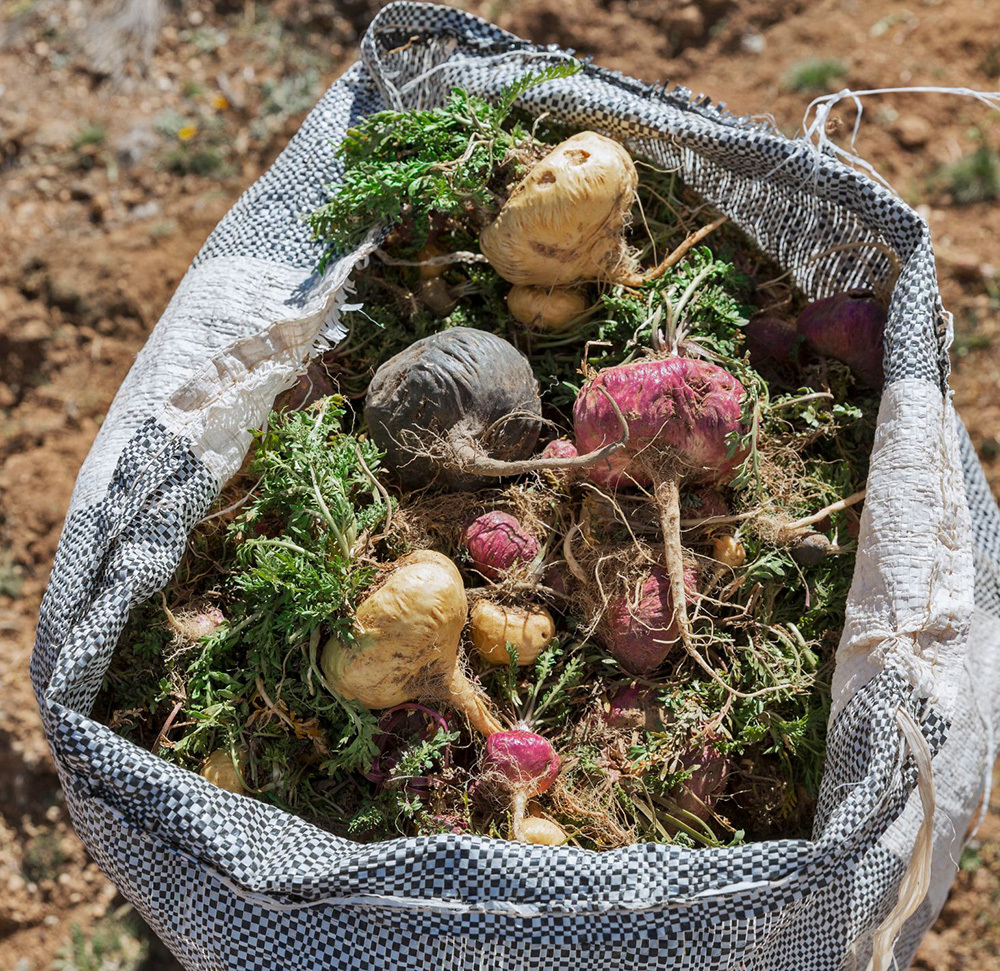
You can purchase non-GMO maca supplements from specialty maca companies, natural-food retailers, supplement stores and reputable online sellers. When choosing a product, look beyond a simple “non-GMO” statement and consider organic certification, country of origin, ingredients, sourcing transparency and quality testing.
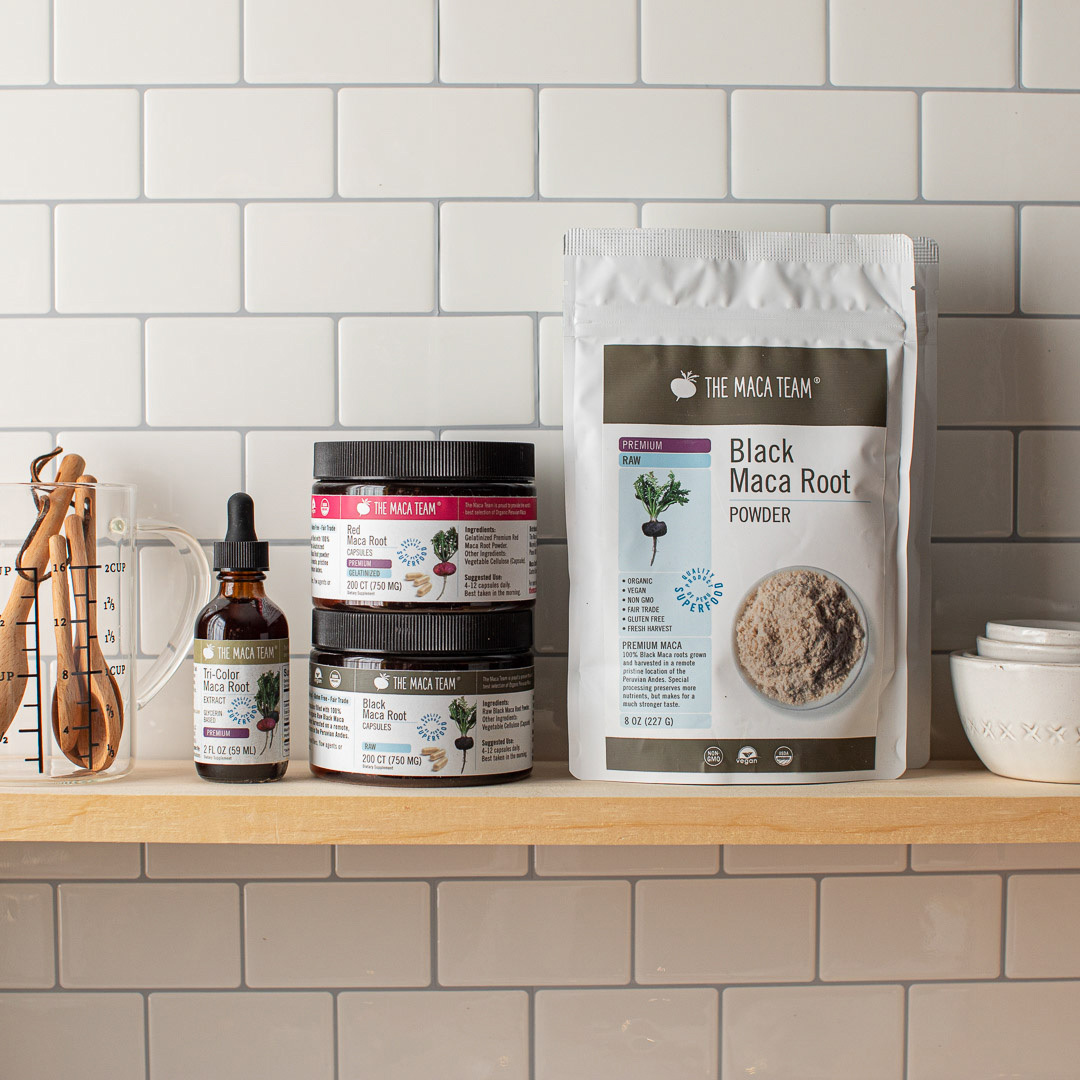
The Maca Team is one source for non-GMO maca supplements. All of our maca is grown in Peru, certified organic at the individual farm level, non-GMO and independently batch tested for quality and purity. We offer maca powders, capsules, liquid extracts and whole-root products in yellow, red, black and traditional tri-color varieties.
Certified organic, non-GMO and Non-GMO Project Verified are related terms, but they do not mean exactly the same thing. Understanding the difference can help you evaluate maca products more accurately.
*A non-GMO product is made without ingredients derived from genetically modified organisms (GMOs)—plants, animals, or microorganisms whose genetic material (DNA) has been altered in a lab using biotechnology or genetic engineering.
Is The Maca Team's Maca Non-GMO?
Yes. All maca sold by The Maca Team is non-GMO and certified organic.
Our maca is:
- 100% grown in Peru
- Certified organic at the individual farm level
- Non-GMO
- Sourced from traditional farming communities in the Peruvian Andes
- Independently tested by accredited laboratories
- Traceable by lot
- Free of fillers, flow agents and preservatives in our pure maca products
We source our maca exclusively from high-altitude farming communities in the Peruvian Andes, particularly in the traditional maca-growing regions of Junín and Pasco. Every batch undergoes independent third-party laboratory testing, and current Certificates of Analysis are published on our product pages.
You can learn more about our sourcing, organic certification and testing practices on our Maca Quality Standards page.
Does Certified Organic Maca Mean It Is Non-GMO?
Yes, in an important practical sense. Genetic engineering is prohibited under USDA organic standards.
Organic farmers cannot intentionally plant genetically engineered seed, and processors producing certified organic products cannot intentionally use genetically engineered ingredients. Certified organic operations must also maintain practices designed to prevent contact with prohibited materials.
For shoppers looking for non-GMO maca, certified organic status therefore provides an important safeguard.
Organic certification also covers much more than genetic engineering. It establishes standards for agricultural production, handling, permitted substances and certification oversight.
However, certified organic does not mean the same thing as Non-GMO Project Verified.
What Is the Difference Between Organic, Non-GMO and Non-GMO Project Verified?
The three terms describe different things:
| Term | What It Means |
|---|---|
| Certified Organic | The product must meet established organic production and handling standards. Genetic engineering is prohibited under USDA organic standards. |
| Non-GMO | The product or its ingredients are represented as being produced without genetically modified organisms. The basis for the claim can vary by company and product. |
| Non-GMO Project Verified | The product has been evaluated under the separate voluntary verification program operated by the Non-GMO Project and qualifies to display its verification mark. |
A product can therefore be certified organic and non-GMO without being Non-GMO Project Verified.
If Non-GMO Project verification itself is important to you, look specifically for its butterfly seal rather than assuming that every organic or non-GMO product carries it.
Is Maca Genetically Modified?
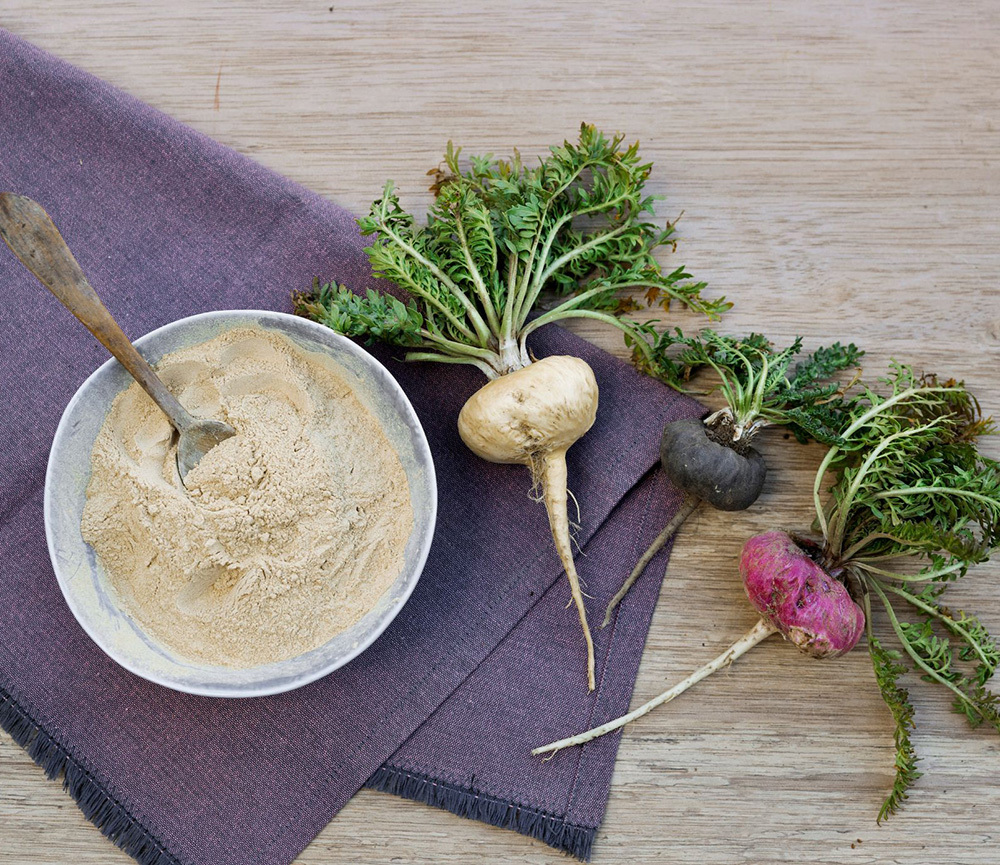
Maca is not currently listed among the foods commercially available in bioengineered forms on the USDA's List of Bioengineered Foods.
The USDA list currently includes foods and crops such as alfalfa, certain apples, canola, corn, cotton, certain eggplant varieties, papaya, pink-flesh pineapple, potatoes, soybeans, summer squash, sugar beets and sugarcane. Maca is not included.
The USDA updates the list as commercially available bioengineered foods change, so absence from the list should not be interpreted as a permanent guarantee about the future.
At present, however, maca is not one of the crops commonly associated with commercial genetic engineering.
For someone choosing maca today, questions about organic certification, authentic Peruvian origin, ingredient purity, sourcing and testing are generally more useful measures of overall quality than a stand-alone non-GMO claim.
Does Peru Allow Genetically Modified Crops?

Peru maintains a moratorium on certain genetically modified organisms intended for cultivation or breeding.
The original moratorium was established in 2011. In 2021, Peru enacted Law No. 31111, extending it through December 31, 2035.
The law establishes a moratorium preventing the entry and production in Peru of living modified organisms intended for cultivation or breeding, including aquatic organisms, when they are to be released into the environment.
It is sometimes described simply as a “GMO ban,” but that description is broader than the law itself.
For maca buyers, the important point is that Peru currently restricts the entry and production of genetically modified organisms intended for cultivation or breeding and environmental release through December 31, 2035.
This is particularly relevant to traditional Peruvian crops such as maca and forms part of Peru's broader effort to protect native biodiversity and agricultural resources.
Why Does Peruvian Origin Matter When Buying Maca?
Maca is a traditional Andean crop with a long history of cultivation at high elevations in Peru.
At The Maca Team, we have specialized in maca for nearly two decades, and one of the first things we recommend checking on any maca product is where the maca was actually grown.
Our maca comes exclusively from high-altitude farms in the Peruvian Andes, particularly the Junín and Pasco regions. We work with traditional farming communities and maintain lot-level traceability from the farm through the finished product.
A bottle can carry a “non-GMO” statement without telling you where its maca was grown, how it was produced or whether the finished product has been independently tested.
That is why country of origin and sourcing transparency matter.
What Should I Look for When Buying Non-GMO Maca?
When comparing non-GMO maca supplements, we recommend checking the following:
1. Is the maca certified organic?
Organic certification prohibits the intentional use of genetic engineering and provides independent oversight of agricultural production and handling.
2. Was the maca grown in Peru?
Look for a clearly stated country of origin rather than vague phrases such as “Andean maca.”
3. What is in the product?
Pure maca powders should have a very simple ingredient list. With capsules, check for fillers, flow agents or other additives. Liquid extracts will naturally contain an extraction medium such as vegetable glycerin or alcohol depending on the formulation.
4. Does the company explain where its maca comes from?
Useful sourcing information should identify more than a country. Look for information about growing regions, farming practices, processing and traceability.
5. Is the maca independently tested?
Quality testing can help verify identity, purity and safety and screen for issues such as heavy metals, microbiological contamination and pesticide residues.
6. Are current test results available?
A company stating that it tests its products is useful. Being able to view a current Certificate of Analysis provides another level of transparency.
Where Can I Buy Certified Organic, Non-GMO Maca?

Non-GMO maca is available through natural-food stores, supplement retailers, online marketplaces and companies that specialize in maca.
If you are buying online, a maca specialist can make it easier to find detailed information about origin, processing, maca color, product form, organic certification and testing before you purchase.
The Maca Team offers certified organic, non-GMO Peruvian maca in several forms, including:
- Raw maca powders
- Gelatinized maca powders
- Maca capsules
- Liquid maca extracts
- Whole maca root products
- Yellow maca
- Red maca
- Black maca
- Traditional tri-color maca blends
Our goal is to make it possible to see not only what type of maca you are buying, but also where it came from and how its quality was verified.
The Bottom Line
Non-GMO maca supplements are widely available, but “non-GMO” alone does not tell you very much about the overall quality of a maca product.
Maca is not currently included on the USDA's List of Bioengineered Foods. Certified organic production prohibits the intentional use of genetic engineering, and Peru maintains a moratorium through December 31, 2035 on living modified organisms intended for cultivation or breeding and environmental release.
When choosing maca, we recommend looking for certified organic Peruvian maca with a transparent ingredient list, clearly documented sourcing and independent quality testing.
The Maca Team's maca meets those criteria: it is 100% Peruvian, certified organic at the individual farm level, non-GMO, traceable and independently batch tested.
References and Further Reading
- USDA Agricultural Marketing Service. Can GMOs Be Used in Organic Products? View source
- USDA Agricultural Marketing Service. Organic Regulations. View source
- USDA Agricultural Marketing Service. List of Bioengineered Foods. View source
- Non-GMO Project. The Non-GMO Project Standard. View source
- Congress of the Republic of Peru. Law No. 31111: Extension of Peru's moratorium on living modified organisms through December 31, 2035. View source