
Is Maca Root Stimulating
Is Maca Root Stimulating?
Updated on
Reviewed by TMT editorial board
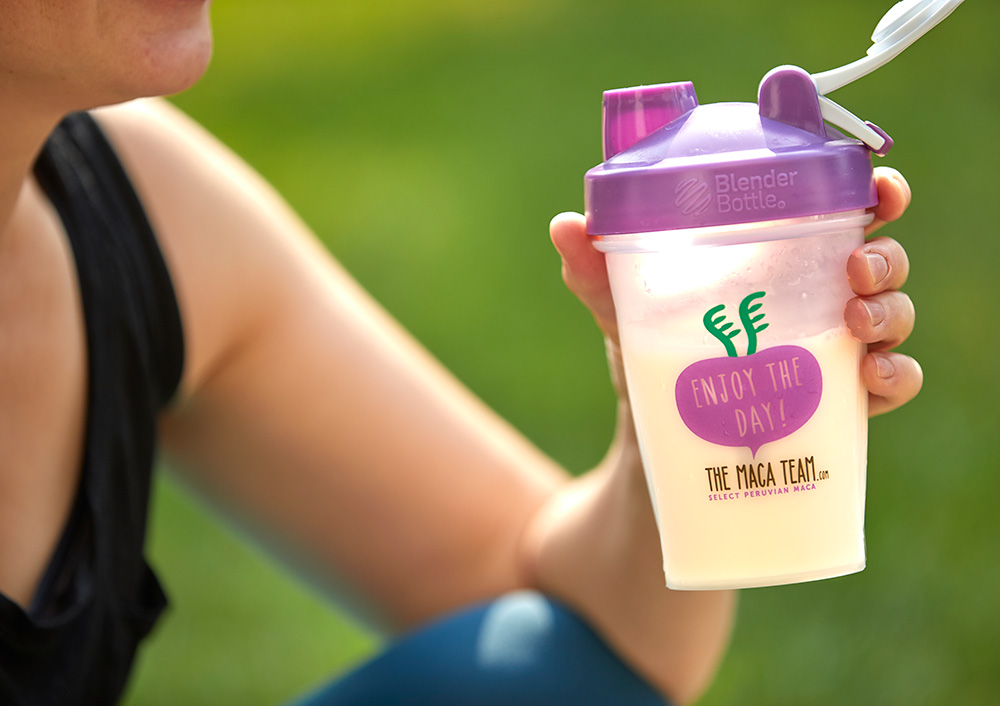
Maca root is a nutrient-rich vegetable that grows in the high Andes mountains of Peru. It has become increasingly popular as a traditional food powder that can be added to smoothies, oatmeal, warm drinks, coffee-style drinks, capsules, extracts, and recipes.
If you’ve heard about maca and researched it a bit, you’ve probably come across people who describe it as energizing. But is maca root actually stimulating?
In this article, we’ll look at how maca root powder and other forms of maca are similar to and different from more commonly known stimulant foods and drinks.
Simple answer:
Maca does not contain caffeine and is not a stimulant in the same way coffee, tea, or energy drinks are.
That said, some people describe maca as energizing or motivating, especially when used in the morning. If you are sensitive to energizing foods, start small and take maca earlier in the day.
What Is a Stimulant?
According to the Merriam-Webster dictionary, a stimulant is “an agent, such as a drug, that produces a temporary increase of the functional activity or efficiency of an organism or any of its parts.”
When people think of common natural stimulants, coffee, tea, nicotine, and ginseng are often among the first examples that come to mind. Coffee and tea contain caffeine or related compounds that can temporarily increase alertness for many people.
Maca is different. It does not contain caffeine, and it should not be treated like coffee, tea, or an energy drink.
Is Maca a Stimulant Like Coffee or Tea?

Maca can feel energizing to some people, but it works differently from coffee or tea. Coffee and tea contain caffeine or related compounds. Maca root contains no caffeine.
That means maca is not a direct substitute for caffeine if what you want is the familiar quick jolt of coffee. Some people notice maca quickly, while others only understand how it fits their routine after using it consistently for a while.
Because maca is a food rather than a caffeinated stimulant, the experience is usually more subtle and individual. Some people prefer it in the morning. Others use it in smoothies, oatmeal, capsules, or recipes without noticing any strong stimulating feeling.
How Maca May Feel Energizing
Comparing maca root directly to coffee or tea is not a perfect comparison. Coffee and tea can have a noticeable near-immediate effect because of caffeine. Maca is a traditional food, so people tend to experience it differently.
There are three main reasons people may describe maca as energizing:
- Maca is nutrient-dense. Maca contains carbohydrates, fiber, amino acids, minerals, and naturally occurring plant compounds. As a food, it can fit well into breakfast, smoothies, and daily routines.
- Maca is often used consistently. Many people use maca over time rather than expecting an instant effect. A consistent routine can make it easier to understand how maca fits your body.
- Maca can be part of an active morning routine. Maca is commonly added to smoothies, oatmeal, coffee-style drinks, and other morning foods. For some people, that makes it feel like a good fit for a steady start to the day.
Maca does not contain hormones, and we do not recommend thinking of it as a hormone product. It is better understood as a traditional Peruvian root food with a broad nutritional profile.
What Research Says About Maca and Energy
Research on maca is ongoing. Some studies have looked at maca in relation to fatigue, physical activity, nutrition, and other areas, but research quality and study design vary. Some studies are animal studies, and animal research should not be treated as proof of the same effect in humans.
For that reason, we think it is best to be careful with strong claims. Maca is not a proven energy treatment, fatigue treatment, performance product, or stimulant drug.
A more responsible conclusion is this: maca is a nutrient-dense traditional food that some people enjoy as part of their morning or active routine. Individual experiences vary.
What People Say About Maca and Energy
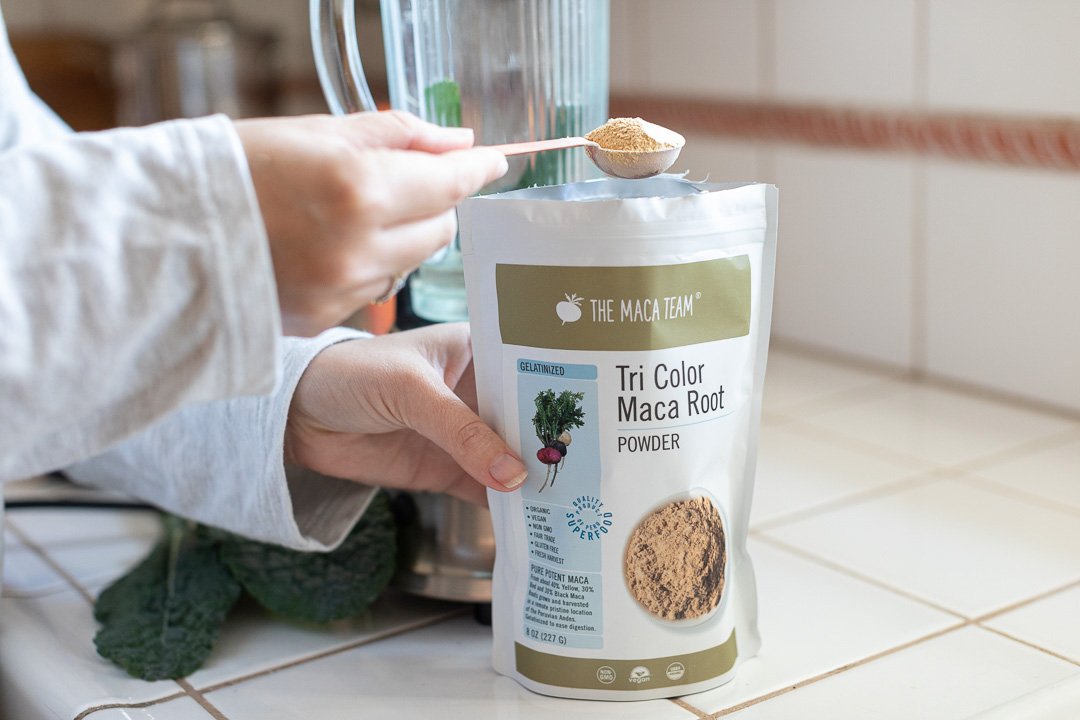
We have received many comments from customers who describe maca as a useful part of their daily routine. Some people say they like using maca in the morning, before activity, or as part of a smoothie or breakfast habit.
We have also heard from customers who say maca feels too strong if they take too much or take it too late in the day. That is why we recommend starting with a small serving, taking maca earlier in the day, and adjusting gradually.
Customer experiences are helpful, but they are not medical evidence. Your own response may be different.
What to Expect When Taking Maca
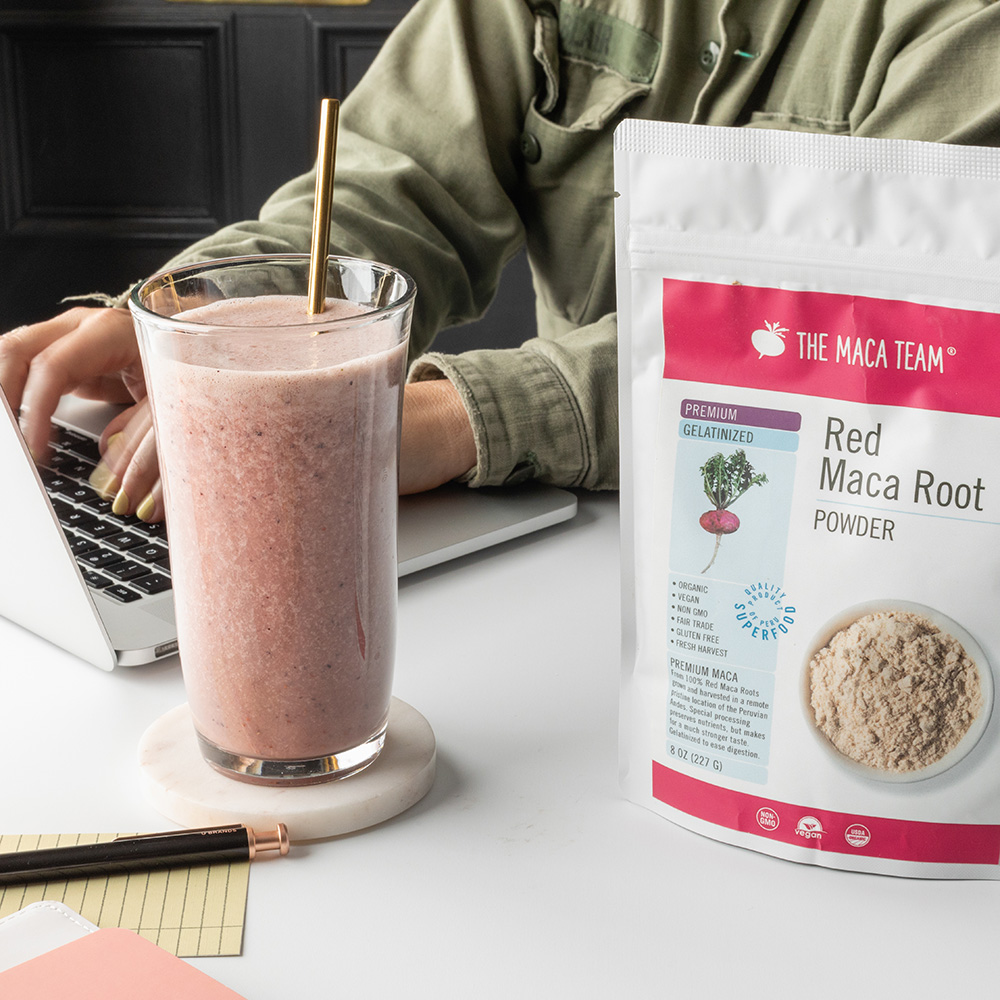
Some people notice maca quickly. Others use it consistently for several weeks before deciding how it fits them. Some people may not notice a strong effect at all.
If you are new to maca, we recommend using it consistently for a few weeks while keeping your serving modest. That gives you time to evaluate taste, digestion, timing, and overall comfort.
If maca feels too strong, too energizing, or uncomfortable, reduce your serving, take it with food, or move it earlier in the day.
Maca powder, maca capsules, maca extracts, and maca chips can all fit into different routines. The best form depends on how you prefer to use maca.
One way to explore a maca-based morning drink is our Morning Motivator, a maca superfood blend made with maca, cacao, and mesquite. It is often used as a coffee-style drink or low-caffeine morning option.
Tips for Using Maca If You Are Sensitive to Energizing Foods
If you are sensitive to energizing foods, drinks, or supplements, use maca gently at first.
What Are the Downsides of Taking Maca for Energy?
Maca is a traditional food, but it may not be the right fit for everyone. Some people find that maca feels too energizing, affects sleep when taken late, or feels uncomfortable at larger servings.
If you have sensitive digestion, you may prefer gelatinized maca over raw maca. Gelatinized maca is starch-reduced and is often easier for many people to use.
If you take medication, have blood pressure concerns, are pregnant or nursing, have hormone-sensitive health concerns, or are managing a medical condition, check with a qualified health care professional before using maca regularly.

Conclusion
We hope this article has helped answer the question of whether maca is stimulating.
Maca does not contain caffeine and is not a stimulant in the same way coffee, tea, or energy drinks are. Still, some people do describe maca as energizing, especially when they take it in the morning or use it as part of an active routine.
The best approach is simple: start small, take maca earlier in the day, use it with food if needed, and pay attention to your own response.
If you are not sure which maca is the best fit for you, visit our Which Maca Is Best? guide.
Enjoy the day!
Helpful Next Steps