
Maca for Women
Maca for Women: A Practical Guide

Both women and men have traditionally consumed maca for thousands of years. And that fact remains unchanged in modern times. Since starting to source and sell high-quality Peruvian maca over 20 years ago, we’ve noticed a nearly equal split among our male and female customers.
As more and more people become aware of the potential of maca root, we regularly receive questions regarding maca for women. Women often discover maca while looking for a new smoothie ingredient. Others hear about it from a friend, encounter it while researching traditional foods, or become interested in it during a changing stage of adult life. The most common questions they have center around which maca is best for women, how to most effectively use maca, and what to expect.
We’ve written this guide to help answer these questions. After reading it, you should have a clear understanding of what maca is, why women commonly choose it, how it can fit into an everyday routine, and what to consider before getting started.
Is There a Special Maca for Women?
There is no separate maca plant grown only for women. Women can use red, black, yellow, or blended maca. The most suitable option depends on personal taste, digestion, convenience, and how the maca will be used. One woman may enjoy mixing raw maca into a daily smoothie. Another may prefer gelatinized capsules because she has sensitive digestion and does not enjoy maca’s flavor. Someone who travels frequently may prefer a liquid extract.
The important takeaway is that there is no such thing as “female maca.” The choice is personalized to the woman using it.
For most women, our recommended approach is to choose a high-quality Peruvian product, begin with a modest amount, and add it to an existing food or wellness routine.
What Is Maca?
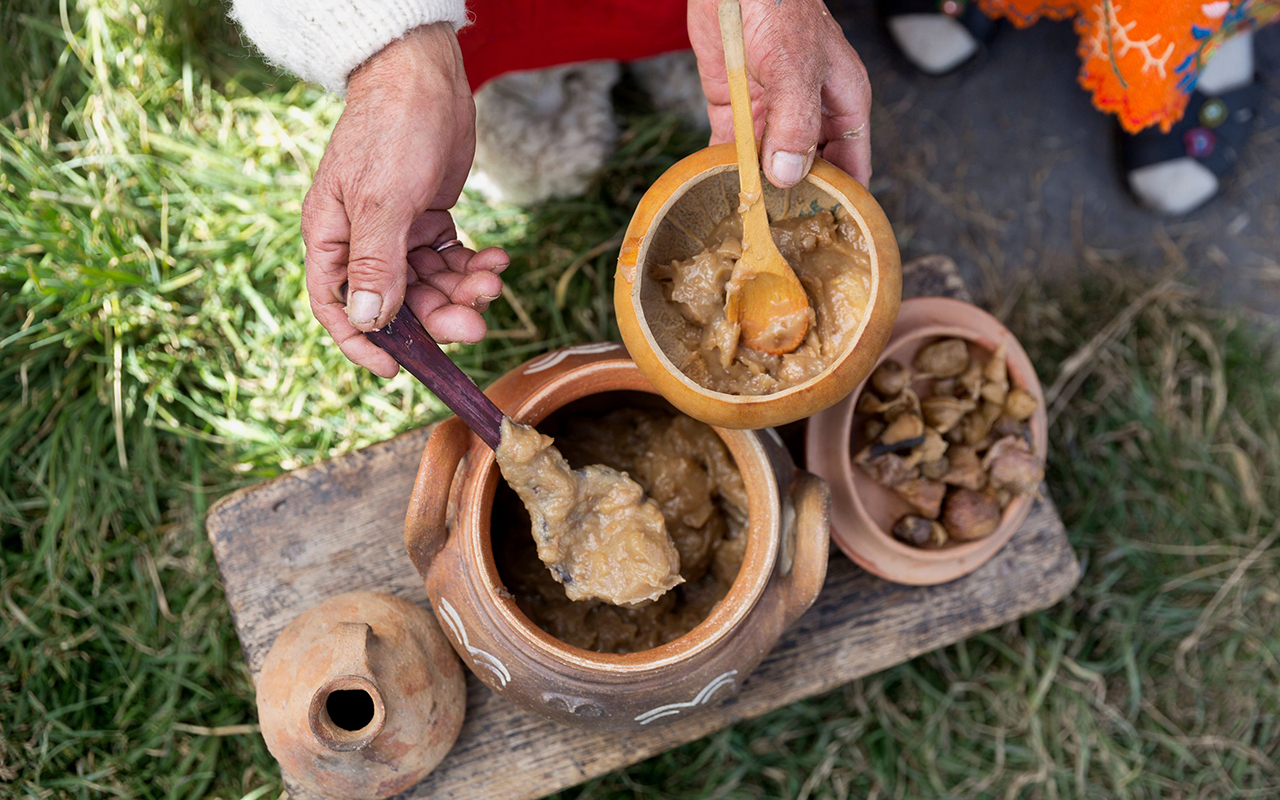
Maca, generally known by the scientific name Lepidium meyenii, is a cruciferous plant traditionally cultivated at high elevations in the central Peruvian Andes.
The underground part of the plant is harvested and dried. It may then be:
- Ground into maca powder
- Cooked to produce gelatinized maca
- Placed into capsules
- Used to make liquid extracts
- Broken into whole-root chips
Maca naturally contains carbohydrates, fiber, protein, minerals, fatty acids, and a range of plant compounds. Its precise composition can vary according to root color, soil, growing conditions, harvest, and preparation.
Although maca is commonly sold alongside dietary supplements, its foundation is as a traditional food.
For a closer look at its composition, see our guide to maca nutrition facts.
Why Do Women Choose Maca?
Women come to maca with different routines, preferences, and questions. Some are interested in maca simply as a traditional Peruvian food, while others encounter it while researching topics related to women’s wellness.
The reasons below describe why a woman may choose to learn about or try maca. They are not promises that maca will produce a particular result, and several of these areas remain limited or unproven in human research.
Under the threat of penalties, the FDA limits how much we are able to share regarding the potential outcomes of women using maca. That is why our language is very careful. What we can share is that, over many years in business, we have heard from thousands of women who are happy that they have made maca a regular part of their lives.
How Women Commonly Use Maca
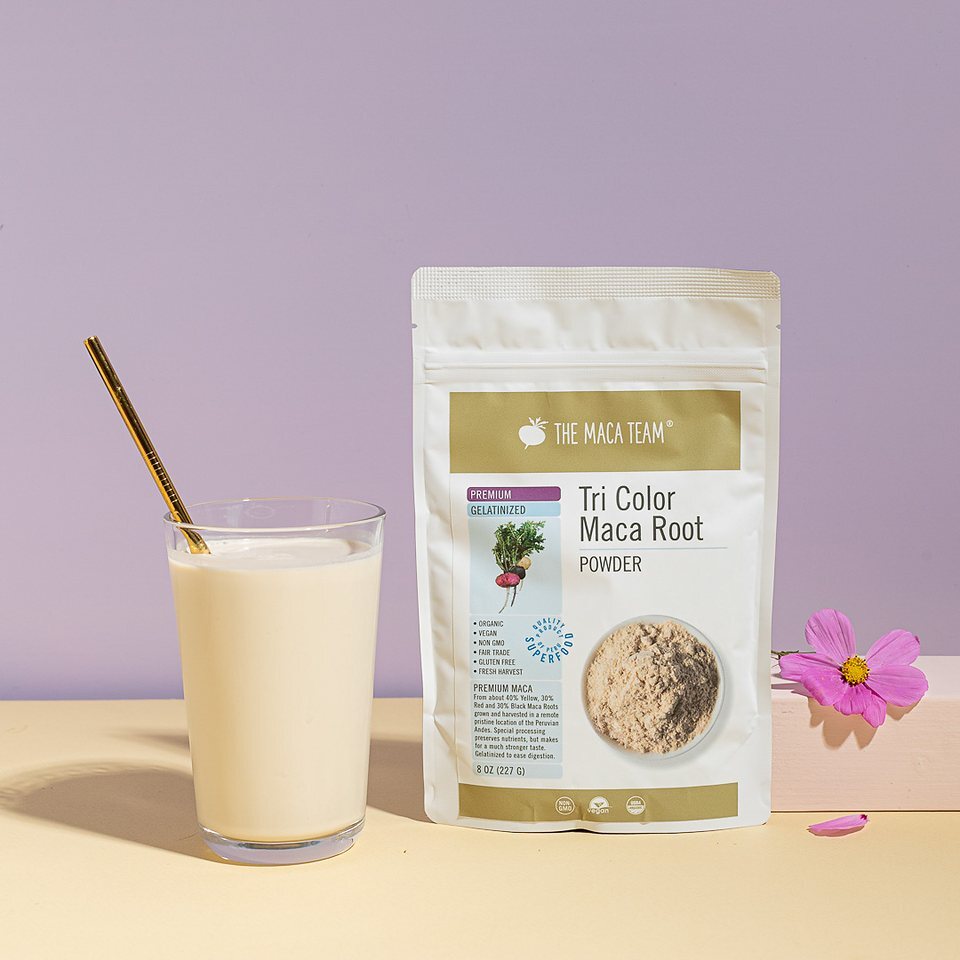
Maca can be added to food or used in a convenient capsule or extract form.
In Smoothies
Smoothies are one of the easiest ways to use maca powder. Its earthy, malty flavor pairs especially well with:
- Banana
- Cacao
- Cinnamon
- Dates
- Nut butter
- Vanilla
- Plant or dairy milk
- Coffee alternatives
Beginning with a small amount allows you to become familiar with the flavor before making it more prominent.
In Breakfast Foods
Maca powder or root chips can be added to:
- Oatmeal
- Overnight oats
- Yogurt
- Chia pudding
- Warm cereal
- Granola
- Nut or seed butter
Adding maca to a food you already eat regularly is often easier than creating an entirely new routine.
In Warm Drinks and Recipes
Maca can be mixed into warm drinks, energy bites, and baked recipes.
Heating maca is not necessarily a problem. Maca has traditionally been prepared as food in Peru, and gelatinized maca is already produced using heat.
Explore our collection of maca recipes for more ideas.
In Capsules
Capsules provide a measured amount without requiring you to taste or mix powder.
They may be convenient for:
- Workdays
- Travel
- Busy mornings
- People who dislike maca’s flavor
- Women who already have a regular capsule routine
As a Liquid Extract
Liquid extracts provide another portable option. They can be used without measuring or mixing powder.
Because extracts are prepared differently from whole-root maca, follow the directions for the particular product rather than comparing them teaspoon-for-teaspoon with powder.
The Best Ways for Women to Add Maca to an Everyday Routine
The most useful maca routine is usually the one that is simple enough to maintain.
Many women use maca in the morning because it fits naturally with breakfast. Others use it with lunch or at another convenient time of day.
There is no universal requirement to use maca at a particular hour.
A practical starting routine is:
- Choose one maca product rather than trying several at once.
- Begin with a small amount.
- Use it at roughly the same time each day.
- Take it with food if your digestion is sensitive.
- Increase gradually only when the starting amount feels comfortable.
- Pay attention to digestion and general comfort.
Consistency is generally more practical than taking a large amount occasionally.
How Much Maca Should a Woman Start With?
There is no single amount that is right for every woman. The product, preparation, concentration, digestion, and previous experience with maca can all affect the appropriate starting point.
We typically recommend 1–3 grams of maca powder or the equivalent in capsules daily. However, when you are just starting out, it’s fine to start on the smaller end of that serving size. After several days, the amount can be increased gradually if desired.
Beginning slowly can be especially useful for women who:
- Are new to maca
- Have sensitive digestion
- Are using raw maca
- Do not regularly eat starch-rich foods
- Tend to respond strongly to new foods or supplements
More maca is not automatically better. A comfortable amount that fits consistently into your routine is generally preferable to immediately taking the largest serving.
See our complete maca serving guide for more information.
Should Women Take Maca With Food?
Maca can be used with or without food, but many women find it more comfortable as part of a meal.
Taking maca with food may be helpful when:
- You are using it for the first time
- Raw maca causes bloating
- You have a sensitive stomach
- You are increasing the amount
- You use other foods or supplements at the same time
When maca powder feels difficult to digest, reduce the amount before deciding it is not suitable for you. Switching from raw to gelatinized maca may also help.
Can Women Use Maca Every Day?
Yes, absolutely. It’s important to maintain daily consistency with maca, especially when you start with it. We recommend taking maca daily for at least 4–6 weeks. That is enough time to chart any differences you may begin to feel. After that, many women continue to take maca every day, while others take one day off per week or a few days in a row off per month.
Maca Through Different Stages of Adult Life

Traditionally, maca was a staple food and a constant companion through life. Now, women explore maca during many different stages of adulthood. Their preferences and circumstances can also change over time.
A woman with an active schedule may use powder in a morning smoothie. Another woman may prefer capsules because they are more convenient. Someone who previously used raw maca may later switch to gelatinized maca because it feels easier to digest.
There is no single age at which women should begin or stop using maca.
Women who are pregnant, breastfeeding, preparing for pregnancy, receiving fertility treatment, taking prescription medication, or managing a significant health condition should speak with an appropriate healthcare professional before using concentrated maca products.
What We Have Learned From Women Who Use Maca
After more than 20 years of helping women use maca, we have found that the simplest routines often last the longest.
Women who already make smoothies or oatmeal usually find powder easy to incorporate. Those who dislike maca’s flavor often remain more consistent with capsules. Women with sensitive digestion frequently prefer gelatinized maca, especially when they begin with a modest amount.
We have also found that people sometimes focus too much on finding the “strongest” or most specialized product. In practice, the better choice is often the one that:
- Digests comfortably
- Fits an existing routine
- Has a flavor or format you can tolerate
- Comes from a trustworthy source
- Can be used consistently without becoming inconvenient
Is There a Special Type of Maca for Women?
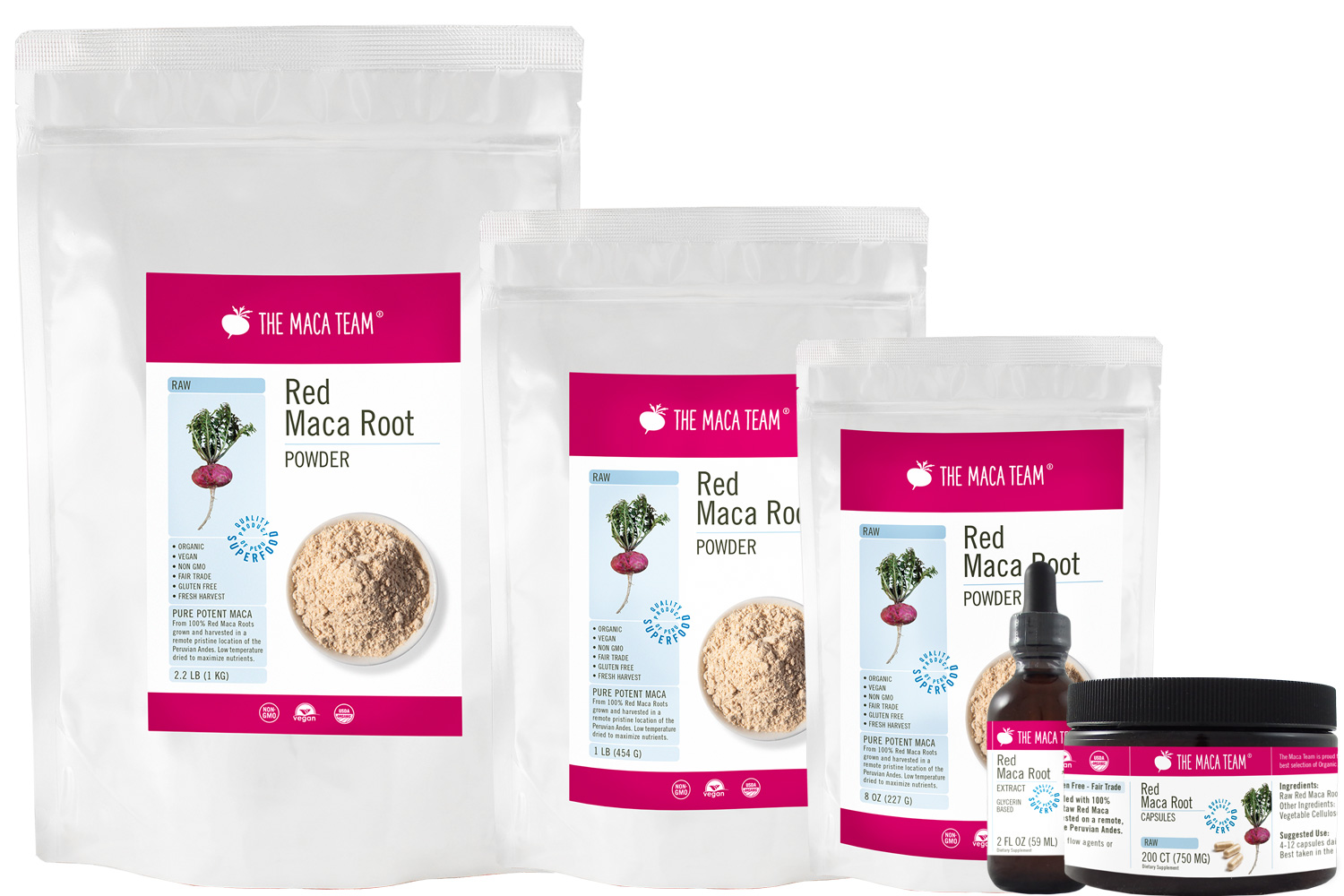
Women can use all major colors and forms of maca.
Red maca is especially popular among women, but black, yellow, and tri-color maca are also commonly used. Some women prefer raw powder, while others find gelatinized maca easier to digest. Capsules, extracts, and chips offer additional choices.
Because we have a separate page devoted to product selection, we will not repeat the full comparison here.
See our guide to the best maca for women to compare:
- Red, black, yellow, and tri-color maca
- Raw and gelatinized preparations
- Powders, capsules, extracts, and chips
- Beginner-friendly options
- Convenient and digestion-friendly formats
How to Choose High-Quality Maca
Maca quality depends on more than the color printed on the package.
Clear Peruvian Origin
Maca has a deep agricultural and cultural connection to Peru. A product should clearly identify where its maca was grown.
Identified Form and Processing
The label should state whether the maca is:
- Raw or gelatinized
- Powdered, encapsulated, extracted, or chipped
- Whole-root or concentrated
- A single color or blend
You should be able to understand what you are buying without decoding vague terminology.
Complete Ingredients
Pure maca powder should contain maca. Capsules, extracts, and blends may contain additional ingredients, but those ingredients should be clearly disclosed.
Organic Certification
Certified organic maca is grown and handled according to defined organic standards. The word “natural” is not the same as certified organic.
Meaningful Testing
Responsible maca companies should test their products for relevant quality and safety measures and make meaningful information available.
At The Maca Team, we provide batch-specific testing documentation connected to the products we sell.
Realistic Information
Be cautious when a company guarantees dramatic or immediate results or suggests that one product is right for every woman.
A trustworthy maca supplier should help you make an informed choice without turning a traditional food into a promise.
Maca is commonly used as food, but individual responses vary.
The most frequent difficulties we hear about involve beginning with too much or having trouble digesting raw maca.
Professional guidance is appropriate when pregnancy, breastfeeding, fertility treatment, prescription medication, an upcoming procedure, or a significant health condition is involved.
For more information, see our guide to maca contraindications and safety considerations.
Frequently Asked Questions About Maca for Women
Is maca only for women?
No. Women and men use maca. This page focuses on women’s common questions and routines, but the plant itself is not women-only.
Does maca contain hormones?
Maca does not contain human hormones.
Does maca contain caffeine?
Maca itself does not contain caffeine. It can be added to either caffeinated or caffeine-free foods and drinks.
Does gelatinized maca contain gelatin?
No. Gelatinized maca remains plant-based. The term refers to the cooking process used to break down or remove much of the root’s natural starch.
What does maca taste like?
Maca has an earthy, malty flavor with nutty or caramel-like notes. The flavor varies somewhat by root color and preparation.
How can I soften maca’s flavor?
Banana, cacao, cinnamon, dates, vanilla, and nut butter all combine well with maca. See our guide to ways to hide the taste of maca.
Can maca be added to hot food?
Yes. Maca can be stirred into oatmeal, warm drinks, soups, and baked recipes.
How should maca be stored?
Keep maca tightly sealed in a cool, dry place away from direct sunlight and moisture. Follow any additional storage directions printed on the product package.
Maca for Women Video
Video Summary
This video introduces maca as a traditional Peruvian food and explains several common ways women use it. It also discusses the available product forms, beginning gradually, and choosing a routine that is practical enough to maintain.
For help comparing specific colors and preparations, continue to our guide to the best maca for women.
Key Takeaways on Maca for Women
Women use maca in many different ways, but there is no women-only variety or perfect routine.
A useful starting approach is to:
- Choose high-quality Peruvian maca
- Select a form that fits your lifestyle
- Begin with a manageable amount
- Use it consistently rather than excessively
- Pay attention to digestion and personal response
- Keep expectations realistic
Maca can be a simple and versatile addition to a modern routine while remaining connected to its long history as a traditional Andean food.
For help choosing a color, preparation, or product format, see our complete guide to the best maca for women.
How We Created This Guide
This page combines The Maca Team’s direct experience working with Peruvian maca for more than 20 years, common questions received from women, current product information, and our practical knowledge of maca preparation and everyday use.
It is intended to provide general educational information and help readers understand how maca may fit into their routines. It is not a substitute for individualized medical advice.
These statements have not been evaluated by the Food and Drug Administration. Maca products are not intended to diagnose, treat, cure, or prevent any disease.