
Best Maca Powder
Best Maca Powder: How to Choose the Right One for Your Routine
Updated on
Reviewed by TMT editorial board
We often receive emails and calls from customers around the theme, “What is the best maca powder?” The simple answer is that the best maca powder varies between individuals. That’s why our customer service team likes to take time to get to know each customer’s preferences and goals with maca.
Some people are looking for daily energy. Others want support for recovery, general wellness, or other aspects of well-being. Some people prefer the strongest traditional maca powder they can find. Others need something gentler on digestion. And nearly everyone wants a clean, high-quality, organic, Peruvian-grown maca that is easy to take without overthinking it.
That is why choosing maca powder is not only about finding a “top rated” product. It is about understanding what kind of maca you are buying, where it comes from, how it was processed, how it was tested, and whether it fits your body and routine.
At The Maca Team, we have worked with maca for more than 20 years. In that time, we have learned that maca quality matters — but so does fit. The best maca powder for one person may be raw black maca. For another, it may be gelatinized red maca. For a beginner, it may be tri-color maca. For someone with a sensitive stomach, it may be gelatinized maca capsules or a gentler powder used in smaller amounts.
This guide explains how to choose the best maca powder clearly, without hype.
Simple answer:
Without exception, the best maca powder is certified organic Peruvian maca that is clearly labeled by color, preparation style, and form. It should come from a transparent supplier, be tested for safety and purity, and match your personal needs.
For many people, the best all-around choice is organic tri-color maca powder because it combines yellow, red, and black maca roots in one balanced formula. For sensitive digestion, gelatinized maca powder is often the smoother choice.
Quick Answer: What Is the Best Maca Powder?
For many people, the best all-around choice is organic tri-color maca powder because it combines yellow, red, and black maca roots in one balanced formula. For people seeking more targeted support, black maca, red maca, or yellow maca may be a better fit. For sensitive digestion, gelatinized maca powder is often the smoother choice.
There is no single best maca powder for everyone. The right choice depends on your body, goals, and how you plan to use it.
What Is Maca Powder?
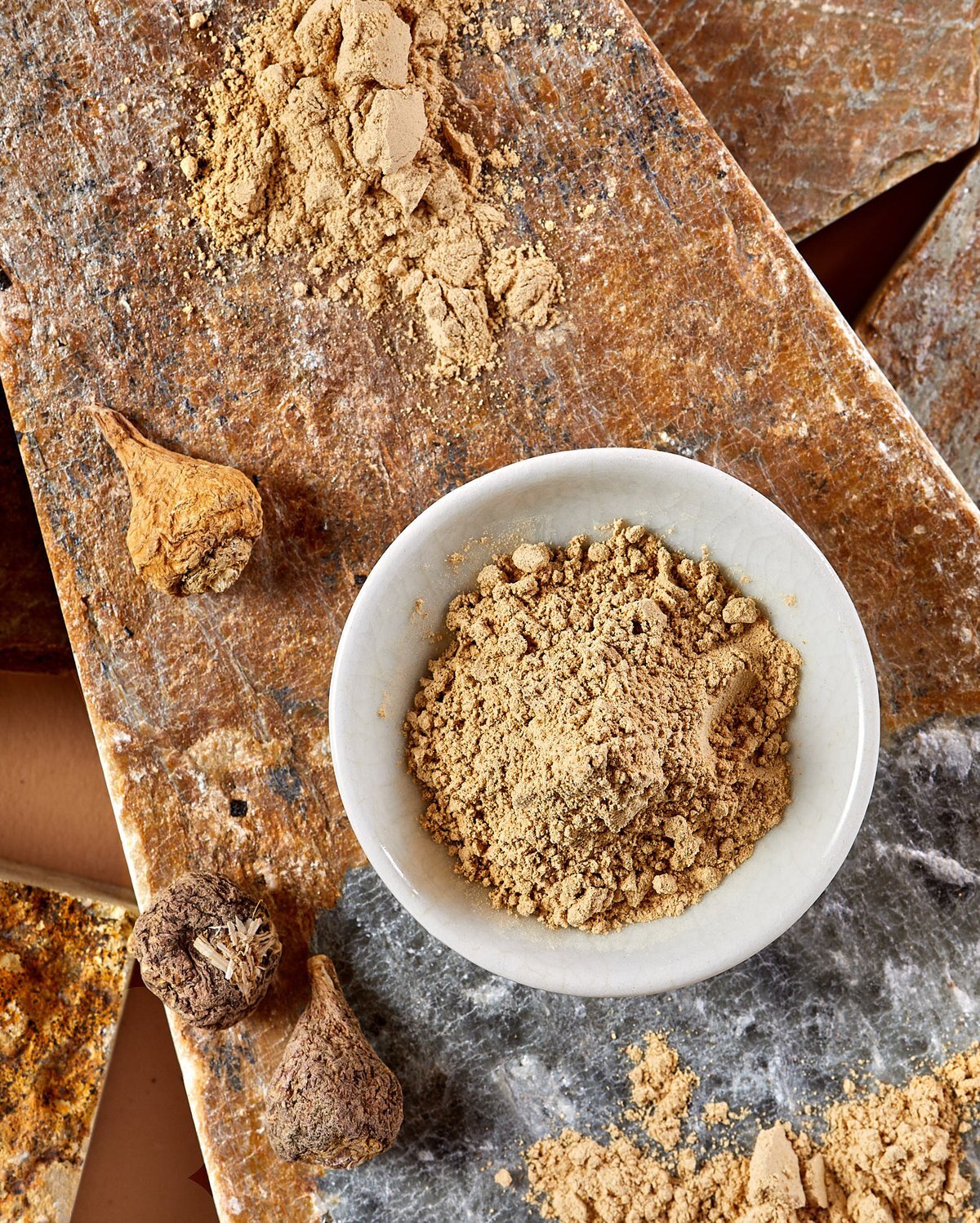
Maca powder is made from the dried root of the maca plant, traditionally grown in the high Andes of Peru. The root is harvested, dried, cleaned, milled, and prepared into a fine powder that can be added to food, drinks, capsules, extracts, or blends.
Maca is often called a “superfood,” but that term has become progressively more meaningless over the past 15 years. What we can say is that maca root is a traditional Peruvian root food with a strong history of use for nourishment, energy, stamina, and vitality.
Unlike isolated supplements that contain one active ingredient, maca is a whole food. It naturally contains carbohydrates, fiber, plant protein, minerals, amino acids, and unique plant compounds such as macamides and macaenes. These compounds are one reason maca is studied differently from many common roots and vegetables.
The key point: maca powder is not just “maca.” Its quality and usefulness depend on several factors, including where it is grown, how it is dried, how fresh it is, whether it is organic, how it is processed, and whether it has been properly tested.
Why Maca Powder Quality Matters
Not all maca powder is created equal.
Maca has become popular worldwide, and that popularity has brought a wide range of products into the market. Some are carefully sourced, fresh, organic, and properly tested. Others may be old, diluted, poorly labeled, weak in aroma, or unclear about origin and processing.
When choosing maca powder, quality matters for several reasons.
First, maca is an agricultural product. Soil, climate, harvest timing, drying, storage, and milling all affect the final powder.
Second, maca is usually taken consistently over time. If you are adding something to your daily routine, purity and testing matter.
Third, maca comes in a variety of different colors and preparation styles. A good supplier should make those differences clear instead of treating all maca as one generic product.
Fourth, freshness matters. High-quality maca should have a distinctive earthy, malty, slightly butterscotch-like aroma. If maca smells stale, flat, musty, or dusty, it won’t be at its best. How it’s processed and stored can make a big difference here.
The best maca powder should feel like a real food, not a mystery supplement.
What to Look for in the Best Maca Powder
When comparing maca powders, look for the following quality markers.
1. Organic Peruvian Origin
Authentic maca is traditionally grown in the high Andes of Peru. The best maca powder should clearly state its Peruvian origin and, ideally, be certified organic.
Organic certification matters because maca is a root crop. Since roots grow directly in the soil, clean growing practices are especially important.
A vague label that simply says “maca powder” is not enough. Look for details such as:
- Organic certification
- Country of origin
- Root color
- Raw or gelatinized preparation
- Testing and safety documentation
- Ingredient purity
A good maca label should answer basic questions before you have to ask.
2. Clear Color Labeling
Maca roots naturally grow in different colors, most commonly yellow, red, and black. These colors are not just cosmetic. They represent different root types, and many customers choose them for different reasons.
A quality maca powder should tell you whether it is:
If the label does not identify the color, it may be a general mixed maca or a lower-transparency product.
3. Raw or Gelatinized Preparation
The label should also tell you whether the maca powder is raw or gelatinized.
Raw maca is low-temperature processed and keeps the root closer to its original powdered form. It tends to have a stronger flavor and is often preferred by people with strong digestion who want a more traditional whole-root experience.
Gelatinized maca is pre-cooked to render much of the starch content inactive. Despite the name, it contains no gelatin. It is still maca, but the preparation makes it smoother, more concentrated by weight, and often easier to digest.
Neither is automatically better. They are different preparation styles.
4. Safety Testing and COAs
A Certificate of Analysis, or COA, is an important trust marker. It shows that a specific batch has been tested for identity, purity, safety, and compliance.
For maca powder, testing may include:
- Heavy metals
- Microbial safety
- Pesticides
- Moisture
- Identity verification
- Stability and quality markers
This is especially important because maca is grown in soil and sold as a daily-use food or supplement. Transparent testing helps separate serious maca companies from generic supplement resellers.
5. Freshness and Small-Batch Handling
Freshness is often overlooked, but it makes a real difference with maca.
Fresh maca powder should have a strong natural aroma and a rich taste. Depending on the color and preparation, it may taste earthy, nutty, malty, slightly sweet, or mildly bitter. It should not taste stale or lifeless.
Small-batch milling and proper packaging help preserve freshness, especially when the maca is stored in opaque, sealed packaging away from light and moisture.
6. No Fillers or Unnecessary Additives
Pure maca powder should contain one ingredient: maca root.
If you are buying a blend, the other ingredients should be clearly listed and purposeful. But if you are buying standard maca powder, avoid products with unnecessary fillers, sugars, artificial flavors, or vague “proprietary blends.”
Simple is usually better.
Which Color Maca Powder Is Best?

Maca color is one of the most common points of confusion. The best color depends on your goals and your body.
Yellow Maca Powder
Yellow maca is the most common maca color and is often considered the best starting point for beginners. It has a balanced profile and is traditionally used for general energy, mood, stamina, and daily wellness.
Yellow maca is a good choice if you want a simple, everyday maca powder and do not have a highly specific goal.
Best for:
- Beginners
- General daily use
- Balanced support
- Smoothies and drinks
- People who want a simple starting point
Red Maca Powder
Red maca has become especially popular among women, although men can use it as well.
Many customers also prefer red maca for its slightly sweeter, softer flavor compared with black maca.
Black Maca Powder
Black maca is often considered the strongest and most stimulating color. It is especially popular with men and active people, but it can be used by anyone who responds well to it.
Tri-Color Maca Powder
Tri-color maca combines yellow, red, and black maca roots. This makes it one of the best all-around choices for people who want the benefits of all three colors in one product.
Tri-color maca is often the easiest recommendation when someone asks, “Which maca should I start with?” It offers broad support without requiring you to choose one color right away.
Raw vs. Gelatinized Maca Powder: Which Is Better?
Raw maca and gelatinized maca powder both come from whole maca roots. The difference is preparation. You can also review our full guide to raw vs. gelatinized maca.
Raw Maca Powder
Raw maca powder is dried and milled at lower temperatures. It keeps the maca root closer to its natural powdered form and contains its original starch content.
Raw maca may be the best choice if you:
- Have strong digestion
- Want the most traditional whole-root powder
- Prefer a fuller natural profile
- Like using maca in smoothies, oatmeal, or recipes
- Want a stronger taste and aroma
Some people feel that raw maca gives them a stronger experience. Others find it too heavy on the stomach.
Gelatinized Maca Powder
Gelatinized maca powder is pre-cooked to render much of the starch content inert. This makes it smoother, more concentrated by weight, and often easier to digest.
Gelatinized maca may be the best choice if you:
- Are new to maca
- Have sensitive digestion
- Experienced bloating with raw maca
- Want a smoother taste
- Mix maca into drinks often
- Prefer a more convenient daily powder
Gelatinized maca is not less authentic. In Peru, maca has traditionally often been cooked before being eaten. So gelatinized maca can actually be a practical modern version of a traditional preparation method.
Simple rule:
Choose raw maca if you want the fullest whole-root powder and digest it well.
Choose gelatinized maca if you want a smoother, easier-to-digest option.
Sundried vs. Premium Maca Powder
At The Maca Team, maca is also available in different drying styles, including sundried and premium.
Sundried maca is dried in the traditional high-mountain sun after harvest. This is the classic method and has a long history in Peru.
Premium maca is dried with a low-temperature dehydration process designed to preserve freshness and reduce some of the variability that can come with outdoor drying.
Neither one is automatically better for everyone.
Sundried maca may appeal to people who want the most traditional preparation. Premium maca may appeal to people who want a cleaner, more controlled drying style and a stronger flavor profile.
The best choice depends on your preference.
Best Maca Powder by Goal
Here is a simple way to choose maca powder based on your routine.
Best Maca Powder for Beginners
Best choice: Tri-color maca or yellow maca.
If you are new to maca, start simple. Tri-color maca gives you a balanced blend of all three root colors. Yellow maca is also a gentle, classic starting point. You can read more in our guide to the best maca for beginners.
Start with a small amount, such as 1/2 teaspoon per day, and increase gradually.
Best Maca Powder for Energy
Best choice: Black maca, yellow maca, or tri-color maca.
Maca is not a stimulant like caffeine. It does not force energy in the same way coffee does. Instead, many people use maca as part of a daily routine for steady vitality and resilience.
For active energy, black maca is often the strongest choice. For balanced daily energy, yellow or tri-color maca may be better.
Best Maca Powder for Women
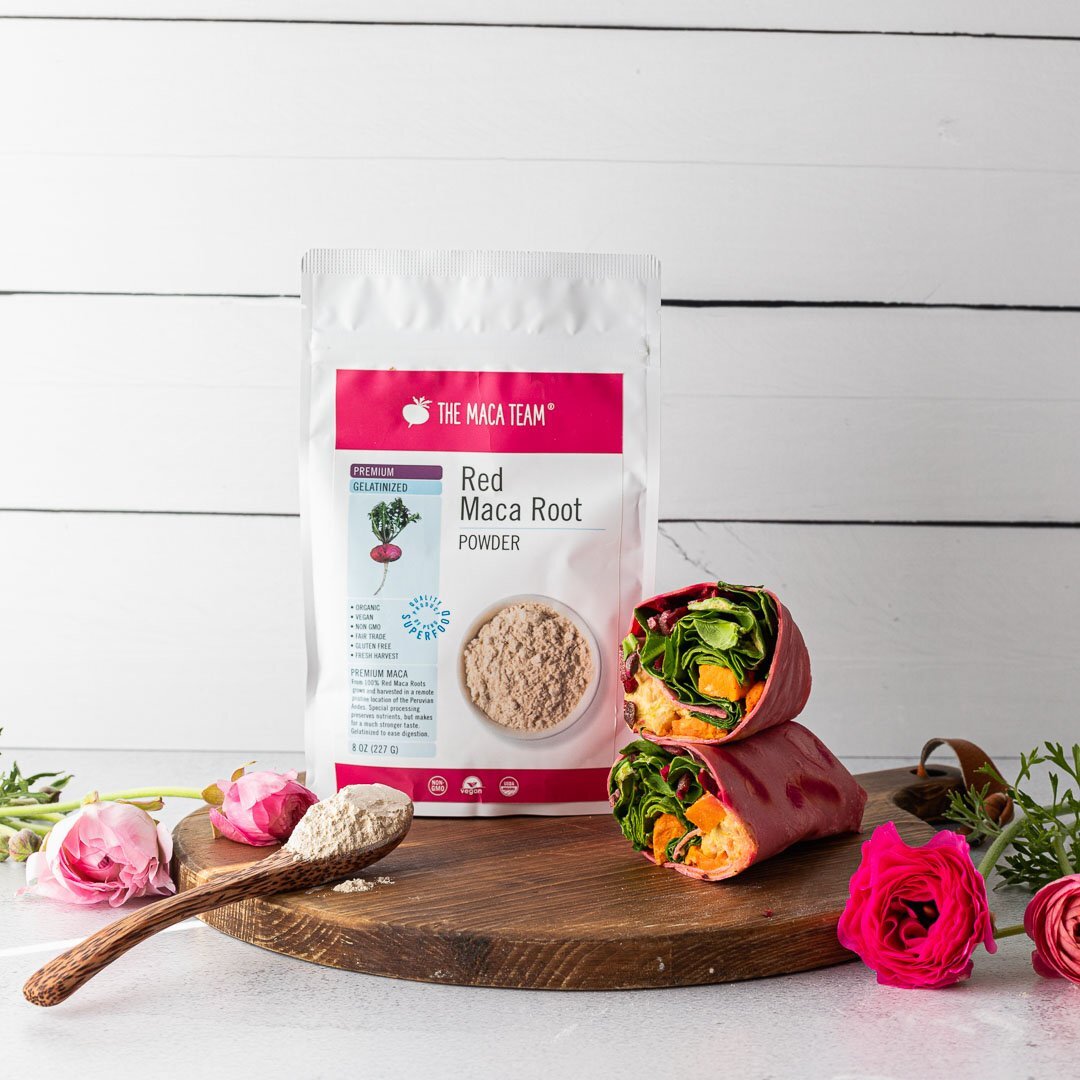
Best choice: Red maca, yellow maca, or tri-color maca.
Women often choose red maca for overall support. Yellow maca can be a good everyday option, while tri-color maca works well for broad support. You can also review our guide to the best maca for women.
The best choice depends on the person’s age, sensitivity, and goals.
Best Maca Powder for Men
Best choice: Black maca or tri-color maca.
Black maca is often chosen by active men. Tri-color maca is a good option for men who want broader daily support without choosing only black maca. You can also review our guide to the best maca for men.
Best Maca Powder for Sensitive Digestion
Best choice: Gelatinized maca.
If raw maca feels heavy, causes bloating, or creates digestive discomfort, gelatinized maca is usually the better place to start. It has much of the starch removed and tends to mix more smoothly into drinks.
For sensitive people, the best strategy is to start low and go slowly. You can read more in our guide to the best maca for sensitive digestion.
Best Maca Powder for Smoothies
Best choice: Raw or gelatinized maca powder.
All maca powder works well in smoothies because the earthy flavor blends with bananas, cacao, nut butter, berries, oats, or plant milk.
Raw maca gives a stronger, more earthy taste. Gelatinized maca gives a smoother, milder taste.
Best Maca Powder for Coffee
Best choice: Gelatinized maca or a maca coffee blend.
Maca pairs well with coffee because of its malty, earthy flavor. Gelatinized maca usually mixes more easily and may be gentler for morning use.
A small amount is enough. Too much maca in coffee can overpower the flavor.
How Much Maca Powder Should You Take?
A common daily serving of maca powder is 1 to 3 teaspoons per day. You can review our complete maca dosage guide for more detail.
If you are new to maca, start with less. A good beginner amount is 1/2 teaspoon per day for several days. Then increase gradually if your body responds well.
Many people do best with maca when they take it consistently rather than taking a large amount all at once.
A simple approach:
- Start with 1/2 teaspoon daily
- Increase to 1 teaspoon daily
- Work up to 2–3 teaspoons daily if desired
- Reduce the amount if you feel overstimulated or uncomfortable
More is not always better. The best amount is the amount your body responds to well.
When Is the Best Time to Take Maca Powder?
Most people take maca in the morning or early afternoon.
Because maca can feel energizing for some people, it is usually best not to take it late at night, especially when you are first starting.
Good times to take maca include:
- In a morning smoothie
- Mixed into coffee or a latte
- Added to oatmeal
- Blended into a protein shake
- Taken before exercise
- Added to yogurt or breakfast bowls
The most important factor is consistency. Maca tends to work best as part of a daily routine.
How to Use Maca Powder
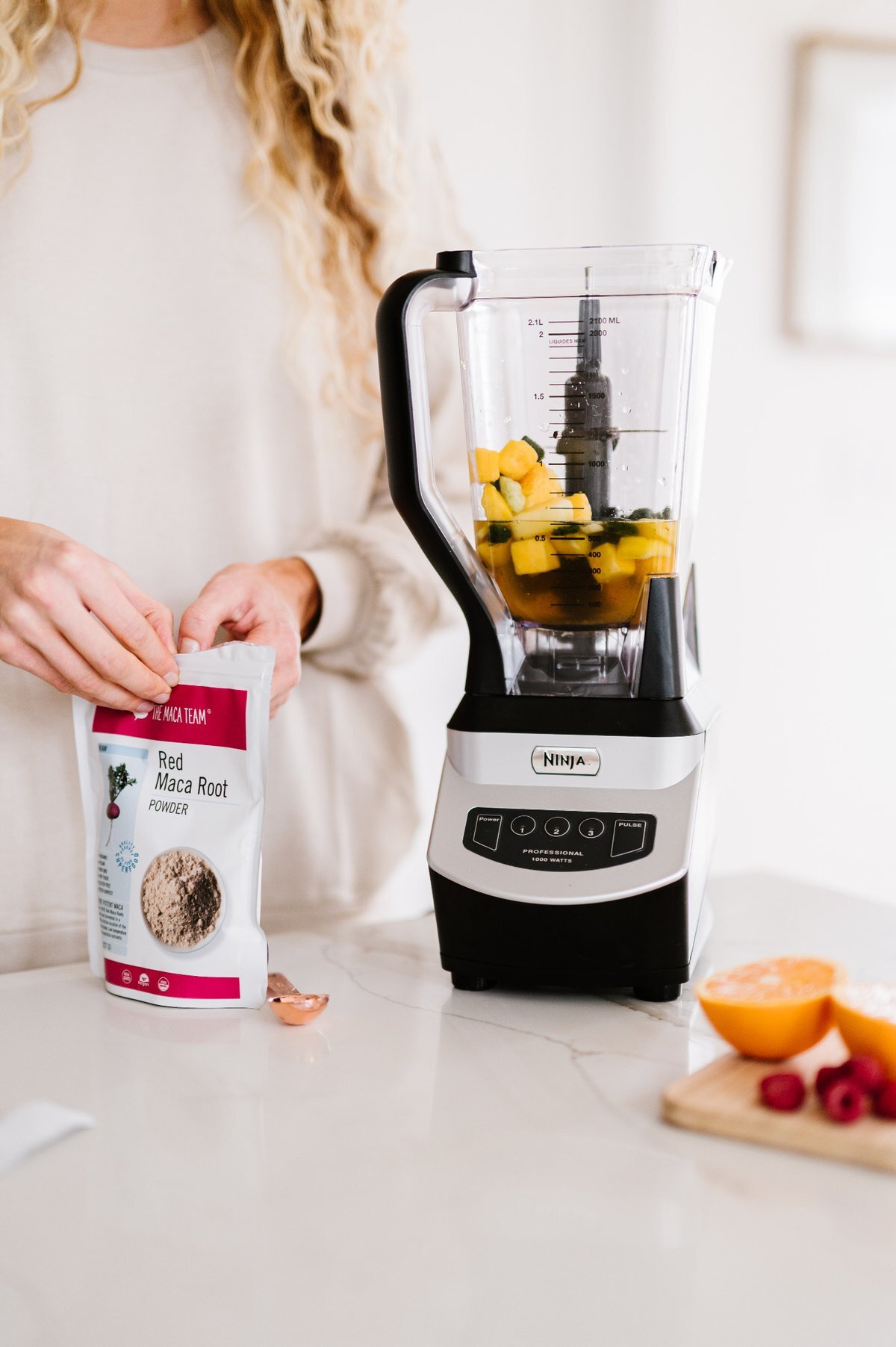
Maca powder is flexible. You can use it in simple drinks or more creative recipes. For more ideas, see our guide on how to use maca.
Common ways to use maca powder:
- Blend into smoothies
- Stir into coffee or lattes
- Mix into warm plant milk
- Add to oatmeal
- Stir into yogurt
- Blend into protein shakes
- Add to energy balls
- Use in raw desserts
- Mix into pancake or muffin batter
Avoid boiling maca for long periods unless you are intentionally cooking with it. Gentle heat is fine, especially with gelatinized maca, but extended high heat may change flavor and texture.
What Does Good Maca Powder Taste Like?
Good maca powder has a distinctive flavor. It is earthy, nutty, malty, and slightly sweet. Some people notice a butterscotch-like note. Others describe it as roasted, mineral-rich, or root-like.
Color and preparation affect taste.
- Yellow maca is usually mild and balanced
- Red maca is often slightly sweeter and softer
- Black maca is stronger and earthier
- Raw maca is more intense
- Gelatinized maca is smoother and more mellow
- All premium maca products are spicier/stronger in flavor
If maca tastes stale, dusty, sour, or musty, that may be a sign of poor freshness or storage.
Is Maca Powder Safe?
Maca is generally well tolerated by many people when used as a food or supplement. However, everyone is different.
You should speak with a qualified healthcare professional before using maca if you are pregnant, breastfeeding, taking medication, managing a medical condition, or have specific health concerns.
Maca is not a medication and should not be used as a replacement for medical care.
For most healthy adults, the safest way to start is with a small amount and increase gradually.
Common Mistakes When Buying Maca Powder
1. Buying the Cheapest Maca
Cheap maca may look appealing, but low price can come at a cost. Poor sourcing, old inventory, unclear origin, weak aroma, or lack of testing can all affect quality.
Maca is a root crop grown in a specific region. It should not be treated like a generic bulk powder.
2. Ignoring the Color
If a product does not say whether it is yellow, red, black, or tri-color maca, you do not really know what you are buying.
Color matters for both tradition and customer experience.
3. Choosing Raw Maca When Digestion Is Sensitive
Raw maca works well for many people, but it can feel heavy for others. If you have a sensitive stomach, gelatinized maca may be a better starting point.
4. Expecting Immediate Results
Maca is not a quick-fix product. Some people notice changes quickly, while others need several weeks of consistent use.
It is best understood as a daily food-based routine, not a stimulant or instant solution.
5. Not Checking Testing
If you are taking maca regularly, testing matters. Look for companies that provide safety information and batch-level transparency.
Why Buy Maca Powder from a Maca-Focused Company?
Many supplement companies sell maca as one product among hundreds. That does not automatically mean the product is poor, but it may mean maca is not their area of focus.
A maca-focused company should understand:
- Root color differences
- Raw vs. gelatinized preparation
- Sundried vs. premium drying
- Freshness and storage
- Traditional use
- Customer goals
- Digestion issues
- Proper testing
- How to help people choose the right product
At The Maca Team, maca is not an add-on product. It is our specialty. We focus on organic Peruvian maca, careful sourcing, fair trade relationships, small-batch handling, product education, and safety testing.
That matters because the best maca powder is not only about what is in the bag. It is also about the knowledge and care behind it.
Best Overall Maca Powder Recommendation
For most people, the best place to start is organic tri-color maca powder.
Tri-color maca includes yellow, red, and black maca roots, giving a broad and balanced profile. It works well for daily wellness, energy routines, couples, beginners, and anyone who wants one maca powder without choosing a single color.
If digestion is sensitive, choose gelatinized tri-color maca.
If you want a stronger, more targeted experience, consider black maca or red maca depending on your goals.
If you want the most traditional whole-root powder and digest maca well, choose raw maca.
The best maca powder is the one that is clean, fresh, tested, properly sourced, and easy for you to use consistently.
Final Thoughts: The Best Maca Powder Is the One That Fits
Maca is simple in one sense. It is a traditional root food from Peru, dried and prepared into powder.
But choosing the right maca powder can take a little care.
The best maca powder should be organic, Peruvian, clearly labeled, fresh, tested, and matched to your body. It should come from a company that understands maca deeply enough to explain the differences without exaggeration.
For beginners, tri-color maca is usually the easiest starting point. For sensitive digestion, gelatinized maca is often best. For targeted routines, black, red, or yellow maca may make more sense.
Start small. Use it consistently. Pay attention to how your body responds. And choose quality over hype.
That is the real foundation of finding the best maca powder.
FAQ: Best Maca Powder
What is the best maca powder to buy?
The best maca powder is certified organic Peruvian maca that is clearly labeled by color and preparation style, tested for safety, and fresh. For most people, organic tri-color maca is the best all-around starting point.
Which maca powder is best for beginners?
Tri-color maca or yellow maca is usually best for beginners. They offer balanced support and are easy to add to a daily routine.
Is black maca better than red maca?
Black maca is not automatically better than red maca. Black maca is often chosen by active people who want a stronger maca experience. Red maca is often chosen by people who prefer a slightly sweeter, softer flavor. The best choice depends on your goals.
Is gelatinized maca better than raw maca?
Gelatinized maca is often better for sensitive digestion because much of the starch has been removed. Raw maca may be preferred by people who want a stronger, more traditional whole-root powder and digest it well.
What is the best maca powder for women?
Many women choose red maca, yellow maca, or tri-color maca. Red maca is especially popular for daily wellness routines, while tri-color maca is a good balanced option.
What is the best maca powder for men?
Many men choose black maca or tri-color maca. Black maca is often used by men who focus on stamina and exercise.
Can I take maca powder every day?
Many people take maca powder daily. Start with a small amount and increase gradually. If you have a medical condition, are pregnant or breastfeeding, or take medication, speak with a healthcare professional first.
How long does maca powder take to work?
Some people notice maca quickly, while others need several weeks of consistent use. Maca is best approached as a daily food-based routine rather than a quick-fix supplement.
What does maca powder taste like?
Maca powder tastes earthy, nutty, malty, and slightly sweet. Black maca is usually stronger, red maca is often softer, and gelatinized maca tends to taste smoother than raw maca.
How should I store maca powder?
Store maca powder in a cool, dry place away from light, heat, and moisture. Keep the package sealed tightly to preserve freshness.
Helpful Next Steps