

Maca and your thyroid - what you need to know
If you are thinking about adding maca root to your routine and you have thyroid questions, it makes sense to pause and look carefully at the bigger picture. Maca is a traditional Andean root food used by many adults as part of a general wellness routine, but thyroid health is a medical topic that deserves personalized guidance.
Maca is not a thyroid medication. It does not contain thyroid hormone, and it should not be used to manage, treat, or replace care for any thyroid condition. If you have a diagnosed thyroid condition, take thyroid medication, monitor iodine intake, or follow thyroid-related nutrition advice, speak with a qualified healthcare professional before using maca or any new supplement.
Why People Ask About Maca and Thyroid Health
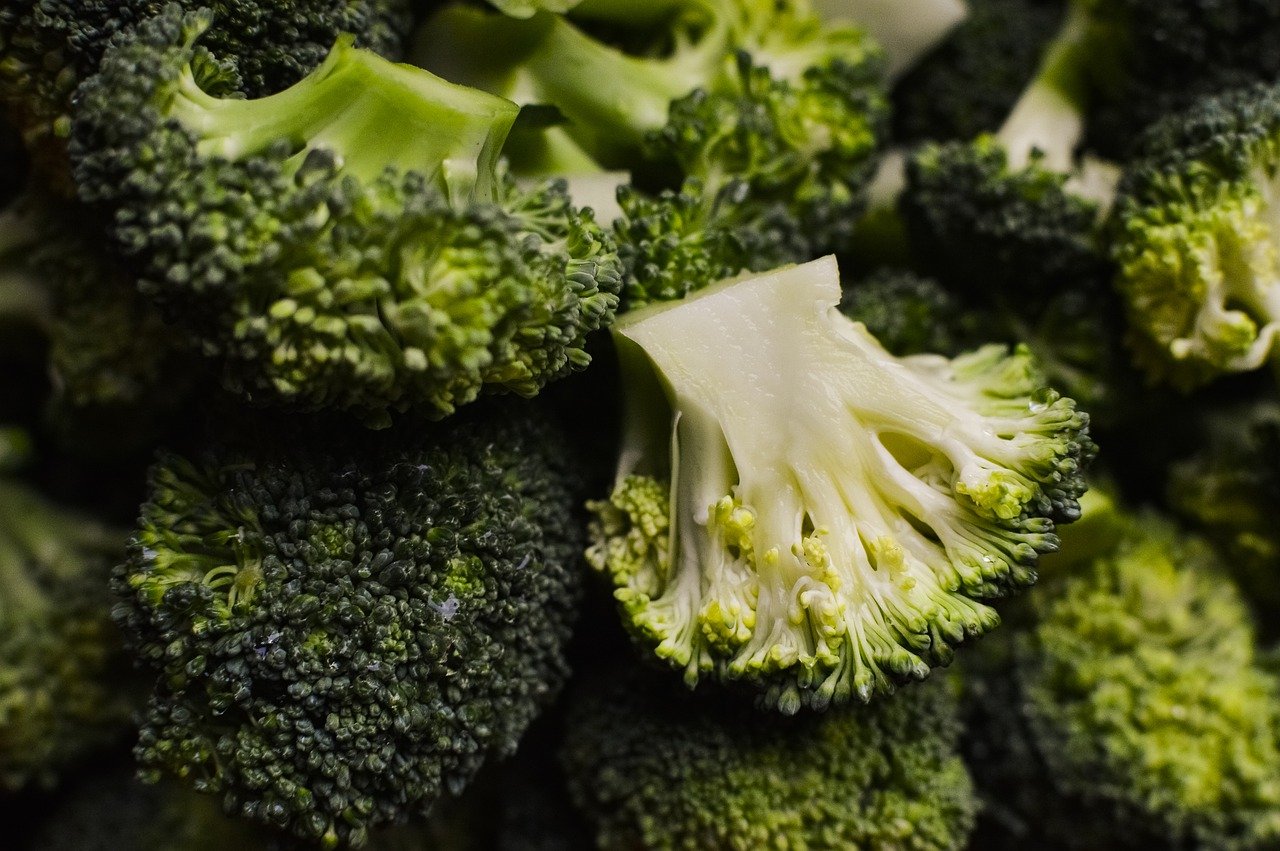
Maca is a cruciferous root vegetable. It belongs to the same broad plant family as foods like broccoli, cabbage, kale, mustard, Brussels sprouts, and turnips. Because cruciferous vegetables are sometimes discussed in relation to iodine and thyroid nutrition, people naturally ask whether maca is appropriate for them.
That is a reasonable question, but it should not be answered with a blanket claim. Some people can include cruciferous foods in their diet without concern. Others may have specific guidance from a doctor, endocrinologist, or registered dietitian based on their diagnosis, medication, lab work, diet, and overall health history.
If you have thyroid concerns, the best approach is to bring the maca product label, ingredient list, and serving size to your healthcare professional and ask whether it fits your personal nutrition plan.
What Is Maca?
Maca, also known as Lepidium meyenii, is a root traditionally grown in the high Andes of Peru. It is dried and used in powders, capsules, extracts, chips, and blends.
Maca naturally contains carbohydrates, fiber, minerals, amino acids, and plant compounds such as glucosinolates, macaenes, and macamides. These naturally occurring compounds are one reason maca continues to be studied for its nutritional profile and traditional use.
Research interest should not be interpreted to mean that maca treats, manages, or prevents thyroid conditions or any other medical condition. For most adults, maca is best understood as a traditional food-based supplement that may or may not be appropriate depending on the person.
For more background, you can read our guide to what maca is or visit our maca nutrition facts page.
Does Maca Contain Hormones?
No. Maca does not contain thyroid hormone, estrogen, progesterone, or testosterone. It is a root food, not a hormone and not a medication.
This distinction matters because maca is sometimes described online as “hormone-balancing.” That phrase can easily be misunderstood. Maca should not be presented as a way to balance the thyroid, change hormone levels, correct thyroid function, or replace medical care.
If you have questions about thyroid hormones, thyroid medication, lab results, iodine intake, or symptoms you are experiencing, those questions should be discussed with a qualified healthcare professional.
What About Iodine and Cruciferous Foods?
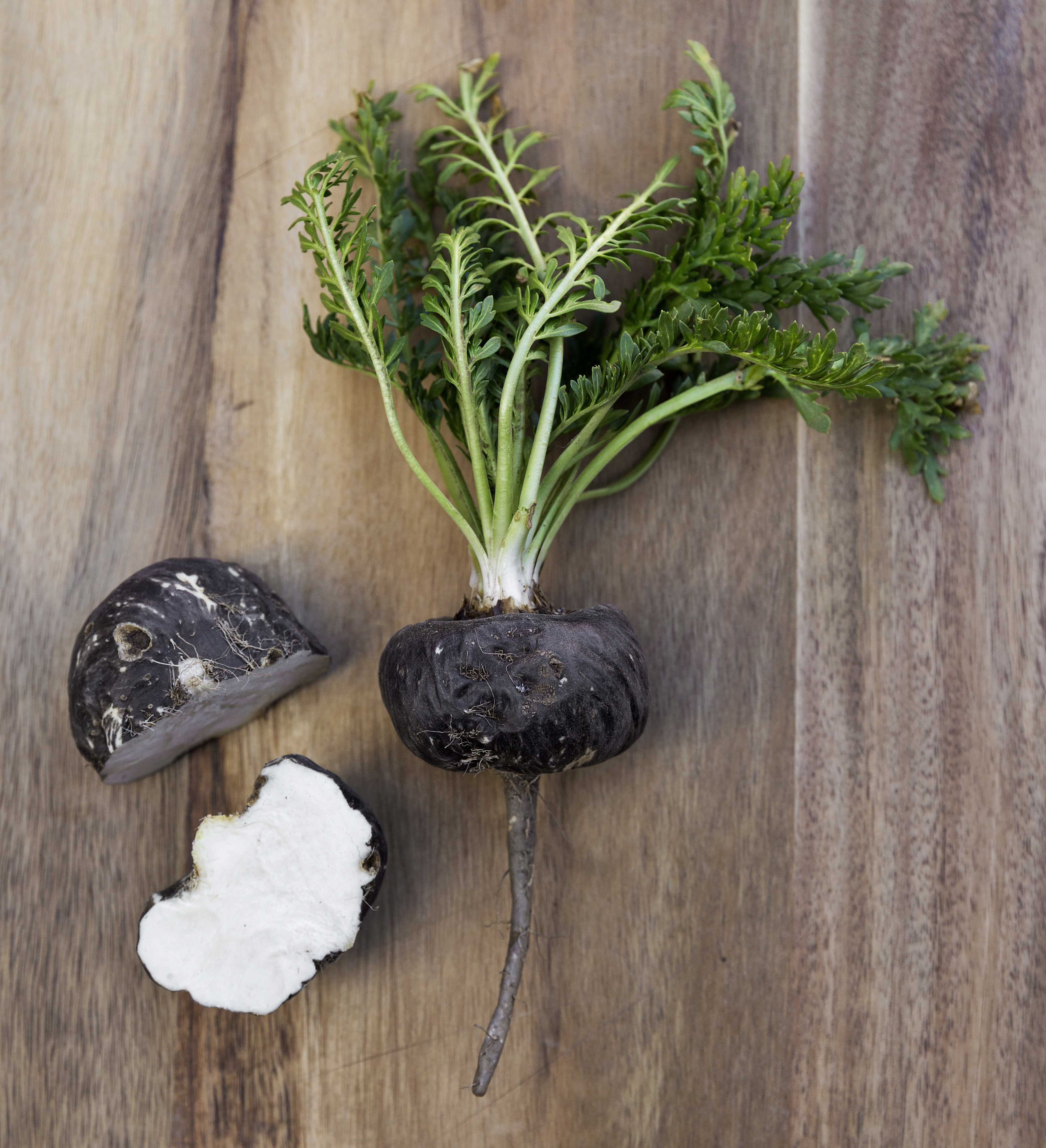
Iodine, cruciferous foods, and thyroid nutrition are individualized topics. Maca is a cruciferous root and naturally contains minerals and plant compounds, but that does not make it a thyroid-support product.
If your healthcare professional has advised you to monitor iodine intake, avoid certain cruciferous foods, adjust supplement use, or time foods around thyroid medication, ask them before adding maca. The answer may depend on your specific diagnosis, medication, serving size, overall diet, and lab monitoring.
Can Maca Help Your Thyroid?
Maca should not be used for that purpose. It is not intended to help, stimulate, suppress, balance, or regulate the thyroid.
Maca is sometimes called an adaptogenic plant. In general wellness language, adaptogens are plants traditionally used to support resilience and vitality as part of a balanced lifestyle. That does not mean maca treats thyroid conditions, changes thyroid hormone levels, or replaces medication.
The safest way to think about maca is as a traditional food-based supplement that can fit into some adult wellness routines, depending on the person.
Raw Maca vs. Gelatinized Maca
Some people prefer gelatinized maca because it has been heated to remove much of the starch, making it easier for some people to digest. Others prefer raw maca powder, capsules, extracts, or blends depending on taste, texture, and routine.
Gelatinized maca should not be viewed as a thyroid-specific product. It is simply a different maca format that some people prefer for digestion and ease of use.
Choosing a Maca Product
The Maca Team offers organic Peruvian maca in several formats:
- Maca powder for smoothies, oatmeal, coffee, recipes, and baked goods.
- Maca capsules for a convenient pre-measured serving.
- Maca extracts for people who prefer a concentrated liquid format.
- Gelatinized maca for people who prefer maca with much of the starch removed.
If you are new to maca and do not have specific medical concerns, yellow maca is often a practical starting point because it is common and versatile. You can also compare maca colors and formats in our Which Maca Is Best? guide.

When to Ask a Healthcare Professional First
You should speak with a qualified healthcare professional before using maca if you:
- Have a diagnosed thyroid condition
- Take thyroid medication
- Have been told to monitor iodine intake
- Have been advised to limit cruciferous vegetables
- Are pregnant, nursing, or trying to conceive
- Take medication or are preparing for surgery
- Follow a medically directed diet
- Have questions about thyroid labs, symptoms, or supplement interactions
This is especially important because medication timing, iodine intake, supplements, and dietary changes may matter for some people with thyroid concerns.
Bottom Line
Maca is a traditional Andean root food that many adults use as part of a general wellness routine. But it should not be presented as a thyroid treatment, hormone-balancing product, or substitute for medical care.
If you have thyroid concerns or take thyroid medication, ask your healthcare professional whether maca is appropriate for your personal situation. If maca is a fit for you, start with the suggested serving size and choose the format that best fits your routine.
FDA Disclaimer: These statements have not been evaluated by the Food and Drug Administration. This product is not intended to diagnose, treat, cure, or prevent any disease.
About The Maca Team
The Maca Team is a family-run company focused on high-quality Peruvian maca. Our products are organically grown, fairly traded, non-GMO, gluten-free, and carefully sourced from Peru.
If you have questions about our maca products, serving sizes, or formats, please contact us using our web form or call us toll-free at 888-919-8616.
Enjoy the day!
Recent Maca Posts
-

Maca Root: How (and Why) To Get Started
If you've been exploring new ways to support your wellness routine, chances are you've come across m …23rd Oct 2026 -

Getting Acquainted With Maca: Why It Can Be an Acquired Taste
There are some foods and flavors you try for the first time and immediately love. Others take a litt …11th Oct 2026 -

The Case for Keeping Maca in Your Pantry
Every kitchen has those ingredients that seem to find their way into everything. Maybe it's cinnamon …2nd Oct 2026