
Maca and Hormonal Balance
People have used maca root for centuries as a food associated with vitality, reproductive health, and overall hormonal wellness. Modern research has also explored how maca may interact with the endocrine system and support the body’s natural balance. In this article we take a closer look at how maca relates to hormone health and what the research and traditional use suggest.

- Overview – What Is Hormone Balance?
- Introduction to Maca Root
- Is Maca Good for Hormonal Balance?
- Three Ways Maca May Influence Hormones
- What Science Says About Maca
- Customer Experiences
- Which Maca Is Best?
- How to Use Maca
- Frequently Asked Questions
- Related Topics
- Final Words
What Is Hormone Balance?
Hormones are chemical messengers produced by glands in the endocrine system and released into the bloodstream. They help regulate a wide variety of functions in the body, including metabolism, mood, sleep cycles, reproductive health, and energy levels.
Temporary hormonal fluctuations are common. Many people experience shifts during life stages such as puberty, pregnancy, menopause, and aging. According to research, a large percentage of women experience noticeable hormonal changes during their lifetime, while hormonal shifts in men can also occur with age.
Introduction to Maca Root
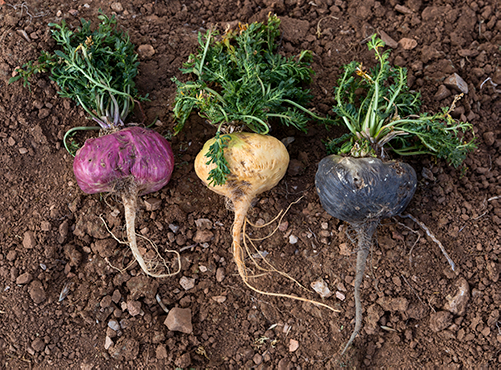
Maca root, sometimes called Peruvian ginseng or Lepidium meyenii, is a cruciferous plant that grows at extreme altitudes in the Andes Mountains. For thousands of years it has been consumed as a nutrient-dense food by people living in Peru.
Maca contains a range of vitamins, minerals, amino acids, and plant compounds. It is often described as an adaptogenic plant, meaning it is traditionally associated with supporting resilience and balance in the body. Maca also contains unique compounds known as macaenes and macamides, which researchers continue to study in relation to vitality and endocrine function.
Is Maca Good for Hormonal Balance?
It is important to understand that maca does not contain hormones and is not a replacement for hormone replacement therapy (HRT). However, maca contains nutrients and plant compounds that researchers believe may interact with the endocrine system.
Because maca has traditionally been used in relation to fertility, menopause, libido, and vitality, many people explore it as part of routines focused on supporting hormonal wellness and balance.
Three Ways Maca May Influence Hormones
- Maca as an Adaptogen: Adaptogenic plants are traditionally associated with helping the body respond to stress and maintain internal balance. Some research suggests maca may influence endocrine activity without introducing hormones directly.
- Macaenes and Macamides: These bioactive compounds are found almost exclusively in maca root and are often studied in connection with libido, reproductive wellness, and vitality.
- Interaction with the Endocrine System: Researchers have explored how plant sterols in maca may interact with endocrine glands including the adrenal glands, thyroid, ovaries, and testes. More research is needed to fully understand these mechanisms.
What Science Says About Maca
Although research on maca and hormones is still evolving, several studies have explored areas connected to hormonal wellness:
- Studies have examined maca’s effects on menopausal symptoms and overall well-being in perimenopausal and postmenopausal women.
- Clinical research has explored maca in relation to sexual desire and sexual wellness in both men and women.
- Research has also examined maca’s influence on sperm parameters including quantity and motility.
- Some studies have investigated maca’s relationship to symptoms associated with testosterone deficiency.
While these findings are promising, researchers generally agree that additional human studies are needed.
Customer Experiences
The following comments reflect individual customer experiences with maca as part of a wellness routine. Results may vary.
“I’ve struggled with hormonal issues most of my life. After stopping birth control I started taking maca and noticed my cycles became much more regular.” – Alex S.
“After taking maca for several weeks my monthly cycle became more predictable and I felt much better overall.” – Lea
“I began using red maca after having a baby and noticed improvements in my energy and overall balance.” – Kersti J.
“I’ve dealt with hormone imbalance for years and maca has become an important part of my daily routine.” – Cate
Read more customer experiences with maca…
Which Maca Is Best for Hormonal Balance?
- Gelatinized Tri-Color Maca – A blend of red, black, and yellow maca traditionally consumed together.
- Red Maca – Often chosen by women interested in hormonal wellness and menopause support.
- Black Maca – Commonly selected by men interested in vitality, stamina, and reproductive wellness.

How to Use Maca
Maca is best understood as a food rather than a medication. For most people it works best when used consistently as part of a balanced diet and healthy lifestyle.
Many people take between 3–9 grams of maca daily, often mixed into smoothies or taken in capsule form. For more detailed information see our Maca FAQs or visit our maca dosage guide.
Natural Approaches to Hormone Balance
Hormonal wellness is influenced by many different lifestyle factors. Diet, sleep, stress levels, physical activity, and nutrient intake all play important roles in supporting a healthy endocrine system.
Many people exploring hormone balance begin by focusing on several foundational areas:
- Nutrition: Consuming nutrient-dense whole foods that provide vitamins, minerals, and essential fatty acids can support overall endocrine health.
- Stress management: Chronic stress can influence cortisol and other hormones. Practices such as exercise, meditation, and sleep hygiene can help maintain balance.
- Physical activity: Regular exercise supports metabolism, insulin sensitivity, and overall hormonal regulation.
- Healthy body composition: Maintaining a healthy weight can support balanced hormone signaling.
- Nutrient-rich foods: Foods traditionally associated with vitality — such as maca root — are sometimes included in wellness routines focused on endocrine support.
Because hormone balance involves multiple body systems, most experts recommend a comprehensive lifestyle approach rather than relying on a single food or supplement.
Frequently Asked Questions
Can maca balance hormones?
Maca does not contain hormones, but research suggests it may interact with the endocrine system and support hormonal wellness.
Is maca good for menopause symptoms?
Some studies have explored maca in relation to menopausal symptoms and overall well-being.
Does maca increase testosterone or estrogen?
Most studies suggest maca does not directly increase hormone levels but may influence the endocrine system in other ways.
Which maca is best for hormone balance?
Many people prefer tri-color maca for overall balance, though red and black maca are also commonly used depending on individual goals.
Related Topics
- Maca and Reproductive Health
- Maca and Menopause Support
- Maca and Male Vitality
- Maca and Mood Balance
- Maca and Hair Health
- Overview of Maca Benefits
Final Words
Maca root should not be considered a replacement for medical treatment, but many people find it a valuable addition to routines focused on hormonal wellness and vitality. Its nutritional value, traditional use, and growing body of research make it one of the most widely discussed foods in the area of endocrine health.
If you are considering significant dietary changes or have concerns about hormone health, consult a qualified healthcare professional.
Enjoy the Day!