
What Are Contraindications for Taking Maca Root?
Contraindications for Taking Maca Root
Updated on
Reviewed by TMT editorial board

As maca root has gained in popularity over the past decade, more and more people have learned about this traditional Peruvian root food. Maca is commonly used as part of a balanced diet and daily wellness routine, and many people are now trying it for the first time.
With many more people new to maca than in the past, we’ve started receiving quite a few questions like these:
- Who should avoid taking maca?
- What are the contraindications for taking maca root?
- Is maca suitable for everyone?
These are all important questions and deserve a thoughtful answer.
In this article, we’ll do our best to provide answers based on the research we are aware of, as well as over 20 years of experience sourcing and selling high-quality maca products.
Simple answer:
Maca is a traditional food, not a drug or medicine, so the word “contraindication” does not apply in exactly the same way it does for pharmaceuticals.
Even so, some people should use extra caution before taking maca, including people who are pregnant or nursing, taking medication, managing a medical condition, have thyroid concerns, have hormone-sensitive health concerns, or are unsure whether maca is appropriate for them.
What Is a Contraindication? And Why the Term Doesn’t Exactly Fit for Maca Root
The generally accepted definition of “contraindication” is a specific situation in which a drug, procedure, or surgery should not be used because it may be harmful to the person.
In practice, doctors often divide contraindications into two types:
- Relative contraindications — these are cases when caution should be used when taking a drug, but it may still be appropriate if the benefits outweigh the risks. An example is someone taking blood-thinning medication who is considering another product or medication that could affect bleeding risk.
- Absolute contraindications — these are cases when a procedure or drug could be dangerous for an individual and should be avoided. For example, pregnant women are advised to avoid certain medicines that may be unsafe during pregnancy.
When it comes to maca root, this definition does not fit perfectly because maca is not a drug or a medicine. Maca root is a traditional vegetable that is consumed as a food or dietary supplement.
Technically speaking, that means the word contraindication is not quite the right term for maca. It is also worth noting that maca has a long history of traditional use as a food in Peru.
At the same time, maca root is a nutrient-dense food with some unique properties compared with many everyday foods. Because of that, there are situations where certain people should be extra careful before adding maca to their routine.
When It Is Best to Use Caution With Maca Root
In all of the cases below, it is advisable to consult with a trusted medical professional before adding maca to your diet.
- If you are pregnant or breastfeeding, use caution before starting maca. Maca has a long history of traditional food use in Peru, but pregnancy and nursing are times when it is best to be especially careful with any supplement or concentrated food powder. Please work with a qualified medical professional before adding maca during these important developmental times.
- If you have hormone-sensitive health concerns, use extra caution. If you have a hormone-sensitive condition or have been advised to avoid supplements that may affect hormone-related pathways, speak with your doctor before using maca. Maca is often discussed in relation to hormones, so professional guidance is important in these situations.
- If you take blood-thinning medication or medication for high blood pressure, check with your doctor first. If you are taking medication that affects blood clotting, circulation, or blood pressure, it is best to ask a competent medical professional before adding maca. Your doctor can help you decide whether maca is appropriate and whether anything should be monitored.
- If you have thyroid concerns, consult with your doctor before taking maca root. Maca is a cruciferous root food and naturally contains minerals, including small amounts of iodine. Depending on your individual thyroid condition, medication, and diet, professional guidance may be helpful before adding maca regularly.
- If you are taking medication or managing a medical condition, ask first. This is the safest general rule. If you are under medical care, taking prescription medication, preparing for surgery, or unsure whether maca is a good fit, ask your health care professional before starting.
Who Should Ask a Professional Before Taking Maca?
To keep things simple, we recommend checking with a qualified health care professional first if you:
- Are pregnant or nursing
- Are trying to become pregnant and are under medical care
- Take prescription medication
- Take blood-thinning medication
- Take medication for blood pressure
- Have thyroid concerns
- Have hormone-sensitive health concerns
- Are managing a medical condition
- Have been advised to avoid certain supplements or concentrated food powders
- Are unsure whether maca is appropriate for you
This does not mean maca is automatically inappropriate in all of these cases. It simply means that individual medical guidance is the best approach.
Final Words on Contraindications for Taking Maca
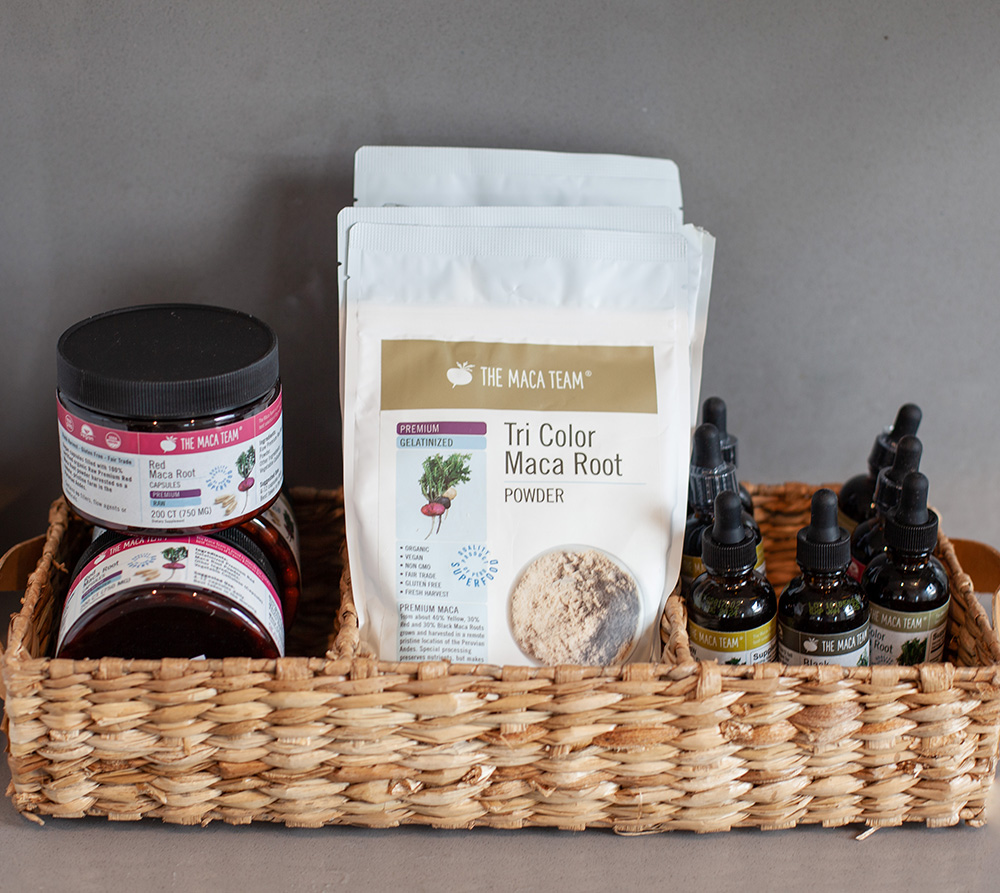
In conclusion, maca is a traditional food and dietary supplement, but it may not be suitable for everyone.
Individuals who should use extra care before taking maca include pregnant and breastfeeding women, people with hormone-sensitive health concerns, people taking blood-thinning medication, people taking medication for high blood pressure, people with thyroid concerns, and anyone managing a medical condition.
Keep in mind that this article is not meant to give or replace medical advice. If you have any doubts about adding maca root products to your diet, please consult with a competent and knowledgeable medical professional for specific recommendations. He or she can help determine if maca is appropriate for you and, if so, how much to start taking.
Finally, if you do decide to add maca to your diet, make sure that you purchase a high-quality Peruvian-grown product that has been tested for heavy metals and other types of contamination.
We hope this article has helped answer your questions. If there is anything else we can do to support you, please let us know.
Enjoy the day!
Helpful Next Steps