
Can I Use Maca Root With Antidepressants
```html
Can I Take Maca With Antidepressants?
Updated on
Reviewed by TMT editorial board
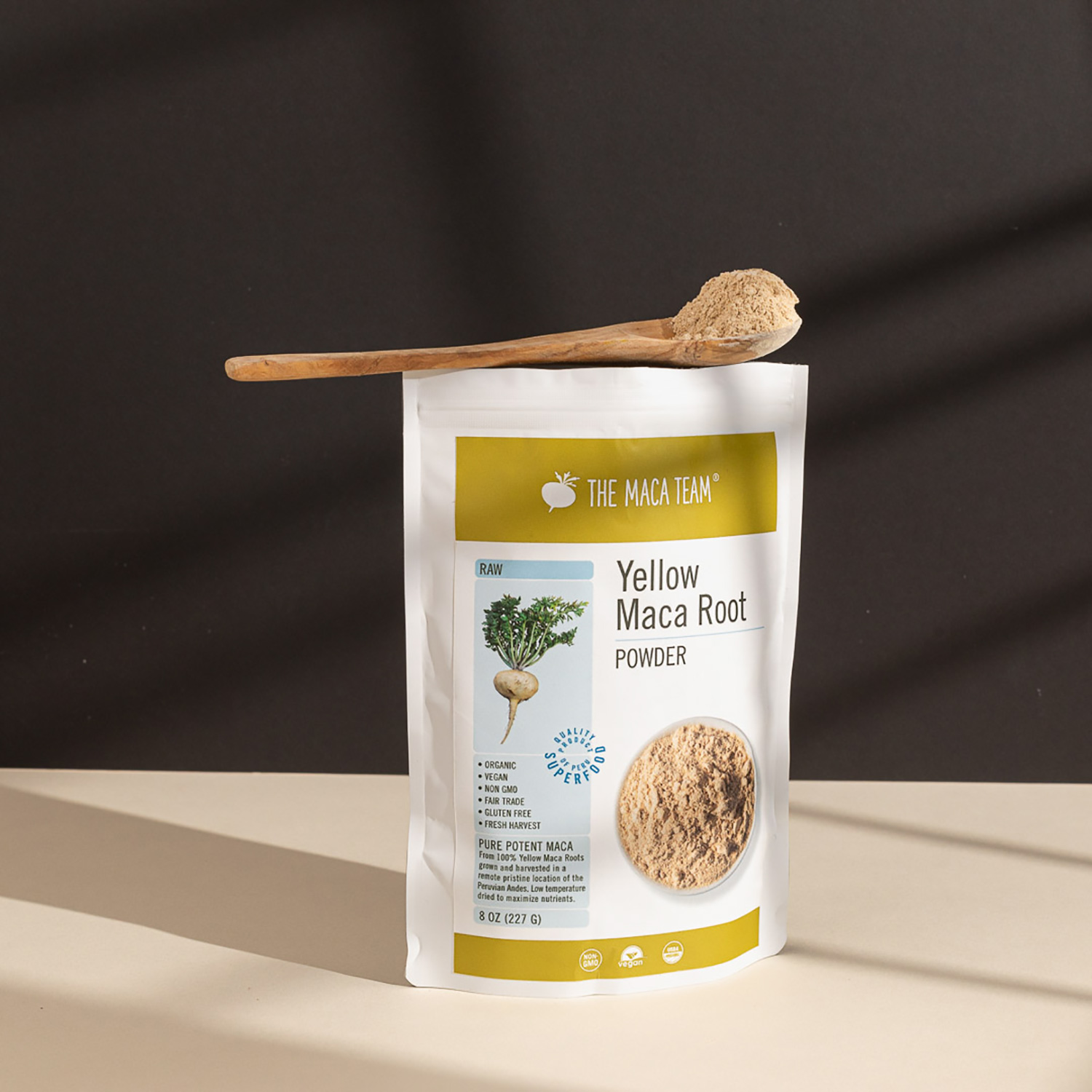
Many people who are interested in maca are also taking prescription medications or working with a healthcare professional on their overall wellness. One question we receive from time to time is:
Can I take maca with antidepressants?
This is an important question. If you are taking antidepressants, SSRIs, SNRIs, tricyclic antidepressants, MAOIs, mood-related medications, or any other prescription medication, it is best to speak with your doctor, pharmacist, or qualified healthcare professional before adding maca or any other dietary supplement to your routine.
Maca is a traditional Peruvian root food, not a medication. Still, when someone is taking a prescription medication, it is always wise to be cautious about adding new supplements, concentrated food powders, extracts, or herbal products.
In this article, we’ll explore the topic in a practical way so you and your trusted healthcare professional can make an informed decision.
Simple answer:
If you take antidepressants, ask a qualified healthcare professional before using maca regularly.
Maca is a traditional food, but antidepressants can be sensitive medications. Your doctor or pharmacist can help you decide whether maca is appropriate for your individual situation.
What Are Antidepressants?
Antidepressants are prescription medications commonly used by healthcare professionals for depression and related conditions. They may affect neurotransmitters in the brain, such as serotonin, norepinephrine, or dopamine, depending on the medication class.
Different types of antidepressants include selective serotonin reuptake inhibitors (SSRIs), serotonin-norepinephrine reuptake inhibitors (SNRIs), tricyclic antidepressants (TCAs), monoamine oxidase inhibitors (MAOIs), and other medications prescribed for mood-related concerns.
Because these medications can have important effects and may interact with other substances, it is best not to add supplements or concentrated food powders without professional guidance.
What Is Maca Root?
Maca root, scientifically known as Lepidium meyenii, is a cruciferous root vegetable native to the Andes Mountains of Peru. It has been used traditionally as a food and is now sold in several forms, including powders, capsules, extracts, chips, and blends.
Maca contains carbohydrates, fiber, amino acids, minerals, and naturally occurring plant compounds. Many people use maca as part of a general food routine, often mixed into smoothies, oatmeal, warm drinks, coffee-style drinks, or taken in capsules.
Maca should not be treated as a replacement for medication, therapy, or medical care. If you are taking antidepressants, the safest approach is to discuss maca with your healthcare professional before adding it.
Are There Contraindications for Taking Maca Root?
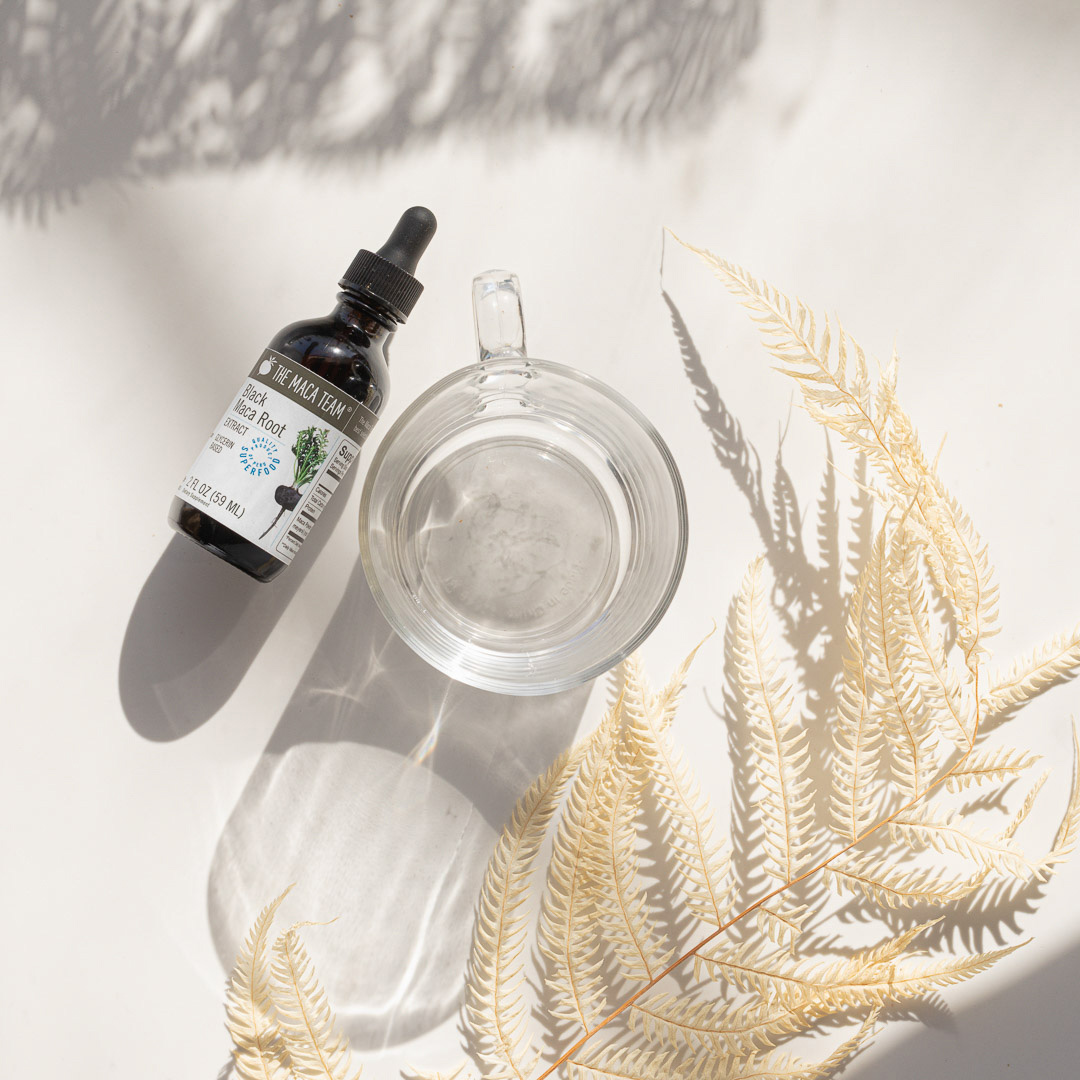
The word “contraindication” is usually used for drugs, procedures, or medical treatments. Maca is not a drug or medicine, so the term does not apply in exactly the same way.
That said, there are situations where extra caution is appropriate. If you are taking prescription medication, managing a medical condition, pregnant or nursing, have hormone-sensitive health concerns, have thyroid concerns, or are unsure whether maca is appropriate for you, please consult a qualified healthcare professional first.
People taking blood pressure medications, blood-thinning medications, antidepressants, or other medications should be especially thoughtful before adding any new supplement or concentrated food powder.
You can read more in our full article: Contraindications for Taking Maca Root.
Potential Interactions With Antidepressants
There is not enough reliable information to say that maca is always appropriate for people taking antidepressants. There is also not enough information to say that maca has no interaction risk for every person or every medication.
That is why the safest answer is simple: ask your healthcare professional before combining maca with antidepressants.
Your doctor or pharmacist can consider your specific medication, dose, diagnosis, health history, and any other supplements or medications you are taking. This is especially important if you take more than one medication or if your medication plan has changed recently.
If your healthcare professional says maca is acceptable for you, it is still wise to start with a small serving and pay attention to how you feel.
Can You Use Maca Instead of Antidepressants?
No. Maca should not be used as a replacement for antidepressants, therapy, or professional mental health care.
If you are taking antidepressants, do not stop, reduce, or change your medication because of maca unless you are doing so under the direct guidance of the prescribing healthcare professional. Stopping or changing antidepressants suddenly can be unsafe for some people.
Maca is best understood as a traditional food. It may fit into a broader wellness routine for some people, but it is not a treatment for depression, anxiety, or any mental health condition.
Questions to Ask Your Doctor or Pharmacist
If you are considering maca while taking antidepressants, here are a few simple questions to bring to your healthcare professional:
- Is maca appropriate with my current medication?
- Are there any concerns with my specific antidepressant?
- Could maca interact with any other supplements or medications I take?
- Should I avoid maca extracts and start only with small amounts of maca powder or capsules?
- Are there any symptoms or changes I should watch for?
- Should I avoid maca if my medication dose has recently changed?
How to Start If Your Healthcare Professional Approves
If your healthcare professional says maca is appropriate for you, keep the first steps simple.
If you are new to maca, consider starting with a small serving of maca powder or capsules rather than a more concentrated extract. You can also review our maca serving guide.
When to Stop and Check In
If you start maca and notice unwanted changes, stop using maca and check in with your healthcare professional.
Examples of changes to discuss include unusual restlessness, sleep changes, digestive discomfort, mood changes, headaches, dizziness, blood pressure changes, or anything else that feels unusual for you.
This is not because maca is known to cause these issues for everyone. It is simply a cautious approach when combining any supplement or concentrated food powder with prescription medication.
Conclusion

So, can you take maca with antidepressants?
Because antidepressants are important prescription medications, the best answer is to ask your doctor, pharmacist, or qualified healthcare professional before adding maca to your routine.
Maca is a traditional food, not a medicine. But when prescription medications are involved, individual guidance matters. Your healthcare professional can help you decide whether maca is appropriate for your situation and how to start if it is.
We hope this helps answer your question. Please let us know if you need further support.
Enjoy the day!
Helpful Next Steps

```