
Which Maca Is Best For Kids
Which Maca Is Best for Kids?
Updated on
Reviewed by TMT editorial board
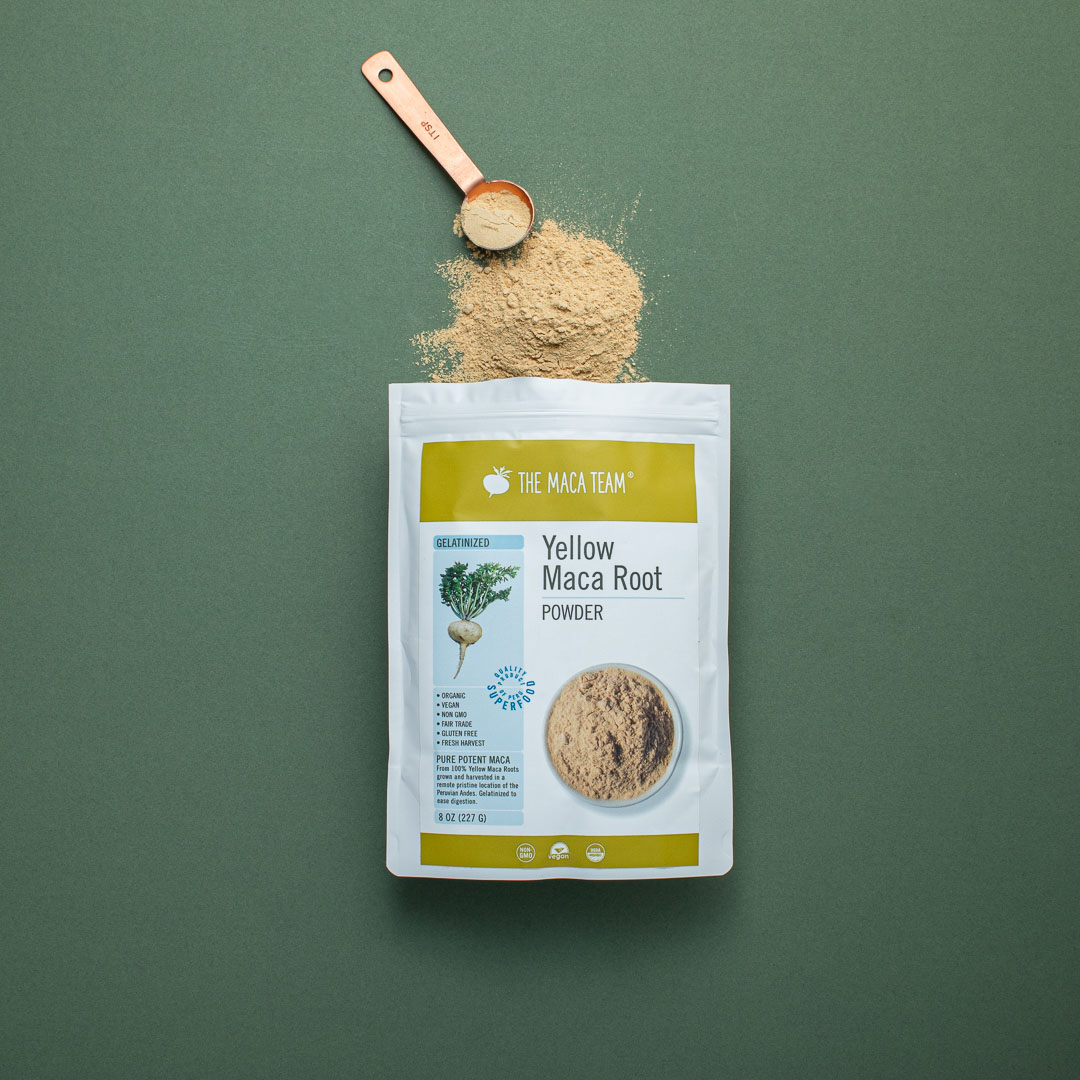
Maca is a traditional root vegetable from the high Andes of Peru. For generations, it has been dried, cooked, powdered, and used as a food by Andean families.
Because maca is often used by adults, parents sometimes ask us whether children can take maca too. It’s a good question — and one we think deserves a simple, thoughtful answer.
In general, maca is best understood as a traditional food, not as a medicine or a quick-fix product. Many families choose to use it in small amounts in smoothies, oatmeal, pancakes, warm drinks, and other everyday recipes. For children, we recommend starting gently, using small servings, and paying close attention to how your child responds.
If your child has a medical condition, takes medication, has food sensitivities, or is under the care of a doctor, it’s best to check with your pediatrician or qualified health care professional before adding maca.
Simple answer:
Children can take maca in the sense that maca is a traditional food plant that can be mixed into everyday recipes. The best approach is gentle and simple: choose a mild form, start with a very small amount, and use it as part of a balanced diet.
For most families, gelatinized yellow maca powder is the best starting point because it has a mild taste, mixes easily, and is often easier to digest than raw maca powder.
Is Maca Safe for Children?
Maca has a long history of use as a food in Peru, including in family diets. Traditionally, maca is often cooked or dried before being eaten.
That said, children have different needs than adults. Their digestion, diet, body size, and sensitivities can all be different. For that reason, we don’t recommend treating maca like an adult supplement and simply giving children the same serving size an adult would take.
For healthy older children, many parents introduce maca as a food ingredient in very small amounts. The key is to start low, keep it simple, and avoid using maca for any medical purpose.
Please talk with a qualified health care professional first if your child:
- Has a medical condition
- Takes medication
- Has hormone-related or endocrine concerns
- Has significant digestive sensitivities
- Has a restricted diet
- Is very young
- Has had unusual reactions to new foods in the past
When in doubt, ask your pediatrician first.
What Is Maca?
Maca is a root vegetable in the same general plant family as broccoli, cabbage, kale, and radishes. After harvest, maca roots are traditionally dried and then used in food preparations. You can learn more in our guide to what maca is.
Maca powder has a naturally earthy, malty flavor. Some people describe the taste as nutty, butterscotch-like, or slightly toasted. Children usually prefer maca when it is mixed into foods they already enjoy rather than taken plain.
Simple ways to use maca include:
- Smoothies
- Oatmeal
- Pancakes
- Warm milk-style drinks
- Homemade snack bars
- Baked recipes
Maca does not contain caffeine. It should not be thought of as an energy drink or stimulant. We think of it more simply: a traditional, nutrient-rich food that can be added to a balanced diet in small amounts. You can also review our maca nutrition facts for more background.
What Kind of Maca Is Best for Children?

For most children, we recommend starting with gelatinized yellow maca powder.
Yellow maca has a mild flavor. It blends well into smoothies, oatmeal, pancakes, and warm drinks without taking over the recipe.
Gelatinized maca is also a good starting point because the starch has been reduced through a water-based heating process. This makes it easier for many people to digest compared with raw maca powder.
That’s why, for children, our first choice is usually Gelatinized Yellow Maca Powder. It is mild, easy to mix, and simple to use in small servings.
Which Maca Products Should Children Avoid?
Children do not usually need the strongest or most concentrated maca products. We recommend keeping things simple.
Can Children Take Raw Maca?
Some children may do fine with raw maca, but we usually recommend gelatinized maca as the better starting point.
Raw maca naturally contains starch. For some people, especially those new to maca, that starch can feel a little heavy. Gelatinized maca has had the starch reduced, which makes it easier for many people to use.
For adults who enjoy raw maca and digest it well, it can be a great choice. For children, we prefer to begin with the gentler option. You can read more in our guide to raw vs. gelatinized maca.
How Much Maca Can Children Take?
There is no official serving size for children, so we recommend a cautious food-based approach.
There is no need to rush. Start with a small amount a few times per week and see how your child does.
If your child is very young, has a medical condition, takes medication, or has special dietary needs, ask a pediatrician before introducing maca.
How Often Should Children Take Maca?
Children do not need maca every day.
For many families, the best approach is occasional use in normal foods. For example, you might add a small amount to a smoothie, oatmeal, or pancakes a few times per week.
We do not recommend forcing maca into a child’s diet. If your child does not like the taste, or if it does not seem like a good fit, it is fine to stop.
Maca should be an easy addition — not a struggle.
What Is the Best Way for Kids to Eat Maca?
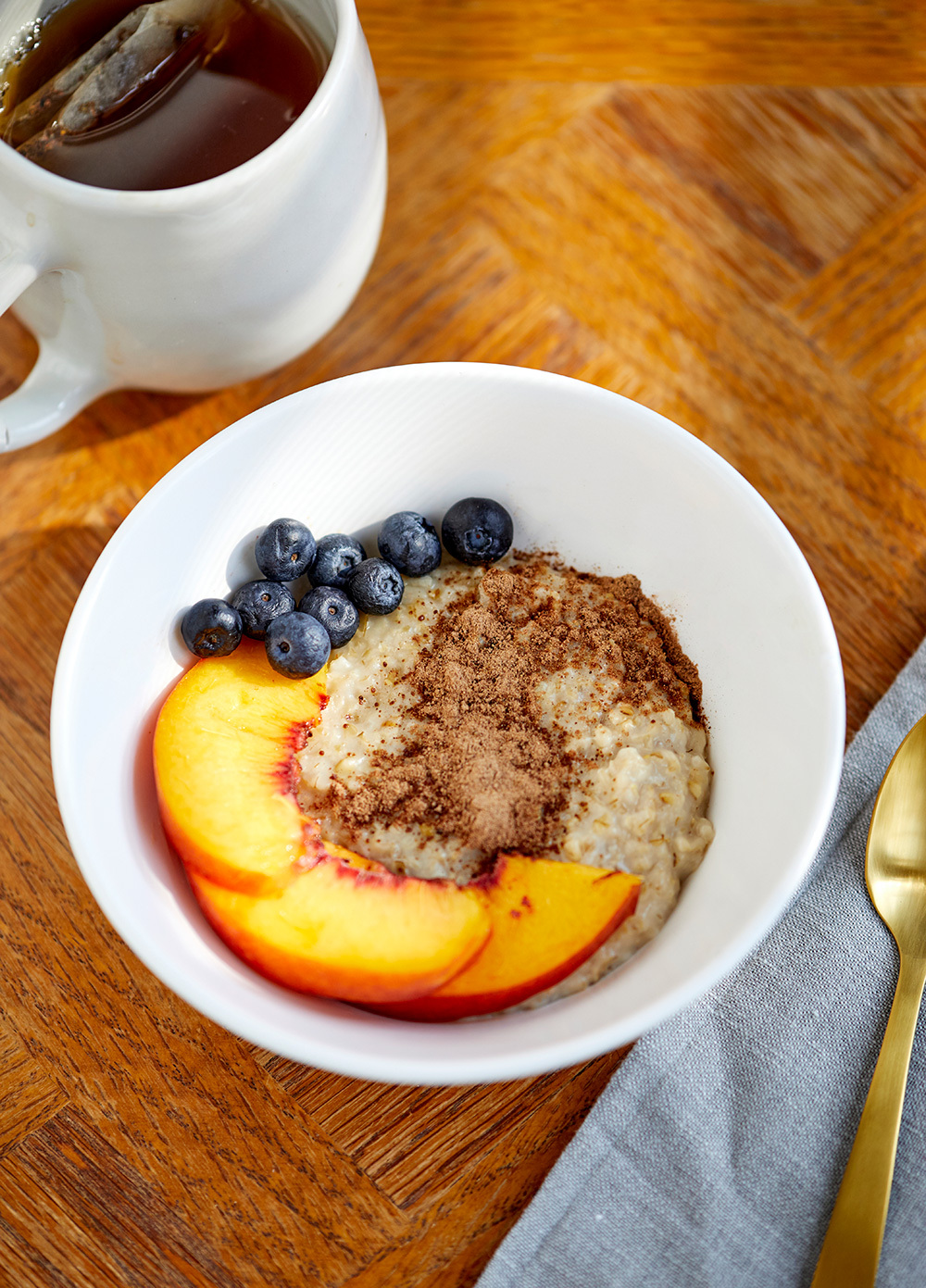
The best way to introduce maca to children is to mix a small amount into something they already like. You can find more ideas in our maca recipes section.
Maca pairs especially well with:
- Banana
- Cacao or chocolate
- Peanut butter
- Oats
- Pumpkin
- Cinnamon
- Warm milk-style drinks
A few simple kid-friendly ideas include:
- Maca peanut butter smoothie
- Maca strawberry banana smoothie
- Homemade maca snack bars
- Maca pancakes
- Oatmeal with banana and a small amount of maca
- Hot chocolate with a small amount of maca mixed in
Start with less than you think you need. Maca has a noticeable flavor, and children are more likely to enjoy it when the amount is small and well blended.
Can Teens Take Maca?
Teens can usually use maca more like adults than young children do, but we still recommend starting small.
For teens, gelatinized yellow maca is still the easiest place to begin. It has a mild flavor, mixes well, and is generally the most approachable form.
A Simple Parent Checklist
Before giving maca to a child, ask:
- Is my child old enough for mixed foods like smoothies, oatmeal, or pancakes?
- Am I starting with a small amount?
- Am I using maca as a food, not as a treatment?
- Does my child have any medical condition or take medication?
- Has my child had digestive sensitivity to new foods?
- Would I feel better asking my child’s pediatrician first?
If you are unsure, start by asking your pediatrician.
Best Maca for Children: Quick Summary
Final Thoughts
Children can take maca in the sense that maca is a traditional food plant that can be mixed into everyday recipes. The best approach is gentle and simple: choose a mild form, start with a very small amount, and use it as part of a balanced diet.
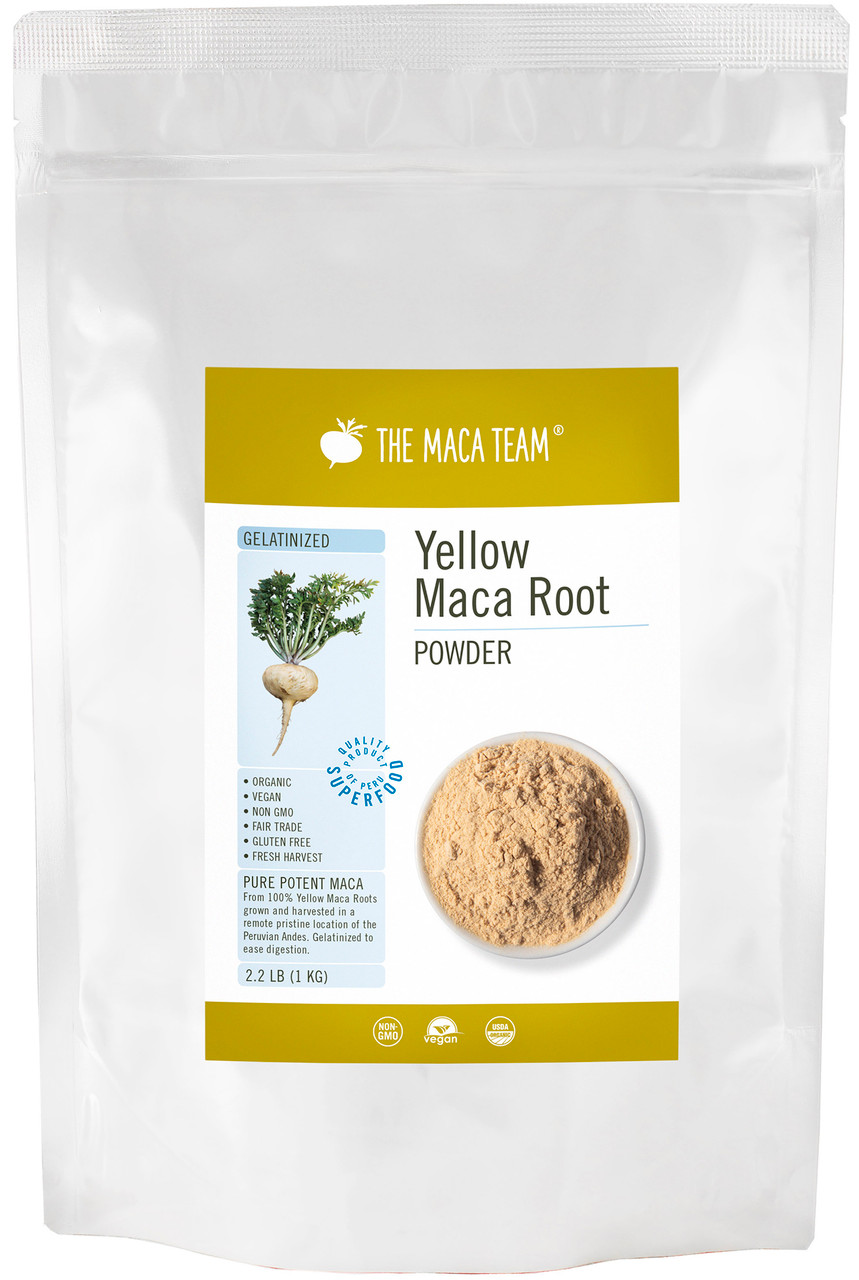
For most families, gelatinized yellow maca powder is the best starting point. It has a mild taste, mixes easily, and is often easier to digest than raw maca powder.
Maca is not a medicine and should not be used as a substitute for medical advice or care. If your child has a health condition, takes medication, or has special dietary needs, please check with your pediatrician before adding maca.
If you have questions about which maca product may be the best fit for your family, please contact us. We’re happy to help.
Helpful Next Steps