
Ways To Avoid Upset Stomach When Taking Maca
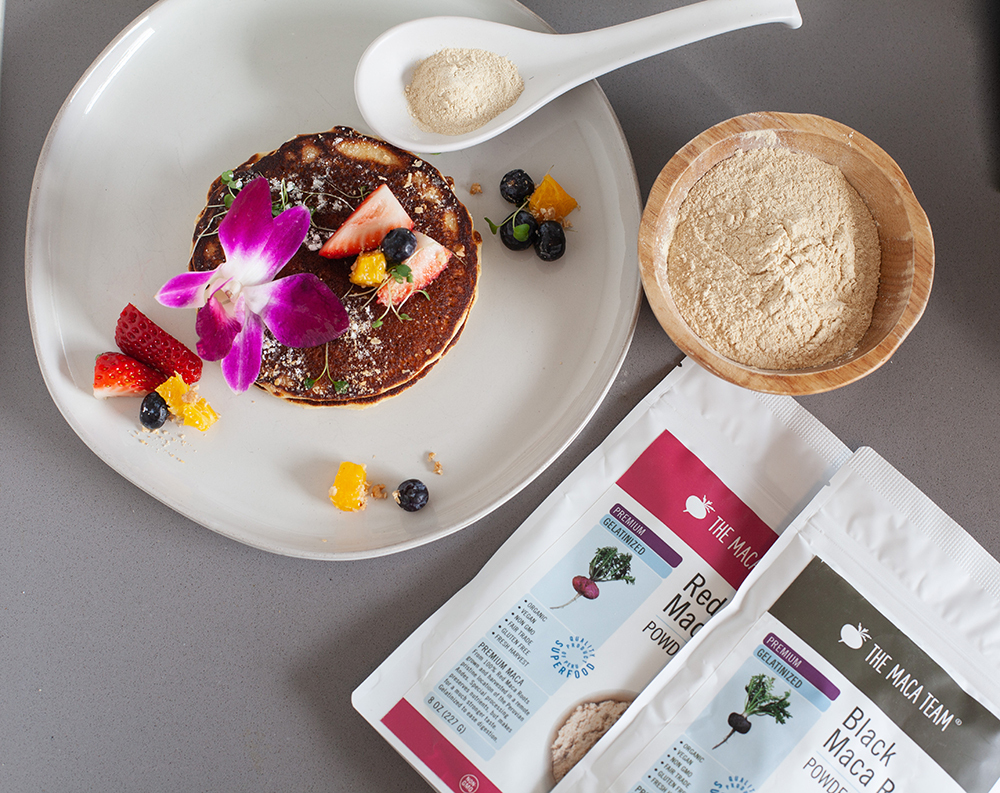
For most people, maca is easy to digest and fits naturally into a daily routine.
That said, a small percentage of people notice some digestive discomfort when they first start taking maca. This can show up as:
- mild bloating
- gas
- slight cramping
- a general “heavy” feeling in the stomach
If that’s happening to you, it doesn’t necessarily mean maca isn’t a good fit. In most cases, it’s simply a matter of how you’re taking it, not whether you should take it at all.
Below are the most effective ways to make maca easier on your system.
Why Maca Can Sometimes Cause Digestive Discomfort
Maca is a root vegetable, and in its raw form, it naturally contains starches and plant compounds that can be harder for some people to break down—especially at first.
This is one reason traditional preparation methods in Peru often involve cooking or processing the root.
Today, that same idea shows up in the difference between raw maca and gelatinized maca.
If you’re experiencing discomfort, the goal is not to stop immediately, but to adjust how you’re using it.
Quick Summary: What to Do If Maca Upsets Your Stomach
- start with less
- take it with food
- switch from raw maca to gelatinized maca
- or try a liquid maca extract
- avoid fruit or fruit juice if digestion feels sensitive
- keep the routine simple and consistent
- give your body a few days to adjust
1. Start With a Smaller Amount
One of the most common reasons people experience discomfort is simply starting with too much.
Even though maca is a food, it’s still concentrated. Jumping straight into a full serving can feel like a lot for your system, especially if you’re not used to it.
A better approach:
- start with 1/2 to 1 teaspoon per day
- stay there for a few days
- increase gradually if it feels comfortable
This gives your body time to adjust and usually prevents most issues.
If you’re unsure how much to take long-term, see Maca Dosage.
2. Take Maca With Food (but NO fruit or fruit juice)
Taking maca on an empty stomach can feel a little strong for some people.
If you notice discomfort, try taking maca:
- with a meal
- in a simple smoothie
- mixed into yogurt or oatmeal
This often makes digestion easier and helps your body process it more comfortably.
Also, some people notice that taking maca without fruit or fruit juice is helpful to digestion. That's becasue fruit tends to move through the digestive system more quickly than other foods. It's certainly worth a try.
Most people find that once maca becomes part of a regular meal, the issue disappears entirely.
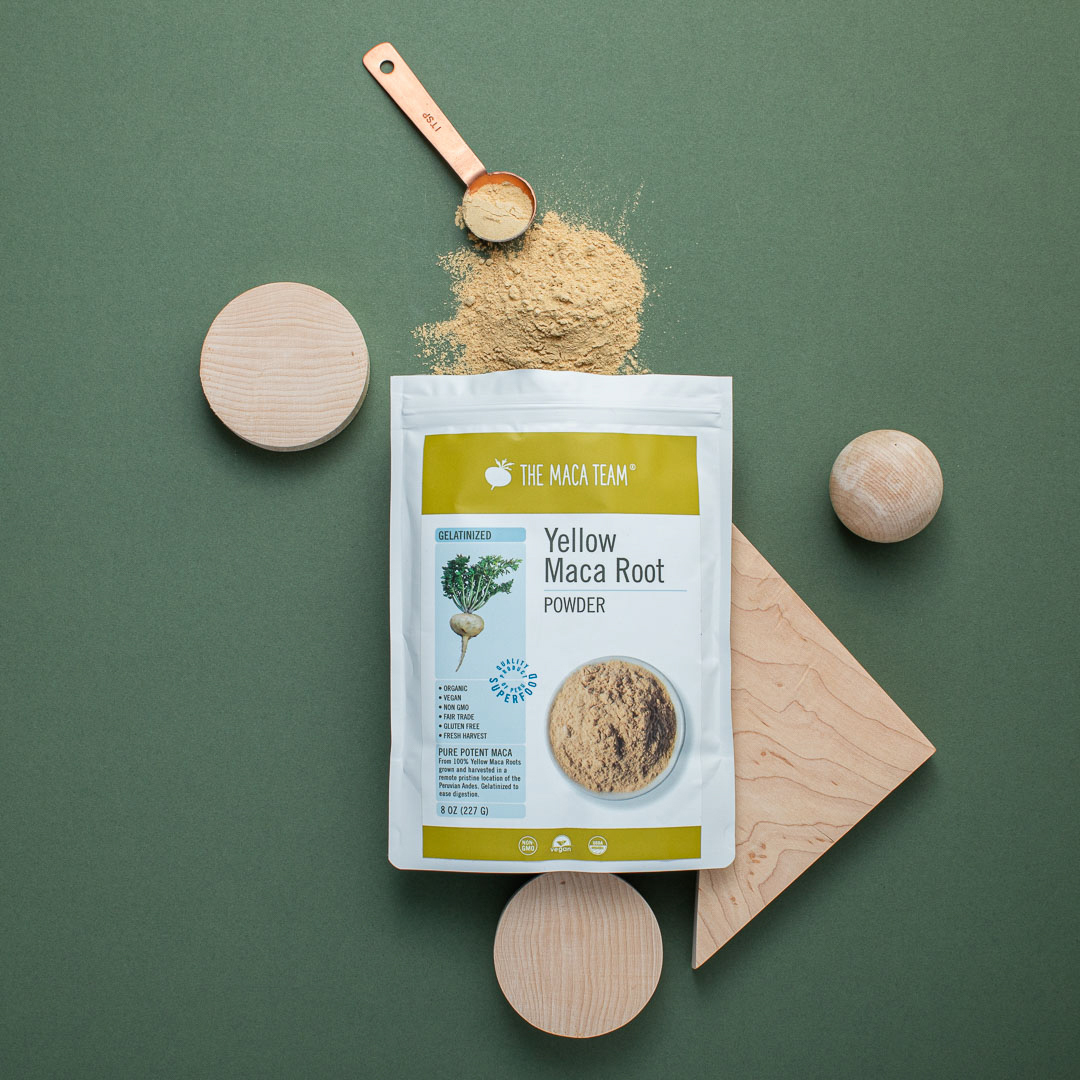
3. Switch to Gelatinized Maca
This is one of the most effective adjustments you can make.
Gelatinized maca is not gelatin. It’s still completely plant-based. The term refers to a traditional process that uses heat and pressure to render most of maca's starch inactive.
Because of that, gelatinized maca is:
- easier to digest
- less likely to cause bloating
- often better for daily use
If raw maca feels heavy or uncomfortable, switching to gelatinized maca is usually the first thing to try.
For many people, this alone solves the problem.
This is explained more fully here: Raw vs. Gelatinized Maca.
4. Switch to a Liquid Maca Extract
Liquid maca extracts are a great option for sensitive people.
They will not cause digestive upset since all starch content and inert content of the root has been removed in the extraction process.
Many of our most sensitive customers find maca extracts ideal.
5. Keep It Simple at the Beginning
Another common issue is doing too much at once.
If you’re:
- taking a large amount
- mixing multiple supplements
- changing your diet at the same time
…it can be hard to tell what’s actually causing the discomfort.
A better approach is to simplify:
- use one form of maca
- take one consistent amount
- take it at the same time each day
Once that feels stable, you can always adjust.
6. Give Your Body Time to Adjust
For some people, the body simply needs a short adjustment period.
Because maca is a nutrient-dense root, your system may need a little time to adapt—especially if it’s new to your diet.
In many cases:
- mild discomfort fades after a few days
- or improves once the serving size is adjusted
If symptoms are mild, it may be worth giving it a little time while using the steps above.
Raw vs. Gelatinized Maca and Digestion
If digestion is your main concern, here is the simplest way to think about it:
Raw Maca
- less processed
- contains full starch content
- may feel heavier for some people
Gelatinized Maca
- starch rendered inactive
- easier on digestion
- often better for sensitive stomachs
Both forms are widely used, but if you are struggling with digestion, gelatinized maca is usually the better choice.
When Digestive Discomfort Might Mean You Should Adjust
Most mild symptoms can be solved with simple changes.
However, you may want to adjust your approach if you notice:
- ongoing discomfort that does not improve
- feeling consistently overstimulated
- trouble sleeping after taking maca
In these cases:
- reduce your amount
- switch forms
- or pause and restart more gradually

FAQ: Maca and Digestive Discomfort
Does maca cause bloating?
It can for some people, especially when starting or when taking larger amounts of raw maca. Adjusting the amount or switching to gelatinized maca usually helps.
Is gelatinized maca easier to digest?
Yes. Because most of the starch has been rendered inactive, many people find it much gentler on the stomach.
Should I stop taking maca if my stomach feels off?
Not necessarily. Try reducing your serving size, taking it with food, or switching forms first.
Can I take maca on an empty stomach?
You can, but if you’re sensitive, taking it with food is often more comfortable.
How long does it take to adjust to maca?
For many people, any mild discomfort improves within a few days to a week.
Final Thoughts
If maca is causing digestive discomfort, the issue is usually not the maca itself—it’s how it’s being used.
Most people find that one or more of these adjustments solves the problem:
- starting with less
- taking it with food (not fruit or fruit juice)
- switching to gelatinized maca
- trying a liquid maca extract
- simplifying their routine
Once you find the right approach, maca tends to be easy to use and fits naturally into daily life.
Next Steps
If you’re still getting started:
If you want easy ways to take maca daily: