

Maca and Metabolic Health: A Natural Approach in the Age of GLP-1 Drugs
Explore maca and metabolic health, including how maca may support steady energy, stress resilience, and a broader whole-body approach to daily balance.

Interest in metabolic health has surged in recent years, driven in part by the widespread attention around GLP-1 medications such as Ozempic and Wegovy. Even for people who are not considering those medications, the larger conversation has brought new attention to appetite, energy regulation, insulin response, and the everyday habits that influence how the body functions.
That shift has also led many people to ask a broader question: are there natural ways to support metabolism, energy balance, and overall resilience?
One traditional food now being revisited in that context is maca root.
In this article
- What metabolic health actually means
- Why GLP-1 is part of the current conversation
- How maca may fit into a broader wellness approach
- Why stress, energy, and metabolism are closely connected
- How to think about maca as part of daily nutritional support
What Is Metabolic Health?
Metabolic health refers to how efficiently the body manages and uses energy. That includes how the body responds to food, how steady energy feels throughout the day, how hunger and satiety signals show up, and how well the system adapts to ongoing daily demands.
It is not only about body weight. It is also about rhythm, stability, and the way multiple systems work together over time.
| Common Part of Metabolic Health | Why It Matters |
|---|---|
| Steady daily energy | Helps reduce the pattern of crashes, cravings, and overstimulation |
| Balanced appetite signals | Supports a more consistent relationship with meals and hunger |
| Stress resilience | Chronic stress can disrupt energy, sleep, and eating patterns |
| Whole-body regulation | Metabolic health depends on more than one pathway or one quick fix |
Why GLP-1 Is Getting So Much Attention
GLP-1 is a hormone involved in appetite signaling, blood sugar response, and the timing of digestion. Because medications that affect GLP-1 pathways have become so widely discussed, many people are now more aware of the connection between hunger, energy, and metabolic function.
That public attention has done more than spotlight one category of medication. It has also expanded interest in supportive nutrition, daily habits, and foods that may contribute to a steadier metabolic picture over time.
Where Maca Fits Into the Conversation
Maca is not a stimulant, and it is not a pharmaceutical ingredient. It is a traditional Andean root used as a food, and it is commonly chosen today for support related to energy, stamina, resilience, and overall vitality.
In the context of metabolic health, maca is best understood as part of a bigger picture. Rather than acting on a single pathway in a direct or dramatic way, it may be more relevant as a whole-food support for steadier daily function.
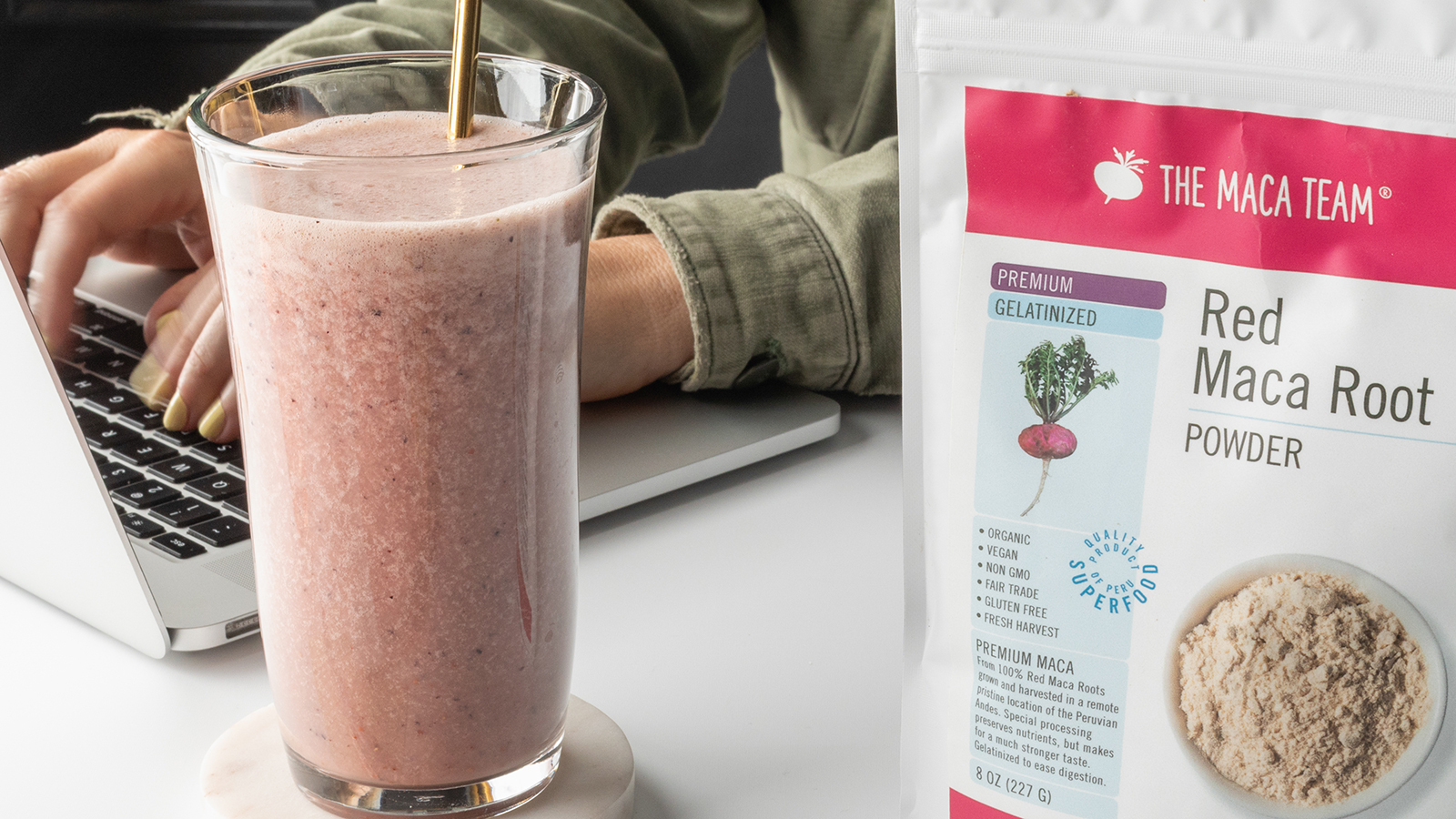
Energy Stability Without a Jolt
One reason maca continues to stand out is that many people do not experience it like caffeine or other quick-energy products. Instead of a sharp rise followed by a drop, maca is often valued for a more gradual and balanced feeling of support.
That matters because metabolic balance is closely tied to how stable energy feels across the day. When people are constantly swinging between fatigue and overstimulation, it becomes harder to maintain consistent routines around meals, movement, focus, and sleep.
Stress and Metabolic Function Are Closely Linked
Stress does not only affect mood. It can also shape appetite, cravings, sleep quality, energy regulation, and daily decision-making around food. This is one reason the conversation around metabolism now includes more than calories alone.
As an adaptogenic food, maca is often used in the context of helping the body adapt to stress more effectively. That does not make it a treatment for stress-related conditions, but it does help explain why maca is often discussed in connection with daily balance and resilience.
A useful way to think about it: For many people, metabolism is not just about what they eat. It is also about whether stress is driving irregular appetite, low energy, poor sleep, or an ongoing sense of depletion.
A Broader Conversation About Daily Rhythm
People interested in metabolic health often become more aware of how meals affect energy, alertness, and cravings later in the day. While maca is not a treatment for blood sugar conditions, it is often included in broader wellness routines that emphasize whole foods, steady nourishment, and sustainable energy.
That makes maca a natural fit for people who are moving toward a more supportive, long-term foundation.
Appetite, Satisfaction, and the Bigger Picture
Metabolic health is also tied to how hunger and satisfaction feel. That includes whether meals feel grounding, whether energy remains fairly stable afterward, and whether a person feels pulled toward constant snacking or large energy swings.
Maca may have a place in that conversation not because it acts as a dramatic appetite tool, but because it is often chosen as part of a steadier daily pattern.
How Maca Compares to the Current GLP-1 Conversation
| GLP-1 Medication Conversation | Maca Perspective |
|---|---|
| Focused on specific appetite pathways | Whole-food support for daily balance |
| Medical and pharmaceutical context | Nutrition and lifestyle context |
| Single mechanism focus | Broader system support |

How to Use Maca as Part of a Daily Routine
For most people, maca makes the most sense as part of a consistent daily routine rather than an occasional quick fix.
- Start with a modest daily serving and increase gradually
- Use it consistently rather than occasionally
- Pair it with balanced meals
- Think in terms of steady support
Many people also choose different maca types depending on preference. Red maca is often used for overall balance, while black maca is often selected for energy and drive.
The Bigger Takeaway
The current focus on GLP-1 has brought metabolic health into the mainstream, but it has also highlighted something important: metabolism reflects a broader system, not just a single pathway.
Maca fits into that broader picture as a traditional food that may support a more grounded, long-term approach to daily vitality.
Frequently Asked Questions
Is maca a natural GLP-1 alternative?
Maca is better understood as a traditional food rather than a direct alternative to a medication.
Can maca support metabolic health?
Maca is commonly used as part of a routine that supports overall balance and vitality.
Is maca a stimulant?
Maca is not typically categorized as a stimulant like caffeine.
What type of maca should I choose?
Red maca is often used for balance, while black maca is often chosen for energy and performance support.
Note: This article is for general educational purposes only and is not intended as medical advice.
Recent Maca Posts
-

Maca and Metabolic Health: A Natural Approach in the Age of GLP-1 Drugs
Explore maca and metabolic health, including how maca may support steady energy, stress resilience, …25th Mar 2026 -

From Burnout to Balance with Maca Root
Burnout doesn’t usually hit all at once. It creeps in slowly through packed schedules, constant noti …22nd Mar 2026 -

Gelatinized vs Fermented Maca: What’s the Real Difference?
Last updated: March 2026 This article is based on field observations in Peru, supplier documentatio …20th Mar 2026